Archives for February 2014

Will Medicare Cover My Flap Surgical Procedure?

This week, Dr. Richard Kline of The Center for Natural Breast Reconstruction answers your questions.

Q: If I have had cancer and a breast was removed, will Medicare cover the flap procedure?

A: Yes, if you have had mastectomy, Medicare will absolutely cover the reconstruction procedure of your choice.  It will also cover surgery on the other breast to improve symmetry, if necessary. Let me know if you have any other questions you would like answered or want to talk in depth about the procedure with one of our clinical staff members.  We’re always happy to help!

Thank you for your question.

Dr. Richard M. Kline

Center for Natural Breast Reconstruction

Have a question about breast reconstruction or post-surgical care you’d like answered from our surgical team? Just ask us!
Charleston’s Best Running Trails

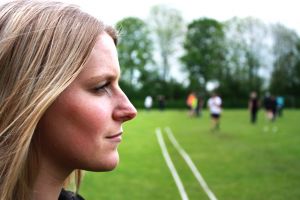
We’re fortunate in that we can run, bike, and walk year-round here in Charleston. We love finding new places to explore and imagine you do too. Here are a few we like and hope you’ll try.

Awendaw Passage

Distance: 7 miles

For an amazing sensory experience of the Lowcountry’s salt marshes, take the Awendaw Passage. Part of the Palmetto Trail, the passage meanders through a forest of palmetto trees along the Awendaw Creek.

Sawmill Branch Multi-Use Trail

Distance: 6.5 miles

Walk or ride this wide trail, and follow the Sawmill Branch Canal. You can start at either of two entry points, Gahagan Road or Ashley Drive in Summerville. This trail is safe, as most of the road crossings go under the roads. The quiet brings out the wildlife, so keep an eye out for animals, but beware—alligators have been known to live in the canal.

Swamp Fox Passage

Distance: 42 miles

One of the area’s oldest trails, the Swamp Fox Trail courses through the swamplands and pine forests of Francis Marion National Forest. It is named after Francis Marion, the Revolutionary War office who was known as the “Swamp Fox” because he hid from the British in the swamps of the Lowcountry.

While the trail itself is 42 miles long, only 27 miles are recognized as a National Recreation Trail. Expect to see turkeys, birds of all kinds, and deer along the trail.

West Ashley Bikeway

Distance: 2.5 miles

The West Ashley Bikeway runs in a straight line from the Ashley River to Wappoo Road, giving the families in the area a short yet lovely 2.5-mile running and cycling trail. The trail is not regularly maintained and does have one hazardous intersection: cyclists and runners must cross St. Andrews Boulevard without a crosswalk or a light. The West Ashley Greenway is nearby—simply cross over Savannah Highway on Wappoo Road.

West Ashley Greenway

Distance: 10.5 miles

The West Ashley Greenway goes from suburban Charleston to the wetlands and is a favorite of runners and mountain bikers. The greenway begins at South Windermere Shopping Center and connects several neighborhoods via a 100-foot-wide trail. After coming to Johns Island, the trail narrows into gravel, so after this point, you’ll need a bike. However, the breathtaking views are worth taking your bike along.

Which trails are your favorites?

How to Overcome Anxiety

Anxiety ranges from a constant niggling worry to a full-on panic attack. When anxiety hits, it’s hard to imagine putting it aside and moving on, but there are ways you can overcome those jitters and nervousness.

Discover where the anxiety comes from.

What is causing you to feel nervous or stressed? Is it work, family, home life? When you discover the root of your anxiety, you’re halfway to curing it. You may need to take some time and have an honest inner talk with yourself to find out what has changed in your life that is causing stress.

Once you have determined the source of your worry, then you need to decide if the issue is yours to fix. It may be within your ability to change the root cause, or it may be completely out of your control.

If you have control over the stressor, determine a plan to reduce or eliminate it.

If your work is causing anxiety, formulate some ideas to lower your stress level. It may be delegating some work, asking a coworker for help, or learning a new process to streamline your workload.

If something at home is the issue, convene a family meeting (or a meeting with your spouse only) to discuss the problem. In either case, know that time is typically the best healer of anxiety. For now, try some deep breathing, meditation, exercise, or visualization of the best outcome.

If you cannot control the cause of your anxiety, let it go, or choose a better way to deal with the stress.

There are times we all have to deal with uncertainty, and we have to simply let things take their course. We do not control some parts of life, and we need to recognize those times and let our stress go. Use the stress relief techniques above to free yourself from the fear and worries.

Occasionally, stress is your brain and body’s way of alerting you that something must change. When you listen to and heed your body’s warning, you’ll be surprised at how wise you were without knowing it. If you feel that something is amiss, it likely is. Don’t ignore your brain or your body when it’s trying to send a message.

However, for some of us, worry becomes a habit. Always stay focused when you’re analyzing your worries, and determine if your fears are founded or not. When you begin fretting about things for no good reason, it’s time to step back and look at the bigger picture. Something more than a minor stressor is at work. Talk to a therapist or counselor if you feel you’re worrying needlessly.


New Surgical Procedure to Cure Lymphedema

This week, The Center for Natural Breast Reconstruction addresses the pressing topic of lymphedema.

We are re-posting this information on lymphedema and the procedure of transferring lymph nodes in breast cancer treatment. This has been a hot topic in the community lately, and we want to make sure you have the info you need!

A New York Times article discussed an amazing breakthrough in breast cancer treatment: curing lymphedema by transferring lymph nodes from other parts of the body.

Lymphedema is obstruction or swelling of the lymph nodes and is commonly caused by mastectomy with surrounding lymph node removal. As lymphatic drainage of the arm flows through the axillary (armpit) area, removal of lymph nodes there causes arm soreness and swelling because lymphatic fluid cannot move or drain normally.

The procedure, autologous vascularized lymph node transfer, replaces the missing lymph nodes with a small number of nodes from another area of the patient’s body, such as the groin. Surgeons must be careful not to harvest too many nodes from any one part of the body, or they risk causing lymphedema in that area.

The riskiest part of the surgery is removing scar tissue to make room for the new nodes and to improve lymphatic drainage. Critics say removing this tissue may affect the blood vessels and nerves in the arm. However, women with lymphedema often report that dealing with soreness and swelling is worse than coping with the cancer. Proponents of the surgery note that doctors often overlook the physical and emotional effects of lymphedema.

As the controversial surgery is still considered experimental, it is typically reserved for patients who do not respond to other treatments. The procedure’s classification as experimental means it is rarely performed in the United States, and insurance is not likely to cover its high cost. While proponents say it cures some patients and improves the lives of others, opponents counter that its results are inconsistent—it works for some and not for others.

A French physician, Dr. Corrine Becker, is the pioneer of the procedure, and claims a high success rate in Europe and other areas of the world. The surgery gives hope to patients with congenital lymphedema as well as cancer. A double-blinded randomized clinical trial of lymph node transfer will begin in the near future to collect more data on its effectiveness.

Doctors from The Center for Natural Breast Reconstruction observed Dr. Becker during two trips she has made to the United States, and they participated in the meeting and live surgery symposium discussed in the article.

Have a question about breast reconstruction you’d like answered from our surgical team? Just ask us!

Charleston’s Amazing Schools

Along with its rich history, Charleston also has a claim to fame with many of its schools. Here are three that we find exemplary.

Charleston County School of the Arts (SOA)

This one is particularly near and dear to our hearts, as we have sponsored events for their students in the past.

Rose Maree Myers founded SOA in 1995, and it was recently named the second-best high school in the state by U.S. News and World Report. When Rose Maree founded the school, there were only sixth and seventh grades. As time went by, more grades were added to make today’s 6–12 school.

SOA offers eight art majors, including piano, string orchestra, vocal music, theater, and dance. Students audition for no more than two majors, and once accepted into one, spend one-fourth of their day in that area. SOA’s strenuous curriculum focuses on creativity and problem solving so that students self develop and learn individually.

Thanks to the challenging curriculum, which includes Advanced Placement courses, students develop high levels of intellect, maturity, creativity, and cooperation, and they earn scholarships, awards, and the respect of patrons of the arts and peers.

To learn more about SOA, visit their website at http://soa.ccsdschools.com/.

The Citadel

Founded in 1842, The Citadel, also known as The Military College of South Carolina, is one of the six Senior Military Colleges in the United States. It is famed for its reputation of preparing leaders. Its Corps of Cadets takes classes in 17 academic departments, divided into five schools that offer 19 majors and 35 minors.

The Corp of Cadets study under the day program and live under a traditional military system, which includes residing on campus for all four years. The evening program, known as The Citadel Graduate College, is geared toward working adults and includes a postgraduate program and a distance learning online degree program.

For the third consecutive year, The Citadel was recognized by U.S. News & World Report as the top public college in the South.

For more information on The Citadel, visit http://www.citadel.edu.

American College of the Building Arts (ACBA)

If you’ve ever wandered around a classic, historic home and said something like, “Homes aren’t built like this anymore,” know that the reason for that is the lack of people skilled in that type of building. Not many people want to learn those skills at that expert level, but those who do train at ACBA.

The American College of the Building Arts is the only college that offers a Bachelor in Applied Science in Building Arts (B.A.S.) degree. Students major in the Building Arts and select one of the six areas of craft specialization in which to focus the work in a trade. Majors include timber framing, carpentry, architectural stone, masonry, plaster, and forged architectural iron.

The degree consists of 138 credit hours taken over four years, which includes72 hours of general education coursework and 66 craft specialization hours. Students must successfully complete three internships lasting eight weeks in their craft specialization.

To learn more about the American College of the Building Arts, visit the website: http://buildingartscollege.us.

Delicious Alternatives To Dairy

Many of us are lactose intolerant, so eating cow’s milk dairy products can upset our systems. We love the taste of dairy foods such as cheese and ice cream, so those of us who have issues are always hunting for alternatives. Here are the most delicious options we found.

Almond milk

Almond milk is made from ground almonds, and it contains no lactose or cholesterol. Vegans and vegetarians use almond milk regularly. It is beige in color, has a nut-like taste, and typically comes in three flavors: chocolate, vanilla, and plain. Last year, it passed soy milk as the most popular plant-based milk. Popular brands of almond milk include Almond Breeze and Silk PureAlmond.

To make your own almond milk, grind soaked almonds in a blender with water and your choice of sweetener or additive, and then strain through a cheesecloth. While almond milk is not a suitable replacement for breast milk or cow’s milk due to its low protein content, it is rich in other nutrients such as magnesium, selenium, zinc, copper, and calcium.

Soy milk

Soy milk is made from soaking dry soybeans and grinding them with water. Soy milk has about the same percentage of protein as cow’s milk: around 3.5%. Soy milk can be made at home with traditional kitchen tools or with a soy milk machine. The coagulated protein from soy milk is made into tofu, just as dairy milk produces cheese.

Because soy milk has a similar protein and fat content to cow’s milk (though the amino acid profile differs), it has become a popular alternative. Natural soy milk contains little digestible calcium, so many manufacturers add calcium carbonate. As it is plant-based, it has little saturated fat and no cholesterol.

Coconut milk

Coconut milk comes from grated coconut meat, and tastes just like liquid coconut. It has a rich taste that enhances soups and desserts, and some even use it as a substitute for cream in their coffee. If you want to make coconut milk at home, run the meat through your food processor or blender with hot water. After you refrigerate the milk, coconut cream separates and rises to the top.

Coconut milk is controversial because it contains lauric acid, a saturated fat that may raise blood cholesterol levels. However, coconut milk is better than trans fats because it is mainly medium-chain triglycerides, which may not carry the same risks as other saturated fats. In addition, coconut milk is full of medium-chain fatty acids (MCFAs), which the body processes differently than other saturated fats.

Goat’s milk cheese

Goat cheese has a similar amount of fat as cow’s milk cheese, but the fat profiles differ. Goat’s milk cheese has a higher proportion of medium-chain fatty acids, such as caproic, caprylic, and capric acid. These fatty acids are healthier for you than the saturated fats in cow’s milk cheese.

Goat’s milk is more similar to human milk than cow’s milk is, although that fact isn’t well known in the West. Goat cheese is made by allowing the raw milk to curdle naturally before draining and pressing the curds. Very little is added other than salt to preserve the cheese. Soft goat cheeses are made by hanging bundles of cheesecloth filled with curds in the kitchen for several days.

What’s your favorite alternative to cow’s milk dairy products?

Should I Have a Bilateral Mastectomy Instead of Lumpectomy and Radiation?

This week, Dr. James Craigie of The Center for Natural Breast Reconstruction answers a special two-part question.

Q: Do you know of surgeons in northwest Ohio who can do natural breast reconstruction? I was diagnosed with DCIS and had a lumpectomy done and now am considering a bilateral mastectomy instead of radiation. I was a AA cup size and don’t have much breast tissue left, so I feel like I could use the reconstruction, which is why I am considering the mastectomy.

A: Thank you for your question. I’m sorry I don’t know anyone in that area. Based on your situation you are asking a very good question!

If you have little breast tissue remaining after your lumpectomy then if you went through radiation the breast may develop more abnormal shape. When that occurs, it is difficult to fix that breast because of the radiation effects. If you instead remove the remaining breast tissue you could rebuild the breast to the size you wanted based on how much of your own tissue you have to use. Also you would not need radiation. Remember that implants after radiation are more likely to have complications than without radiation. 

Q: If the DCIS is in one breast, would a double mastectomy make sense, so I could even out the “new” size I choose? Also, do you have information on recurrence rates if I try a nipple-sparing or skin sparing mastectomy?  Is that wise at all?

A: Questions regarding recurrence rates are best answered by the surgeon who performs the mastectomy. We work closely with them as a team and perform the reconstruction immediately after the mastectomy. I’ll be glad to forward your question to the expert. In general, recurrence rates should be the same or lower for mastectomy vs.  lumpectomy and radiation. Skin and nipple sparing mastectomy should be the same as well. For your situation we would get the cancer specialists we work with to give us their opinion before we could give you specific recommendations.

We do have patients choose to do what you mentioned frequently, for the same reasons. Preventive mastectomies are done to reduce the chances of getting breast cancer. If someone is high risk, then they  might decide to reduce the risk of DCIS on the other side. When someone has enough donor tissue we try to give them the best result possible based on each person’s expectations. If you had a bilateral mastectomy we would try to make the new breasts fuller and uplifted as long as there was enough donor tissue to work with. I hope this answers your questions. Let me know.

Dr. James Craigie

Center for Natural Breast Reconstruction

Have a question about breast reconstruction you’d like answered from our surgical team? Just ask us!

A Quick History of Charleston

Charleston’s history is one of the most interesting, dynamic, and rich of any city in the United States. The city was named after King Charles II, who granted the Carolina territory to a group of his friends, the Lords Proprietors. In 1670, the city was settled and given the name Charles Towne.

Renamed Charleston after the Revolutionary War, the town’s location guaranteed it would become a rich city quickly, and it did. In less than 100 years, it grew from a modest colonial seaport to one of the wealthiest areas in the colonies. The prosperity continued through the middle of the nineteenth century, due to imports, trade, and the growing of cotton and rice.

Charleston’s wealth, growth, and location near the ocean meant it was often under attack. Not only was the city assaulted by other countries such as France, but it also battled seafaring pirates and Native Americans. To stifle attack, the city built a fortification wall, and Charleston became known as the Walled City. Two buildings remain from that time: the Powder Magazine, which stored all the city’s gunpowder, and the Pink House, a colonial tavern.

During the American Revolution, Charleston was of course a major player. Colonists participated in their own protests against British rule, including seizing tea and storing it in the Exchange and Custom House. In 1774, the Continental Congress was elected in Charleston, and the city was the target of British attacks. In 1780, General Benjamin Lincoln was forced to surrender over 5000 men, and the Siege of Charleston was the greatest American defeat of the Revolution. The British controlled the city until 1782, and the city’s name was officially changed to Charleston the next year.

African and Indian slavery was common in Charleston from the beginning, and the people were firmly for states’ rights in the middle of the nineteenth century. On December 20, 1860, South Carolina was the first state to secede from the Union. On January 9, 1861, Charleston’s Citadel cadets fired the first shots of the Civil War on the Union ship Star of the West as it entered Charleston’s harbor. Three months later, in April of 1861, Confederate soldiers fired on Fort Sumter and began the Civil War. Charleston was the site of the first successful submarine warfare in 1864 when the H.L. Hunley attacked the USS Housatonic. Union troops entered the city in 1865 and seized the United States Arsenal and the Citadel Military Academy, turning it into federal garrison.

After the war, Charleston was financially devastated, but by reducing its dependence on agriculture, it again became a trade center. As in the rest of the country, during the first few decades of the twentieth century, industry and trade increased dramatically. Later, the military, tourism, and medical facilities ensured Charleston would continue to be a major city in the South.

Today, Charleston is revered for its history, its resilience, and its people.

Cardiovascular Health: Tips for Walking

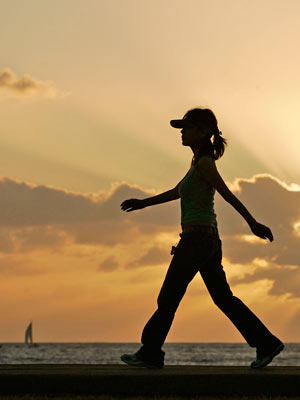
We think we know best practices for walking, but most of us don’t. We have no idea how important form and details are to keeping our bodies (and hearts!) healthy. Walking is one of the best exercises for cardiovascular health, and it’s one of the easiest programs to start and maintain. Here’s how to walk correctly.

Choose the right time of day.

Which times of day are you at your best? Decide if you’d like to walk while you’re at your peak or if you’d rather use walking as a pick-me-up during another time of day. Keep weather and lighting in mind, as you may not feel safe walking at night or early in the morning due to lack of sunlight.

Wear the right shoe.

Believe it or not, the shoe you wear can make a tremendous difference in how far and how well you walk. Shoes should be in good repair, fit well, and be comfortable. If yours aren’t, it’s time to buy some new ones. Walking shoes shouldn’t need any break-in time. If they don’t feel perfect on your feet when you put them on, try another pair.

Watch your posture.

According to Dr. Eric McGraw of Wilmington, NC’s Active Care Chiropractic, many people walk incorrectly, and it hurts the body. To prevent low back pain, swing your arms as you walk. Move in an upright position with your sternum (breastbone) raised and your abdominals tightened. Walking should feel natural and uplifting to you.

Walk heel to toe.

How you put your foot down makes all the difference in how healthy your feet, ankles, and legs will be. Incorrect walking strains and tires them, while correct walking techniques strengthen them.

The basic steps are:

  • Put your weight on your heel.
  • With a rolling motion, move your weight forward onto the ball of your foot.
  • Raise your heel and push off with the toes as your other foot comes down on the heel.

Many people move into an almost running stance when they’re walking fast. This isn’t correct technique. Keep your foot on the ground and roll forward on it before you lift it.

Pace yourself.

Don’t expect to walk five miles your first day. The trick is to walk a little more each day until you’re where you want to be distance wise. A good way to start is to pick a landmark that is challenging, but not too far from your starting point.

For example, if you live six blocks from a school, walk to the far end of the school and back and see how you feel. If you don’t feel you’ve walked far enough, repeat the path. Increase the distance every day, and you’ll be shocked at how far you come in just a few weeks.


What is a Compression Garment?

Ask the Doctor

This week, Dr. James Craigie of The Center for Natural Breast Reconstruction answers your questions.

Q: I’ve been told I might need to wear a “compression garment” after Stage 2 of my DIEP.  What exactly is that, where do I purchase it, and how long do I have to wear it.  Does everyone need to have one?

A: A compression garment is worn after body contouring to support the swollen area of the body. It is a tight fitting elastic type of under garment. Not everyone will need one. It depends on whether liposuction or fat grafting is performed. Usually it is placed on in the operating room after surgery when needed. DIEP and GAP patients may need them and they are typically provided by the hospital.  They are worn after surgery until the swelling is gone, usually around 3 weeks or more. They should be worn all the time at first and less later.

Dr. James Craigie

Center for Natural Breast Reconstruction

Have a question about breast reconstruction you’d like answered from our surgical team? Just ask us!