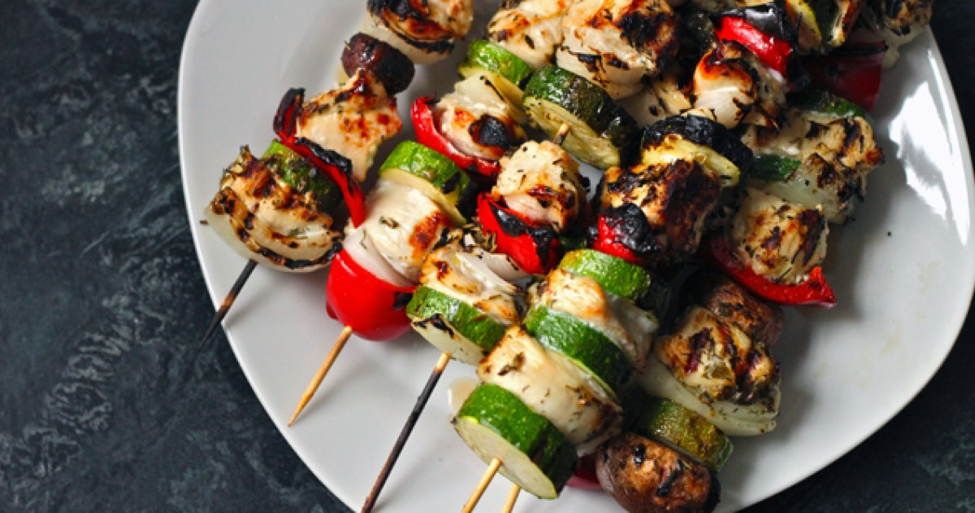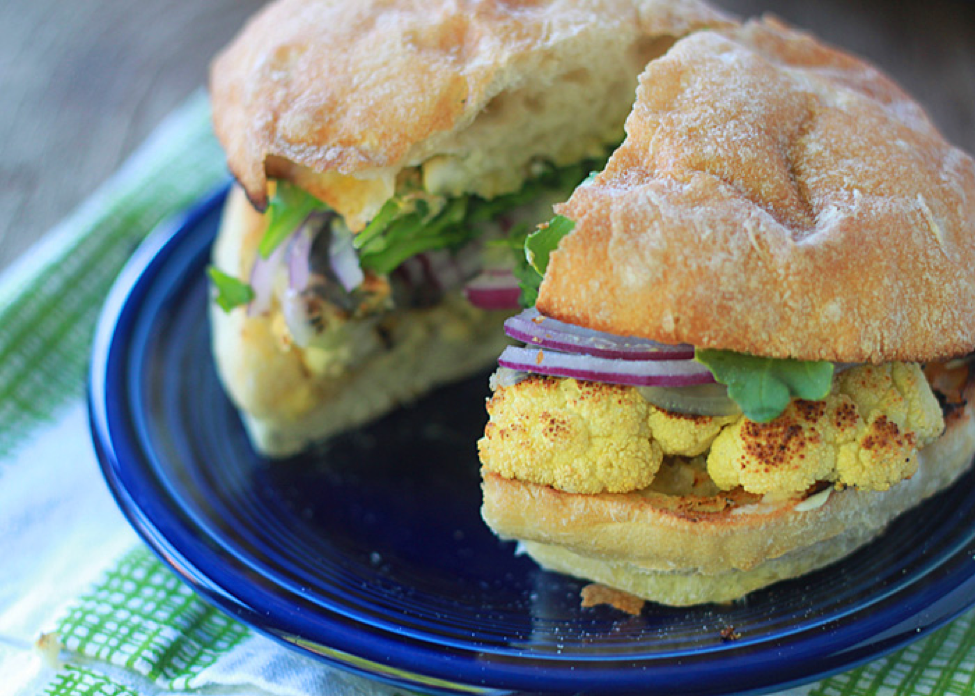
Happy Memorial Day Weekend!

Thank you, friends and clients, for your support and love! We hope you have a wonderful Memorial Day Weekend!

Have a question about breast reconstruction you’d like answered from our surgical team? Just ask us!

Meditation 101: A Beginner’s Guide to Clearing the Mind

Have you ever meditated? Those who practice meditation regularly say that it keeps them grounded, helps them focus and stay calm, and clears their minds. Others use it as a deep spiritual practice.

There is no wrong way to learn how to meditate, but for those who would like some guidance to start, here are a few ideas to get the maximum meditation benefits.

Decide why you want to meditate.

If you have a particular goal for your meditation practice, you’ll find your ideal way of clearing your mind. Do you wish to stop your day and give back to yourself? Is stress relief an objective? Have you felt the need to connect with yourself or the universe? Your reason for meditating does not need to be complex; it simply needs to resonate deeply with you.

Choose your time and place.

You want a meditation space that is yours and that you can visit regularly. Many beginning meditators make the mistake of trying to center themselves in a noisy area of their homes during a busy time for their families. It may be that you’ll need to wake up early or go to bed late to create the time to for your meditation practice.

Make the effort to be as still and silent as possible during your practice. Later, you’ll want to add some distraction to your safe place to help you get used to controlling your mind during meditation.

Be sure you are as alert as possible.

Meditation is relaxing, and it’s not always necessary for you to stay awake during your practice time, but you want to be as alert as you can be when you begin. Alcohol and medication may not be the best aids for you when meditating, but it’s even more important that you establish a regular habit, even if you’re not in an ideal place to do it.

Simply sit.

The easiest way to start meditating is to become at ease with yourself in the silence. While wearing something comfortable, go to your meditation space with a candle. Light the candle, sit in a comfortable position (but not so comfortable that you go to sleep) on the floor or in a chair, and concentrate on the flame. Try to clear your mind. You’ll find that the most powerful yet relaxing meditation occurs in the space between thoughts.

Mind your breath.

Breathe from your stomach (diaphragm), not your lungs. Inhale and exhale fully and deeply. Notice as much as you can about where you are. What scents do you detect while breathing? What does the air feel like as it enters your body? Any time you feel your thoughts wandering, and they will while meditating, come back to your breath, and focus on it.

There is no perfect way to meditate. It doesn’t matter what you wear, what you think about, or what you tell yourself. What matters is that your mind is calm and rested and you feel centered and more alive.


Have you ever done meditation for beginners?

What was your main reason for starting your practice?

Cardio: 3 New Workouts for Heart Health

You know that doing cardio is vital for good health, weight loss, and fitness, but let’s face it—walking a treadmill for an hour isn’t the most enjoyable thing you can do. However, we have some good news for you: research shows that those who do 30 minutes of cardio at least three days a week get the same fitness results as those who do 60 minutes.

We looked for some new ideas for cardio routines, and here is what we found. Hopefully, these will give you some variety and fun!

Try a new way to kickbox.

The owners of Barre Bee Fit gyms in Illinois, Ariana Chernin and Jillian Lorenz, created a new version of their Barre Brawl kickboxing class.

Warm up with a one-minute jog in place, and then go into a squat position. Alternate boxing moves for 30 seconds, and then run in place for thirty seconds with knees high. Repeat cycle once.

Stand with feet wide and knees relaxed. Hop in place and punch overhead for 30 seconds. Then plant your feet and punch high and low for 30 seconds. Do not repeat.

Kick to the front with right foot, and then do two jumping jacks. Shuffle to the right and throw a right jab. Repeat on left side and continue for two minutes.

Return to the squat position and cross punch for thirty seconds. Move into a plank position and hold, and then hop feet out and back together. Repeat once, and then repeat sequence four times.

Cool down with a one-minute jog.

To read more about this cardio workout, go to http://www.self.com/fitness/workouts/2013/03/new-ways-to-do-cardio-slideshow?slide=2#slide=3.

Switch up your current cardio workout.

If you enjoy what you’re currently doing but would like a little variety, just add something new. For example, if you jog for 30 minutes, try running for five minutes after every 10 minutes of jogging, or take a rope with you and jump for 5 or 10 minutes in the middle of your workout. If you walk a treadmill, add an incline, or speed it up to a slow jog.

Adding new cardio routines keeps you from getting bored or avoiding your workouts. Just make sure you enjoy what you’re adding, or you won’t want to do it.

Try the battle of the ropes!

Battling ropes are just what they sound like—long ropes that you have fun with and try to beat. Check out this video . . . looks fun!


What do you do when you need a change in your cardio routine?

Ask the Doctor Special Edition: BRCA+ and Preventive Mastectomies

This week, The Center for Natural Breast Reconstruction was flooded with calls and inquiries regarding the BRCA+ gene and questions regarding preventive mastectomies. Angelina Jolie’s moving op-ed in the New York Times highlighted her choice to have a double mastectomy.

For those of you who are considering this procedure, or simply want to find out more about the BRCA+ gene and whether a mastectomy is right for you, we’ve rounded up the best of our Ask the Doctor posts to help you move toward an informed decision. If you have any additional questions, please feel free to contact our office.


Should I Have a Preventive Mastecomy?
Who Can Have a Skin-Sparing and Nipple-Sparing Mastectomy and Why?
Will My Insurance Company Pay for My Mastectomy to Reduce My Risk of Breast Cancer?
What is a BRCA Test and Do I Need One?
Improving Your Self Esteem After a Mastectomy
The Latest Technology in Preventative Mastectomy Procedures
One Woman’s Journey to DO Something About Her BRCA Status


Have a question about breast reconstruction you’d like answered from our surgical team? Just ask us!

Haunted Charleston: Where Ghosts Abound

From its founding,Charleston has been a favorite setting for ghoulish tales and has more than its share of haunted buildings. Because Charleston has a history full of bloody battles and sordid scandal, spirits abound, and tourists are always keen to see ghosts.

Charleston’s Civil War history means that plenty of soldiers’ ghosts can be found near historic monuments and important war landmarks. Folly Island is popular for war ghost sightings as well as an apparition of the pirate Blackbeard. The Battery Carriage House has its share of ghosts, such as a headless torso wearing an overcoat and a male apparition (the “gentleman ghost”) that tries to get in bed with women and hug them. The old city jail is considered one of the most haunted spots in Charleston, and visitors regularly take photos of ghosts and orbs.

Possibly the most often seen ghost in the city is Zoe St. Amand, who haunts Poogan’s Porch on Queen Street. A spinster schoolteacher, Zoe used to room in the building with her sister. She passed away in the 1950s, but her ghost has been seen over 200 times, sometimes in broad daylight. Customers at Poogan’s often say they feel a presence who sits with them for dinner, and other patrons have noted that place settings were moved on tables.

Dock Street Theatre has an interesting ghost many have never heard of, but they know his son. The ghost of John Wilkes Booth’s father, Junius Brutus Booth, has walked the theater for centuries.

If you’d like to visit popular ghost hangouts, try a tour to the seamy underside of Charleston’s ghost haunts. Tour guides take you through cemeteries, dark buildings, and churches to show you the areas the ghosts frequent. You’ll hear about grisly murders, local legends, and voodoo curses. The ghost hunts and ghost tours travel to places such as the Provost Dungeon, St. Philip’s Graveyard, and the Exchange Building.

Known as Charleston’s premier walking tour company, Bulldog Tours offers a series of ghost tours, including the Haunted Pub Crawl, Ghost and Graveyard, and the Haunted Jail Tour. Another tour, the Dark Side of Charleston, takes an uncensored look at the city’s history of brothels, crime, and scandal.

If you were to take a ghost tour, what would you like to see? Graveyards, old jails, haunted theaters, or perhaps Civil War landmarks?

Houseplants: Your Key to a Stress-Free Home

HouseplanHouse plants for a stress-free homets are not merely a pretty addition to your home; they can promote good health and stress reduction. As you’ll see, there is much more to these humble, lovely plants than meets the eye.

Breathe easier and reduce stress.

We all know that plants take in carbon dioxide and release oxygen, but did you know that more oxygen in the air you breathe reduces your stress levels? When you have more oxygen flowing through your body, you feel better and have more energy.

Plants also release water into the air and increase the humidity in the room. If you have respiratory issues, that extra moisture helps you breathe easier and reduces stress on your lungs. Eucalyptus is a natural decongestant and can help your breathing.

Enjoy pure air.

Houseplants remove toxic chemicals from the air, including VOCs (volatile organic compounds), which are commonly found in furniture, paint, and carpet. Newer homes and office buildings are more airtight than older buildings are, so these toxins become trapped. The more plants, the healthier the air, which in turn reduces stress on your body because it’s not working overtime to remove pollutants from your lungs and bloodstream.

The Dutch Product Board for Horticulture found that office plants reduced illness and fatigue. A study by the Agricultural University of Norway noted that rates of illness were 60 percent lower in plant-filled offices. Not only do plants add humidity to the environment, but they also reduce dust and other airborne particles that can irritate the respiratory tract.

Recover faster.

Patients with plants in their hospital rooms recovered from surgery faster than those who did not, according to a study at Kansas State University. The patients with plants used less medication and had lower blood pressure, meaning they experienced less stress. Their hospital stays were also shorter.

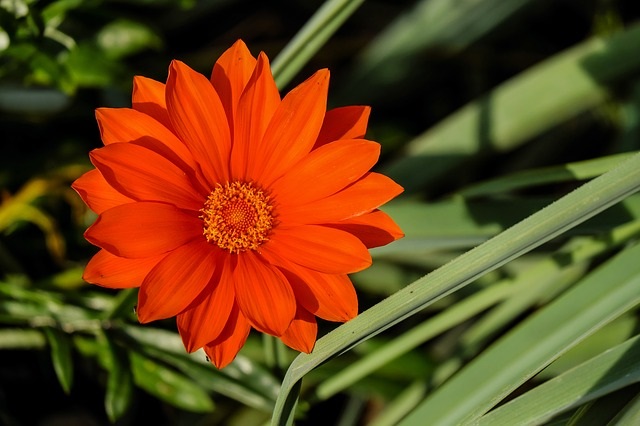
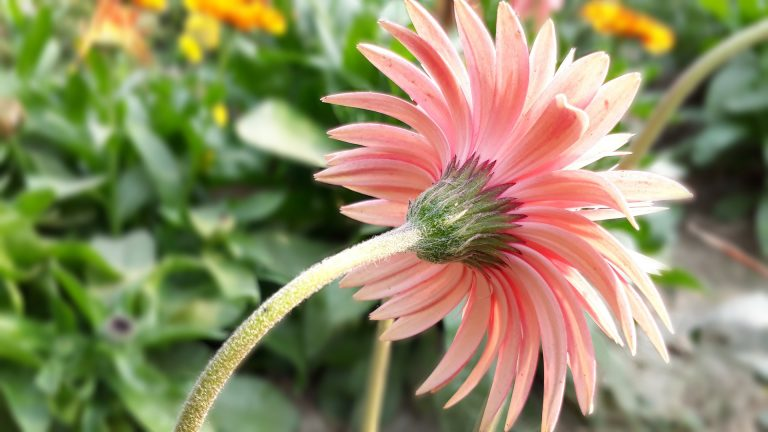
If you’re considering adding plants to your home, you’ll want to decide which plants will serve your purposes. If you wish to purify the air, try a spider plant, snake plant, or philodendron. Boston ferns and bamboo palms humidify the air, and a gerbera daisy or orchid will add oxygen to the air.

You might be asking how many house or office plants you need. It depends on what you want to accomplish. A good rule of thumb is one large plant (8-inch diameter pot or larger) or two smaller plants (4-inch diameter pot) per 100 square feet.

What do you use plants for in your home?

Can I Have an Autologous Fat Transfer After a Lumpectomy?

Ask the doctor May 9

This week, Dr. James Craigie of The Center for Natural Breast Reconstruction answers your questions.

Q: I am a stage IV breast cancer patient looking for autologous fat transfer to fill in my left breast after a lumpectomy in 2008. Can you please let me know how to proceed regarding consultation and such?

A: I would be glad to have our PA call you for more information or phone consultation. I would also be glad to see you in person if you want to come for an office visit to Charleston. I frequently see patients with similar requests.  In my opinion,  fat injections to repair lumpectomy and radiation deformities is usually not the most effective approach. There are also concerns by experts in this specialty regarding fat injections of the breast after that breast has already developed breast cancer once.

As long as the breast tissue remains then there is a risk–although very small–for the cancer to recur. That is why you still need to monitor that breast for any suspicious changes. The fat injections could make monitoring the breast more difficult and most importantly there could possibly be (not proven definitely yet ) an increase in the risk for recurrence after fat grafting. No one knows this for sure yet, but we are always careful regarding this type of safety issue. I could be more specific and talk to you about alternatives if I had more information and especially if I saw you in person. I hope this helps! Please let us know.

Q: I have BRCA mutation. I am 25 years old. I want to have mastectomies with reconstruction but don’t really know which would be the right way to go.

A:  I am sorry you are facing such a difficult decision. Fortunately, breast reconstruction after preventive mastectomies allows for more planning before surgery and usually sets the stage for the best possible breast reconstruction result.  There are several reasons for this.

One reason is more of your natural tissue can be saved. It is usually possible to keep your natural nipple and all of the normal breast skin. Other problems related to possible treatments like chemo and radiation are eliminated because the mastectomies are done to remove breast tissue and prevent breast cancer.

The techniques for breast reconstruction are generally the same following preventive mastectomy and mastectomy for cancer.  Implants are used most frequently because of availability and more rapid recovery from the initial surgery. The end results with implants tend to be less natural than with your own tissue and after the process is complete there is a tendency for the results to deteriorate with implants because they are not living tissue. Your body may reject the implants or they may leak or deflate. The results with using your own tissue are generally more natural and more permanent. We specialize in breast reconstruction using your own tissue but without sacrificing your body’s important muscles.  To be more specific about recommendations for you I would need more information. I will be glad to have our office contact you for this information, just let me know.

James Craigie, MD

Center for Natural Breast Reconstruction


Have a question about breast reconstruction you’d like answered from our surgical team? Just ask us!


Join Us for We Know Women!

We Know Women Event garden partyFor the fourth year, East Cooper Medical Center is hosting an amazing event for women of all ages, the “We Know Women Event: Garden Party” on Thursday, May 9, starting at 5:30 p.m.

This fun event features live music, health demonstrations and screenings, local vendors with products women love, and wellness discussions with doctors including a question-and-answer panel. Wine tasting and delicious food will be provided, and Babies-R-Us will host a car seat installation demonstration.

Vendors include Grill Charms, Relax the Back, Abide-While, Silpada Designs, The Foot Store, HandPicked, Jonathan Green Prints, Miche Bag, No Wheat Treats, and Whaley’s Photos. The vendors will offer discounts and a variety of giveaways.

The physicians in attendance include Dr. James Craigie and Dr. Richard Kline from The Center for Natural Breast Reconstruction, Dr. Terrence O’Brien, Dr. Ross Rames, and Dr. Lynn Crymes. Topics include breast cancer, natural breast reconstruction, heart disease, cosmetic surgery, hormone therapy for women, and bladder concerns.


The “We Know Women Event” is free, but please register by calling 843-884-7031 or by visiting http://www.eastcoopermedctr.com/en-us/cwsapps/findanevent.aspx.

East Cooper Medical Center is located at 2000 Hospital Drive in Mount Pleasant. 


Java, Java: The 5 Unexpected Health Benefits of Coffee

For years, we’ve heard physicians warn about the negative health effects of drinking coffee—making every morning cup of joe feel a little like an act of defiance.

You may have heard that coffee will raise your blood pressure, lead to heart disease, give you an ulcer, or make you diabetic. But as more research about coffee surfaces, the more it seems coffee might not be bad for you at all.

In fact, drinking coffee may indeed have some health benefits. So pour yourself a little java and enjoy—this latest research gives you the go-ahead:

Increase Your Life Span. Drink up—researchers from the National Institutes of Health conducted a study that found people who drank three or more cups of coffee a day had a 10 percent chance of living longer than their coffee-abstaining peers. From 1995 to 2008, researchers monitored 400,000 people from ages 50 to 71 years old. At the beginning of the trial, all participants were relatively healthy, with none reporting a history of heart disease, stroke, or cancer. Of that number, 50,000 passed away during the course of the trial—and those who drank coffee had a 10 percent longer life span. Researchers deduced coffee must have protected against various forms of death with the exception of cancer.

Reduce the Risk of Alzheimer’s Disease. Rejoice! The University of South Florida found that of the coffee drinkers followed over the course of four years, not one developed Alzheimer’s disease. The participants in the study were all over 65 years old and were already suffering from slight memory impairment. For those studied who did develop dementia, their blood caffeine levels were 51 percent lower than those whose cognitive impairment remained level.

Decrease the Likelihood of Skin Cancer. Harvard professor Jiali Han conducted a study with her colleagues that found that coffee decreases the risk of developing the most common form of skin cancer, basal cell carcinoma. In fact, the more cups of coffee that you drink, the greater the benefit seemed to be. Han plans to further study whether or not the link is correlative or causative.

Safeguard Against Heart Failure.Elizabeth Mostofskyfrom Beth Israel Deaconness Medical Center and her colleagues found that coffee is good for your heart—until the second American-sized mug. Before that point, however, coffee drinkers had an 11 percent decreased risk of suffering from heart failure.

Lower the Risk of Stroke. Investigators at Cleveland Clinic’s Wellness Institute and Harvard University found that drinking coffee—even decaffeinated coffee—can decrease the risk of strokes, because coffee is filled with beneficial antioxidants. When compared against soda, which elevated the risk of strokes, coffee was associated with a 10 percent decrease in stroke risk.


Celebrate the health benefits of coffee by telling us about the best cup of coffee you’ve had!

The Final Touch: Nipple Tattoo and What You Can Expect

Ask the Doctor Bonus Edition

Our discussion boards have been abuzz recently about the nipple micro pigmentation (tattoo) procedure. Kimberly Kay, PA-C of the Center for Natural Breast Reconstruction provides this comprehensive overview and answers your questions.

The ultimate goal of the reconstructive surgeon is not only to restore the three dimensional breast mound but also to recreate the nipple areola complex.  Some women choose not to undergo nipple/areola reconstruction, it’s a personal choice.

Micro pigmentation (tattoo) is used to re-create the color of the areola and nipple and is often the final step in the breast reconstruction process.   A variety of colors and color combinations are used to create a dimensional or projected look.  Here is a basic idea of what to expect:

1. The entire nipple/areola is shaded with the color you choose.

2. Then the original color is darkened with a slightly darker shade and a special needle is used to create the bumpy “Montgomery Gland” look of a natural breast. 

3. Finally, a little darker shade is used to give the nipple a projected look.

It sounds like a pretty straightforward procedure, right?  Given that the shades you can choose from are numerous, the process itself takes may require some needle changes & stroke techniques to be precise; we like for you to plan to spend at least an hour or two with us on your tattoo procedure day.

Nipple Tattoo Procedure

Be aware, the process is not always painless, so it’s beneficial that the procedure be done in a medical office setting if you think you may require a clinician to administer a local anesthetic prior to the procedure.   The addition of the local anesthetic Lidocaine with Epinephrine has the benefit of reducing bleeding at the tattoo site thus keeping more of the pigment from leaving the tissue.   And the procedure is not without risk.  You should be provided with an informed consent document prior to undertaking this procedure that outlines contraindications and possible complications (i.e. – allergic reaction, contact dermatitis, etc).

Nipple Tattoo 2

Our nurses and PA’s at The Center for Natural Breast Reconstruction receive specialized training through the PMT/Permark Training School Midwest in the Art of Nipple Areola Micro pigmentation.  Their instructor, Kathy Jones, is the Director of the Permark Training School and a board certified plastic surgical nurse with close to 20 years experience in the plastic surgery field.   Since, 1994 she has taught micro pigmentation to hundreds of practitioners in the United States and abroad and is a popular micro pigmentation lecturer.

The tattooing procedure is billed to your insurance company as a part of the reconstruction process since it is performed in our medical facility under the direction of our surgeons.  Touch up procedures may be required as some tattoos tend to fade with time, more so on scarred tissue.  If you have additional questions you’d like answered about the “nipple tattoo” process….please send them in.

Be sure to check out our gallery for more photos!

Have a question about breast reconstruction you’d like answered from our surgical team? Just ask us!