Archives for 2012

Reducing Risk: Common Factors that Affect Your Risk of Breast Cancer

breast cancer risksThe American Cancer Society estimates that the lifetime risk of a woman developing breast cancer to be 13% in 2012—more than one in 8. Furthermore, 75% of all women with breast cancer today have no known risk factors, or anything that would potentially increase a person’s chance of developing cancer.

Though having a cancer risk factor, or even several of them, does not necessarily mean that a person will get cancer, it’s always a good idea to reduce risk as much as possible. Some of the factors associated with breast cancer—such as being a woman, age, and genetics—can’t be changed. Other factors, like maintaining a healthy weight, exercising, not smoking cigarettes, and eating nutritious food, are dictated by a person’s choices. By choosing the healthiest lifestyle options, you can make sure your breast cancer risk is as low as possible, and find empowerment in your good decisions.

Family History: Though you cannot change your heritage or genetics, being aware of your family’s history means you’re more inclined to protect yourself against diseases that are prevalent in your family tree. Research shows that women with close relatives who’ve been diagnosed with breast cancerhave a higher risk of developing the disease. If you’ve had one first-degree female relative (sister, mother, daughter) diagnosed with breast cancer, your risk is doubled. If two first-degree relatives have been diagnosed, your risk is 5 times higher than average. A family history of cancer of the ovaries, cervix, uterus, or colon increases your risk. Female descendants of Eastern and Central European Jews (Ashkenazi) also face increased risk. Caucasian women are at a slightly higher risk of developing breast cancer than are African-American, Asian, Hispanic, and Native American women. The exception to this is African-American women, who are more likely to have breast cancer than whites under the age of 40. If you inherited risk, you can minimize its development by making healthy lifestyle choices, such as not smoking, adhering to a nutritious diet, exercising, and abstaining from alcohol.

  • Alcohol Consumption: Compared to nondrinkers, women who consume one alcoholic drink a day have a very small increase in risk, and those who have 2 to 5 drinks daily have a 15% higher risk than women who do not drink. That risk goes up another 10% for each additional drink women have regularly each day. (Note: one drink equals 12 ounces of beer, 5 ounces of wine, or 1.5 ounces of hard liquor). Research shows that alcohol of any sort can increase levels of estrogen and other hormones associated with hormone-receptor-positive breast cancer. Alcohol also may increase breast cancer risk by damaging DNA in cells. The bottom line is that regularly drinking alcohol can harm your health, even if you don’t binge drink or get drunk.
  • Smoking: Smoking causes a number of diseases and is linked to a higher risk of breast cancer in younger, premenopausal women. Research also demonstrates that there may be link between very heavy second-hand smoke exposure and breast cancer risk in postmenopausal women. Smoking also can increase complications from breast cancer treatment, including damage to the lungs from radiation therapy, difficulty healing after surgery and breast reconstruction, and an increased risk of blood clots when taking hormonal therapy medicines. To reduce your risk associated with smoking, the only solution is to quit smoking [http://breastreconstructionnetwork.com/stop-smoking-series-all-about-tobacco-quitlines/] immediately.
  • Diet and Nutrition: Diet is thought to be a main contributor for about 30% to 40% of all cancers. Though no food or diet can prevent you from getting breast cancer, some foods can boost your immune system and help keep your risk for breast cancer as low as possible. Getting the nutrients you need from a variety of fruits, vegetables, legumes, and whole grains can give your body the energy it needs to fight off infection and disease. Eating food grown without pesticides may also protect against unhealthy cell changes associated with pesticide use. Additionally, avoiding high-fat diets can also decrease breast cancer risk factors. Overweight women are thought to be at higher risk for breast cancer because the extra fat cells produce estrogen, which can cause extra breast cell growth and lead to the development of breast cancer.
  • Exercise: Research shows that exercising regularly at a moderate or intense level for 4 to 7 hours per week can lower the risk of breast cancer. Exercise consumes and controls blood sugar and limits insulin spikes in the bloodstream—an important preventative measure considering insulin is a hormone affects how breast cells grow and behave. People who exercise regularly tend to be healthier and are more likely to maintain a healthy weight. As we mentioned earlier, extra fat produces more estrogen. When breast cells are exposed to extra estrogen over time, the risk of developing breast cancer is higher Limiting fat in your diet is necessary for good health, and it is equally important to burn extra fat cells with exercise as an additional preventative measure.

What are some ways you combat the risk of developing breast cancer?
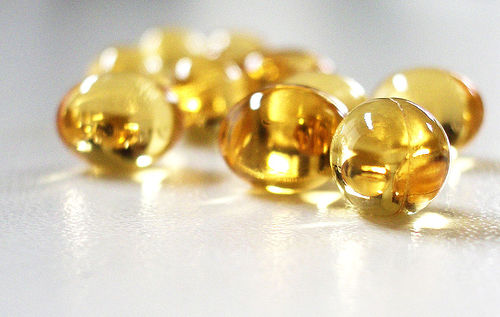
Can I Use Vitamin E on Incisions Resulting from Breast Reconstruction Surgery?

vitamin e on incisionsThe below question is answered by Charleston breast surgeon, Dr. James Craigie, of The Center for Natural Breast Reconstruction.

Is Vitamin E of any use on incisions? 

Scarguard or silicone sheeting may be a better alternative.  There are several things, scientific improvements, which helps the appearance of scars. Silicone is probably the most effective.  Silicone works by an unknown mechanism to help soften raised or severe scars regardless of how old they are.  The other technique proven to work is massage.  Topical massage can help the scars whether they are new or old and combined with silicone is probably the most useful combination treatment for difficult scars.  Scarguard is a product that contains silicone, comes in a liquid form is painted on like fingernail polish, and because of the silicone component it is effective for some scars.  Regarding Vitamin E, there have been some studies to hint that it may help with scar formation and some people find a benefit in taking vitamin E orally from a capsule or rubbing it into a scar.  However, it may be that massage is more effective than the Vitamin E.  In summary, the best answer is that all of these techniques can help.  They must be used at the appropriate time so it is always best to ask your surgeon for guidance as to when the best time to begin scar therapy would is.  Also, it is important to know that no technique will make scars disappear completely.  The goal with these treatments is either to minimize the severity of the scar or to improve its appearance.

-James E. Craigie, M.D.

Have questions about breast reconstruction options? Submit them here and get answers straight from our surgical team!


How One Woman Took Action Against Breast Cancer

Sue Young (right) pictured with Patricia Simon.

Today, the team at The Center for Natural Breast Reconstruction is honored to share with you an In Her Words post written by a dear friend, breast cancer survivor and active advocate, and the latest recipient of the Charlene Daughtry Award from Komen Lowcountry, Sue Young. She is an inspiration to all women who are facing breast cancer and proves there is strength in numbers and together we can get through anything.

 Read below for our interview with Sue.

1. You are a great advocate and an active volunteer for Susan G. Komen for the Cure  Lowcountry. Tell us what you’ve been doing to support women who are experiencing breast cancer or know of someone who is?

I’m a huge advocate of finding out everything you can about your options once you are told you have cancer.  Most people, me included, don’t really think about it until it happens to you or someone you care about.  I started volunteering with Komen after being diagnosed and reading Nancy Brinker’s book, “Winning the Race – Taking Charge of Breast Cancer”.  I was inspired to be a part of their story, their work.  Because of my diagnosis and participation, I have met and become friends with a number of people spanning all the facets of cancer.  I met doctors, nurses, volunteers, film directors, dragon boaters, comedians, politicians, fund-raisers, hospital and other medical administrators, survivors and co-survivors, and sadly, people that eventually would lose their battle.  Having met so many new and diverse people that I wouldn’t have met otherwise, when someone comes to me with questions about cancer, I can tell them what I’ve learned or connect them with people who know much more than that.  I may not be able to answer every question, but I know someone who knows.  The more you know about what you’ll deal with, the better equipped you are to make it down that “pink ribbon” road.  It’s a journey to say the least, and it is so much easier when you don’t have to take the trip alone.    I’ve always had a volunteer spirit, it’s nice to be there when someone needs you.  My mother taught us by example; she always responded when a “need” was presented.  From giving the postman a mayonnaise jar of iced water every day to raising funds to air-condition our elementary school, Mama took action.  She’s 81 and still going strong!

2. You are truly an inspiration to women who have been affected by breast cancer! Tell us how you managed to stay positive and embody the selflessness volunteer spirit while undergoing breast cancer treatment. What inspired you to keep moving forward? 

I was able to stay positive through my cancer treatments in three ways:

1.) I had an amazing support group.  My husband, Tom, was loving, caring, and understanding.  He was committed to me and my well-being through it all.  My family and friends went the extra mile, supporting my decisions, helping with the special things, and keeping the routine things in order.

2.) I had a super medical team.  Everyone, from the doctors to their staff was on their “A-game.”  They were educated, they were professional, they were caring, they were patient, they had a plan and they guided me through every step, every phase.  I felt like I was their only patient, but I knew they were being everything they were to me to others every day.

3.) Each time I started to sink into a depression, God sent someone into my life that seemed to have a bigger battle than I did.  I was reminded on more than a few occasions that I was not alone and that I had the tools to take the next step.  There was always someone that didn’t have the support group, didn’t have the medical team, didn’t get the positive answers that I got.

3. You are the 2012 recipient of the Charlene Daughtry Award from Komen Lowcountry. Tell me a little about this award and what it means to you personally.

I saw the first recipient receive the award at my first Komen Survivor Celebration in October, 2005.  I’d never met Charlene and she had already lost her battle with cancer.  I don’t know that I remember who got it the first couple of years.  It didn’t really became personal to me until  it was awarded to Lucy Spears.  I’d worked with her on a couple of Komen projects.  She was a tremendous volunteer with unending energy and drive – still is.  Bonnie Hancock received it the next year; I served on a committee with her for several years.  Again, selflessness embodied.  Gene Glave received the award last year . . . her last Survivor Celebration.  The Komen Board chose each of these women because they carry on Charlene Daughtry’s dream, her enthusiasm, her courage.  Me?  Part of this group?  I fear I don’t measure up, but I am honored, and I am humbled to be included.  Charlene, the recipients I know, and myself – our common threads?  Breast cancer, a desire to share our stories, our experience, and our courage with others.  Just like the candle-lighting ceremony at each Survivor Celebration, it’s about igniting your own light and passing it on to others.

4. What is the one thing you want all women to know about breast cancer?

Look for it!  Catch it early!  Deal with it!  Do not ignore it!  Know you are not alone.  There’s help every step of the way.

5. You have achieved so much and given back since being diagnosed with cancer. What is next for you in life? 

We’re still a few years from retirement, but that’s the next big thing.  Tom and I want to travel.  We’ve been to some wonderful places already: Jamaica, Hawaii, Barbados. We want to take some longer trips to see more of America up-close.  Of course, we’ll be planning those around small trips to Rock Hill to see my sister’s growing family.  Her third grandchild is due in March.  I want to make sure Kaylee (2-1/2), Wyatt (3 months) and G-baby #3 know they have great-grandparents and a great-aunt and great-uncle in Charleston.  I’m sure I’ll still find time for Komen.  Wouldn’t it be nice if Kaylee didn’t have to worry about breast cancer?


Mammograms: What You Need to Know

tackling reconstructionIn the spirit of Breast Cancer Awareness month, The Center for Natural Breast Reconstruction urges women to schedule their yearly mammogram. Early detection saves lives! Today we bring you an exclusive interview with Sandra Smith, Lead Technologist at the Charleston Breast Center on mammogram preparation.

Read below for our interview with Sandra.

1. What is the best time of the month to schedule my mammogram and why?

Avoid days of the month when your breasts are most sensitive. This is for your comfort. The mammogram imaging will not be affected, unlike MRI IMAGING when it is important to schedule according to menstrual cycle.

2. Should I do anything to prepare in the days prior to the exam or for the exam itself?

There is no preparation for mammography. We ask that you do not wear deodorant, which can cause artifacts.

3. Does it hurt?

No, mammograms should not hurt. Compression must be used to spread out breast tissue so abnormalities can been seen. You may feel pressure from the compression and slight discomfort, however if you feel pain let the technologist know right away.   

4. At what age should a woman schedule her first mammogram?

That depends on risk factors such as family history. The recommended age for the first mammogram is 40 years old.

5. Explain the role of the technician and the desired credentials.  

The role of the technologist is to provide the radiologist with the best quality images in a professional and caring manner. Most technologists really care about women’s health and choose to go into this profession for that reason. Additional courses and certification is required to be a mammogram technologist. Continued education is required to maintain certification.

charleston-breast-centerAbout the Charleston Breast Center

Founded in 2006, the Charleston Breast Center provides expedited and compassionate care to women who are being screened for breast cancer. For more information visit their website at: www.charlestonbreastcenter.com

Dr. James Craigie Answers Your Questions About Natural Breast Reconstruction

The below questions are answered by Dr. James Craigie of The Center for Natural Breast Reconstruction.

Do you perform a stacked combination DIEP/SGAP using both to make a breast(s)?

We do on occasion. It may be needed when one area of the body does not have enough tissue to achieve the desired result. This is an unusual situation in our practice we can usually achieve our goals with one area of the body.

There is a lot of discussion about a maximum BMI what about a minimum?

BMI is a guide line that helps the surgeon determine who is at a higher risk for complications. It is not a strict guideline and the final decision is left to the surgeons judgment among other things. Safety is our first priority and studies have definitely linked high BMI to an increased rate of complications without a doubt. Unfortunately  BMI is not a perfect calculation and different doctors may use the information differently. A low BMI is not linked to complications if someone is otherwise fit for surgery. Someone with very little body fat will have a low BMI and possibly not enough tissue to make a very large breast. This does not mean they cannot have a good result. It  may mean they require and combined or stacked flap approach. We have seen many patients who have been told they “don’t have enough tissue” but after consultation can reassure them they can get a very proportional result.

Dr. James Craigie

The Center for Natural Breast Reconstruction

Do you have a question about breast implants or natural breast reconstruction? Submit them here for an answer straight for our surgical team!

The Perfect Outdoor Workout Spots in Charleston

Outdoor workouts

Hampton Park, Charleston SC

With the Susan G. Komen Race for the Cure® just around the corner (October 20, 2012—mark your calendars!) and fall in full swing, the outdoors are a great place to get in shape for the upcoming 5k! Let Charleston’s natural beauty guide you to a fitter version of yourself and help you meet your exercise resolutions this fall. Whether you enjoy walking, running, or cycling, these incredible open-air venues will keep you inspired and coming back for more workouts:

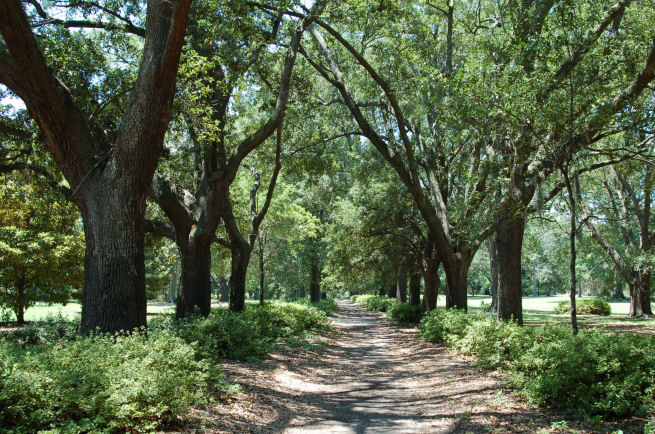
Hampton Park: Though Hampton Park today is a sprawling 60-acre public park, it was once part of the Orange Grove Plantation owned by John Gibbes in 1769. In 1835, the South Carolina Jockey Club, a group that developed the Washington Race Course on the site, acquired part of Gibbes’ plantation. Though the racetrack once attracted thousands of spectators, today the park is used for scenic outdoor recreation and events. The park is an especially popular venue for walkers, joggers, and cyclists who use the one-mile perimeter road for exercise while taking in the park’s natural serenity.

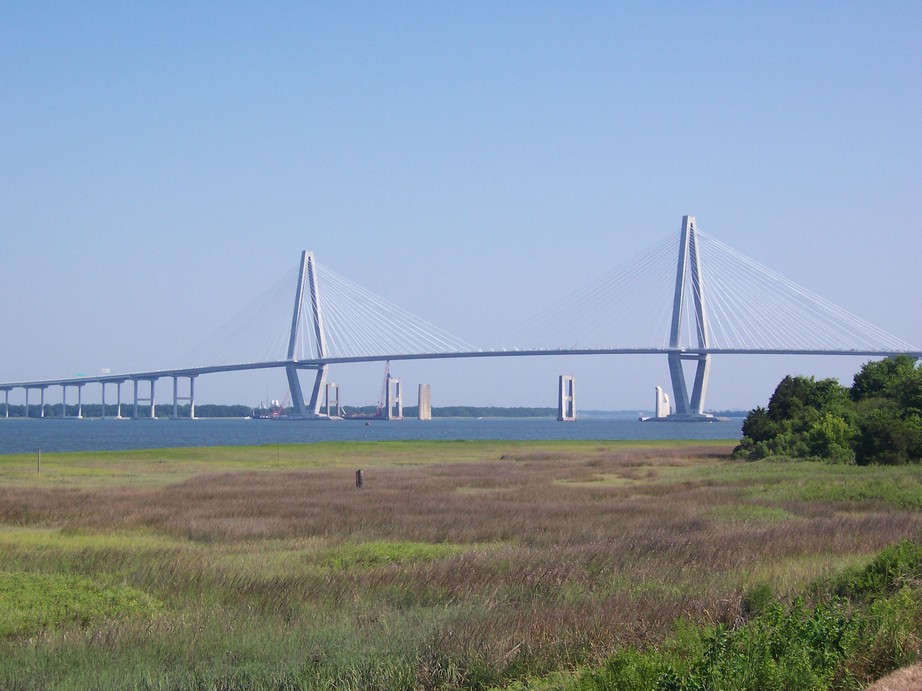
  • Ravenel Bridge: The Arthur Ravenel Bridge, also known as the Cooper River Bridge, is the perfect destination for runners and walkers who thrive in a more urban setting. The eight-lane cable bridge stretches over the Cooper River, connecting downtown Charleston to Mount Pleasant with a total span of 13,200 feet. As you run over the tranquil river, you can watch ocean freighters pass under the bridge on the way to the Port of Charleston.
  • James Island County Park: Enjoy the natural beauty of James Island County Park while you train! Just a short drive from downtown Charleston, the 643-acre park offers an abundance of natural beauty. Take in the grassy open meadows and explore the miles of paved trails perfect for walking, biking, and skating. The park even has an off-leash dog park for your four-legged companion. Park hours in October are from 8:00 A.M. ET until sunset.

So get outside and enjoy the fall weather! After all, exercise is one of the easiest ways to maintain your health after breast cancer or to lower your chances of developing cancer.

Join Us for BRA Day USA

bra dayCome celebrate our first BRA Day USA on Wednesday, October 17, 2012 aboard the dockside Carolina Belle on 10 Wharfside Street, Charleston, SC ! We’re happy to promote Breast Reconstruction Awareness Day, or BRA Day, which is an initiative designed to increase education, awareness, and access regarding post-mastectomy breast reconstruction.

Created to inform women of their choices and options for breast reconstruction, the campaign also strives to make reconstructive education and services available to all women, regardless of age, financial status, or race. Studies show that 7 out of 10 women are never informed about post-mastectomy reconstructive surgery, and the statistics are even lower for minorities. However, with BRA Day events appearing all over the world, hopefully those numbers will soon be a thing of the past.

Though BRA Day initially launched in Canada, it quickly became an international campaign and grassroots collaboration between plastic surgeons specializing in breast surgery, nurse navigators, medical device industry representatives, breast cancer patients and families, and breast cancer support groups. Together, these participants coordinate BRA Day events that include question and answer sessions, lectures, flash mobs, fundraising parties, advertising campaigns, and community events.

The Center for Natural Breast Reconstruction team couldn’t be prouder to host our own BRA Day event for the first time this year, or to raise awareness of a cause we so firmly believe in. Help spread the word about reconstruction options, and join us for a little retail therapy, some great food, and outstanding prizes. Admission is free but limited to the venue capacity of 250.

To secure your spot, be sure to RSVP to info@naturalbreastreconstruction.com. We’ll see you on the Carolina Belle Wednesday, October 17th!

Out of State Patients Considering Breast Reconstruction in Charleston

Out of Sate PatientsThe below question is answered by breast surgeon, Dr. Richard M. Kline Jr., M.Dof The Center for Natural Breast Reconstruction.

Is it reasonable to consider DIEP surgery in Charleston, S.C. when I live in Savannah, Georgia? How long after DIEP surgery before I can travel home to Savannah, GA.? Furthermore, during post- op course how often would I have to travel back to Charleston?

Hello,

We’ve had patients come from as far as California and Washington state, so I think it’s very reasonable to consider coming from Savannah. We need to see you the day before surgery, the hospital stay is typically 4 days, and ideally you’d stay in town 2-3 more days. If you have a local plastic surgeon who is supportive of you traveling for surgery and can help with some of the aftercare, that would be very useful. I’d be happy to discuss things with you in more detail by phone, or our nurse Chris or PA Kim can talk to you, if you wish.

Have a great day!

Richard Kline

Center for Natural Breast Reconstruction

American Cancer Society Hope Lodge Carol Grotnes Belk Campus—Charleston

We have had several of our out of town patients recover at the ACS Hope Lodge downtown.

What does the Hope Lodge facility offer guests?

Image Above Taken From: www.cancer.org

  • Guest rooms with private baths
  • Telephones and televisions with cable and DVD players in each room
  • Large kitchens furnished with appliances, dishes, utensils and individual shelf space for each suite
  • Guest computers with Internet access for laptops
  • Free transportation to guests provided through the hospitals
  • Common areas with games, books and magazines
  • Educational materials for guests in a Cancer Resource Center
  • Encouragement from staff, volunteers and other guests
  • A healing garden with a patio and large screened in porch
  • A handicap elevator from the parking lot, as well as an elevator inside the Hope Lodge

For more information on the Charleston ACS Hope Lodge and to see if you qualify as a guest visit their website today!

Have questions for our surgeons? Submit your questions today and get answers straight form our surgical team! No matter where you are in your reconstruction process, we are here to help!


Shop Local and Support Breast Reconstruction Awareness!

As you might already know, the month of October is National Breast Cancer Awareness Month! And our team couldn’t be prouder to reside in Charleston, where compassion and community-support is never in short supply.

All over our historic city, local businesses have donated raffle items for BRADayUSA, an event happening  designed to promote education, awareness, and access regarding post-mastectomy breast reconstruction. The proceeds from the event will go to the East Cooper Hospital Volunteers to assemble post-op care bags for all breast reconstruction patients upon discharge from East Cooper Medical Center.

Check out these local shops, boutiques, and businesses next time you go out for a little retail therapy! Shopping locally supports your community’s economy, and when you patronize these businesses, you join their charitable efforts in the fight against breast cancer.

So grab your purse, and hit the town! Here is your guide to good karma and great local shopping by the location:

Downtown

LulaKate

Stella Nova

Finicky Filly

One Respe’ Wellness Center


West Ashley

Charleston Collections Gifts

Party&Paint Charleston

Paul Baron MD/Cancer Specialists of Charleston

Cynthia Sunde & Robin Hoffman – Premier Designs Jewelry – Independent Distributors

Summerville

Radberry Nails

Mount Pleasant

East Cooper Medical Center

Lowcountry OB/GYN – &  Lisa Henderson, Laser Technician

Chantilly Lingerie


Daniel Island

Paisley


James Island

Beba Luxe


Other:

The Little Black Book for Every Busy Woman

Yes Ma’am Tee


The Center for Natural Breast Reconstruction is overwhelmed with gratitude for these sponsors and their commitment to making a difference in our community! For info on BRAdayUSA events happening across the country check out www.BRAdayUSA.org

To learn more about our BRADayUSA on Wednesday, October 17, 2012, visit our Facebook Event page here. Be sure to join us aboard the Carolina Belle to celebrate the event with delicious food and outstanding prizes! Just RSVP to info@naturalbreastreconstruction.com.


Breast Cancer Awareness Month: Where Will We Be?

Join The Center for Natural Breast Reconstruction throughout the month of October for National Breast Cancer Awareness Month! Our team will be attending all the collaborative events around Charleston that promote breast cancer awareness, share information on the disease, and promote treatment and reconstructive services.

Although many incredible strides have been made in breast cancer awareness and treatment, there remains much to be accomplished. Become part of the national dialogue on breast cancer, and help women around the world get informed about breast health when you join us for these special events:

  • BRA Day USA: Come celebrate our first BRA Day USA on Wednesday, October 17, 2012 aboard the dockside Carolina Belle on 10 Wharfside Street, Charleston, SC. BRA Day is an initiative designed to promote education, awareness, and access regarding post-mastectomy breast reconstruction. BRA Day USA is a collaborative effort between The Center for Natural Breast Reconstruction, plastic surgeons specializing in breast surgery, nurse navigators, medical device industry representatives, breast cancer patients and families, and breast cancer support groups. Join us for a little retail therapy, some great food, and outstanding prizes. Admission is free but limited to the venue capacity of 250. To secure your spot, be sure to RSVP to info@naturalbreastreconstruction.com.
  • Komen Race: The largest sequence of 5K run / walks in the world, the Susan G. Komen Race for the Cure®.  Series benefits education, research, and treatment programs for breast cancer. Three-fourths of the money raised by the Lowcountry Affiliate is invested into local projects, while the remainder supports national research programs. The 2012 Komen Lowcountry Race for the Cure® takes place Saturday, October 20, 2012 at the Family Circle Tennis Center in Daniels Island, SC. Enjoy the option of running or walking—by yourself or with a team—or you can sleep in for the Cure. Registration fees are $25 for individuals, $20 for team members, and $35 for sleepers. The registration fee includes the official Komen Race for the Cure® t-shirt and bib. If you’re a breast cancer survivor, let the organizers know, and you’ll receive a pink survivors t-shirt, hat, and bib! Check out www.KomenLowcountry.org to register and be part of an extraordinary cause!
  • Annual FORCE Conference: From October 18–20, 2012, we’ll be in Orlando, Florida for FORCE’s Against Hereditary Cancer Conference, a forum on hereditary breast and ovarian cancer. Join us as well as cancer survivors, high-risk individuals, those with a BRCA gene mutation or family history of cancer, and health care providers who treat high-risk patients. The conference will feature keynote speakers, exhibits, receptions, support groups, health and well-being assessments, and even a pool party! Come join the fun and learn more here: http://www.facingourrisk.org/events/annual_conference/index.php.

Which of these events will you attend this month? Let us know in the comments section and we’ll see you there!