Archives for 2014

Help! Is This Long-Term Pain After Breast Reconstruction Normal?

DIEP flapThis week, Dr. James Craigie of The Center for Natural Breast Reconstruction answers your questions when considering reconstruction or pain after reconstruction.

Q: I had flap surgery in October 2010. Since then, I have experienced pain to the touch in that area, all day, almost every day. Is this normal? 

A: I’m sorry you are having pain in your reconstructed breast. If you have not had your surgeon examine you, that should be your first step to get to the cause of the pain. After breast reconstruction is completed, the new breast should not be painful.  Some people who have implant reconstruction can have pain related to capsular contracture or implant rejection.

If I had more details about your situation, I could possibly give you more information. I would strongly recommend that you make sure your surgeon and or oncologist thoroughly look in to the cause of the pain. I would also not wait a long time to do this. Let me know if you would like to give me more info.


Q: I’m considering breast reconstruction. How long will it take for breast to look normal? What are the differences in the different types of procedures?

A: Thank you for your question. All types of breast reconstruction require time to complete and almost always more than one surgery. Depending on the circumstances, some patients may require chemotherapy and/or radiation. If this is the case, treatments can delay the completion of the process. I tell my patients to allow 3-6 months after any procedure for the results to settle and swelling to resolve.

There are generally two types of reconstruction: implant reconstruction and reconstruction using your own tissue. Implants are generally less natural and for some patients, the results are less permanent. Using your own tissue can be grouped into procedures that sacrifice muscles in the body and those that preserve muscle and use only skin and fat. The latter muscle-sparing procedures are our specialty and require expertise in a specific type of microsurgery.                

I hope this helps! Let me know if you need more info.

Dr. James Craigie

Center for Natural Breast Reconstruction

Have a question about breast reconstruction you’d like answered from our surgical team? Just ask us!


Enjoy Charleston’s Hot Spots

Charleston has so much to offer, and so many places to choose from, that we couldn’t pick just a few things for you to try. So we decided to create a quick list for you. We know you’ll find several places here that will show you a good time. We love Charleston because of its diversity—at all hours of the day, something is going on.

We don’t define “hot spot” as just a nightclub—we find that fun and unusual activities are great hot spots. Have fun looking through the list! For more information on these places, try the Charleston Area Convention and Visitors Bureau at www.charlestoncvb.com.

We hope you enjoy the list! You’ll see everything from the USS Yorktown Ghost Tour to O-Ku Sushi. Everything is in alphabetical order. Happy hunting and happy exploring!

Restaurants

Charleston Crab House: http://www.charlestoncrabhouse.com

Charleston Grill: http://www.charlestongrill.com/web/ochg/charleston_grill.jsp

Coast Bar & Grill: http://coastbarandgrill.com

Husk Restaurant: http://www.huskrestaurant.com

Kaminsky’s Baking Company: http://www.kaminskys.com

O-Ku: http://www.o-kusushi.com

Peninsula Grill: http://www.peninsulagrill.com

Spirit Line Dinner Cruise: http://www.spiritlinecruises.com

Sticky Fingers Smokehouse: http://www.stickyfingers.com/default.aspx

The Victor Social Club: http://www.huskrestaurant.com

Tommy Condon’s Irish Pub & Seafood Restaurant: http://www.tommycondons.com

Virginia’s on King: http://www.holycityhospitality.com/virginias-on-king


Bars and Nightclubs

Bay Street Biergarten: http://baystreetbiergarten.com

Boone’s Bar: http://www.boonesbar.com

Craftsmen Tap House: http://www.craftsmentaphouse.com

High Wire Distilling: http://www.highwiredistilling.com

Holy City Brewing: http://www.holycitybrewing.com

Kudu Coffee and Draft Beer: http://www.kuducoffeeandcraftbeer.com

Market Street Saloon: http://www.marketstreetsaloon.com

Pavilion Bar: http://www.marketpavilion.com

Proof: https://www.facebook.com/proofcharleston

SC Bar Car: http://www.scbarcar.com

The Cocktail Club: http://www.thecocktailclubcharleston.com

Vendue Inn Rooftop Bar: http://www.vendueinn.com


Fun Activities

Bulldog Tours: http://www.bulldogtours.com

Caw Caw Interpretive Center: http://www.ccprc.com

Charleston Water Taxi: http://www.palmettocarriage.com

Drayton Hall: http://www.draytonhall.org

High Wire Distilling: http://www.highwiredistilling.com

Lowcountry Helicopters: http://www.tours-charleston.com

Nature Adventures Kayak and Canoe Outfitters: http://kayakcharlestonsc.com

Palmetto Carriage Works: http://www.palmettocarriage.com

Say Charleston Tours: http://www.tours-charleston.com

Schooner Pride Private Charters: http://www.schoonerpride.com

South Carolina Aquarium: http://www.scaquarium.org

USS Yorktown Ghost Tours: http://www.yorktownghosttours.com

Shopping

Big T Coastal Provisions: http://bigtcoastalprovisions.com

Blue Bicycle Books: http://bluebicyclebooks.com

Butterfly Consignment Boutique: http://www.butterflyconsignments.com

Charleston Cooks! http://www.mavericksouthernkitchens.com/charlestoncooks

Colonial Candle: http://www.colonialcandle.com

Ellis-Nicholson Gallery: http://www.ellis-nicholsongallery.com

Food for the Southern Soul: http://www.foodforthesouthernsoul.com

George C. Burlant & Co. Antiques: http://birlant.com

Paulo Geiss Jewelers: http://www.geissjewelers.com

Sam’s Closet: http://www.samsclosetonline.com

Tanger Outlet Center: http://www.tangeroutlet.com/charleston

The Brass Pirate: http://www.thebrasspirate.com


Now we want to hear from you! Tell us your favorite thing to do in Charleston, and tell us why on our Facebook page.

In Her Words: Deidre Dixon

The Center for Natural Breast Reconstruction is so proud to publish this moving essay from Deidre Dixon, survivor and a source of inspiration. Thank you Deidre for sharing your story with the world.

Today is the 1-year anniversary of the first in a series of 4 surgeries I underwent last year to reduce my risk of breast cancer and to be reconstructed using my own tissue. The (most likely) final surgery was December 6, although nothing compared to the initial one, which involved arterial grafting, lasted 12 1/2 hours and included a visit to ICU.

Now, one year out, with a risk level at 3% rather than 62, I can’t help but reflect on the incredible year that has just ended. When people spoke at Thanksgiving of the many things for which they were thankful, I realized there were many little things I previously took for granted which I had never considered as being worth the slightest attention. That has all changed.

I will never think of those think of these most basic things as being less than a blessing. And I feel that I should, in celebration of having reached this point, mention a few.
I am thankful for being able to:

1. Pull open a door on my own
2. Take a bath
3. Take a walk
4. Raise my arms above 45 degrees
5. Reach up or bend down to get something off the floor
6. Drive a car
7. Use my hands to support my weight
8. Do anything without being absolutely exhausted
9. Zip my own zipper when it is in the back, or
10. Pull anything over my head or spend an inordinate amount of time selecting my clothes based on whether I can actually put them on by myself

I hope I never forget what a gift that even the most basic things can be, when you suddenly are without them. And I hope I never forget what a blessing my friends are and have been throughout this experience.

Breast Reconstruction Surgery: What Can I Expect In Terms of Nerve Recovery?

breast reconstruction

This week, the Charleston breast surgeons with The Center for Natural Breast Reconstruction answers your questions.

Q: How long does it take for nerves to recover and for full skin sensation to return after reconstructive surgery?

A: During any surgery, numerous sensory nerves, generally too small to have names, are invariably cut. Depending on the extent of the surgery, this can result in numbness of the skin or other areas. This is not typically regarded as a complication, but rather an essentially inescapable result of making an incision in the body. Most of the little divided nerves literally “wither away,” and other sensory nerves eventually grow in to take their place, restoring sensation once again. This process can take anywhere from a few months to 1 – 2 years. There is no limit on how late sensation can be regained, but the longer, beyond 1 – 2 years numbness, lasts, the less likely it is that sensation will spontaneously return. Occasionally, numbness can persist indefinitely, although this is uncommon.

In addition to numbness, other symptoms such as discomfort, hypersensitivity, or chronic pain can also result as a consequence of nerve damage following any surgery. Thankfully, these complications are much rarer then numbness. While it can be very difficult to ascertain exactly what mechanism is causing discomfort, some possibilities include traction or tethering of nerves by scar tissue, or formation of a “neuroma,” which is a painful little ball of tissue at the end of a regenerating nerve.

Nerves irritated by adjacent scarring may be helped by massage, injection of local anesthetics, or simply the passage of time. Neuromas, which are thankfully extremely rare following breast surgery, usually result in pain when pressure is applied to a very specific location, and can be much harder to treat. Surprisingly, additional surgery is often not effective in treating these rare cases of chronic pain, and referral to a Pain Therapist for injectable nerve blocks may be the most effective option.

Dr. Richard M. Kline and Dr. James Craigie

Center for Natural Breast Reconstruction

Have a question about breast reconstruction or post-surgical care you’d like answered from our surgical team? Just ask us!
Buon Appetito! Our Favorite Italian Restaurants in Charleston

Italian cuisine is the perfect blend of spicy and comfort foods, and Charleston has more than its share of excellent restaurants. Here are our top three picks and what they have to say about themselves on their websites, including a sampling of their food…

Mercato, 102 North Market Street

“Buona Sera! Your table is waiting. Settle into a plush leather booth downstairs or ascend an illuminated staircase to the serene elegance of seating upstairs under the dome. Or, join us at the long, European inspired marbled bar, bathed in the golden glow of deco chandeliers, where you can start the evening with Martinis, Bellinis and Italian-Inspired Handcrafted Cocktails while listening to the finest in live jazz.

Mercato provides the colorful setting for an intriguing blend of Italian regional culinary styles. The restaurant’s two levels are framed by richly-hued Venetian plaster walls, and the banquets and chairs are covered with Italian leather in the same browns and Tuscan reds. A 1950’s Italian chandelier hanging from the dramatically-domed second-floor ceiling illuminates a menu designed to appeal to those in the mood for specialties of the house including:

  • Local Shrimp and Blue Crab Risotto with Sautéed Leaks and Sweet Corn
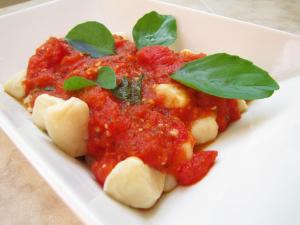
  • Housemade Potato Gnocchi with Sausage & Fennel Ragu
  • Pork Osso Bucco over Anson Mills Creamy Polenta with a Citrus Gremolata & Natural Pork Jus
  • Pizza with delicious toppings such as Prosciutto and Arugula or Sausage & Peppers “

Bocci’s, 158 Church Street

“Bocci’s Italian Restaurant, located in the historical downtown market area of Charleston, is locally owned and has been in operation since 1990. Over 20 years of business has made Bocci’s a staple for locals and visitors alike. Upon entrance, guests are swept away by the classic Italian, open air trattoria style décor.

The menu provides the perfect balance of rustic, old world Italian favorites and creative, Mediterranean influenced specials. Featured items on the menu include the Tuscan Duck,

Traditional Parmesans, Grilled Salmon Insalata, Chicken Picatta and made to order, 9 inch thin crust pizzas.

The wine list has been hand selected to provide the perfect pairing for your meal. While the wine list has a heavy Italian influence, many other areas of the world are featured as well. Bocci’s wines cater to every guest, whether you are looking for a great value, or a reserve bottle for a special occasion.”

Indaco, 526 King Street

“Indaco, Italian for ‘indigo’, serves rustic Italian fare keeping the country’s tradition of caring at the restaurant’s core. Located on Charleston’s upper king street, executive chef Michael Perez is at the helm.

Indaco promises excellence from its kitchen, which boasts wood-fire grills, ovens and rotisseries. Rustic entrees, wood-fire pizzas, pastas, housemade salami and house-cured sausages and meats fill the restaurant’s menu. In addition to the a la carte menu, a family-style menu created by Chef Perez allows guests to enjoy the full spectrum of Indaco and partake in the dining customs of Italian cuisine.”

What’s your favorite Italian restaurant in Charleston?

How to Deal With Spring Allergies

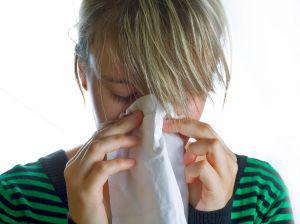
If you suffer from spring allergies, this time of year is simply miserable for you. Your eyes and nose are constantly running, your ears are plugged, your throat is itchy, and you just want to stay inside for three months. While over-the-counter antihistamines and allergy sprays help, they merely cover the symptoms. We’ve found a few tips to helping you get through this season.

Know what you’re allergic to.

Many who have spring allergies assume they know what they’re allergic to, and they’re usually right. But what if you have multiple allergies, or you’re not sure what’s causing your symptoms?

Have an allergy test to find out. Here’s what WebMD has to say:

“’The allergy skin test is the quickest, most inexpensive, and most accurate way to find out what you are allergic to, whether it’s mold, grass pollen, or a type of weed,’ says Neil Kao, MD, an internal medicine physician specializing in allergy and immunology at the Allergic Disease and Asthma Center in Greenville, S.C.

Talk with your primary care doctor or an allergist. Both can give you an allergy test. The skin is pricked slightly to allow an allergen, such as grass or mold, to enter the outer layer; after about 15 to 20 minutes, the physician will check for a reaction, such as hives or redness and swelling, which will identify the specific allergen causing your symptoms.”

Watch the pollen counts.

If your local news doesn’t offer pollen counts daily, use the WebMD Pollen Counter to find out which allergens are high.You’ll know when it’s safe to be outside (the early morning and evening are the safest times to be out), and can plan your time accordingly.

Keep it clean.

In addition to any medications you choose, you can help your allergies by physically separating yourself from the allergens. During the day, keep windows closed to keep pollen out of your home. But what if you want or have to go out?

Dr. Kao from WebMD says, “After you come inside on a nice spring day, you are literally covered in allergens. You track it through your house, and worse, you get in bed covered with the pollen or grass spores that make you congested. Guess what? Now you are going to lie in it for eight hours and wake up feeling miserable.”

Washing and cleaning your home, bedding, and clothes will help keep your home’s pollen count down. Take a shower after you’ve been out and change into fresh clothes to prevent exposing others to pollen.

Keep it simple.

Sometimes all you need is a saline solution in your nose to wash out the allergies. A spray bottle or neti pot will help you keep your nostrils squeaky clean and suffer fewer bouts with runny nose and sneezing.

What are your best tips for dealing with spring allergies?


What can I expect during a DIEP / GAP free flap breast reconstruction?

This frequently-asked question comes center stage again for 2014, and we At the Center for Natural Breast Reconstruction, we are here for you and your questions. Feel free to Contact Us anytime!

What are the stages involved in DIEP / GAP free flap breast reconstruction?

The stages of breast free flap reconstruction at our facility can vary depending upon what time in the treatment process we initially meet the patient. The best scenario occurs when the treatment is mastectomy, alone. In those patients, we are able to discuss a skin and possible nipple-sparring mastectomy. This approach means that there is a possibility that the patient would only require one step, although most women are not opposed to a second stage when liposuction, “body contouring,” is involved. Many patients do not have this opportunity, so for them, this process usually involves three stages.

The first stage, being the most involved, is the “technical” stage—the microsurgery element.  After meeting with one of our physicians and discussing the best donor site tissue (tummy, buttocks or inner thigh) the process begins and we relocate the tissue to form a new breast mound. Only the donor site fatty tissue and the blood vessels that nourish that tissue are removed. NO muscle is sacrificed. This blood supply is separated from the body and reconnected to the vessel in the chest wall that once nourished the native breast.

Since the new breast mound is solely relying on the tiny vessels we reconnected initially, we keep you in the hospital for four days to monitor the blood flow into the relocated tissue. This stage of the procedure can require about a six to eight week recovery period, depending upon healing. It varies greatly when women are feeling well enough to return to work or resume the activities they enjoyed prior to surgery.

About three months after Stage One, we may begin discussing each specific patient’s Stage Two.  Three months is the minimum amount of time that we allow. In some cases, we recommend waiting slightly longer than three months (example: radiated tissue, healing issues, or unilateral reconstruction).

Stage Two could be described as the “plastic surgery” side of the breast reconstruction. This is the stage where we fine tune everything that was accomplished in the first procedure, and attempt to improve upon your concerns and how clothes fit. During the first stage, we try our best to achieve symmetry between the two breasts, but sometimes the doctors are limited on the shaping that they are able to accomplish because of the microsurgery portion. Stage Two is about improving symmetry between the two breasts, re-building a nipple if needed, and improving the donor site. This is usually an outpatient hospital procedure but, on the rare occasion, the patient may need to stay overnight.

The procedures performed during this stage vary from person to person, according to their needs. Recovery time varies, too. It could be as little as a day or two weeks, according to the procedures that need to be performed to achieve your desired result.

Three months after your second stage, it is time for your areola tattoo, Stage Three. Women who were able to save their nipple / areola complex at Stage One do not require this stage and are complete at Stage Two. The tattoo is performed in the office under local anesthesia. There is really nothing to this phase. You may drive yourself to the office and expect to be out in one to two hours. It’s really a lot like a social visit and other than exposing your newly tattooed area to public bodies of water like swimming pools, lakes or beaches, there is not much aftercare to speak of. Simple local wound care is all that is required. The risks are minimal and infection and complications are rare.

Many women think of the tattooing as the final hurdle. The best comment I’ve heard was from a woman who stated that after the tattoo healed, she got out of the shower one day and upon looking in the mirror, felt like everything was behind her.

A few other things to keep in mind:

  • Scars look their worse at about three to six months, from that point they should steadily lighten and become less noticeable. It’s hard, but be patient. It takes a while for scars to fully mature and everyone is different.
  • You’ll meet with your surgeon and discuss the best case scenario for you and how to get your breast reconstruction accomplished in as few steps as possible. It is important, even though you are plagued with so many other physicians and concerns, to meet with your surgeon before you have your mastectomy to keep the surgical stages to a minimum. At this point, we’re able to discuss with you your breast surgeon incision site techniques and helpful concepts to improve you final outcome. We also ask your surgeon to weigh the amount of breast tissue removed. It helps for our reconstructive surgeons to know how much breast tissue was removed with your mastectomy and use that number to work toward  rebuilding your new breast, hopefully achieving a symmetrical result earlier in the process to minimize the number of surgical stages.
  • Most patients after the first stage have breast mounds and feel comfortable in clothing. If they must delay State Two of their procedure to undergo chemotherapy, build up time off from work, or just desire time with their family, they are not on a time restriction. (Do keep in mind your deductable.)
  • Vanity is not even a consideration in the breast reconstruction process and these surgeries are not cosmetic plastic surgical procedures. It all comes down to trying to get your body back together and make you as happy as possible, so you can move forward with your life and not have the reminder of everything that you have been through and overcome.
  • Procedures in the breast not affected by breast cancer are insurance covered reconstructive procedures, too. When patients have unilateral reconstruction, achieving symmetry is a little bit more complicated. We have to let the newly relocated tissue settle and heal. The second stage surgical procedures in this case can include, breast lift, reduction, and / or minor procedures to fine tune and attempt to achieve symmetry between the native and reconstructed breast.

We like our patients to discuss with us the things that bother them about their reconstructive result. There are usually things we can improve upon, whether it’s a local procedure in our office or an additional stage. The three stages described in this piece are an outline to the overall process.

Breast reconstruction cases vary and affect each individual differently based upon a number of factors. Some people require one stage and others two or three outpatient or minor procedures to return their bodies back to where they are comfortable and confident.  After you overcome the first stage, the rest are just fine tuning by standard outpatient procedures and local procedures. It is all about making you as comfortable and confident as possible.


Charleston’s Springtime Events You Don’t Want to Miss

Like anywhere else, Charleston wakes up in the spring, and the events begin. We’ve found several we think you will enjoy.

Every Friday and Saturday from March through December, 6:30 p.m. to 10:30 p.m., Historic Charleston City Market

Evenings in the Market

The Historic Charleston City Market hosts local artists, food vendors, and designers every Friday and Saturday night in its Evening Art Market. Come on down! Artists, food vendors, photographers, and designers, who live in South Carolina are eligible to participate, so be sure to fill out a vendor application if you’re interested in being featured.

For more information, see the Historic Charleston City Market website.

Thursdays in March, 7 p.m. to 9 p.m., Tabbuli Grill

White Haute Nights

Tabbuli’s fashion and style gala continues in March. You’ll sit back and enjoy the new designs from Alexandra Styles, who has styled A-List Hollywood celebrities and had her original designs featured in Harper’s Bazaar and Vogue.

To learn more, please visit the Tabbuli Grills’ website.

March 15, 9 a.m. to 3 p.m., The Charleston Angler

Fly Fishing 201 Schools

Fly Fishing 201 is offered once a month, and the cost is $75 for an all-day class plus lunch and tackle. Your instructor, Capt. John, will show you how to select flies, tie knots, and cast flies. These classes are a big hit among new and seasoned anglers alike. Class size limited to 10 participants.

To discover more, visit The Charleston Angler’s website.

Wednesdays in March, Charles Towne Landing State Historic Site

Krav under the Oaks at Charles Towne Landing

Kick your fitness routine into high gear with Charleston Krav Maga and MMA’s four-week “Krav Under the Oaks” boot camp at Charles Towne Landing. Krav Maga is the official self-defense and fighting system of the Israeli defense forces. You’ll learn not only how to protect yourself and others, but at the same time, you’ll get into tip-top shape.

Dates in March are 3/5, 3/12, 3/19, and 3/26. To buy all 4 classes is $60, and one class is $20 prepaid and $25 at the door. Register online at www.CharlestonKravMaga.com/BootCamp .

For more information, see the Krav Under the Oaks website.

March 29, 12 p.m., Brittlebank Park

Spring Jam Music Fest

Presented by 105.5 The Bridge, the 2nd Annual Spring Jam Music Fest offers two stages, ten bands, and side-show performances. The lineup includes Augustana, best known for the songs “Boston” and “Sweet and Low”, The Wild Feathers, Saints of Valory, Kopecky Family Band, The Dead 27s, Brave Baby, The Weeks, Space Capone, Possum Jenkins, and Death of Paris.

Tickets are $25 in advance and can be purchased online or at Bottles (610 Coleman Blvd, Mt Pleasant). Tickets will be sold for $33 at the gate.

To learn more, visit the Charleston Visitors’ Bureau website,or the Spring Jam Music Fest’s website.

Tell us about your favorite springtime event!

15 Quick Health Tips

Health tips come in many forms: blogs, pamphlets, and magazine articles, to name a few. We like quick, actionable tips we can run with immediately, so here are a few of our favorites. We hope they’ll help you take charge of your health and enjoy your life even more.

Drink plenty of water.

Get your eight glasses every day, and watch your skin become smoother, your eyes shine brighter, and your entire body function better. Some will say you need half your weight in ounces a day instead of the 8 glasses, so if you weigh 120 lbs, you’ll need 60 ounces a day, which is about 8 glasses.

Quit tobacco.

The cigarette and chewing tobacco companies add hundreds of chemicals to their products. Quit, and you’ll stop poisoning your system with the junk.

Try green tea instead of coffee.

Green tea has numerous health benefits, while coffee has much fewer. Green tea is satisfying and delicious.

Make your focus moving, not exercise.

When we hear the word “exercise,” most of us feel our eyes glaze over, but it doesn’t have to be the grueling workout we think of. Move! Go dancing, park your car farther away, walk the dog.

Touch is therapeutic.

Touch lowers blood pressure, raises neurotransmitter levels, and just makes you feel good. Pet a dog, hug your kids, and hold your spouse’s hand.

Use coconut oil for cooking.

It’s much healthier than vegetable or canola oil, and its medium-chain fatty acids are good for you. Tastes better too!

Do your monthly self-exams and get your mammogram.

Of course we’d tell you this tip! It’s self-explanatory.

Have your PSA checked every year.

This is the blood marker for prostate cancer, and the test is easy.

Watch your food labels.

Read labels to make sure food has what you want in it, and none of what you don’t want. Good things to stay away from are high-fructose corn syrup, hydrogenated oil, and monosodium glutamate.

Try quick one-minute exercises.
Yes, I know we banned “exercise” from the vocabulary, but these exercises are fun and easy. They include standing on one leg, holding in your stomach, or doing a plank position for 30–60 seconds.

Laugh.

Yes, that’s it. Just laugh it up and raise your happiness level. You’ll feel better, your eyes will shine, and you’ll breathe deeply.

Speaking of breathing…

Most of us breathe very shallowly, so try breathing slowly deep into your chest and down into your stomach. Then blow out, hard. Get all that air out. You’ll be surprised how much “stale” air you have in your lungs.

Eat fruits and veggies of every color.

The colors signify the antioxidants present in the food, and eating a variety of colors means you’re eating a variety of nutrients.

Walk barefoot when you can.

Going without shoes helps you exercise your feet. Your toes get to stretch, and you can feel the ground beneath your feet… always uplifting!

Finally, get a checkup every year!

Tell us your best health tip!

Will Medicare Cover My Flap Surgical Procedure?

This week, Dr. Richard Kline of The Center for Natural Breast Reconstruction answers your questions.

Q: If I have had cancer and a breast was removed, will Medicare cover the flap procedure?

A: Yes, if you have had mastectomy, Medicare will absolutely cover the reconstruction procedure of your choice.  It will also cover surgery on the other breast to improve symmetry, if necessary. Let me know if you have any other questions you would like answered or want to talk in depth about the procedure with one of our clinical staff members.  We’re always happy to help!

Thank you for your question.

Dr. Richard M. Kline

Center for Natural Breast Reconstruction

Have a question about breast reconstruction or post-surgical care you’d like answered from our surgical team? Just ask us!