Search Results for: eating

How to Cook a Healthy Thanksgiving Dinner

Photo courtesy of:
http://lowcarbdiets.about.com/od/lowcarbsidedishes/r/cauliflowermash.htm

We get questions every year at this time: how can you cook a healthy Thanksgiving dinner, yet still feel satisfied? It’s easier than you think, and we have some great ideas to share.

Drain as much poultry fat as you can from the turkey.

This fat is not healthy, so you want to drain as much of it as you can. The fat helps keep the turkey juicy, but you don’t need to eat that fat once the turkey is cooked. Drain the fat, and give the skin to the dog or the cat.

Think veggies and healthy fats.

Yes, we said to drain the fat from the turkey, but that’s because it’s unhealthy fat. Other foods have good, beneficial fats, and you want to include those on your Thanksgiving menu. Omega-3 fatty acids are found in nuts, seeds, fish, and avocados. Try new recipes with those ingredients, or set nuts and seeds out with the appetizers. Make some guacamole and chips, or serve avocado slices during or after dinner.

Try mashed cauliflower instead of mashed potatoes.

This is one of our favorites, and we really enjoy the flavor of the cauliflower for a change. Following is a great recipe for healthy mashers. The recipe can be found at http://www.foodnetwork.com/recipes/george-stella/mock-garlic-mashed-potatoes-recipe/index.html.

(Catherine, photo is from )

Total Time: 21 min

Prep: 15 min

Cook: 6 min

Yield: 4 servings

Level: Easy

Ingredients:

  • 1 medium head cauliflower
  • 1 tablespoon cream cheese, softened
  • ¼ cup grated Parmesan
  • ½ teaspoon minced garlic
  • 1/8 teaspoon straight chicken base or bouillon (may substitute ½ teaspoon salt)
  • 1/8 teaspoon freshly ground black pepper
  • ½ teaspoon chopped fresh or dry chives, for garnish
  • 3 tablespoons unsalted butter

Directions:

  1. Set a stockpot of water to boil over high heat.
  2. Clean and cut cauliflower into small pieces. Cook in boiling water for about 6 minutes, or until well done. Drain well—do not let cool, and pat cooked cauliflower very dry between several layers of paper towels.
  3. In a bowl with an immersion blender, or in a food processor, puree the hot cauliflower with the cream cheese, Parmesan, garlic, chicken base, and pepper until almost smooth.
  4. Garnish with chives, and serve hot with pats of butter.

Hint: Try roasting the garlic and adding a little fresh rosemary for a new taste.

Per Serving: Calories: 149; Total Fat: 11.5 grams; Saturated Fat: 7 grams; Protein: 5 grams; Total carbohydrates: 8 grams; Sugar: 4 grams; Fiber: 4 grams; Cholesterol: 31 milligrams; Sodium: 170 milligrams.

Offer fruit for dessert.

Fruit is so versatile that you can use your imagination when it comes to serving a healthy dessert. Strawberry shortcake is always a hit, or you can try creating a fruit salad for dessert or during the meal. Some will eat the fruit as is, and a colorful fruit basket makes a wonderful centerpiece.

What tips for a healthy Thanksgiving dinner would you like to share?

5 Fun Ways to Reduce Stress

For many of us, stress is a permanent part of our lives, and all too often, we feel consumed by the tension and anxiety. We don’t take the time to release or relieve stress as we should, or we use unhealthy coping mechanisms such as eating or drinking too much. Suggestions for relieving stress sometimes aren’t much fun, so we thought we’d change that.

Sometimes feeling better is as simple as going back to an easier, more carefree time of life. Look below for some entertaining ways to release tension.

Dance, dance, dance!

Put on your favorite music (tunes from high school are a good choice), and dance like no one’s watching. Spin your kids or your spouse around, and feel yourself let loose. The more you release your inhibitions, the more you let go of tension and anxiety.

Sing, sing, sing!

Singing releases endorphins and helps you feel better, and you also breathe in more oxygen during each song. Belt it out at the top of your lungs if you wish! If you prefer, take it to the next level and go to a karaoke bar with some friends.

Make fun food.

What was your favorite food growing up? Which foods do you find completely silly? Whether it’s jello or grilled cheese sandwiches with the crusts cut off, make some simple, fun food you love. Remember those simpler times, and feel the stress melt away.

Go outside and play.

What do you truly enjoy doing? We’re so engrossed in our daily lives that we forget how to have some good, clean fun. Playing doesn’t have to stop just because we’re adults. Do you enjoy roller skating or hula hooping? How about simply lying on a chaise in the back yard reading a book? Do something you enjoy but haven’t been able to do for a while.

Pamper yourself.

That could look like a massage, yoga, acupuncture, a pedicure and manicure, or spending a couple of hours in the bathtub with a good book. Decadent is the name of the game. Indulge yourself in luxury, and stress won’t dare to stick around.

Visit our Facebook page and give us some of your stress-busting tips!


Simple Health Remedies Found In Your Kitchen

Did you know that you can make your own simple preventive medicines and homemade remedies right in your kitchen? These solutions are within reach–on your shelf or in the pantry!

Check out our top 8 essentials for natural medicines. These hardworking ingredients multitask for culinary purposes AND maintaining  your optimal health.

AN IMPORTANT NOTE: Always use caution and consult a medical professional before using any herbal remedy. Remember to do allergy, taste and skin sensitivity tests before applying or ingesting any natural remedy!

Apple Cider Vinegar

For bruised skin: Make a compress for bruises! Soak a cloth in vinegar and apply to reduce the swelling and discomfort.

For fevers: Combine 1 part ACV with 3 parts water.  Soak cloths and wrap around calves and wrists.  Remove once fever is reduces (just a few minutes).  Re-wrap as necessary.

For nosebleeds: Soak a small cotton ball in vinegar and pack it lightly into the nostril. The astringent vinegar may help the blood to clot.

For poison ivy and sumac: To relieve itching, combine equal parts of water or alcohol and apple cider vinegar. Dab on affected areas, let dry, and repeat as often as needed.

For sunburn: Apply a wash of half and half ACV and water to the burn with a spray bottle, or make a cooling compress for a large area to relieve the pain. Keep the skin moistened.

Raw Local Honey

For a sore throat: Mix ¼ cup of apple cider vinegar and ¼ cup of honey. Take one tablespoon every four hours or as needed for pain relief.

For minor burns: Dab honey over the burned skin and cover lightly with a piece of cloth to keep from getting your clothes and furniture sticky!

For an upset stomach: Make a tea by mixing 1 teaspoon fresh ginger juice or freshly grated ginger and 1 teaspoon honey in a cup of boiling water; drink as needed.

Garlic

For earaches: Garlic juice has awesome antibacterial properties! To treat an earache, either nick the tip of a garlic clove and gently place just inside the ear. Or place 2-3 drops of garlic juice into the ear and pack with cotton ball. DO NOT put ANYTHING into the ear if there is concern about or evidence of a ruptured ear drum.

Onions

For asthma: An onion poultice is an effective (but smelly) way to soothe asthmatic breathing. Slice onions, wrap in a thin cloth and crush to create a poultice pack, place on chest, check 10-15 minutes for reactions.

For cough: Make an onion cough syrup. Yes, it looks less appetizing than the traditional red syrupy sweet stuff, but it’s just as soothing and has great antibacterial properties. Simply take a small jar or container, and layer chopped onions with small amounts of sugar or raw honey. The sugar or honey will help break down the onions into juice over two hours, creating a sweet onion syrup. Take 1-2 tablespoons as needed.

Chamomile

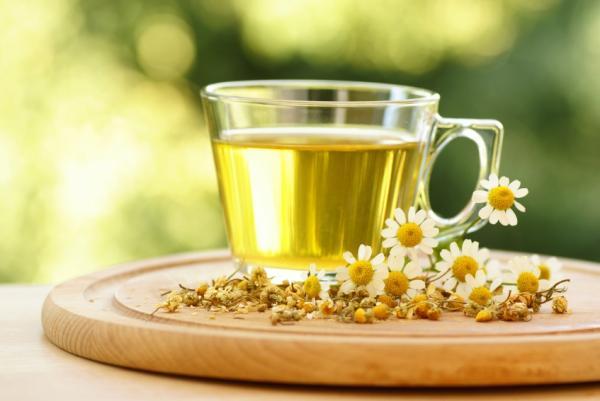
For anxiety or nerves: Chamomile tea has been tested successfully through time to be one of the best calming remedies! Simply steep 1-2 teaspoons of dried chamomile flowers or a tea bag in hot water for 5-7 minutes. Drink up to 3 cups.

For diaper rash, eczema and other irritating skin conditions: Chamomile is soothing for skin. Make a strong chamomile tea or infusion, let it cool, then dip a cloth in it to apply to irritated skin. You can also use dried chamomile in a bath bag or cloth tea bag in your bath to help soothe larger skin areas, or pour a strong chamomile tea straight in the bath.

Cloves

For a toothache: Place a whole clove between the aching tooth and your cheek. It can be held in place by holding your finger on the outside of the cheek. Chew the cloves a little to release their juice, then leave them in place for half an hour or so or until the pain subsides.

(Call your dentist or care provider if you experience severe pain or a fever!)

For cold sores: Applying clove oil in small amounts can help speed up the healing process of a cold sore.

Cayenne

Caution: Do not apply cayenne powder directly to the skin! It will cause severe skin sensitivity and pain, or an allergic reaction.

For congested coughs: Mix ¼  to ½ teaspoon of pepper in a glass of water and use as a gargle.

For arthritis: Cayenne and other herbs such as white willow bark contain salicylates, compounds like those found in aspirin. When diluted in a gentle oil, cayenne can be applied in a salve to the areas around joints to relieve arthritis pain.

Ginger

For cramps or abdominal pain: Add one teaspoonful of powdered ginger root to one cup of boiling water. Drink up to three cups a day.

For sore muscles and arthritis pain: Treat yourself to a rosemary-ginger soothing bath. Make a strong tea with grated fresh ginger, about 1 1\2 cups of water to a tablespoon of ginger. Strain and add to bath water, with 6 drops of rosemary essential oil.

What are your go-to kitchen spices, foods and herbs for medicinal remedies?


Achy Joints? Try These 5 Tips for Relief

Sore, stiff, and tired joints can make you feel old before your time. Joint pain is caused by several conditions, such as arthritis, sprains, and gout, so make sure you are following your doctor’s instructions.

When you can’t move freely and painlessly, it’s difficult to enjoy life and do as you please. Relief is just a few tips away.

Try an OTC pain reliever.

If you have swelling and moderate to severe pain, you can use over-the-counter nonsteroidal anti-inflammatory drugs (NSAIDs), such as aspirin, naproxen, or ibuprofen. Milder cases of joint pain, or those without swelling, can be treated with acetaminophen. Some have found ongoing relief from the natural supplements glucosamine sulfate and chondroitin, taken together for best results.

However, depending on your situation, your doctor may opt to prescribe a muscle relaxer, a Cox-2 inhibitor, or a stronger opioid for pain.

Apply pain relief from a tube.

Topical creams often provide soothing and / or cooling relief from joint pain. You’ll find plenty of ointments, creams, and balms at your local drugstore. Chat with the pharmacist to see what he or she recommends.

One ingredient we’ve continually read good reviews on is capsaicin, found in cayenne pepper. It appears to stop the transmission of pain signals along the nerves.

Go old school with your remedies.

Try icing or heating the joint, wrapping it in an ACE bandage, or resting and elevating it. If you choose to rest it, don’t let it sit for too long, or you risk it becoming so stiff that it won’t move.

Watch what you eat.

While this may not apply to you, we have heard that eating dairy, wheat, and foods from the nightshade family (potatoes and eggplant) can worsen joint pain. If you suspect this might be true for you, keep a food diary and note when pain occurs.

Eat more of vitamins C, D, and K, and up your intake of Omega-3 fatty acids. These foods relieve inflammation and help relieve pain.

Move the right way.

Often we hurt because we’re putting too much strain on a joint or using it incorrectly. Talk to your doctor or to a physical therapist about body mechanics and moving your joints properly. Straining the joints can lead to extreme pain and even cartilage damage or loss.

Joints need to move to stay supple. If you have pain, you’re not moving them enough to keep them in good shape. These ideas will hopefully help you to lessen the pain so you can move your body and keep it limber.

Budget Boot Camp! How to Make a Monthly Budget (And Stick to It)

When it comes to money, we all have to decide what to spend and what to save. A monthly budget can be very helpful, but often we don’t know where to begin—or we’re afraid to face our spending head-on. Perhaps these ideas will help you start.

Track what you spend in a month.

Carry a small notebook with you, and write down every penny you spend for a month, even if it’s just a dollar for a candy bar. You’ll see where the pennies go, which will help you deal with where the dollars go.

Download some help.

Find and print a budget worksheet like the one here. [Link tohttp://frugalliving.about.com/od/moneymanagement/a/Budget_Form.htm] It will help you track your spending and determine where you need to focus your money. You’ll write down all of your monthly living expenses and discretionary money spent, such as entertainment or hobbies. You’ll see in black and white where your money goes each month.

Look at your income.

How much do you bring in every month? Write it down. Compare it to the total expenses you recorded in your worksheet. Where do you stand? This step will either make you smile or make you frown. If you’re smiling, just keep doing what you’re doing, and creating a budget may make you smile more.

If you’re frowning, you have some work to do. Keep reading. Is there a way you can bring in more money? Perhaps take a second job or sell some items you no longer need or use? Make a list of 10 ways you could bring in more income. Ideas might include starting a small business (tax write-offs abound!), renting out a spare bedroom, picking up extra hours at work, or doing a paper route in the mornings.

Look at where you can cut back.

Where can you reduce your spending? Could you start taking a lunch instead of going out every day? Can you reduce your insurance premiums on your home or car? Do you really need all those TV channels?

Look hard at every expense with the idea of cutting it by at least 10%. You’ll find some expenses that you can eliminate, freeing up even more money. You’ll see how you can juggle your expenses, so play with it and see what your options are.

How’s your debt?

Do you have credit card debt? If so, paying that off is one of the best things you can do for your budget. Interest rates are high, and chances are you’re paying now for things you used months or years ago, such as dinners and gas for the car.

If credit cards are a problem, cut them up or put them in a bowl of water and freeze them. Reducing your debt (and building your savings) will give you tremendous peace of mind.

Are you saving?

For your own security, you should have an emergency stash of cash or easily available money equal to at least three months’ living expenses. If you don’t have that much built up, start paying yourself first and socking it away. A good place to start is 5% of your net income.

Try different scenarios.

This is your budget, and you make the decisions about where your money goes. Your priorities will dictate what you spend your money for, and there are many possibilities. Don’t be afraid to try new ways to use your money.

Soothing Remedies for Menopause Hot Flashes

Hot flashes are sudden and unexpected sensations of warmth or heat, typically along the upper body. They are part of menopause for many women and can occur at any time of day. They can be uncomfortable, and they can cause profuse sweating and irritability. Several remedies exist for hot flashes, and here is a partial list. Hope these help!

Hormone therapy and antidepressants

Many women are uncomfortable with this, but supplementing with estrogen and/or progesterone can reduce hot flashes. The trick is to use the lowest dosage that works. Your doctor can test your hormone levels and determine the best course of action.

If you’d rather go a more natural route, a compounding pharmacy can create bioidentical creams if you’d rather not take pills. Eating soy, which contains a plant estrogen, is a common remedy in Asian countries.

Some common antidepressants at low doses, such as Prozac and Paxil, can reduce hot flashes, but they may have more side effects than simple hormone therapy.

Staying cool wherever you go

Simply wearing layers of light clothing can help hot flashes. Thin t-shirts or tank tops keep you covered but allow air to get to your skin, cooling you off. Keep ice-cold water handy to sip on if you feel a flash coming on. If you can, keep a personal fan with you, and stay near open windows.

While sleeping (a common time for hot flashes), sleep on a cool pillow, and keep the room at a low temperature. Reduce bedcovers to only a couple of layers in case you need to get rid of them.

Any way you can alter your environment to stay cool will reduce the severity of hot flashes.

Avoiding hot flash triggers

Hot flashes can be triggered or worsened by anything that causes inflammation or heat in the body. Avoid spicy foods, alcohol, caffeine, heat sources, and stress. If you smoke, quit.

Health-food store remedies

Hot flash herbs and natural remedies are available in most health-food stores. Kava, dong quai, and black cohosh help with those feelings of heat.

If you’ve been through menopause, what helped you with the hot flashes?

Ask the Doctor: Smoking, Risks During Reconstruction, Researching Your Options

Ask the Doctor July 18This week, Dr. Richard Kline of The Center for Natural Breast Reconstruction answers your questions.

Q: I need to have breast reconstruction due to breast cancer occurring twice since 1999. I’m scared because I can’t quit smoking. The surgeon will not perform the procedure unless I quit. Are there any surgeons who will perform reconstruction even though I am a smoker?

A: Surely there are some physicians who will do reconstruction while you’re smoking, but we are not among them. This policy is only because we have personal experience dealing with the many months of wound healing problems (and tears) that commonly follow this type of surgery performed on smokers.

Smoking  isn’t just bad, it’s absolutely terrible. If you want all of your wounds to fall apart, leaving you miserable for months, there may be no better way to accomplish it than to smoke during your reconstruction. The good news is, if you stop for one month before and 3 months after your surgery (with absolutely no cheating), you can often have successful surgery.


Q: I am, after total mastectomy performed 12 months ago, scheduled for reconstruction. My age is 59 and I do not have any emotional concerns about being without a breast. However, I would like to stop wearing epiteze, and would like to not worry that it will show in summer. My concern is whether the long-lasting and repeated reconstruction (several operations, including making the healthy breast smaller) represents too big of a risk to my health. After anesthesia last year, I experienced problems with forgetting and lack of focus for about 3 months. Also, what about the operation and healing stress to the overall body? I would hate to start a new health problem because of reconstruction. What is the general risk apart from risks mentioned here?

A: The risks you are worried about are probably not so much from the surgery, but more from the anesthesia. I would suggest you discuss your concerns with your primary care provider. We can advise you about risks such as bleeding, blood clots, infection, etc., but these do not usually result in the problems you describe.


Q: Am I putting my health at risk in order to research the best reconstruction method before surgery?

A: No, I think you are looking out for your health by doing careful research in advance. Please let us know if we can help you


Dr. Richard M. Kline

Center for Natural Breast Reconstruction


Have a question about breast reconstruction you’d like answered from our surgical team? Just ask us!

The Art of Juicing

The Art of JuicingMany of us know we don’t eat enough fruits and vegetables, and we perhaps eat a little too much processed food. There is an easy way to up your intake of good food, feel better, and improve your health—juicing!

When you juice, you put whole, raw fruits and vegetables into a juicer, which mixes them into a delicious juice or smoothie. Juices and smoothies are delicious, and the process of juicing transforms the food to a form you can more easily digest and assimilate nutrients from. You can create all-fruit juices, all-vegetable juices, or a combination of the two. Most people prefer the taste of fruit juices because they’re sweeter.

While vegetable juice recipes are some of the most beneficial, they don’t taste quite like the fruit juices. To increase sweetness, add some fruit or carrots to improve the taste. As you become a seasoned juicer, you’ll get used to the taste and love it. Organic vegetables tend to be fresher and have a better taste. For the biggest punch nutritionally, leave the skins on your veggies.

Don’t be afraid to get creative and try new things. To get you started, here are a few recipes.

A simple juice to detoxify:

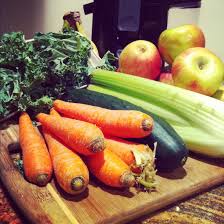
  • 5 carrots
  • 4 celery stalks
  • 1 small cucumber
  • 1 beet
  • 1 small apple
  • ½ lemon

A sweet, delicious drink with just a few ingredients:

  • 1 c blackberries or raspberries
  • 1 kiwi fruit
  • 1 medium pear or apple
  • 30 leaves any type mint
  • ¼ peeled, cored pineapple

The green drink popularized by Dr. Oz:

  • 2 c spinach
  • 2 c cucumber
  • 1 head celery
  • ½ tsp ginger root
  • 1 bunch parsley
  • 2 apples
  • 1 lime
  • ½ lemon

When you juice, especially if you use organic fruits and vegetables, you’re eating much cleaner and healthier food—and your body uses the nutrients very effectively. You should feel a difference soon after you start, and the longer you juice, the better you’ll feel.

For more recipes, try the following sites:

http://www.omegajuicers.com/juicing-recipes

http://juicerecipes.com/

http://www.raw-foods-diet-center.com/vegetable-juicing-recipes.html

What to Eat for All-Day Energy

Calories fuel your body’s machinery. But should you find yourself in a midday slump before it’s even lunchtime, it may be time to reevaluate the kind of calories you’re feeding your body. Some foods naturally boost your energy, while others sap your stamina stores.

The ideal meal consists of complex carbs, healthy fats,and lean protein. Carbs provide instant energy, fats give longer-lasting energy, and protein helps your body build tissue and muscle mass. A good rule of thumb for energy-conscious eaters is to get 45 to 60 percent of calories from carbs, 20 to 35 percent from fat,and 15 to 30 percent from protein.

Here are some of the foods you can eat to help fight fatigue so you can stay energized and focused throughout the day:

Breakfast
Healthy treats such as half of a whole-wheat English muffin with fruit spread are rich in carbohydrates, which can boost your levels of serotonin, a calming brain chemical. For an optimal, energy-infused breakfast, pair it with 2 eggs and 1/3 of an avocado to get the most oomph from your calories.

Lunch
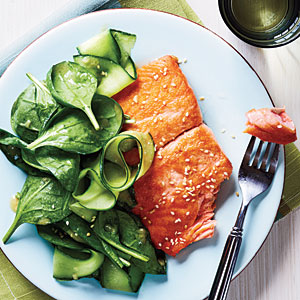
Eat like a fuel-efficient machine when you opt for a healthy spinach salad topped with a ½ cup of lentils, 3 oz of grilled salmon, and drizzled with 2 Tbsp of olive oil vinaigrette. Round out your calories with a whole-wheat roll for your dose of complex carbs.

Snack
Nibbling on a few squares of dark chocolate will pull you out of an energy rut, thanks to its caffeine and theobromine, mild mood- and energy-boosting stimulants.Or keep your energy full throttle by eating1 cup of berries, 6 oz of Greek yogurt, and 2 Tbsp chopped walnuts.

Dinner
Just because it’s the evening doesn’t mean your energy levels should plummet. Have a cup of butternut squash mixed with a cup of quinoa prepared with 1 Tbsp of olive oil. Pair it with a 3 oz serving of grilled chicken breast for a perfect combination and all around healthy meal.

Drink Water
Staying well hydrated is one of the quickest and easiest ways to improve memory, focus, and alertness. If you find yourself feeling sluggish even after eating a well-balanced meal, the culprit of your fatigue may be dehydration. Be sure to keep a water bottle handy at all times to combat an energy slump.

What are you favorite energy-boosting foods to eat?


9 Health Benefits of Avocados

Avocados

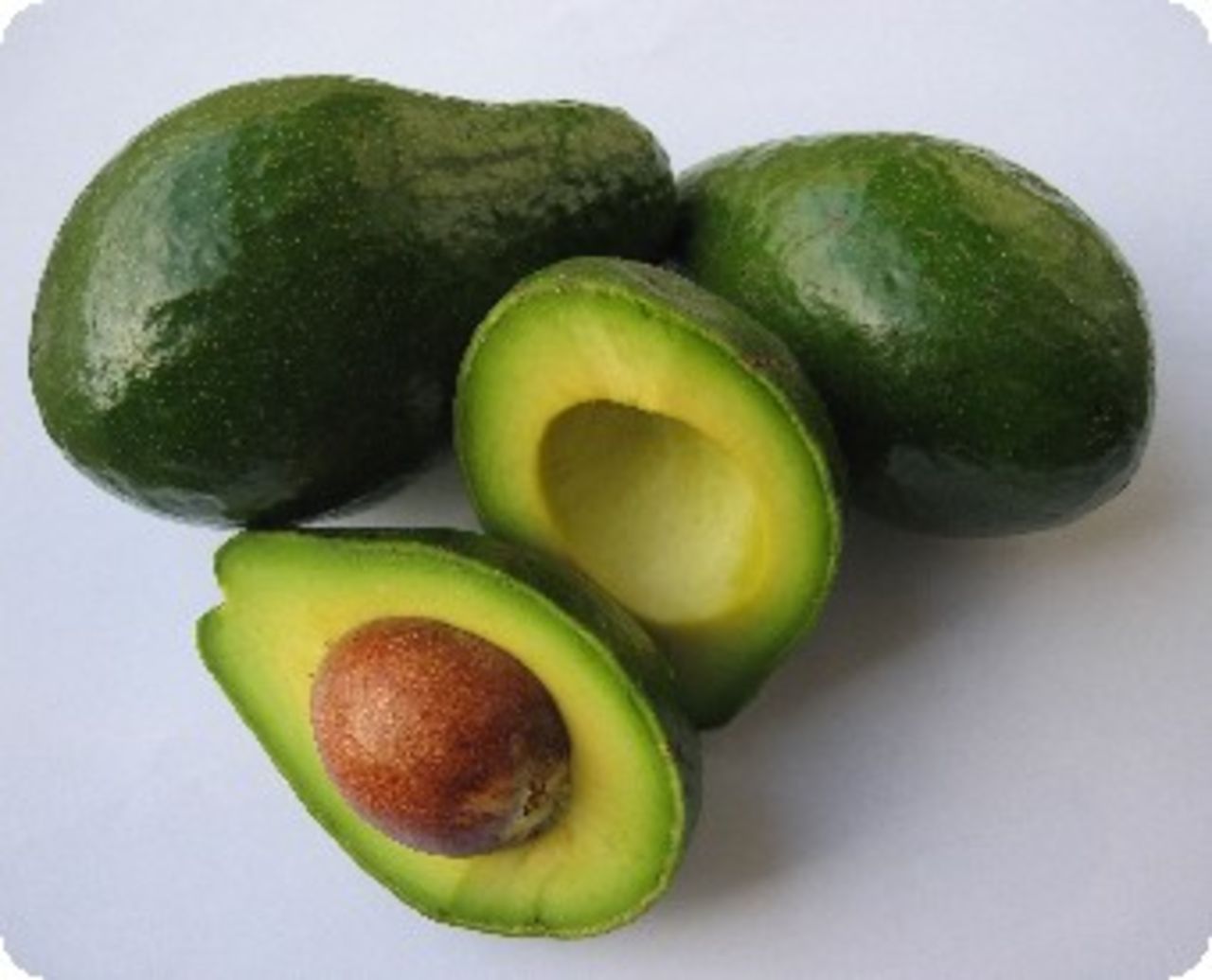
Avocados, also lovingly called “alligator pears,” are a magical green fruit considered to be one of the healthiest foods in the planet. Every avocado contains over 25 essential nutrients, including vitamin A, B, C, E, & K, copper, iron, phosphorus, magnesium, and potassium.

Avocados are also an excellent source of fiber, protein, and several beneficial phytochemicals, such as beta-sitosterol, glutathione, and lutein, which may protect against various disease and illness.Although avocado is high in fat content, it is mostly the monounsaturated fat, which is a healthy fat.

Looking for reasons to enjoy more avocados in your diet? Check out the 8ways your body benefits from this little green super-fruit:

 Maintain a healthy heart. Avocado contains vitamin B6 and folic acid, which help regulate homocysteine levels. High levels of homocysteine are associated with an increased risk of heart disease. Avocado also contains vitamin E, glutathione, and monounsaturated fat—the essentials for maintaining your heart’s health.

Protect against cancer. Many studies have shown that avocado can inhibit the growth of prostate cancer. The oleic acid in avocado is also effective in naturally preventing breast cancer.

Lower cholesterol levels. Avocados are rich in a compound called beta-sitosterol, which can help lower blood cholesterol levels. According to a study, patients with mild hypercholesterolemia who included avocados in their diet for 7 days had 17 percent decrease in total blood cholesterol levels, a 22 percent decrease in both LDL (bad cholesterol) and triglyceride levels, and a 11 percent increase in HDL (good cholesterol) levels.

Control blood pressure. Avocados are also a great source of potassium, which helps control blood pressure levels.

Regulate the blood sugar levels. The good fats in avocados can reverse insulin resistance and help regulate blood sugar levels. Avocados also contain soluble fiber,which also contributes to steady blood sugar levels.

Defy your age. Being rich in antioxidants, avocado helps prevent signs of aging. The glutathione in avocado boosts immune systems, slows the aging process, and encourages a healthy nervous system.

Increase nutrient absorption. Avocado intake is linked with increased nutrient absorption. A study showed when participants ate salad that included avocados, they absorbed five times the amount of carotenoids (a group of nutrients that includes beta carotene and lycopene) than those who did not include avocados.

Skin Care. Many cosmetic companiesadd a little avocado oil to their products because of its ability to nourish the skin and make your skin glow. It also aids in treating psoriasis, a skin disease that causes skin redness and irritation.

What is your favorite way to enjoy an avocado?