Search Results for: eating

Nutritional Supplements at Every Age

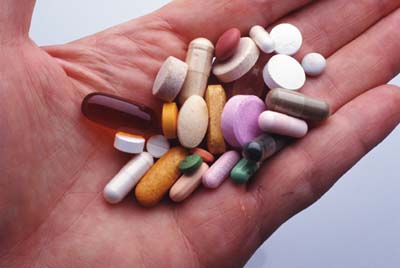
supplementsAlthough we all strive to eat a healthy, wholesome diet, we may not always take in all the nutrients we need on a consistent basis. Supplementing our diets with necessary fats, proteins, carbohydrates, vitamins, and minerals is okay, and we encourage it. Dietary needs change as we age, so we’ve included recommendations for supplementation for all ages.

Everyone should be taking a high-quality multivitamin and mineral supplement and fish or krill oil (Omega-3 fatty acids) at minimum.

Young adulthood: Your 20s and 30s

You absorb nutrients easily from the diet, so merely eating a healthy diet will go a long way toward keeping you healthy. Females need more iron (30 mg daily) in the diet during the childbearing years, and most multivitamin and mineral supplements will provide that.

Be sure to get plenty of calcium (at least 1,000 mg), magnesium, and potassium to prevent issues later in life. Take calcium and vitamin D supplements if you don’t eat or drink at least 24 ounces of low-fat milk or yogurt every day or don’t get the recommended calcium and vitamin D from other foods besides dairy.

Folic acid is an important B vitamin for women who are or plan to become pregnant. Get an extra 400 mg a day.

Middle adulthood: Your 40s and 50s

In your 40s, your ability to absorb nutrients begins to go down, so stepping up your vitamin and mineral intake is a good idea. This can be accomplished by going up a level in strength in your supplements, taking a higher-quality supplement, or taking an extra dose occasionally (check with your doctor before you do any of these).

According to WebMD, “Nutrient needs change with advancing age for several reasons: the body absorbs less, it requires more, or it needs less of certain nutrients. For example, after menopause, women need less iron — 8 mg daily – compared to 18 mg daily during childbearing years — but they require more calcium.

As estrogen production decreases during menopause, more bone is broken down than constructed. In addition, the body absorbs less calcium than it did earlier in life.

After age 51, women should consume 1,200 mg of calcium daily (males need 1,000 mg). Vitamin D needs go up with age, too. After age 71, you should get 800 IU daily. Unless you drink 64 ounces of milk each day, you need a vitamin D supplement.

It’s harder to absorb naturally occurring vitamin B12 after age 50 because your body is less able to grab the vitamin B12 from foods and absorb it. The body easily absorbs synthetic B12, however, which is why experts recommend it as the primary B12 source for people over 50. Foods fortified with vitamin B12, such as breakfast cereals and other grains, or a multivitamin can help you meet your vitamin B12 needs.”

Late adulthood: Your 60s and beyond

After age 60, your body continues to absorb fewer nutrients, and it’s important to work with a doctor or a nutritionist to ensure you’re getting everything you need. You may wish to supplement with dietary shakes, especially if you find yourself eating less. Continue taking all your current supplements and eating as healthy as you can.

For all ages, water is vital to good nutrient absorption and hydration. Drink at least eight glasses, or for a more accurate gauge of your needs, take your weight and divide in half to determine the number of ounces to drink each day.

How Do We Emphasize Prevention in Healthcare?

Prevention in healthcare saves lives and money, and it keeps all of us healthier. Not many know about preventive medicine, because much of our medical system focuses on treating symptoms and disease. We all have a good idea of what prevention is and why it’s important. We can all agree on the need to take basic health steps such as drinking water, eating right, and exercising.

Health professionals who focus on prevention use a system to do their work. We thought we’d share some of that with you, as it’s interesting and not often discussed.

Primary prevention focuses on avoiding occurrence of disease, and most health prevention activities fall into this type. Vaccines and condoms are two examples of primary prevention. They stop illness before it can start. In the case of condoms, they prevent unwanted pregnancy as well as sexually transmitted disease.

Secondary prevention methods detect and treat disease in the early stages so it does not cause further health issues. The PSA screening test for prostate cancer, mammogram, and Pap smear are considered secondary prevention because they catch cancer early to make treatment possible.

Tertiary prevention aims to lower the negative effects of current disease by reducing complications of the illness. One example includes using nebulizer medication, respiratory therapy, and oxygen therapy for chronic obstructive pulmonary disease. In fact, most of the therapies (rehabilitation, occupational, physical) are tertiary prevention because they attempt to restore function at the highest possible level.

Quaternary prevention includes health interventions for avoiding over diagnosis and overtreatment. One example is providing palliative or comfort care after a patient has reached the point in illness that warrants stopping curative measures. Simply listening to the patient often gives information about overtreatment. If the patient is sleepy too much, it might indicate over-prescription of medication.

In addition to the four types of prevention noted above, prevention also occurs in a tiered system, which is described below. Often, behavior that leads to a health issue is addressed in the prevention strategy.

Universal prevention involves a large, similar population, such as a school or workplace to prevent a health problem. Typically, primary prevention occurs here.

Selective prevention targets groups who are at risk of developing a health issue. The group members share certain common traits, such as family history or age.

Indicated prevention narrows the group further to by using a screening process to identify individuals who already show signs of the health issue or dangerous behavior, such as smoking or drinking.

One more type of prevention is noteworthy. Environmental prevention methods address the illness or behavior at the community level and use restrictions to manage the illness or behavior. Quarantines, city and county laws, and smoking bans are environmental prevention measures.


Breast Reconstruction Surgery: What Can I Expect In Terms of Nerve Recovery?

breast reconstruction

This week, the Charleston breast surgeons with The Center for Natural Breast Reconstruction answers your questions.

Q: How long does it take for nerves to recover and for full skin sensation to return after reconstructive surgery?

A: During any surgery, numerous sensory nerves, generally too small to have names, are invariably cut. Depending on the extent of the surgery, this can result in numbness of the skin or other areas. This is not typically regarded as a complication, but rather an essentially inescapable result of making an incision in the body. Most of the little divided nerves literally “wither away,” and other sensory nerves eventually grow in to take their place, restoring sensation once again. This process can take anywhere from a few months to 1 – 2 years. There is no limit on how late sensation can be regained, but the longer, beyond 1 – 2 years numbness, lasts, the less likely it is that sensation will spontaneously return. Occasionally, numbness can persist indefinitely, although this is uncommon.

In addition to numbness, other symptoms such as discomfort, hypersensitivity, or chronic pain can also result as a consequence of nerve damage following any surgery. Thankfully, these complications are much rarer then numbness. While it can be very difficult to ascertain exactly what mechanism is causing discomfort, some possibilities include traction or tethering of nerves by scar tissue, or formation of a “neuroma,” which is a painful little ball of tissue at the end of a regenerating nerve.

Nerves irritated by adjacent scarring may be helped by massage, injection of local anesthetics, or simply the passage of time. Neuromas, which are thankfully extremely rare following breast surgery, usually result in pain when pressure is applied to a very specific location, and can be much harder to treat. Surprisingly, additional surgery is often not effective in treating these rare cases of chronic pain, and referral to a Pain Therapist for injectable nerve blocks may be the most effective option.

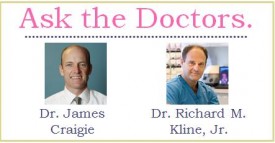
Dr. Richard M. Kline and Dr. James Craigie

Center for Natural Breast Reconstruction

Have a question about breast reconstruction or post-surgical care you’d like answered from our surgical team? Just ask us!

Buon Appetito! Our Favorite Italian Restaurants in Charleston

Italian cuisine is the perfect blend of spicy and comfort foods, and Charleston has more than its share of excellent restaurants. Here are our top three picks and what they have to say about themselves on their websites, including a sampling of their food…

Mercato, 102 North Market Street

“Buona Sera! Your table is waiting. Settle into a plush leather booth downstairs or ascend an illuminated staircase to the serene elegance of seating upstairs under the dome. Or, join us at the long, European inspired marbled bar, bathed in the golden glow of deco chandeliers, where you can start the evening with Martinis, Bellinis and Italian-Inspired Handcrafted Cocktails while listening to the finest in live jazz.

Mercato provides the colorful setting for an intriguing blend of Italian regional culinary styles. The restaurant’s two levels are framed by richly-hued Venetian plaster walls, and the banquets and chairs are covered with Italian leather in the same browns and Tuscan reds. A 1950’s Italian chandelier hanging from the dramatically-domed second-floor ceiling illuminates a menu designed to appeal to those in the mood for specialties of the house including:

  • Local Shrimp and Blue Crab Risotto with Sautéed Leaks and Sweet Corn
  • Housemade Potato Gnocchi with Sausage & Fennel Ragu
  • Pork Osso Bucco over Anson Mills Creamy Polenta with a Citrus Gremolata & Natural Pork Jus
  • Pizza with delicious toppings such as Prosciutto and Arugula or Sausage & Peppers “

Bocci’s, 158 Church Street

“Bocci’s Italian Restaurant, located in the historical downtown market area of Charleston, is locally owned and has been in operation since 1990. Over 20 years of business has made Bocci’s a staple for locals and visitors alike. Upon entrance, guests are swept away by the classic Italian, open air trattoria style décor.

The menu provides the perfect balance of rustic, old world Italian favorites and creative, Mediterranean influenced specials. Featured items on the menu include the Tuscan Duck,

Traditional Parmesans, Grilled Salmon Insalata, Chicken Picatta and made to order, 9 inch thin crust pizzas.

The wine list has been hand selected to provide the perfect pairing for your meal. While the wine list has a heavy Italian influence, many other areas of the world are featured as well. Bocci’s wines cater to every guest, whether you are looking for a great value, or a reserve bottle for a special occasion.”

Indaco, 526 King Street

“Indaco, Italian for ‘indigo’, serves rustic Italian fare keeping the country’s tradition of caring at the restaurant’s core. Located on Charleston’s upper king street, executive chef Michael Perez is at the helm.

Indaco promises excellence from its kitchen, which boasts wood-fire grills, ovens and rotisseries. Rustic entrees, wood-fire pizzas, pastas, housemade salami and house-cured sausages and meats fill the restaurant’s menu. In addition to the a la carte menu, a family-style menu created by Chef Perez allows guests to enjoy the full spectrum of Indaco and partake in the dining customs of Italian cuisine.”

What’s your favorite Italian restaurant in Charleston?

15 Quick Health Tips

Health tips come in many forms: blogs, pamphlets, and magazine articles, to name a few. We like quick, actionable tips we can run with immediately, so here are a few of our favorites. We hope they’ll help you take charge of your health and enjoy your life even more.

Drink plenty of water.

Get your eight glasses every day, and watch your skin become smoother, your eyes shine brighter, and your entire body function better. Some will say you need half your weight in ounces a day instead of the 8 glasses, so if you weigh 120 lbs, you’ll need 60 ounces a day, which is about 8 glasses.

Quit tobacco.

The cigarette and chewing tobacco companies add hundreds of chemicals to their products. Quit, and you’ll stop poisoning your system with the junk.

Try green tea instead of coffee.

Green tea has numerous health benefits, while coffee has much fewer. Green tea is satisfying and delicious.

Make your focus moving, not exercise.

When we hear the word “exercise,” most of us feel our eyes glaze over, but it doesn’t have to be the grueling workout we think of. Move! Go dancing, park your car farther away, walk the dog.

Touch is therapeutic.

Touch lowers blood pressure, raises neurotransmitter levels, and just makes you feel good. Pet a dog, hug your kids, and hold your spouse’s hand.

Use coconut oil for cooking.

It’s much healthier than vegetable or canola oil, and its medium-chain fatty acids are good for you. Tastes better too!

Do your monthly self-exams and get your mammogram.

Of course we’d tell you this tip! It’s self-explanatory.

Have your PSA checked every year.

This is the blood marker for prostate cancer, and the test is easy.

Watch your food labels.

Read labels to make sure food has what you want in it, and none of what you don’t want. Good things to stay away from are high-fructose corn syrup, hydrogenated oil, and monosodium glutamate.

Try quick one-minute exercises.
Yes, I know we banned “exercise” from the vocabulary, but these exercises are fun and easy. They include standing on one leg, holding in your stomach, or doing a plank position for 30–60 seconds.

Laugh.

Yes, that’s it. Just laugh it up and raise your happiness level. You’ll feel better, your eyes will shine, and you’ll breathe deeply.

Speaking of breathing…

Most of us breathe very shallowly, so try breathing slowly deep into your chest and down into your stomach. Then blow out, hard. Get all that air out. You’ll be surprised how much “stale” air you have in your lungs.

Eat fruits and veggies of every color.

The colors signify the antioxidants present in the food, and eating a variety of colors means you’re eating a variety of nutrients.

Walk barefoot when you can.

Going without shoes helps you exercise your feet. Your toes get to stretch, and you can feel the ground beneath your feet… always uplifting!

Finally, get a checkup every year!

Tell us your best health tip!

Delicious Alternatives To Dairy

Many of us are lactose intolerant, so eating cow’s milk dairy products can upset our systems. We love the taste of dairy foods such as cheese and ice cream, so those of us who have issues are always hunting for alternatives. Here are the most delicious options we found.

Almond milk

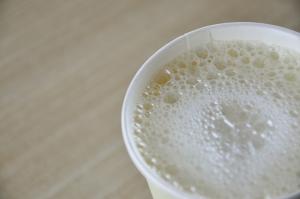
Almond milk is made from ground almonds, and it contains no lactose or cholesterol. Vegans and vegetarians use almond milk regularly. It is beige in color, has a nut-like taste, and typically comes in three flavors: chocolate, vanilla, and plain. Last year, it passed soy milk as the most popular plant-based milk. Popular brands of almond milk include Almond Breeze and Silk PureAlmond.

To make your own almond milk, grind soaked almonds in a blender with water and your choice of sweetener or additive, and then strain through a cheesecloth. While almond milk is not a suitable replacement for breast milk or cow’s milk due to its low protein content, it is rich in other nutrients such as magnesium, selenium, zinc, copper, and calcium.

Soy milk

Soy milk is made from soaking dry soybeans and grinding them with water. Soy milk has about the same percentage of protein as cow’s milk: around 3.5%. Soy milk can be made at home with traditional kitchen tools or with a soy milk machine. The coagulated protein from soy milk is made into tofu, just as dairy milk produces cheese.

Because soy milk has a similar protein and fat content to cow’s milk (though the amino acid profile differs), it has become a popular alternative. Natural soy milk contains little digestible calcium, so many manufacturers add calcium carbonate. As it is plant-based, it has little saturated fat and no cholesterol.

Coconut milk

Coconut milk comes from grated coconut meat, and tastes just like liquid coconut. It has a rich taste that enhances soups and desserts, and some even use it as a substitute for cream in their coffee. If you want to make coconut milk at home, run the meat through your food processor or blender with hot water. After you refrigerate the milk, coconut cream separates and rises to the top.

Coconut milk is controversial because it contains lauric acid, a saturated fat that may raise blood cholesterol levels. However, coconut milk is better than trans fats because it is mainly medium-chain triglycerides, which may not carry the same risks as other saturated fats. In addition, coconut milk is full of medium-chain fatty acids (MCFAs), which the body processes differently than other saturated fats.

Goat’s milk cheese

Goat cheese has a similar amount of fat as cow’s milk cheese, but the fat profiles differ. Goat’s milk cheese has a higher proportion of medium-chain fatty acids, such as caproic, caprylic, and capric acid. These fatty acids are healthier for you than the saturated fats in cow’s milk cheese.

Goat’s milk is more similar to human milk than cow’s milk is, although that fact isn’t well known in the West. Goat cheese is made by allowing the raw milk to curdle naturally before draining and pressing the curds. Very little is added other than salt to preserve the cheese. Soft goat cheeses are made by hanging bundles of cheesecloth filled with curds in the kitchen for several days.

What’s your favorite alternative to cow’s milk dairy products?

Is It Time to Give Up Soda?

Yes, it is, for several reasons we’ll outline below, and we’ll also give you some tips for giving it up. Coke, Pepsi, soda, pop, tonic…whatever you want to call it, you need to kick it to the curb. Get ready to enjoy life without soda pop!

It’s empty calories.

If you drink regular soda, you’re getting around 150 calories that do nothing for your body. In contrast, drinking water, herbal tea, or even sparkling water diluted with juice will save you at least 100 calories, if not more. Do the math if you drink three or four sodas a day.

Diet soda is no better. Artificial sweeteners confuse your body into thinking it’s getting sugar, which triggers an insulin release, which can lead to weight gain and type 2 diabetes.

Regular pop contains high fructose corn syrup.

This stuff is poison. No one should be taking it in for any reason. Contrary to what the corn industry tells you, HFCS is not metabolized like other sugars. It’s unnatural, and the fructose goes right to the liver, causing fatty liver. It also causes blood sugar spikes, and contains contaminants such as mercury. Any independent nutrition expert will recommend against HFCS, and so do we.

Diet pop gives you an excuse to eat more.

When you’re taking in no beverage calories, you may rationalize eating more, which leads to weight gain.

How to stop pop…

Try some of these steps to reduce your soda intake and start drinking more healthy beverages.

  • Take it slowly. Don’t expect to quit soda cold turkey. Reduce gradually over several months if you drink more than two or three a day. Try reducing by one pop a day for two weeks, then cut out one more pop a day for three weeks, etc. Make a schedule that works for you.
  • Keep substitutes handy, such as flavored water, sparkling water, rice or almond milk, and fruit juice. While these drinks aren’t ideal because they contain sugar, they’re a good bridge from pop.
  • Just don’t buy it. If it’s not in your house, you can’t drink it. Make it hard to get soda. If you have to go out and buy it, you may be less likely to drink it.
  • Don’t allow your family to bring it into the house, either. They don’t need it either. It doesn’t matter if the kids are young—now is the time to break the soda habit.
  • While you may have an initial withdrawal that may not be fun, after a month of no soda pop, you’ll look and feel better. Keep reminding yourself of that when the pop urge strikes.

What’s your best tip to give up soda?

Why Avoiding Sugar is Good for Your Health

We all know sugar isn’t good for us, especially in excessive amounts. But do you know why avoiding sugar is one of the smartest health decisions you can make? Following are just a few reasons why you might want to leave the candy and cakes at the store and not put them in your shopping cart.

Sugar has no nutritional value.

You do not need to ingest sugar. Yes, your body runs on glucose, but it can get that from vegetables, fruit, and any other naturally occurring carbohydrate. Your body can also make glucose from protein and fat if necessary.

There is no reason to eat sugar other than to satisfy a sweet tooth. Sugar is nothing more than empty calories with no nutritional value whatsoever. And high fructose corn syrup (HFCS) is one of the worst things you can eat. The added fructose turns to fat in the liver.

Sugar raises your blood sugar levels.

When your blood sugar levels are high, your pancreas pumps out extra insulin to drive the sugar into your cells to be used for energy. However, prolonged high blood sugar levels and prolonged insulin release cause the cells to become resistant to insulin.

When the cells become resistant to insulin, the pancreas churns out even more insulin, and the cycle continues. The beta cells in the pancreas become damaged and unable to produce insulin, which leads to type II diabetes. Avoiding sugar stops this cycle.

When you eat sugar, you want more, and you’re rarely satisfied.

You can become addicted to sugar. Just as with other addictive substances, eating sugar causes a dopamine release in the brain. This pleasurable sensation causes you to seek out more sugar, and similar to other addictions, you must eat more and more to get the same dopamine “high.”

When you stop eating sugar, you stop the addiction from developing or getting worse. To stop sugar, first record how much of it you eat in a week. Focus on serving sizes—many of us eat more than one serving of foods at a time.

Gradually cut back on sugar, as quitting cold turkey can cause you to feel worse before you feel better. Find natural foods to substitute for the junky sugar stuff.

Visit our Facebook page and tell us how you reduce or eliminate sugar from your diet!

Tips For a Healthy and Fun Holiday Party

Holiday Parties - Safety TipsWe all love the merriment of the holidays, and parties are the best part of the festivities for many of us. However, it’s easy to get carried away, but we have the following tips to avoid that (and perhaps avoid a hangover or unwanted weight gain).

Decide what you’re going to eat and drink ahead of time.

If you have some idea of what you’ll be served, you can plan your indulgences before you go. You can determine what you’ll drink and eat. When you go to a party and are prepared, you’re less likely to overdo it. If you’re offered alcoholic beverages you’ve never had before, just have one…you never know how you might react if you have more.

Also, if you know you’ll be served hors d’oeuvres only, you can decide whether to eat a meal before or after the party. If you’ll be drinking, it’s a good idea to have substantial food in your stomach.

Drink one glass of water or juice for every alcoholic drink.

This will help pace your drinking and reduce your chance of a hangover, since you’ll keep yourself hydrated. You might also consider having a cocktail with fruit juice so you have some vitamin C in your system.

Follow the one-plate rule.

Fill your plate just once, and choose the smallest plate you can to avoid overeating. Your waistline will thank you! While you want to have some fun sugary foods, fill the majority of your plate with veggies, fruit, nuts, and meat.

Keep an eye on your designated driver, or call a taxi.

Hopefully you decide upon a sober driver before you enter the party, but if you don’t, call a taxi. Your designated driver can have one or two drinks when you get to the party, as long as you’re there for at least two hours.

If your driver overindulges, or you end up alone for some reason, it’s much better to pay for a taxi ride than for a drunk-driving incident—and it’s much safer for everyone involved.

5 Tips to Stay Flu Free

How to Stay Flu Free This Winter

This time of year can be a difficult one if you’re trying to stay healthy and avoid the flu. It seems like everyone is sick and the germs are all around you. Keeping the flu away may not always be possible, but here are a few ways you can protect yourself.

Wash your hands properly.

The best way to avoid colds and flu is to practice effective hand hygiene. Here’s how:

  1. Use warm water, not hot, and wet hands thoroughly.
  2. Apply plenty of soap (does NOT have to be antibacterial), and work up a lather for 20 seconds. The friction is what really kills the germs. Count slowly to 20, or sing your favorite childhood song two or three times. Rub your hands together briskly, and make sure you wash everything from wrists to fingertips. Don’t forget knuckles, cuticles, and under fingernails.
  3. When you rinse, make sure you keep your hands below your elbows. Don’t touch the sink or the faucet.
  4. Leave the water running, and use at least two clean paper towels to dry your hands.
  5. Grab another dry paper towel and turn off the faucets. Use whatever you can to open the door… your elbow, another towel, or the bottom of your shirt. The bathroom door is typically teeming with germs.

Always wash your hands when you get home from being out in public, especially after shopping.

Sanitize, sanitize, sanitize… and don’t touch your face!

Carry alcohol-based sanitizer with you for those times you can’t wash your hands or you’re handing things others touch (such as shopping carts). Follow the directions on the sanitizer. Again, friction is your friend when it comes to hand hygiene.

The easiest way to transmit the flu or cold is to touch your face. Keep hands away!

Get plenty of sleep.

Don’t allow yourself to run down. Sleeping is your body’s way of recharging, and that recharge includes your immune system. Know how much sleep you need to be healthy—for most adults, it’s at least 7 hours a night.

Eat right.

Part of keeping your immune system healthy is feeding it properly. Eat plenty of fruits and veggies, and make sure you’re eating enough healthy fats and protein. Keep sugar and starches to a minimum, and drink plenty of water.

Avoid people who are sick.

If you don’t need to be around sick people, don’t do it. It’s difficult to keep the flu away if you’re spending several hours with someone who has it. Ask coworkers to keep their distance and cough into their sleeves.

The key to avoiding the flu is to constantly be vigilant and observant.

What tricks do you use to prevent flu?