Archives for December 2011

Step 3 in Quitting Smoking: Taking Effective Actions to Stop

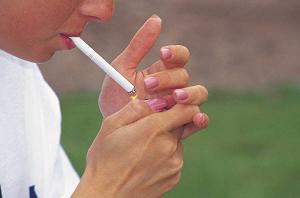
quit smokingThe one thing that many people don’t understand when it comes to quitting smoking is that addressing the physical addiction to nicotine is not enough. They must also learn to manage the ingrained habits that led them to smoke. People smoke after meals, while driving, and while under stress, to name just three examples. Those urges do not go away simply because the cigarettes are gone.

Quitters need to have a plan for when the habitual part of smoking raises its ugly head. We discussed that a little in our previous post about the 4Ds, but here are a few more tips to master the mental piece of quitting.

Look at your habits.

When did you have your first cigarette of the day? Was it right when you got up, after your shower, or after breakfast? Breaking that habitual urge can be as simple as changing your routine. If you smoked first thing, try going outside for a quick walk instead, or hop into the shower right away.

If your habits don’t change, your chances of staying quit are dramatically lower than if you consciously alter the path of your day.

Have substitutes handy.

If you can’t stop doing something that triggers you to smoke, keep something handy that you can put in your hand or in your mouth. Driving is a strong smoking trigger for many, and most cannot avoid it. Try putting a straw in your hand or a cinnamon toothpick in your mouth. If you find yourself lighting up at a certain intersection on your way to work, find a new route until you’re more secure in your quit.

Enlist help.

If you live with smokers, see what they are willing to do to help you maintain your quit. Having them smoke outside is ideal, since you were likely to smoke with them as part of your habitual conditioning and it’s easier to have them out of sight, out of mind. If they will not go outside, perhaps they would confine their smoking to one room of the house and keep the door closed.

If those you live with don’t smoke, perhaps they can help you identify your smoking habits and ways to break those habits.

You may need to alter your routine for only a few weeks while you master the initial difficulty of quitting, or you may need to change a few things more or less permanently. The main thing to remember is to never take one drag. This is no different from being addicted to any other drug. You would not suggest that an alcoholic or heroin addict has “just one” . . . and you can’t either.

What are your tips to quitting smoking?

6 Fun Christmas Food and Drink Ideas

holiday seasonChristmas is a great time to experiment with new food and drink. Following are some fun ideas you may not have thought of—and some would make fun gifts for the person who has everything.

Golden Honey Granola

A new twist on breakfast cereal, try this oatmeal granola recipe with sliced almonds, dried cranberries and apricots, brown sugar, cinnamon, and honey.

Parmesan Grissini

These amazing breadsticks work with everything from hearty tomato soup to a fine steak dinner. Crushed fennel seeds, sea salt, and crushed red pepper make them savory and spicy.

Russian teacakes or butterballs

These small cakes are typically served on holidays and are also called Mexican wedding cakes. They are made from flour, ground nuts, and butter and formed into balls before baking. After coming out of the oven, they are coated in powdered or confectioners’ sugar once while hot, and then they receive a second coating after cooling.

See a typical recipe here.

Marinated Goat Cheese

This would make a wonderful gift for the cheese lover on your list. Simply take a log of goat cheese, add spices and olive oil, and allow to steep in a glass jar. Not only is this a delicious gift, but the colorful spices and olive oil make this a beautiful gift too.

Mulled wine

A staple in Germany, mulled wine is typically red wine mixed with spices, such as cloves, nutmeg, and cinnamon, and allowed to heat (but not boil). Heating the wine with the spices brings out a unique flavor, and the drink is perfect for a chilly evening.

The Food Network has a simple mulled wine recipe. Click here to view it.

Hot buttered rum

Another cold-weather drink, hot buttered rum is a timeless favorite that can be made one mug at a time if you choose. Simply place a slice of soft butter at the bottom of a mug and add some brown sugar and spices such as cinnamon, allspice, or nutmeg. Mix the spices and butter well before adding the hot water and rum. Stir and steep for a moment before enjoying.

What are your favorite Christmas food and drinks?

How to Reduce Exposure to Hazardous Chemicals That Have Been Linked to Breast Cancer

chemicalsOver 400 women are diagnosed with breast cancer each day, and several hazardous chemicals have been linked with breast cancer. While it might not be possible to completely avoid these toxins, here are some ways to reduce your exposure to them.

Eat as naturally as possible.

Our food supply is loaded with artificial ingredients, dyes, hormones, chemicals, additives, and preservatives. Keep your diet as close to its natural state as possible. Shop the perimeter of the store, as much of the chemical-laden “food” is in the center of the store.

When you arrive home with produce, wash it thoroughly. Buy free-range or organic eggs and poultry, grass-fed beef, and wild fish (not farmed).

Buy BPA-free products.

The less plastic you have in your life, the better, but at a minimum, you should avoid bisphenol-A (BPA). BPA is a hormone disruptor found in plastic food and drink containers, as well as in canned food, including infant formula cans. BPA leaches from the plastic or can into the food. Look at the bottom of your plastic containers. Throw away any with the number 7. Plastics with the numbers 1, 2, and 4 do not contain BPA.

Use glass for food storage and cooking when possible, and never microwave food in plastic or Styrofoam.

Avoid furniture made with the flame retardant PBDE.

While flame retardants have a purpose and have saved lives, one type of flame retardant, polybrominated diphenyl ether, or PBDE, has been linked to breast cancer. When buying furniture, look for items with a different flame retardant, or buy organically manufactured when possible.

Use solvent-free cleaning products.

Antibacterial and harsh chemical cleansers are not necessary. The more natural you can go when you clean, the better. Ammonia, bleach, and any cleanser containing a solvent are hazardous to everyone in the home. Hydrogen peroxide, vinegar, lemon juice, and baking soda make excellent cleansers, and a quick Google search will yield plenty of recipes and ideas to use them.

If you prefer other cleansers, buy green cleaners made with safer ingredients, which can be found in any health food store or online.

Clean out your cosmetics.

Makeup is full of additives, chemicals, and synthetic hormones that no one needs. Toss out your liquid or cream foundation and use mineral makeup. It’s better for your skin and covers just as well as the pore-cloggers you’re used to. Mineral makeup companies also sell eyeshadow, mascara, blush, lipstick, and lip gloss.

Stop the antibacterial foolishness.

Contrary to popular belief and TV commercials, antibacterial soap is not necessary and does more harm than good. The truth is that any soap is antibacterial, and you can find natural or organic soap at health food stores or online.

Know the ingredients of everything you buy, no matter who you’re buying from, as marketing pros often give you the illusion that something is natural or organic when it isn’t.

What tips do you have for reducing chemicals and toxins?