Archives for 2014

How Exercise Keeps You Young

We’ve all heard that exercise keeps us young, but that’s often not enough to get us to start moving. We’ll look at one study that says yes, it’s true, and we’ll talk about reasons to exercise and how it keeps us from aging prematurely.

The study shows how exercise keeps us young at a cellular level and comes from WebMD:  

Reviewed by Elizabeth Klodas, MD, FACC

Dec. 1, 2009 — People who exercise regularly tend to stay healthier as they age, and now new research may explain why at a cellular level. Compared to people who did not exercise, elite runners in the study had cells that looked much younger under a microscope. 

Specifically, investigators measured the length of telomeres — the DNA on either end of thread-like chromosomes. Just as the plastic tips on the ends of shoelaces keep the laces from fraying, telomeres protect the chromosomes that carry genes during cell division. Each time a cell divides, telomeres get shorter. When telomeres get too short, cells can no longer divide and they die.

Researchers now believe telomere shortening is critical to aging, making people more vulnerable to diseases such as heart disease, diabetes, and cancer. Telomeres can be thought of as a biological clock,” lead researcher Ulrich Laufs, MD, of Homburg, Germany’s Saarland University tells WebMD. “If they are shorter than a critical length, the process of programmed cell death starts.”

In the human studies, middle-aged professional athletes who ran about 50 miles a week and had done so for many years had longer telomeres than healthy, age-matched non-athletes who did not exercise regularly. Not surprisingly, the athletes also had slower resting heart rates, lower blood pressures, and less body fat.

The study appears in the December 15 issue of the American Heart Association journal Circulation.  This is the first time it has been shown at the molecular level that exercising has an antiaging effect on the cardiovascular system,” Laufs says.

——————————————————————————————————-

Besides keeping telomeres long, what other anti-aging benefits does exercise have?

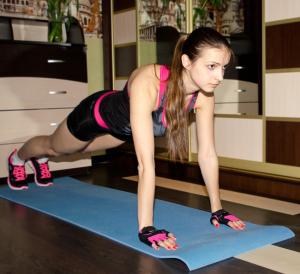
  •  When we exercise, we work our muscles, which keeps them healthy and prevents shrinkage and atrophy that commonly happens as we age. Muscles also help us burn more fat as we age, so it helps us keep our weight down.
  • Exercise promotes better sleep, which helps our bodies repair and rejuvenate.
  • Weight-bearing workouts increase bone mass, which prevents osteoporosis and falling in older people. One of the leading causes of nursing home admittance and death in the elderly is broken bones from falls, specifically broken hips.
  • Daily exercise helps prevent diabetes, which can cause blindness, neuropathy, limb amputation, and death.
  • Exercise improves circulation, giving us younger looking skin, lower blood pressure, less pain, and more energy.

What anti-aging effects have you noticed from exercise? Tell us below or on our Facebook page.

 

What Should I Do About My Post-Surgery Scar Neuromas?

1416012_gerber_daisy_isolatedThis week, Dr. Richard Kline of The Center for Natural Breast Reconstruction answers your questions.

Q: I have scar neuromas as a result of breast reduction surgery. I have been told it is not recommended to have a surgery to excise the neuromas by my pain specialist and breast surgeon. Would it make a big difference if a surgeon who specialized in peripheral nerve surgery did this type of surgery? Thanks for your help.

A: The problems with operating for pain in this situation are potentially several-fold. Firstly, it’s hard to know with certainty that a neuroma is the culprit, although a well-defined area of touch-tenderness is certainly suggestive. Secondly, the neuromas are often too small to be readily seen, so it’s hard to know if you’ve actually gotten it out. Finally, you could end up with another neuroma from the “hopefully corrective” surgery as easily as you got the first one.

I would definitely try for a few months with injections, etc. with your pain specialist. However, if that fails and your symptoms are bad enough, I don’t think it would be unreasonable to try excising the area one time, and seeing what happened.


Dr. Richard Kline

Center for Natural Breast Reconstruction

Have a question about breast reconstruction or post-surgical care you’d like answered from our surgical team? Just ask us!

5 Buildings in Charleston with Fascinating Histories

The rich history of Charleston lives on today in some of its buildings, such as the Old Exchange and the Vendue. Read on to discover the fascinating history of these historic sites.

The Old Exchange & Provost Dungeon

During the 1700s, Charleston’s wealth grew as the shipping trade took off. As with anywhere that has a booming trade industry, the city needed somewhere to manage the trade, and the Royal Exchange and Custom House was built. The Exchange had a dual purpose: a business house / Post Office and a prison for pirates. It was also a meeting place for ratifying the Constitution. The Old Exchange is still owned by the Daughters of the American Revolution and offers public tours.

Boone Hall Plantation and Gardens

From the websiteBoone Hall Plantation was founded in 1681 when Englishman Major John Boone came to Charleston and established a lucrative plantation and gracious home on the banks of Wampacheone Creek. The family and descendants of Major Boone were influential in the history of South Carolina, the colonies and the nation.

The McRae Family purchased the plantation in 1955, and it was Mrs. McRae who furnished the house with antiques and began giving tours. Today, the McRae Family still owns the property, and they continue to make improvements to the plantation so that visitors can experience what plantation life was like.

The Vendue Hotel

Located in Charleston’s French Quarter, the Vendue was originally a warehouse used by French merchants engaged in the shipping trade, with all the interesting and sometimes out-of-bounds activity that entails. Sailors who needed a place to stay asked the owners of the warehouse to help them, and the first rooms were added to the warehouse.

During the Civil War, the original building was badly damaged and later rebuilt as a two-story brick building. Many well-known people, including the first female newspaper editor, Elizabeth Timothy, have stayed at the Vendue. 

Fort Sumter and Fort Moultrie

From the websiteFort Sumter National Monument incorporates several sites around Charleston Harbor, which tell the unique stories of the people and places that shaped the United States of America. 

Confederate forces fired the first shots of the Civil War upon Federal troops at Fort Sumter at 4:30 a.m. on April 12, 1861. The roots of that conflict are buried deep within the stories of the development of the United States. Fort Sumter would continue to serve as the focal point in Charleston throughout the Civil War.

Sullivan’s Island has long served as Charleston Harbor’s first line of defense against disease or foreign invasion. Quarantine stations checked every person that came into the harbor, including enslaved Africans. Later a palmetto log fort was built by Colonel Moultrie and the Second South Carolina Infantry. This fort came to be known as Fort Moultrie, and was replaced and modified as technology and warfare changed through the mid-twentieth century.

The Fort Sumter Visitor Education Center at Liberty Square sits on the site of Gadsden’s Wharf, where hundreds of thousands of enslaved Africans were brought into the United States. Today the site interprets the causes and catalysts of the Civil War and the results of that war on the nation.

What is your favorite Charleston building and why? Tell us below.


How to Take Care of Your Décolletage Area

What is the décolletage area? We’ve all heard the word, but what, exactly, does it mean? The commonly accepted definition is the area from the chin to the upper chest, including the neck and shoulders. While the area truly shows our feminine side, it also tends to show our age quickly and requires special care, ideally starting in our 20s.

We all want to keep our décolletage youthful, so here are a few tips to take care of it properly.

Be gentle.

When in the shower or bath, gently wash with a mild soap and water. There is no need to scrub away or use a harsh cleanser on your décolletage. The skin on the neck and upper chest is thinner and less resilient than the skin on other parts of our bodies. Be careful that shower water isn’t too hot, as it can strip the natural oils from the skin.


Anything that you use to treat your face, such as a warm mask or a paraffin treatment, will benefit your décolletage too, so make your products do double duty. Don’t forget to exfoliate with a soothing, mild product that won’t scratch the skin.

Moisturize frequently.

This area also has fewer oil glands than skin elsewhere on our bodies, so moisturizing often is necessary. Use a moisturizer with some staying power, such as a body oil or body butter. Products specially formulated for the décolletage area can be expensive, and regular, high-quality emollients are all you need.

Watch the sun.

The easiest way to damage your décolletage is to let it sunburn a few times. That’s easy to do, as we tend to forget to put sunscreen on the area. Remember to cover it or use sunscreen every time you go out.

Feed and hydrate it properly.

If you don’t stay well nourished, your décolletage will show it—the skin will become dry, wrinkled, and pale. Be sure you get plenty of good fats from avocados, fish, and nuts to keep the skin supple and moist. Eat fruits and veggies for their vitamins, minerals, and phytonutrients. Water is a must for beautiful décolletage also.

Carry yourself properly.

Poor posture can cause the skin on your décolletage to droop or sag, and if you lie on your stomach or side while sleeping, you can create sleep wrinkles in your neck and chest skin. Stand up straight, with shoulders back and chin up. Lie on your back to avoid those wrinkles… and moisturize every night before bed, just in case.

See a dermatologist if necessary.

If you notice that your décolletage area is showing signs of age, see a doctor. He or she can prescribe special anti-aging creams or offer other alternatives to halt or reverse the signs of aging. Often, creams containing vitamin A and fruit acids are given, which have been shown to improve appearance.

What are your best tips for caring for the décolletage area? Share them with us here or on our Facebook page


What Are My Options for Nipple Reconstruction?

This week, Dr. James Craigie of The Center for Natural Breast Reconstruction answers your questions.

Q: I’m four months post-reconstruction and am looking at nipple possibilities. Do you also create 3-D nipples, or refer your patients to a specific tattoo artist? Do you have a preferred prosthetic nipple source?

A: Thanks for your question. We perform nipple reconstruction first, using skin from the new breast. When that heals, our nurse or physician assistant do the tattoo. You can do either both or none of the above. I know there are resources for prosthetic nipples but I have no knowledge of what company provides them. I think 3-D refers to the tattoo technique performed without the nipple reconstruction. The color technique creates the apparent nipple. Therefore if you do not want to have a procedure to make the nipple, you could have the tattoo alone with 3-D coloring. Unfortunately, I’m not sure who does that particular tattoo technique.

Dr. James Craigie

Center for Natural Breast Reconstruction

Have a question about breast reconstruction or post-surgical care you’d like answered from our surgical team? Just ask us!

April Events in Charleston You Don’t Want to Miss, Part 1


As the temperature starts to rise, it seems like we all wake up and want to venture out of the house. We have plenty of fun events in Charleston in April, and here are several of them, courtesy of the Charleston Area Convention and Visitors Bureau.


YOGAPOP – Yoga & Music Festival

April 3

Location: Charleston Visitor’s Center Bus Shed

375 Meeting Street, Charleston, SC 29403

843.412.6122

www.yogapop.org

Whether you like yoga, music, or both, YOGAPOP’s first festival will inspire and delight you. It starts with a one-hour, all levels yoga class taught by local yoga teacher Bethany Bubenzer. DJ Moo Moo will feature music from two dozen bands that will be performing along the Cooper River Bridge Run route.

After the class, roll up your mat and join us at the Yoga Village, for drinks, dinner, and great conversation. You’ll love the live yoga performance by Flight of the Phoenix and electro-pop from Lectra Lust.

Tickets are $25 in advance and $30 at the door, if available. Buy your ticket now, as space is limited. For tickets and additional information, please visit the website listed above.


37th Annual Cooper River Bridge Run

April 5

Location: Cooper River Bridge

843.937.4183

www.bridgerun.com

Known as the best 10K race in the world, the Cooper River Bridge Run promotes a healthy lifestyle through physical activity. World-class runners converge here every year, inspiring the community to participate in healthy events all year long. Visit the website above for details. Join us for fun, running, and more.


Gala of the Royal Horses

April 6

Location: North Charleston Performing Arts Center

5001 Coliseum Drive North Charleston, SC 29418

843.529.5035

www.NorthCharlestonColiseumPAC.com

Riding Master Rene Gasser brings his “Gala of The Royal Horses” equestrian tour to the North Charleston Coliseum. Featuring performances from Andalusian, Arabian, Lipizzaner, and Friesian horses, the gala showcases the beauty and grace of these magnificent animals. Routines include the amazing maneuvers used on the battlefield now known as “The Airs above the Ground”.

Ticket prices are $26, $36, and $46 (plus fees).  A limited number of VIP seats are available for $56 (plus fees).


American Red Cross Home, Garden & Art Tour

April 13

Location: Old Village of Mt. Pleasant

www.redcross.org/carolinalowcountry

Take a leisurely walk through the beautiful Old Village of Mt. Pleasant from 1 p.m. – 5 p.m. on a self-guided Home, Garden & Art Tour. You’ll see stately homes, enjoy delicious cuisine, listen to fine music, and see local artists in action.

For tickets visit www.redcross.org/carolinalowcountry or email Roberta.Freer@RedCross.org

Tickets are $35 through March 15 and $45 thereafter.

Event proceeds support the services and programs of the American Red Cross Carolina Lowcountry Chapter, including Disaster Services, Services to Armed Forces, Volunteer and Youth Services, and Health & Safety.


How to Deal with Spring Fever in 5 Easy Steps

Craving the outdoors is a normal part of spring fever and anticipating warmer weather. Most of us have had spring fever at one time or another and we all remember the desire to escape the classroom or office and simply get outside.

It’s not always possible to stop what we’re doing and go out, so here are a few tips to minimize spring fever’s impact. If you feel your spring fever is severe, talk to your doctor.

Keep an eye on your general health.

Eat properly, sleep adequately, and address any health issues with your physician. Spring fever may be your body’s way of telling you it needs more vitamin D, which we get from sunlight, or more exercise.

Speaking of exercise, do it regularly.

Sometimes spring fever is more about the need to move than it is about being outside. Stay with your exercise program if you have one, and if you don’t, then start one—preferably outdoors!

Exercise keeps your energy stable, your hormones constant, and your moods even. It will give you a good excuse to get out, but even when you can’t play in the fresh air, moving your body will help reduce the spring fever itch.

Go outside when you can.

Take any opportunity to leave the house or the office and do what your body is telling you to do—enjoy the sunshine and lovely weather. You know you want to! Be careful you don’t overdo it, however. You can sunburn in March, and you don’t want to be late back to work or to other obligations.

When you’re outside, allow your body to soak up a little sun. Mere minutes (fewer than 10 if you burn easily) are all you need to help your body produce vitamin D.

Spend time in active environments.

If you can’t go outside while the sun is out, then go to the gym or take a long walk downtown, no matter what time of day. The hustle and bustle of being around others tames the anxious energy spring fever gives you, and moving around outside will help the craving you feel for release from the office or the classroom.

Give yourself something to look forward to.

When you’re at work or school and cannot go outside, be kind to yourself and allow a few luxuries during your day. For example, take a favorite food for lunch, or splurge and buy your favorite cold drink from the beverage cart or machine. If you give yourself little treats during the day, the urge to go outside and be free will go away for a little while.

I’m Not Happy With My Implants — Is Flap Surgery Possible?

This week, Dr. Richard Kline of The Center for Natural Breast Reconstruction answers your questions.

Q: I had a double mastectomy last August with immediate expander reconstruction. My expanders were replaced in January with silicone implants and needless to say I’m not thrilled with them. They are hard, cold and I now have ripples across them. My surgeon is going to remove more excess skin in hopes to alleviate the “wrinkling” effect, but I’m honestly not sure if I even want to have this done. I originally wanted to have a tissue transfer (abdominal) but was advised to try the implant route first.

I know that I don’t have a lot of abdominal fat and would probably end up with very small breasts if I went this route instead. I don’t mind the smallness but am concerned on the dangers of having a tissue transfer and wonder if this would be a better, more natural breast for me. I’m not getting the feeling that my surgeon is comfortable with this type of surgery and would like more information on your facility. I feel like I have so many questions that no one can seem to answer. Is there someone that I can reach out to?

A: We would be very happy to discuss your situation with you. It is very rare for someone not to have enough stomach or buttock tissue, especially with subsequent fat grafting, to provide an acceptable breast size. Flap surgery can be a little intimidating, but our success rate over the last ten years is 98.4%. We have helped many women who have started out with implant reconstruction, only to decide that it was not the right choice for them.
Our nurse Chris or P.A. Kim can call to discuss your situation further, if you wish.

Thank you for your question.

Dr. Richard M. Kline

Center for Natural Breast Reconstruction

Have a question about breast reconstruction or post-surgical care you’d like answered from our surgical team? Just ask us!

Charleston’s Most Unique Market

The Historic Charleston City Market is not only a popular tourist spot, but it’s a favorite of locals too. It’s open 364 days per year, and the main entrance to Market Hall faces Meeting Street. As you wander through the large market, you’ll see vendors selling everything from arts and crafts to fragrances to sweetgrass baskets. You’ll also find plenty of food, drink, and live music.


In the spirit of promoting local artisans, we’ve included three vendors from each category, with contact information.


Arts & Crafts

Julie Dunn Gallery

Specialty: Fine Art Black & White Photography

Phone Number: 843-312-4550

Email: jdg@juliedunn.com


Accents of Charleston

Specialty: Sculptures

Phone Number: 843-224-0224

Email: mrkingtree@yahoo.com


Artisan Switch plates

Specialty: Handcrafted Products

Phone Number: 843-486-0728

Email: contactus@artisanswitchplates.com


Children’s Clothing & Accessories

Half-Pint Designs

Specialty: Children’s Accessories

Phone Number: 843-425-2395

Email: kimi@half-pintdesigns.com


Remilys of Charleston

Specialty: Handmade Children’s Clothing

Phone Number: 843-571-4783


V-Fashion Design

Specialty: Children Accessories

Phone Number: 843-532-5224

Email: vfashion21design@yahoo.com


Clothing & Accessories

Shirley’s at the Market

Specialty: Clothing

Phone Number: 843-577-7952

Email: shirleysatthemarket@gmail.com


African Pride

Specialty: Shoes

Phone Number: 843-513-7216


Amazing Hair Wraps

Specialty: Hair Wrap Products

Phone Number: 843-834-2246 or 843-762-2968

Email: jeflyd.1@netzero.com


Collectibles

Ann’s Novelty Shop

Specialty: Handpainted Collectibles

Phone Number: 843-795-2705


Cardinal’s Publishing

Specialty: Collectible Books

Phone Number: (843) 670-2171

Email: gcardina@bellsouth.net


Charleston Collectibles

Specialty: Baseball Cards

Phone Number:  843-303-5096

Email: Coastr48@aol.com


Food Items and Products

The Spice and The Spoon Company

Specialty: Spice Blends

Phone Number: 843-670-6440

Email: brandie@TheSpiceandTheSpoon.com


Dolores’ Southern Delights

Specialty: Candy

Phone Number: 843-270-8925

Email: doloresdelights@comcast.net


Edna’s Lowcountry

Specialty: Herbs & Spices

Phone Number: 843-452-4599


Fragrances

Judotus Perfume Oils, LLC

Specialty: Soaps, Lotions & Oils

Phone Number: 843-762-1230

Email: nazier22@yahoo.com


Naturally Southern Soap

Specialty: Handmade Soap Products

Phone Number: 843-410-3250

Email: dfisher@naturallysouthersoap.com


Ocean Treasures Soaps

Specialty: Soaps

Phone Number: 843-884-1038

Email: oceantreasures@bellsouth.net


Great Hall Shops

Paul Silva Gallery

Specialty: Artwork

Phone Number:  843- 849-0031

Email: expectations@comcast.net


A Corner on the Market

Specialty: Jewelry Products

Phone Number: 843-722-1484

Email: ACOTM@aol.com


At Home

Specialty: Home Decor

Phone Number: 843-469-1573

Email: AtHomeDesignsCF@gmail.com


Home Goods, Decorative Items, and Accessories

Rewined Candles

Specialty: Scented Candles

Phone Number: 843-718-1171

Email: adam@rewinedcandles.com


La Provence

Specialty: Tabletop Accessories

Phone Number: 843-709-0716

Email: laprovenceincharleston@gmail.com


Alley Art

Specialty: Candles

Phone Number: 843-814-6392

Email: alleyartchas@yahoo.com


Jewelry

Dantes925 Sterling Silver Jewelry

Specialty: Sterling Silver Jewelry

Phone Number: 843- 763-3665

Email: dantes925@yahoo.com


B & E Antiques

Specialty: Antique Jewelry

Phone Number: 843-696-2796

Email: benandliz@comcast.net


Billy Buckner

Specialty: Jewelry Products

Phone Number: 843-588-9596


Market Vendors

Gene Cardinal

Specialty: Children’s Books

Phone Number: 843-670-2171

Email: gcardina@bellsouth.net


Ling’s Imports, LLC

Specialty: Tabletop Accessories

Phone Number: 843-276-4799

Email: gfch700@hotmail.com


Miner Metal

Specialty: Recycled Metal Art

Email: daniel@minermetal.com


Souvenirs

Chinese Gifts

Specialty: Oriental Products

Phone Number: 843-475-1587

Email: bitcrystal@hotmail.com


Coastal Accessories LLC

Specialty: Souvenirs Items

Email: jcp009@hotmail.com


H & A Gifts

Specialty: Oriental Accessories

Phone Number: 843-628-8152

Email: hongshi0904@hotmail.com


Specialty Shops

Gold Creations

Specialty: Fine Jewelry

Phone Number: 843-577-4862

Email: vicki@goldcreationschas.com


Heaven Scent

Specialty: Soaps, Lotions & Oils

Phone Number: 843-478-9945

Email: ausarkemet@hotmail.com


Sweetgrass Baskets

Barbara’s Sweetgrass Baskets

Specialty: Sweetgrass Baskets

Phone Number: 843-864-6000


Bev’s Sweetgrass Baskets

Specialty: Sweetgrass Baskets

Phone Number: 843-571-3908

Email: grant.bev08@yahoo.com


Debra’s Sweetgrass Baskets

Specialty: Sweetgrass Baskets

Phone Number: 843-860-2638


Toys

Amy’s Treasures

Specialty: Stuffed Animals

Phone Number: 843-708-7664

Email: heresada@aol.com


Creative Puzzles

Specialty: Puzzles

Phone Number: 843-670-7401

Email: alohalands5@yahoo.com


Wonder Works

Specialty: Toys

Phone Number: 843-577-2422

Email: wonder.works@comcast.net


If you’ve been to the market, what was your favorite vendor?

How Do We Emphasize Prevention in Healthcare?

Prevention in healthcare saves lives and money, and it keeps all of us healthier. Not many know about preventive medicine, because much of our medical system focuses on treating symptoms and disease. We all have a good idea of what prevention is and why it’s important. We can all agree on the need to take basic health steps such as drinking water, eating right, and exercising.

Health professionals who focus on prevention use a system to do their work. We thought we’d share some of that with you, as it’s interesting and not often discussed.

Primary prevention focuses on avoiding occurrence of disease, and most health prevention activities fall into this type. Vaccines and condoms are two examples of primary prevention. They stop illness before it can start. In the case of condoms, they prevent unwanted pregnancy as well as sexually transmitted disease.

Secondary prevention methods detect and treat disease in the early stages so it does not cause further health issues. The PSA screening test for prostate cancer, mammogram, and Pap smear are considered secondary prevention because they catch cancer early to make treatment possible.

Tertiary prevention aims to lower the negative effects of current disease by reducing complications of the illness. One example includes using nebulizer medication, respiratory therapy, and oxygen therapy for chronic obstructive pulmonary disease. In fact, most of the therapies (rehabilitation, occupational, physical) are tertiary prevention because they attempt to restore function at the highest possible level.

Quaternary prevention includes health interventions for avoiding over diagnosis and overtreatment. One example is providing palliative or comfort care after a patient has reached the point in illness that warrants stopping curative measures. Simply listening to the patient often gives information about overtreatment. If the patient is sleepy too much, it might indicate over-prescription of medication.

In addition to the four types of prevention noted above, prevention also occurs in a tiered system, which is described below. Often, behavior that leads to a health issue is addressed in the prevention strategy.

Universal prevention involves a large, similar population, such as a school or workplace to prevent a health problem. Typically, primary prevention occurs here.

Selective prevention targets groups who are at risk of developing a health issue. The group members share certain common traits, such as family history or age.

Indicated prevention narrows the group further to by using a screening process to identify individuals who already show signs of the health issue or dangerous behavior, such as smoking or drinking.

One more type of prevention is noteworthy. Environmental prevention methods address the illness or behavior at the community level and use restrictions to manage the illness or behavior. Quarantines, city and county laws, and smoking bans are environmental prevention measures.