What Is the Recovery Period for a DIEP Procedure?

I’m getting ready to have reconstruction surgery in Mount Pleasant and the procedure I’m having consists of the tissue being taken from my abdominal area. How long is the recovery period for this procedure versus having the tissue taken from my back?

If the tissue from the abdomen is being transferred as a DIEP flap, you will probably require 4 – 8 weeks for recovery, of which less than one week will probably be spent in the hospital (usually 4 days in our practice). If the tissue is being transferred as a pedicled TRAM flap (in which your abdominal rectus muscle is sacrificed to carry blood for the flap), the time quoted by your surgeon for recovery may be about the same, but some patients may complain of discomfort for considerably longer periods. With either procedure, some patients will heal faster, and some will heal more slowly, not surprisingly.

When you say tissue is taken from your back, I assume you mean a latissimus muscle flap will be used. This is generally done in conjunction with a prosthetic implant being placed, as the latissimus muscle rarely has enough bulk to make a breast by itself. Generally speaking, a reconstruction using the latissimus is easier to recover from than one using the abdomen, because the latissimus is not used constantly for activities such maintaining posture and breathing. Additionally, at least two other muscles, the teres major and the pectoralis major, have functions which strongly overlap the function of the latissimus, and they are able to “take over for it” to some extent. There are no muscles which duplicate the function of the rectus abdominus quite as closely.

—Richard M. Kline Jr., M.D

Do you have breast reconstruction questions you want answered? Submit them here and get personal answers, straight from our doctors!!

Best Gifts Shops in Charleston

Whether you’re just passing through Charleston, or you’re here to stay, at these gift stores, you can find the perfect token to remember what you love most about the Lowcountry.

From candles to kitchenware, to cufflinks and cutlery—these keepsakes make a wonderful treat for yourself or your loved ones. Take a look at our favorite gift shops in Charleston, and remember—it’s never too early to get started on your holiday shopping!

  • Charleston Collections Gifts: Peruse the endless gifts and home accessories with accents of the Lowcountry. Check out their Charleston Candle collection and the locally designed dinnerware featuring scenes from the Holy City. For collectors of beautiful jewelry, this shop has a gorgeous line of sterling silver charms, pendants, bracelets, and even cufflinks.
  • The Silver Puffin: In downtown Charleston, you’ll find this locally owned and operated gift shop filled with charming gifts and handmade items. Tour their selections of glassware, tableware, local gourmet food, gift baskets, hand-crafted jewelry, and toys for the kids.
  • Harbor Specialties: Take a stroll through Harbor Specialties on East Bay Street, and try not to swoon over Michael Healy’s brass blue crab door knocker—just one of the many distinctive, bay-inspired gifts you’ll find at this little shop. Be sure to explore their apparel, purses, jewelry, hats, cutlery, and more!
  • Palmetto Moon: We adore this gift shop for promoting Breast Cancer Awareness Month with its merchandise throughout October, their storefront boasting pink rain boots, Columbia jackets, mugs, t-shirts, and watches. Regardless of the month, you can find a piece of Lowcountry life at Palmetto Moon. And for the sports enthusiasts, you’ll quickly discover this is your go-to store for collegiate fan apparel!

Which is your favorite gift shop in Charleston?
 

Foods to Eat for Heavenly Hair

Heavenly HairDoes you hair need a little more oomph lately? You may find the “rinse, lather, repeat” system just isn’t enough when it comes to healthy, resilient hair—and the reason may seem obvious: your hair needs to be nurtured to look its best.

And the best way to indulge your locks is by fueling them from the inside out. Incorporate these hair-friendly foods into your daily diet, and watch your hair transform from dull and drab strands into glossy lively tresses in no time!

Fruits and dark green veggies. It’s true—healthy hair begins with a healthy body, so it’s no wonder these fortified foods would be at the top of our list. In terms of your hair, leafy green vegetables like spinach and broccoli are an excellent source of vitamins and they provide you with iron and calcium—necessary nutrients for a full and thick head of hair. Fruits high in vitamin C and A help your body to produce sebum, which is an oily substance in your hair follicles that acts as a natural conditioner.

Foods with omega-3 fatty acids. Want to add a little vibrancy to your mane? Snack on flaxseeds and walnuts to add some serious shine to your hair. Fish like salmon, mackerel, sardines, and herring are a great source of omega as well.

Foods that produce beta-carotene. Carrots, sweet potatoes, kale, asparagus, and pumpkin are all foods that convert beta-carotene to vitamin A during digestion. Vitamin A not only nourishes your hair and skin, but it also prevents dandruff. Remember, a healthy scalp is the very foundation of soft and supple hair.

  • Beans. Snack on legumes like kidney beans and lentils for Rapunzel-like locks. These foods contain growth-boosting proteins that will increase the thickness and length of your hair. Additionally, beans also have iron, zinc, and biotin, which prevent hair breakage.
  • Cysteine-infused foods. The amino acid cysteine gives your body a healthy detox, all while promoting hair growth by actually increasing the thickness of each individual strand. This magical nutrient can be found in poultry, eggs, red peppers, garlic, onions, Brussels spouts, oatmeal, and broccoli.
  • Nuts. If you’ve been toiling with way to decrease hair shedding, look no further. Nuts—such as Brazil nuts, walnuts, cashews, pecans, and almonds—are one of the best sources of selenium and have minerals that keep your scalp and hair healthy. Additionally, they all have zinc, which can help prevent hair shedding.
  • Whole grains. This healthy diet staple is good for both your hair and your overall health. Not to mention, whole grains are an ample source of zinc and iron. Whole wheat breads and fortified cereals also sources of B vitamins, which promote happy strands by boosting your red blood cell count. Red blood cells will carry oxygen to the living portion of hair strands and therefore increase your hair’s growth rate.
  • Silica-rich foods. For stronger, more durable hair, include foods rich in silica into your diet. Some healthy choices include bananas, oats, and raisins—and when you mix all these together, you have a nutritious, beauty-fortified breakfast!

Do you have more healthy hair tips you’d like to share? Tell us your best-kept beauty secrets in the comments section below!

Breast Reconstruction After Lumpectomy and Radiation

The below questions are answered by Dr. Richard M. Kline, Jr. of The Center for Natural Breast Reconstruction.

Can I have a breast reconstruction two years after the lumpectomy and radiation?

Absolutely! While reconstruction with implants after radiation (even if lumpectomy and not a whole mastectomy were performed) can often be problematic (if not impossible), the chance of getting a successful reconstruction using your own tissue is very high. In the simplest scenario, it is usually possible to use tissue from the abdomen or buttocks to simply “replace” the breast tissue lost from lumpectomy and radiation.

Alternatively, sometimes a better result can be obtained if the lumpectomy is converted to a mastectomy prior to reconstruction. Finally, if the survivor is in a high-risk group for developing another breast cancer, she may wish to consider whether bilateral mastectomy is advisable prior to reconstruction. Usually reconstructing a lumpectomy defect will require only one side of the abdomen, so if the other side is not needed for reconstruction, it will be removed for symmetry and discarded.

What tips do you share with your patients for them to achieve the very best results from breast reconstruction?

1. Have a positive attitude! Patients who are excited about their reconstruction frequently do very well and tolerate any “bumps in the road” much better.

2. Education. Try to become very familiar with your desired type of reconstruction, both through reading and discussing it with patients who have been through it already. Knowing what to expect allays fears and makes everything easier.

3. If time permits, maximize your body’s fitness through diet and exercise, to the extent that you are comfortable doing so.

—Richard M. Kline Jr., M.D.

Loved this post? Share it with your Twitter followers!

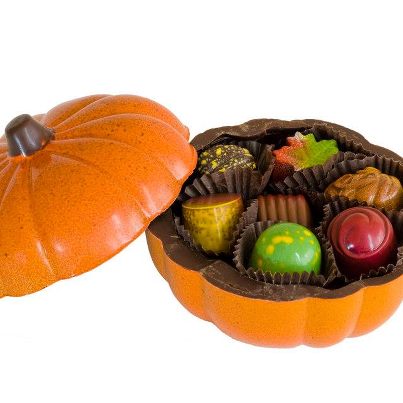
Trick or Treat: The Best Candy Shops in Charleston

Trick or Treat

Image Above Taken From: Christophe Artisan Chocolatier – Patissier
www.christophechocolatier.com/

Happy Halloween, from all of us here at The Center for Natural Breast Reconstruction! In the spirit of the season, we’ve compiled Charleston’s most delectable shops where you’re sure to find a holiday indulgence for yourself or for trick-or-treaters!

Robot Candy Company:  If you have young children or grandchildren, nieces or nephews, treat them to a trip to Robot Candy Company on 322 King Street this Halloween. With toys and sweets galore, you’ll be hard-pressed to find a place that sings more to a child’s heart. You can even pick up a little candy for yourself!
Charleston Candy Kitchen:Looking for a little something to pass out to your neighborhood trick-or-treaters? Check out Charleston Candy Kitchen. Though the shop is renowned for its homemade taffy, it’s also lined with shelves and barrels of colorful serve-yourself candy. They even have caramel-dipped apples, hand-dipped berries and nuts, truffles, and gelato. Stop by 32 North Market Street and discover the spoils for yourself!

Kilwins Chocolates:Chocolate, toffee, caramel, saltwater taffy, brittle, and fudge—if you can crave it, Kilwins Chocolates has it! Since 2001, this little chocolate and ice cream shop on 59 South Market Street has been innovating new ways to make our mouths water! For a seasonal treat, try the pumpkin ice cream, pumpkin walnut fudge, or Kilwins Tuttles, a rich concoction of chocolate, caramel, and your favorite nut!

  • Christophe Artisan Chocolatier-Pâtissier: Christophe Paume is a third-generation French chocolatier, who grew up in his father’s pâtisserie in Toulouse, France. Alongside his father, he learned to create artisan chocolates that are just as beautiful as they are delectable. The French chocolatier showcases his artistry on 90 Society Street in Charleston, where you can check out the array of hand-painted truffles, chocolate bars, chocolate sculptures, and chocolate orange peels—your sweet tooth will thank you!
  • Market Street Sweets: On 100 North Market Street in Charleston, you’ll find all the treats you could dream of for the spooky season. Try their Pumpkin & Pumpkin Pecan Fudge, Fall Chocolate Caramel Apples, or Pumpkin Pralines! One thing’s for sure: you won’t leave this sweet shop empty-handed!

What is your favorite Halloween treat?

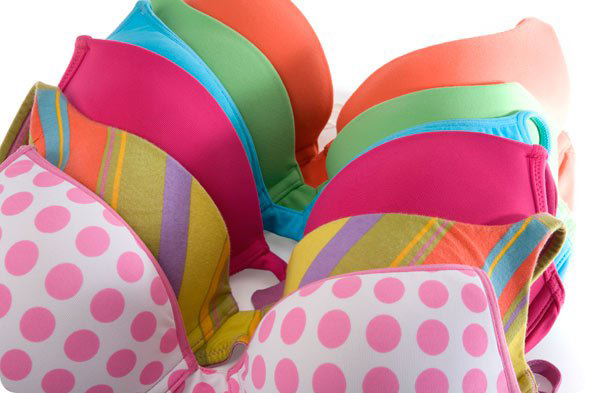
The A, B, C’s (and D, DD, E, F’s) of Proper Bra Fitting

It’s estimated that 8 out of 10 women are wearing the wrong size bra. That’s 80%, ladies – shocking! We are delighted today to feature our guest blogger, Cindy Bunce, of Chantilly Lingerie on West Coleman Boulevard in Mt. Pleasant. In this interview, Cindy shares the basics of proper bra fitting.

See below for our interview with Cindy:

How do you find the proper size? What measurements should I be using? 

Our staff is devoted to putting our customers in the correct bra! It is a sad fact that the majority of women are spending time in an unsupportive, improperly fitting bra. At Chantilly we do not use a measuring tape to fit bras because there is more to it than the width of your chest and back, and depending on the bra company, your size may vary.

What are some indications that I might be wearing the wrong size bra?

We begin the fitting with an actual bra and adjust the size by visually checking the fit. If you are constantly pulling your strap down in the back, you are in the wrong bra. If your strap falls off your shoulder, your bra is not fitted properly. Your bra should not give you rolls under your armpit or make it impossible to breathe. A properly fitted bra will make all the difference in how you look and feel.

How important is it to have a professional bra fitting performed?  Is it expensive?

A properly fitted bra will make all the difference in how you look and feel. Our fittings are free, and we offer a large variety of styles, cuts, and colors. Something for everyone! Come see us at Chantilly in Mount Pleasant. You will be glad you did!

Visit Chantilly Lingerie today on West Coleman Boulevard or follow them on facebook!

 About Chantilly Lingerie: Originally from Mt. Pleasant, Letha Polk has owned and operated Chantilly Lingerie for 24 years. Chantilly Lingerie realizes more than anything that form-fitting and flattering clothing is the most important thing to a woman as she shops. That’s why Chantilly Lingerie specializes in finding the undergarment that fits your body. A proper-fitting bra is important for comfort and flattering the figure. Sizes range from a 30 A all the way through to a 40F .

.

Lymphedema After A Mastectomy: Will Breast Reconstruction Surgery Affect This?

Lymphedema after mastectomyThe below question is answered by Dr. James Craigie of The Center for Natural Breast Reconstruction.

Lymphedema after mastectomy. What will reconstruction surgery do to my lymphedema if anything? 

The lymphedema is a difficult problem and it is directly related to having a mastectomy as well as removal of the lymph nodes under the arm.  It happens more frequently when these procedures are followed by radiation.  It is a combined effect and we do not understand why some people have it and some people don’t.  We feel that there is something with regard to someone’s anatomy that makes one person more prone to lymphedema.  There have been people who get lymphedema of the arm even after a sentinel node procedure although it is rare.  Therefore, it is important to know if reconstruction surgery of the breast can impact lymphedema.  There have been some studies to show that actually a healthy reconstruction of the breast may improve someone’s lymphedema.  It is unlikely to cure it but there have been situations when the reconstruction has helped if not minimize it.  Other things to expect while undergoing reconstruction or any surgery of the entire body may have become more swollen and therefore people who have lymphedema may see an increase in the size of the arm following breast reconstruction surgery or any other surgery for that matter.  Therefore, leading up to surgery we made sure that they have been compliant in performing their compression daily routines as well as massage helps and frequent follow-ups with their lymphedema therapist may be beneficial as well.  After surgery we have our patient seen by the lymphedema therapist to have their arm appropriately treated with massage and customized compression.

-Dr. James Craigie

The Center for Natural Breast Reconstruction.

Have questions for our surgeons? Submit your questions today and get answers straight form our surgical team! No matter where you are in your reconstruction process, we are here to help!

BRAdayUSA 2012: A Photo Journey Recap

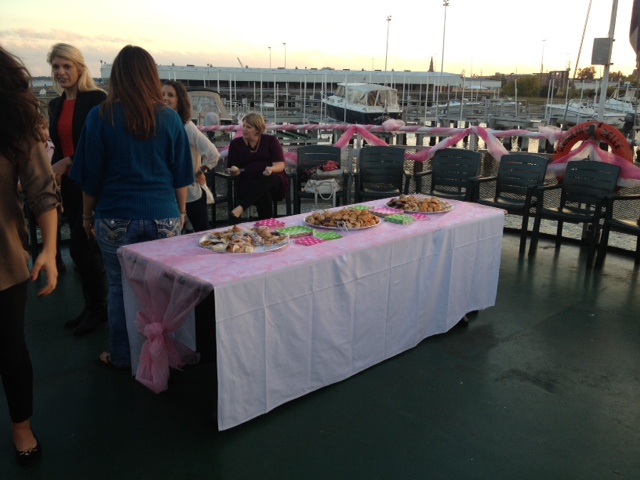
We are thrilled with the turn out and success of our BRAdayUSA event held last week aboard the Carolina Belle in Downtown Charleston! The night was filled with great people, food, a little retail therapy and outstanding raffle prizes. The Center for Natural Breast Reconstruction team couldn’t be prouder to have hosted our own BRA Day event for the first time this year, or to raise awareness of a cause we so firmly believe in.

If you couldn’t make it this year, or just want to relive the great moments, we’d like to share some of our favorite pictures from the night with you below!

Guest enjoying the hors d’oeuvres and mingling on the top deck!

What a beautiful night spent in the Charleston harbor.

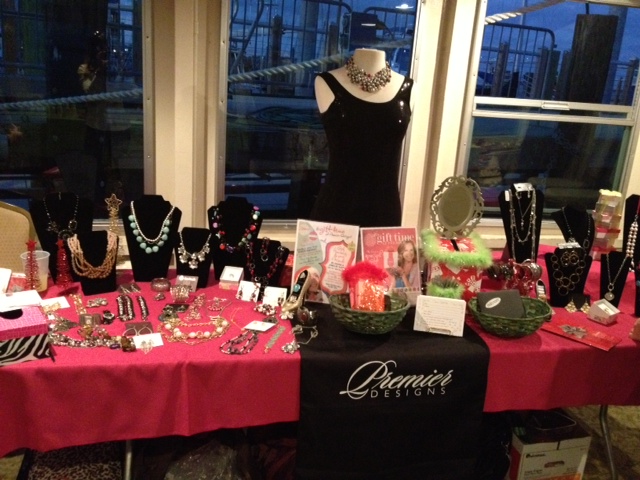
The Premier Design Jewelry booth featuring fabulous baubles.

Some of our guest enjoying a little retail therapy in the cabin.

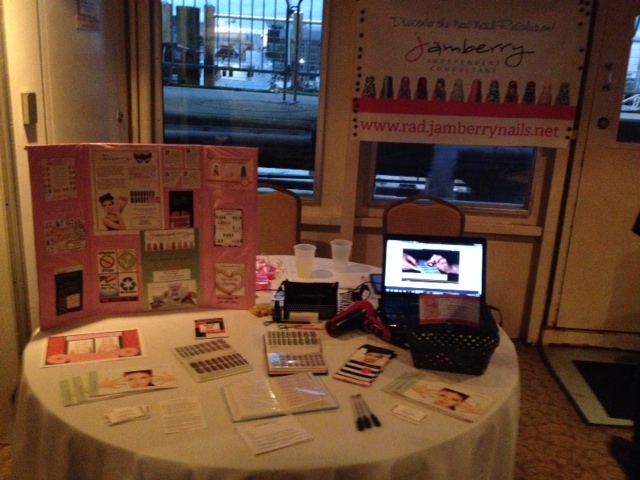
The Radberry Nails with nail creations to match any mood!

We cannot say thank you enough to all of the wonderful businesses that donated beautiful raffle items for this year’s event. Without you, this event would not have been the success it was! For a complete list of the participating vendors click here

For more pictures from this year’s event make sure to visit our facebook page!

Reducing Risk: Common Factors that Affect Your Risk of Breast Cancer

breast cancer risksThe American Cancer Society estimates that the lifetime risk of a woman developing breast cancer to be 13% in 2012—more than one in 8. Furthermore, 75% of all women with breast cancer today have no known risk factors, or anything that would potentially increase a person’s chance of developing cancer.

Though having a cancer risk factor, or even several of them, does not necessarily mean that a person will get cancer, it’s always a good idea to reduce risk as much as possible. Some of the factors associated with breast cancer—such as being a woman, age, and genetics—can’t be changed. Other factors, like maintaining a healthy weight, exercising, not smoking cigarettes, and eating nutritious food, are dictated by a person’s choices. By choosing the healthiest lifestyle options, you can make sure your breast cancer risk is as low as possible, and find empowerment in your good decisions.

Family History: Though you cannot change your heritage or genetics, being aware of your family’s history means you’re more inclined to protect yourself against diseases that are prevalent in your family tree. Research shows that women with close relatives who’ve been diagnosed with breast cancerhave a higher risk of developing the disease. If you’ve had one first-degree female relative (sister, mother, daughter) diagnosed with breast cancer, your risk is doubled. If two first-degree relatives have been diagnosed, your risk is 5 times higher than average. A family history of cancer of the ovaries, cervix, uterus, or colon increases your risk. Female descendants of Eastern and Central European Jews (Ashkenazi) also face increased risk. Caucasian women are at a slightly higher risk of developing breast cancer than are African-American, Asian, Hispanic, and Native American women. The exception to this is African-American women, who are more likely to have breast cancer than whites under the age of 40. If you inherited risk, you can minimize its development by making healthy lifestyle choices, such as not smoking, adhering to a nutritious diet, exercising, and abstaining from alcohol.

  • Alcohol Consumption: Compared to nondrinkers, women who consume one alcoholic drink a day have a very small increase in risk, and those who have 2 to 5 drinks daily have a 15% higher risk than women who do not drink. That risk goes up another 10% for each additional drink women have regularly each day. (Note: one drink equals 12 ounces of beer, 5 ounces of wine, or 1.5 ounces of hard liquor). Research shows that alcohol of any sort can increase levels of estrogen and other hormones associated with hormone-receptor-positive breast cancer. Alcohol also may increase breast cancer risk by damaging DNA in cells. The bottom line is that regularly drinking alcohol can harm your health, even if you don’t binge drink or get drunk.
  • Smoking: Smoking causes a number of diseases and is linked to a higher risk of breast cancer in younger, premenopausal women. Research also demonstrates that there may be link between very heavy second-hand smoke exposure and breast cancer risk in postmenopausal women. Smoking also can increase complications from breast cancer treatment, including damage to the lungs from radiation therapy, difficulty healing after surgery and breast reconstruction, and an increased risk of blood clots when taking hormonal therapy medicines. To reduce your risk associated with smoking, the only solution is to quit smoking [http://breastreconstructionnetwork.com/stop-smoking-series-all-about-tobacco-quitlines/] immediately.
  • Diet and Nutrition: Diet is thought to be a main contributor for about 30% to 40% of all cancers. Though no food or diet can prevent you from getting breast cancer, some foods can boost your immune system and help keep your risk for breast cancer as low as possible. Getting the nutrients you need from a variety of fruits, vegetables, legumes, and whole grains can give your body the energy it needs to fight off infection and disease. Eating food grown without pesticides may also protect against unhealthy cell changes associated with pesticide use. Additionally, avoiding high-fat diets can also decrease breast cancer risk factors. Overweight women are thought to be at higher risk for breast cancer because the extra fat cells produce estrogen, which can cause extra breast cell growth and lead to the development of breast cancer.
  • Exercise: Research shows that exercising regularly at a moderate or intense level for 4 to 7 hours per week can lower the risk of breast cancer. Exercise consumes and controls blood sugar and limits insulin spikes in the bloodstream—an important preventative measure considering insulin is a hormone affects how breast cells grow and behave. People who exercise regularly tend to be healthier and are more likely to maintain a healthy weight. As we mentioned earlier, extra fat produces more estrogen. When breast cells are exposed to extra estrogen over time, the risk of developing breast cancer is higher Limiting fat in your diet is necessary for good health, and it is equally important to burn extra fat cells with exercise as an additional preventative measure.

What are some ways you combat the risk of developing breast cancer?

Can I Use Vitamin E on Incisions Resulting from Breast Reconstruction Surgery?

vitamin e on incisionsThe below question is answered by Charleston breast surgeon, Dr. James Craigie, of The Center for Natural Breast Reconstruction.

Is Vitamin E of any use on incisions? 

Scarguard or silicone sheeting may be a better alternative.  There are several things, scientific improvements, which helps the appearance of scars. Silicone is probably the most effective.  Silicone works by an unknown mechanism to help soften raised or severe scars regardless of how old they are.  The other technique proven to work is massage.  Topical massage can help the scars whether they are new or old and combined with silicone is probably the most useful combination treatment for difficult scars.  Scarguard is a product that contains silicone, comes in a liquid form is painted on like fingernail polish, and because of the silicone component it is effective for some scars.  Regarding Vitamin E, there have been some studies to hint that it may help with scar formation and some people find a benefit in taking vitamin E orally from a capsule or rubbing it into a scar.  However, it may be that massage is more effective than the Vitamin E.  In summary, the best answer is that all of these techniques can help.  They must be used at the appropriate time so it is always best to ask your surgeon for guidance as to when the best time to begin scar therapy would is.  Also, it is important to know that no technique will make scars disappear completely.  The goal with these treatments is either to minimize the severity of the scar or to improve its appearance.

-James E. Craigie, M.D.

Have questions about breast reconstruction options? Submit them here and get answers straight from our surgical team!