Search Results for: eating

Reducing Risk: Common Factors that Affect Your Risk of Breast Cancer

breast cancer risksThe American Cancer Society estimates that the lifetime risk of a woman developing breast cancer to be 13% in 2012—more than one in 8. Furthermore, 75% of all women with breast cancer today have no known risk factors, or anything that would potentially increase a person’s chance of developing cancer.

Though having a cancer risk factor, or even several of them, does not necessarily mean that a person will get cancer, it’s always a good idea to reduce risk as much as possible. Some of the factors associated with breast cancer—such as being a woman, age, and genetics—can’t be changed. Other factors, like maintaining a healthy weight, exercising, not smoking cigarettes, and eating nutritious food, are dictated by a person’s choices. By choosing the healthiest lifestyle options, you can make sure your breast cancer risk is as low as possible, and find empowerment in your good decisions.

Family History: Though you cannot change your heritage or genetics, being aware of your family’s history means you’re more inclined to protect yourself against diseases that are prevalent in your family tree. Research shows that women with close relatives who’ve been diagnosed with breast cancerhave a higher risk of developing the disease. If you’ve had one first-degree female relative (sister, mother, daughter) diagnosed with breast cancer, your risk is doubled. If two first-degree relatives have been diagnosed, your risk is 5 times higher than average. A family history of cancer of the ovaries, cervix, uterus, or colon increases your risk. Female descendants of Eastern and Central European Jews (Ashkenazi) also face increased risk. Caucasian women are at a slightly higher risk of developing breast cancer than are African-American, Asian, Hispanic, and Native American women. The exception to this is African-American women, who are more likely to have breast cancer than whites under the age of 40. If you inherited risk, you can minimize its development by making healthy lifestyle choices, such as not smoking, adhering to a nutritious diet, exercising, and abstaining from alcohol.

  • Alcohol Consumption: Compared to nondrinkers, women who consume one alcoholic drink a day have a very small increase in risk, and those who have 2 to 5 drinks daily have a 15% higher risk than women who do not drink. That risk goes up another 10% for each additional drink women have regularly each day. (Note: one drink equals 12 ounces of beer, 5 ounces of wine, or 1.5 ounces of hard liquor). Research shows that alcohol of any sort can increase levels of estrogen and other hormones associated with hormone-receptor-positive breast cancer. Alcohol also may increase breast cancer risk by damaging DNA in cells. The bottom line is that regularly drinking alcohol can harm your health, even if you don’t binge drink or get drunk.
  • Smoking: Smoking causes a number of diseases and is linked to a higher risk of breast cancer in younger, premenopausal women. Research also demonstrates that there may be link between very heavy second-hand smoke exposure and breast cancer risk in postmenopausal women. Smoking also can increase complications from breast cancer treatment, including damage to the lungs from radiation therapy, difficulty healing after surgery and breast reconstruction, and an increased risk of blood clots when taking hormonal therapy medicines. To reduce your risk associated with smoking, the only solution is to quit smoking [http://breastreconstructionnetwork.com/stop-smoking-series-all-about-tobacco-quitlines/] immediately.
  • Diet and Nutrition: Diet is thought to be a main contributor for about 30% to 40% of all cancers. Though no food or diet can prevent you from getting breast cancer, some foods can boost your immune system and help keep your risk for breast cancer as low as possible. Getting the nutrients you need from a variety of fruits, vegetables, legumes, and whole grains can give your body the energy it needs to fight off infection and disease. Eating food grown without pesticides may also protect against unhealthy cell changes associated with pesticide use. Additionally, avoiding high-fat diets can also decrease breast cancer risk factors. Overweight women are thought to be at higher risk for breast cancer because the extra fat cells produce estrogen, which can cause extra breast cell growth and lead to the development of breast cancer.
  • Exercise: Research shows that exercising regularly at a moderate or intense level for 4 to 7 hours per week can lower the risk of breast cancer. Exercise consumes and controls blood sugar and limits insulin spikes in the bloodstream—an important preventative measure considering insulin is a hormone affects how breast cells grow and behave. People who exercise regularly tend to be healthier and are more likely to maintain a healthy weight. As we mentioned earlier, extra fat produces more estrogen. When breast cells are exposed to extra estrogen over time, the risk of developing breast cancer is higher Limiting fat in your diet is necessary for good health, and it is equally important to burn extra fat cells with exercise as an additional preventative measure.

What are some ways you combat the risk of developing breast cancer?

Small Things Add Up: How to Stick to Your Diet

Image Taken From: www.womensonlinemagazine.com

Weight gain is often the cumulative effect of a series of small decisions: do you take the stairs or the elevator? Do you walk to the corner store, or drive? Sit in front of the TV, or walk the dog? Fortunately for those who want to stick to a diet, the small decisions we make every day can help us to reach our goals without feeling as though our lives have been dominated by the desire to lose weight. Here are some ways you can focus on the small things that have a huge effect on the success of your diet:

Mentally prepare yourself every day: When you wake up in the morning, consciously think about your diet. Before you even enter the kitchen, remember your goals, and mindfully select food that will fuel your body for the day. Whole grains and fruits are the perfect way to get your metabolism going without spiking your blood sugar levels.

  • Enjoy every bite: Take time during your meals to fully chew and savor every bite. Even if you are only eating your dish because you know it’s good for you, remember it’s healthy for a reason—those vitamins and minerals help your body perform the functions that sustain your very life! Rejoice in your body’s incredible machinery, and give it the fuel it deserves.
  • Stay accountable: Even if it pains you, step on the scale every day. It keeps you honest, and reminds you that the decisions you make throughout the day are leading you to your goal. You can even keep a food diary to chart your progress and keep track of the foods you eat throughout the day.
  • Regularize your eating: Eat at the same time every day, and plan meals that are both nutritious and help you feel sated. When your body gets in the habit of an eating schedule, you reduce hunger and the midday temptation to snack too much.
  • Exercise with a friend: Accountability can be the deciding factor in whether or not a diet succeeds. Plus, exercise is much more enjoyable when in good company.
  • Take the stairs: Remember, everything matters, and small adjustments make a world of difference when it comes to losing weight. Every opportunity you see to burn more calories or eat healthier, take them.  Get acquainted with the stairs, and be sure to break up the hours at the desk with a stroll to the water fountain, or just stand up for a few minutes. Really, anything burns more calories than sitting.

Do you have the secret to a successful diet? Feel free to share in the comments section below!

Treasure Hunting: The Top Antique Stores in Charleston

Charleston Antiques

The Charleston Battery Bench, Image Taken From:Geo C. Birlant and Company (www.birlant.com)

Looking for something nostalgic to spruce up your home? In Charleston, there’s no shortage of fantastic antique boutiques—and each of these local shops is a trove full of beautiful finds you never even knew you needed. Make your next shopping trip a stroll down memory lane, and find an heirloom or two to take home with you. Here are some of our favorite places to treasure hunt:

Geo C. Birlant and Company: Founded by George Birlant in 1922, this historic shop is one of the best places to find exquisite English Georgian furniture and silver. The family-owned business offers the finest in antique benches, dressers, silver, porcelain, crystal, brass, fireplace accessories, and longcase clocks. For those looking for something old-but-new, they even handcraft exceptional reproductions.

Golden and Associates Antiques: Located in historic Charleston, this local boutique has a reputation for dealing with the finest antiques around.  Art, seating, case pieces, chandeliers, mirrors, and tables are just a few of the extraordinary items waiting to take your breath away. You’re sure to find your home’s new signature piece here!

Terrace Oaks Antique Mall: Since 1988, Terrace Oaks Antiques has been one of the most renowned multi-dealer antique shops in Charleston with over 90 booths for every collectors’ tastes. Here you’ll find Victorian jewelry, books, American and European furniture, majolica, oyster plates, antique prints and engravings, original works of art, military items, linens, rugs—and that’s just the short list. Come peruse this storied mall and see for yourself!

Antiques of South Windermere: This upscale antique shop has plenty of furniture, household goods, and art to offer the discerning buyer. With well-preserved, high quality antique items on the main floor to entice your browsing, there is also a back room with a plethora of books to discover. If you’re looking for a nice gift or trying to decorate on a generous budget, you’ll love this gem of an antique shop.

Now get out there,  and find the little piece of antiquity to complete your home’s stellar décor.

What is your most treasured antique find?


Around the World in Charleston: Best Ethnic Dining

In Charleston,  we like to give our taste buds a little adventure, and luckily, we don’t have to jet-set far for a bite of global cuisine. With our local restaurants showcasing classic dishes the world-over, all we have to do is decide where our hunger will take us next! Here are some of our favorite places to dine the world right in our beloved Lowcountry:

  • Basil: When we’re in the mood for authentic Thai cuisine,  only Basil will do. Whether it’s peanut-sauce-glazed satay, their famed basil rolls, curries, or Pad Prik, no other Thai restaurant comes close to Basil’s dishes or their lush, sophisticated ambiance. Be sure to top off your delicious meal with one of their signature cocktails—a perfect nightcap.
  • Zia Taqueria: Looking for something a little south of the border? Zia is an authentic Mexican taqueria offering regional Mexican, Southerwestern, and Tex-Mex cuisine and beverage with only natural ingredients. Be sure to try the savory tortas, carne asada, and baja fish —you’ll never forget that wonderful baja sauce!
  • Tabbuli: To sum up the magic of Tabbuli in a word: babaghanoush. Their fire-roasted rendition of this beloved eggplant appetizer is worth the trip alone! Of course, we stay for their glorious salads—fattoush, tabbuli, and the tahini salad. And the falafel. And the kabobs. Who are we kidding—we love it all.
  • La Fourchette: This French bistro will have your heart before you can say moules a la bretonne (their steamed mussels with shallots in a buttery garlic and white wine sauce). For the vegetarian diner, they offer a plethora of soups and salads, as well as an otherworldly delicious eggplant dish, replete with tomatoes, zucchini, and goat cheese, all in a decadent leek sauce. Don’t leave without sampling their succulent cheeses, paired perfectly with any wine from their full list!

Which ethnic eateries have you sampled in Charleston?


The Best Fro-Yo in Charleston

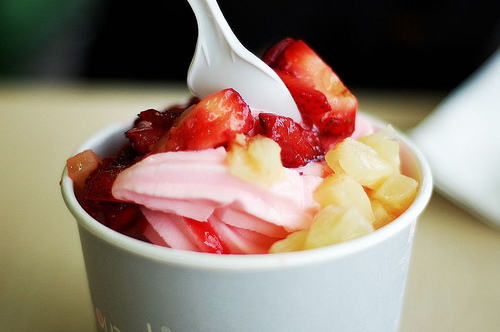
The frozen yogurt craze is sweeping the country—and Charleston, too!  One of the healthier indulgences around, frozen yogurt topped with fresh fruit is also the perfect summer treat.  Come see a few places where you can get your fix, and get in on the fun:

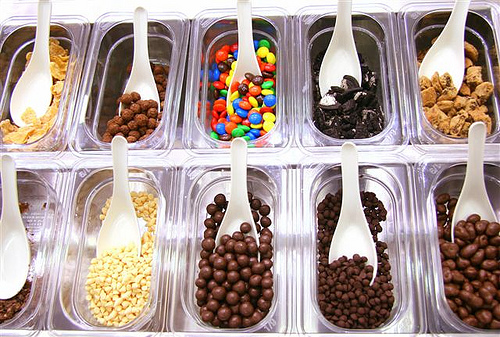
TCBY: Right off Folly Rd, you can get your swirl on at the chain that started it all. With delectable soft serve flavors (cake batter, anyone?), you can dress your fro-yo with toppings ranging from fresh fruit and almonds, to brownie bites and cookie bits. Show restraint or indulge as you see fit!

  • YoBe Frozen Yorgurt: With two locations to choose from, one in West Ashley and the other off International Boulevard in North Charleston, it’s easy to tour the delicious offerings of this renowned yogurt stand. The distinctive yogurt-rich taste of their soft serve is unlike anywhere else and absolutely delicious.

  • FreshBerry Frozen Yogurt Café: This frozen yogurt café on St. George Street is sure to woo with its pleasant atmosphere and fruit-infused menu. Stop by for a perfect late-night dessert, and enjoy some of the finer local fro-yo offerings in Charleston.
  • Yogurt Mountain: A lively stand on King Street, this frozen yogurt eatery has an abundance of soft serve flavors and toppings to make the perfect treat. For the lactose-intolerant diners, they even offer sorbet in wonderfully fruity options!
  • Menchies Frozen Yogurt: In Mount Pleasant, you’ll find this fro-yo joint has all the flavors and toppings you could wish for, and a hands-on approach to the whole endeavor: the soft serve machines, lined along the wall, are customer operated. So get creative! Mix and match to your heart’s content. Menchies even accounts for the indecisive fro-yo imbiber with little cups to sample each flavor.

What’s your favorite frozen yogurt flavor and topping combo?


The Perfect DIY Pedicure

Sandal season is here! At The Center for Natural Breast Reconstruction, we keep seeing strut-worthy pedicures all around. So what are you waiting for? Grab your favorite polish and arm yourself with these pro-tips for the perfect pedicure. Your piggies will thank you!

Trim and File

After you’ve removed your nail polish, cut the nails straight across just above your skin (only a sliver of nail-white should remain). Afterward, take an emery board and file the edges into a nice curve. As for choosing an emery file, the fine-grain boards are for smoothing, and the coarser ones are for shaping the nail.

Soak ‘Em

Fill a large bowl or partially fill your bathtub with warm water. Add a few drops of your favorite aromatherapy oil and rest your feet in the water for 10 minutes.

No aromatherapy oil, you say? Follow this simple recipe for your footbath. It softens those puppies and removes dead skin:
1 C. Buttermilk (slightly warmed)
½ C. Sugar
6-7 C. Hot water

Clip

After you’ve dried your feet, apply a basic cuticle remover to the base of each nail and rub in the solution. Wipe the excess away, and then use an orangewood stick to gently push back where skin meets the nail (including the sides). If you have a light hand and won’t nick yourself, you can use cuticle nippers to trim any loose skin.

Exfoliate

Introduce your feet to the magic of a wet pumice stone. You can buy these pretty much anywhere and they work brilliantly to slough away dead skin on your heels and the balls of your feet. Remember the objective is to smooth out the skin, so scrub gently.

Moisturize

Moisturizing is the key to healthy skin and pretty feet. Take any thick, creamy lotion and rub it into your feet thoroughly. (Expert tip: lotion with shea butter is excellent for dry skin). Take your time with this step—you’ve worked diligently to get here, and the massage goes a long way to relieving tension.

Paint and Appreciate

Apply a thin base coat using three strokes, one down the middle and one on each side. Don’t paint the cuticle. Wait a minute before adding two coats of your favorite polish, then finish with a thin top coat. For a summery color choice, opt for anything in the blue-green family—teal is the it-color this season.

Now all that’s left is to decide where you’re going to show off your pretty peds!

What is your favorite place to show off a new pedicure?


The Charleston Food Truck Revolution

Image Above Taken From: PostandCourier.com

Here in Charleston, our food trucks are plentiful and easy to track down (unlike the roaming ones in Portland and Los Angeles), and more are popping up all the time! With ever-changing chalkboard menus and local produce, these food trucks range from varied ethnic kitchens to singular specialty stands. Come to Eat Street (44 Morris Street), and see what delectable offerings these food trucks are serving up today!

Geechee Island: This mobile kitchen specializes in smoked meats, from pulled pork to smoked turkey and smoked chicken sandwiches. They also offer a variety of flavored wings, making this truck a one-stop shop for all meat-lovers.

Diggity Doughnut Truck: For decadent eating without the guilt, stop by the Diggity Doughnut truck for whole grain, all natural, vegan doughnuts. With gluten-free options and agave icing substitutes available, there’s no reason not to swing by for a healthy breakfast on the go!

  • Hello My Name is BBQ: The mother-truck of all-things-barbeque, this mobile eatery’s dishes are worth many introductions to your plate. Specializing in beer-braised BBQ on brioche with toppings to match—barbequed bacon, grilled jalapenos, coleslaw, and blue cheese, to name a few—this truck is sure to impress.
  • Pot Kettle Black: Serving up Chicago-Italian beef, Philly roasted pork, New Orleans muffalettas, and Wisconsin beer cheese soups, Pot Kettle Black gives your taste buds a culinary tour of the states!
  • Roti Rolls: The food truck that rolls all your favorite cuisines into one, Roti Rolls offers Asian, Indian, Caribbean, Latin, and Southern delicacies all on their signature Roti Bread. Explore the possibilities on your lunch break!

What is your favorite food truck in Charleston?


Omega-3s: 5 Ways to Load Up on These Healthy Fats

omega3Many people hear the word “fat” and immediately think it should not be a part of their diet. But what you might not know is that some fats are actually good for you!

Omega-3 fatty acids are in the “healthy fat” group, and your body actually needs them to function normally. Not only are they great for your brain, but they also have been shown to reduce inflammation, boost heart health, lower triglycerides, relieve rheumatoid arthritis, and even aid in the treatment of depression. As an added bonus, Omega-3s are an antiager!

These miracle fats are vital to your overall health and longevity. Your body can’t produce these healthy fats on their own, so you need to make sure you’re getting a daily dose through your diet.

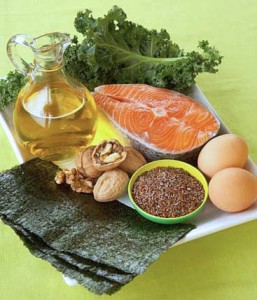
Chances are you’re already eating foods that contain Omega-3s without even knowing it. Below are five wonderful sources of Omega-3 fatty acids and how to include them in your diet. Happy eating!

1. Fish

Salmon and tuna are two of the best natural sources of Omega-3 fatty acids. These are a wonderful dinner option, served with wild rice or on top of a salad. Don’t shy away from the white part of the fish when it’s cooked – that’s where the highest concentration of Omega-3s is!

2. Avocados

Cut up an avocado and toss it into your salad – it’s a great way to get those healthy fats with fewer calories! Plus, they add variety to your traditional salad.

3. Walnuts

Keep a handful of these at your desk to ward off afternoon hunger and keep your mind alert.

4. Olive Oil

Heart-healthy olive oil is full of Omega-3 fatty acids, and is also great for your skin and waistline! Try substituting it for butter when cooking your morning omelet.

5. Flax Seeds

Flax seeds have one of the highest concentrations of Omega-3 fatty acids found in nature. A three-tablespoon serving of flax seeds has the same amount of Omega-3s as a pound of fish, making this a great option for a girl on the go. Add them to your cereal, or serve with yogurt and fruit for a nutritious meal that will keep you going all day!

There are also many Omega-3 supplements available at your local health food store, if you feel that you’re not getting enough of these foods. Just make sure that you’re taking 500 mg of fish oil, or Omega-3s, per day.

Visit our Facebook page and share your healthy eating tips!


Best Spring Workouts to Stay Fit and Energized

woman-working-outWhen the chills of winter finally recede (and we start to remember that bathing suit season is just around the corner), the thought of working out becomes more appealing than it’s been for months. Here are some ways to take advantage of longer, warmer days to build fitness habits that will keep you healthier all year long.

  • Ride your bike. Whether you cycle on a nearby trail or pedal to run errands, biking is a great way to get exercise, spend time outside, and save money on gas. For added enjoyment, recruit a friend or two to ride with you.
  • Take a hike. Walking through the woods connects you with all the beauty of spring and lets you get away from the stresses of civilization. Kick the health level up a notch by combining a hike with a hunt for morel mushrooms and other edible spring blossoms (but be sure to double check the identity of everything you pick before eating!)
  • Go for a swim. True, it’s not warm enough in most of the country to swim outdoors yet, but warmer temps make indoor pools seem much more appealing than they did during the depths of winter. Bonus: find an indoor pool with diving boards, and you can make it a family event.
  • Help your garden grow. Vigorous gardening (such as preparing ground for spring planting) lets you work up a sweat for a bigger purpose. There’s no motivation to get active than thinking about the crop of succulent tomatoes that awaits you in a few months!
  • Mow the lawn. Powerless mowers provide the best workout, but even gas-powered push mowers let you work up a sweat while exercising most major muscle groups.
  • Hit the net. Call a friend for a game of tennis or set up a net in your backyard for volleyball or badminton. Lawn games are a great addition to springtime barbecues because they offer a non-eating, non-drinking way to interact with others.
  • Wash your car. Scrub away the caked pollen and get your heart rate up in the process.
  • Play a game of pickup. Basketball, soccer, softball—any game that lets you run around outside without feeling foolish is okay in our book. And don’t feel as if you have to recruit two full teams—one-on-one matchups are possible in almost any sport!

Exercise is one of the easiest and most important ways to maintain your health after breast cancer or to lower your chances of developing cancer and other diseases, so head outside and enjoy the season!


Eat with the Season for Better Health

seasonal fruitOnce upon a time, before refrigerated trucks and supermarkets, people ate according to what was grown nearby in any given season (or according to what they’d thought to preserve during the previous months).

While today’s agricultural and supermarket industries offer us many more choices in how and what we can eat, doing things the old-fashioned way comes with a number of health benefits. Here’s why you can do your body a huge favor by adding more local, seasonal produce to your diet.

  • Higher nutrient content. Produce has its highest nutritional value at peak ripeness, and starts losing that value as soon as it’s harvested. Many fruits and vegetables [link to ] destined to be shipped long distances are picked before they achieve optimum ripeness and lose nutrients during the long shipment process (and while they sit on your shelves). Eating locally and in season lets you avoid both problems and enjoy more of the nutrients that protect against breast cancer [link to] and other diseases.
  • Better taste. The fresher produce is, the better it tastes. It’s as simple as that. If you’re unfamiliar with the various offerings at your local farmer’s market, you can enjoy an assortment of tantalizing flavors by researching recipes designed for the vegetables and fruits available to you. Or ask the people you buy produce from: chances are, they’ll have plenty of ideas for enjoying the season’s freshest offerings.
  • Smaller carbon footprint. The less distance food travels, the less gasoline is required to get it from the field to your mouth. This creates a greener, healthier planet for everyone.
  • Better prices. When a crop is ripe, farmers have to harvest it and sell it before it goes bad. This means that prices will be lower for you—it’s a simple matter of supply and demand. Take advantage of your favorite food’s peak seasons by learning to preserve batches of whatever you want to eat when the season has passed.

Eating a diet rich in plant-based foods has been shown to be one of the most effective ways to prevent cancer of all kinds. Treat your body right by indulging in the delicacies blooming outside your doorway, and enjoy the rich flavors and high quality of life that brings you!