What Are My Options for Uneven Breasts?

charleston breast surgeonsThe below question is answered by the Charleston breast surgeons at The Center for Natural Breast Reconstruction.

I had TRAM flap reconstruction in 2002 with revision and a follow up surgery in six months later. Since then some shrinkage has occurred in the reconstructive side and I have a hollow area on the upper portion. Do I have options for more normal looking breast without the hollow area?

You potentially have many options to improve your reconstruction. No one solution is perfect for all situations, but some options include repositioning the flap to a higher location, augmenting the hollow area with your own fat grafts (taken usually from abdomen, thigh, or buttocks), or using any excess skin / fat from under your armpit as an additional flap to lift and augment the TRAM (we call this a 5th intercostal artery perforator flap). Some more aggressive options would include placing a small breast implant under the TRAM flap, or adding a whole new microvascular flap from another area, although this is rarely in practice necessary.

Hope this helps. Please feel free to email or call with any additional questions.

–The Center for Natural Breast Reconstruction Team
How to Keep Your Tresses Healthy and Radiant

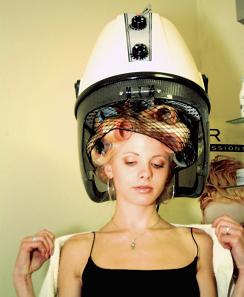
healthy hair tipsHaving a healthy head of hair is easier than you might think. It all starts with your diet and ends with what you put on your hair. Following are a few tips to create the healthy hair you’ve always wanted.

Your hair is what you eat.

One of the easiest ways for doctors to see if their patients eat a healthy diet is to look at their hair. What you eat dictates how healthy your hair is from the inside out.

When it comes to nourishing your hair, get your nutrients from food, and use supplements such as multivitamins only as an insurance policy. Other concoctions that promise thicker, fuller hair don’t give your body anything you can’t give yourself through good food choices.

Eat a balanced diet of the following foods to nourish your hair:

  • Salmon, flaxseed, nuts, and seeds for omega-3 fatty acids.
  • Meat, dairy, and poultry for high-quality protein.
  • Fruits and vegetables, especially dark green and carrots, for vitamins A and C.
  • Nuts, seeds, eggs, and beans for trace minerals such as biotin and zinc.

If you eat a poor diet, your hair will suffer because it’s not getting the nutrients it needs.

Use a gentle shampoo and conditioner.

As it cleanses, shampoo strips the natural oils that make your hair shiny and healthy, so you put conditioner on it to bring back the shine and promote softness. Many shampoos have harsh detergents called sulfates, and two of the most common are sodium laureth sulfate (SLES) and sodium lauryl sulfate (SLS). These ingredients create the suds we’re used to, but they also cause  your hair to lose moisture and can fade color.

Sulfate-free hair cleansing can take many forms: sulfate-free shampoos, cleansing conditioners, and natural hair soaps. Any of these choices are much gentler to your hair, and you’ll be amazed at how much softer and healthier your hair looks and feels.

Try hair treatments.

Especially if you blow dry, curl, or straighten your hair, regular hair treatments can dramatically improve the look and feel of your hair. Your hairdresser can recommend treatments, and stores carry a large variety, ranging from hot oil vials to deep conditioning packs.

You don’t need to wash every day.

Women who switch from washing their hair every day to every other day report that their hair is stronger, silkier, and healthier than those who wash every day. It’s simply not necessary for most women to wash their hair daily. Often, women who believed their hair was oily find that after a short adjustment period, they are able to wash less frequently, and some use dry shampoo in between washings.

What do you do to keep your hair healthy?

Breast Cancer Survivor Shares Reconstruction Success Story

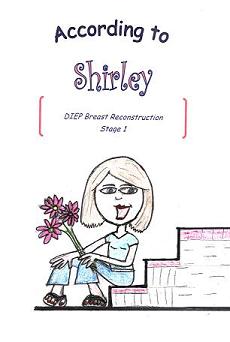
according to shirleyWe are so happy to share with you another In Her Words post, this time with Shirley Trainor-Thomas, a breast cancer survivor, Hodgkin’s lymphoma survivor, and reconstruction success story!

Shirley was a patient of ours at The Center for Natural Breast Reconstruction and we are delighted to share her story with you.

See below for the interview (*Don’t forget to download a copy of According to Shirley, a short story / information booklet written by Shirley about her breast reconstruction experience):

When you were diagnosed with breast cancer in your left breast, you chose to have a double mastectomy. What influenced this decision? In other words, what factors did you consider when deciding whether or not to have a double mastectomy?

“It’s not good, princess.” Those were the exact words Dr. Bob Flowers used when he called to tell me the results of my biopsy. I promptly informed him that it was not the right answer! And after I caught my breath, I asked what we were going to do about it. He said he would get me to a surgeon that very day. True to his word, my husband and I were in Dr. Stan Wilson’s office that afternoon and we started discussing options. I was a bit of a difficult case because many years ago I had Hodgkin’s lymphoma and radiation to my entire torso—which is what likely caused my breast cancer. There was a lot of discussion among physicians and tests that were taken to make sure we had all of the information we needed to make the best decision.

The waiting to get answers and opinions that would lead to a plan was excruciating. All I could think about was breast cancer and I spent endless hours on the Internet trying to learn everything I could about my diagnosis and choices. My husband and I were in a fog.

Long story short, it appeared that chemo and mastectomy was my option. But, Dr. Wilson wasn’t totally convinced chemo was the really indicated and sent my tissue to have the Oncotype test.   As we waited on those results, we were moving forward with the chemo option. On a Thursday evening, I was preparing for surgery to take place the next morning to have a port put in—and at 8:00 pm, Dr. Wilson called with the Oncotype results—they were great. We opted to not have chemo.

Because other cells in my breasts were described as “busy” by the pathologist, I knew there was a chance of cancer striking my other breast. Given the painful waiting and emotional impact we went through, my husband and I said that we need to eliminate the chance of having to go through this again. Playing into that decision was that I was aware of the DIEP reconstruction option. I’m lucky, not everyone knows about that option and most people have to do a lot of research to find it or the right surgeon. I knew right out of the gate that the only person I would allow to do this procedure was Dr. Richard M. Kline, Jr. of The Center for Natural Breast Reconstruction.

2. What type of reconstruction surgery did you have and how do you feel about the results? Would you make the same decision again if you could go back?

I had DIEP. The great thing for me is that I went into surgery with bosoms and came out with bosoms—and a flat tummy. Bi-lateral mastectomy and reconstruction were done in one surgery.

Recovery was frustrating. As Dr. Kline kept telling me, “It’s a process.” No matter what he told me, I was convinced I would be back to normal in just a few weeks. Okay, so it took longer.  I got tired easily and couldn’t stand up straight for a while because of the stomach incision. But, my job requires travel and I was able to get on an airplane six weeks after surgery and get back to work.

My energy level took some time to return—it’s a big surgery. But, if faced with the same decision today, knowing what I know, I absolutely would do it again.

My bosoms are perfect.

Unfortunately, I didn’t have enough tummy fat to make them bigger than they were (my one chance—had I known, I would have eaten a lot more over the years!). Even my oncologist has marveled at how real they look and feel. But I would only allow Dr. Kline and Dr. Craigie to do it. I’ve read some horror stories online about women who went to surgeons who either weren’t trained properly or didn’t have the skill level needed for microsurgery. I actually communicate with women around the country to share my experience and to alert them that they really need to investigate their surgeon’s success record.

3. You decided to write a short story / information booklet about your breast reconstruction experience titled According to Shirley. Why did you choose to write this book and what do you hope readers will get from reading it?

I love Dr. Kline and his entire staff. But, when planning for surgery they gave me a booklet of what to do and expect. After going through the experience, I let them know they left A LOT of information out! It was written by medical professionals who never actually experienced the procedure. When I told them that the information was technically good, but needed to include more practical information, they said fine—write one. So I did. It’s really meant to give women a better idea of what to expect throughout the process and to keep positive about the experience.

4. What advice would you give to women who have undergone a mastectomy or double mastectomy and are unsure about natural breast reconstruction?

Research, research , research. Unfortunately, not all plastic surgeons will present options that they are not capable of providing, such as DIEP. Talk to several surgeons and get a feel for the success rate of the surgeon. Talk to their patients. It’s a major procedure. Women need to know how many procedures the surgeon has done and what his or her success rates are.

Have you downloaded your copy of According to Shirley? If not, click here.

How Can I Alleviate Scar Pain and Tightness After Surgery?

The question below is answered by Charleston breast surgeon, Dr. Richard M. Kline, Jr. of The Center for Natural Breast Reconstruction.

I had a Phase 1 SIEA flap reconstruction in February 2010, and a Phase 2 in November 2010. Abdominal and drain scars were revised in November 2010, but I’m still having severe pain, tightness, and discomfort, including bad scarring on part of the big abdominal incision and on both abdominal drain sites. I’m assuming that I need another surgery (I’m seeing my plastic surgeon soon). Is it correct to assume there’s a chance any new revisions might not work? And are there any techniques that could alleviate some of the abdominal tightness?

I’m sorry that you are experiencing a rare, but, unfortunately, persistently recurring, complication – not specifically of breast reconstruction surgery, but of any surgery.

Any time skin or other body structures are cut, myriad nerves, a few named, most unnamed, are unavoidably divided, or at least damaged. Most of the divided or damaged nerves “wither away,” and cause no problem. A very few of the damaged nerves stay “irritated,” and some of the divided nerves form “neuromas,” or very tender balls of nerve tissue. These account for much of the chronic pain, which some people experience following surgery. Why this occurs when it does, and how to predict or prevent it, are questions all surgeons would love to know the answer to. It is not preventable – the best a surgeon can do is warn patients that it could happen.

As a practical matter, re-operating for painful scars may not be very productive. When our patients have chronically painful surgical sites, we refer them to pain management specialists for treatment. Usually this involves injections of local anesthetics, steroids, or other agents. We have generally been pleased with the results we have seen from this.

If there are other reasons to revise your surgical site, it is not completely unreasonable to think that more surgery may favorably affect the pain, and we wish you the best of luck in that scenario.

–Dr. Richard M. Kline, Jr.

Have a question for one of the Charleston breast surgeons at The Center for Natural Breast Reconstruction? Ask us!

Kicking Off Breast Cancer Awareness Month in Columbia, SC

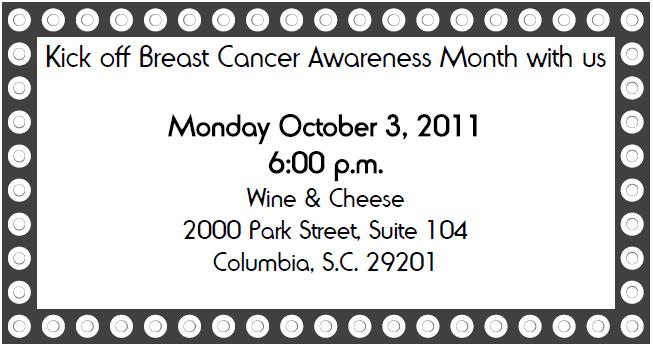
breast cancer awarenessIn or near the Columbia, SC area? If so, join The Center for Natural Breast Reconstruction team and other physicians and clinicians from all over South Carolina and the Green Hair Salon as we host our very own breast cancer awareness party.

During this fun-filled evening, you’ll have the opportunity to socialize with various physicians from across the state and ask questions about breast cancer, prevention, and breast reconstruction. Throughout the night, our team members, as well as other physicians, will speak about breast cancer and what you need to know to make smart, informed decisions about breast cancer.

Whether you know of someone who has faced breast cancer, or are currently fighting the battle with breast cancer, this event is for all women who are eager to educate themselves about their breast health options.

green hair salon

center for natural breast reconstruction

See below for more details on this event:

When: Monday, October 3, 2011, at 6 p.m.

Where: 2000 Park Street, Suite 104, Columbia, SC 29201

Food & Drink: Wine and cheese will be offered

Admission: FREE

RSVP appreciated, but not required: (866) 374-2627

We hope to see you there! And don’t forget, bring your questions.

Do You Know Your Breast Reconstruction Options?

breast reconstruction optionsWe’re thrilled to share some exciting news with you, today! Dr. Richard Kline, Charleston breast surgeon, and the lovely Leslie Haywood, owner of Grill Charms™ and breast cancer survivor, were recently interviewed on one of our local Charleston news channels. During this interview, Leslie shares her inspirational story of breast cancer survival and how she chose to have the breast surgeons of The Center for Natural Breast Reconstruction perform her natural breast reconstruction.

Dr. Richard Kline of The Center for Natural Breast Reconstruction spoke about breast reconstruction options for women who are currently undergoing treatment for breast cancer or who have had a mastectomy.

See below for the interview:

If you want to learn even more about Leslie Haywood’s story (and get a chuckle from her hilarious narrative), click here to view one of our recent blog interviews with her.

For those of you who aren’t aware of The Center for Natural Breast Reconstruction and what we do, here’s a brief description:

Charleston plastic surgeons Dr. James Craigie and Dr. Richard Kline specialize in breast reconstruction for women who have undergone mastectomy and those who are considering risk reducing prophylactic surgery. Some of the procedures performed by these Charleston breast surgeons include DIEP, SIEA, and GAP free flap breast reconstruction, which utilize your own tissue with no implants and no muscle sacrifice.

Our Charleston breast surgeons also perform nipple sparing mastectomy, reconstruction after lumpectomy, microsurgical breast reconstruction, and breast restoration. Visit The Center for Natural Breast Reconstruction website at http://www.naturalbreastreconstruction.com/.

Weird Breast Issues That Aren’t Really Weird At All

breast changesFrom nipple leakage to uneven sizes, our breasts often confuse or scare us. Most of the time, what appears to be a breast problem isn’t a problem at all, but a completely normal occurrence. Breast information isn’t at the forefront of the news unless it’s connected to cancer, so we don’t receive much information about breast issues that aren’t serious.

The following breast issues are typically normal, even though they may seem odd. Let us stress that if you have questions about any breast issue, or feel that something isn’t right, do not hesitate to call your doctor. Always listen to your gut and intuition.

Uneven breast sizes

If you look closely at other parts of your body that come in pairs, such as your eyes, hands, and feet, you’ll see that each one of the pair is different from the other, and this includes your breasts. Some women may find that one breast is a size or two different from the other, and this is normal.

Lumpy breasts

Have you ever driven yourself crazy because you think you’ve found several lumps during a self-exam? This one can be scary, but for some women, lumps are a normal part of their breast tissue. Called fibrocystic breasts, this noncancerous condition is very common, especially among premenopausal women. Dense breast tissue tends to feel lumpy, which is one more reason to know what is normal for your breasts and do thorough monthly self-exams.

Nipple leakage when you’re not pregnant

Nipple leakage is common, and fluid can be almost any color or consistency. Some women experience spontaneous leakage, while for others, the leakage occurs only if the nipple is stimulated. Rarely, leakage signals something more serious, so check with your doctor if you’re concerned or it regularly occurs spontaneously.

Extra nipples

Some men and women are born with extra nipples, much as female animals have. According to Texas ob-gyn Michael Yang, MD, when a fetus forms, it has a milk line with several nipples that runs from the armpits down to the groin. Extra nipples typically disappear before birth, but some don’t, and their appearance ranges from molelike to actual miniature breasts.

Menstrual cycle-related breast changes

Thank your hormones for those breast changes during the month. Estrogen and progesterone increase and decrease during your cycle, which can cause breast tenderness and nipple soreness. If your breasts are unbearably sore, ask your doctor for advice on nutritional support.

Weight gain or loss from breasts

Speaking of breast changes, women often lament the fact that when they lose weight, it comes from their breasts first. Because breasts are mostly fat, it’s normal for them to change size when you lose weight.

Again, call your doctor with any breast-related concerns or questions.

Your Questions About Breast Reconstruction Answered

nipple sparing mastectomyThe questions below are answered by the breast reconstruction surgeons of The Center for Natural Breast Reconstruction, Dr. James Craigie and Dr. Richard Kline:

If a woman has flap reconstruction, are the nipples reconstructed at the same time or at a later date?

While it is sometimes possible to reconstruct the nipples at the same time, usually for various reasons it is preferable to delay the nipple reconstruction until a later time. Nipples must be positioned very carefully to look their best, and that means the final shape of the breast mound must be stable prior to choosing the nipple position. Tissue flaps must be carefully monitored for several days following the initial reconstruction to assure early detection of any problems, and temporarily leaving extra flap skin on the breast mound helps greatly with this. Additionally, FWIW, the skin that the nipples are reconstructed from, whether flap skin or native breast skin, frequently has no sensation, making it even easier to reconstruct the nipples as a small procedure in the office.

If a woman is a candidate for a nipple-sparing mastectomy, can she have flap reconstruction and retain her nipples?

Yes, in many cases. Problems arise when the breasts are very “ptotic” (droopy), especially if the flaps cannot be made as large as the breast tissue that was removed. The nipples can often be saved even in this situation with special techniques (examples include performing a delayed breast lift some months after flap reconstruction with the flap nourishing the nipple, or, in the case of a prophylactic mastectomy, having a breast lift or reduction some months before the mastectomy), but the overall reconstruction is more complicated and prolonged.

Can you explain what you mean by a muscle-sparing free flap breast reconstruction?

“Muscle-sparing” simply means that NO MUSCLE TISSUE at all is removed. This does not necessarily mean that the muscle suffers no injury, as the blood vessels which nourish the flap usually must be removed from the muscle, but the amount of damage is commonly small enough that the muscle ultimately recovers its function.

What are some criteria that may disqualify a patient for breast reconstruction?

Any serious medical conditions which would prevent a patient from tolerating 4-8 hours of general anesthesia would prevent her from having flap reconstruction. Some medical conditions, such as diabetes, increase various risks (in particular, risks of wound healing problems), but do not disqualify the patient from having reconstruction. We do not perform reconstruction on patients who are currently cigarette smokers (or use nicotine in any form) because nicotine’s effects on wound healing after flap surgery is frequently catastrophic. However, most patients will clear all nicotine form their system after a month’s abstinence. Some very slender patients do not have enough donor tissue anywhere on their bodies for flap reconstruction, but this is quite uncommon.

For more information on breast reconstruction, visit our website.

How One Cancer Survivor Embraces Life After Cancer

Debbie Woodbury

Debbie Woodbury

We are not only delighted, but we are also extremely honored to introduce our In Her Words guest blogger for today, Debbie Woodbury. As a cancer survivor, blogger, speaker, and advocate, Debbie has become an inspiration to all women—no matter their age or health history. In our interview with Debbie, she talks about her amazing blog, Where We Go Now, and discusses the benefits she, as well as her loyal readers, receive from reading her blog.

See below for our exclusive interview with Debbie:

1. Where We Go Now is a completely unique blog that acts like a community and resource for women. Who is Where We Go Now for and what benefits do you hope readers get from visiting your blog?

Thank you so much for inviting me to lend my voice to In Her WordsWhereWeGoNow.com was created for cancer survivors exploring the gifts and losses of life beyond cancer. The idea for the site came from my own journey. About nine months after my mastectomy, I startled to realize I was keeping a tally in my head of the changes cancer was bringing me. Although I was excruciatingly aware of the losses, I was begrudgingly recognizing gifts. When I could ignore the gifts no longer, I decided to write them down side by side with the losses.

The losses were obvious, but there were a surprising number of gifts. Introspection, closer relationships, discovering yoga and meditation, making new friends, becoming aware of the present moment, learning to say “yes” to myself, and writing—just to name a few.

That list is now the heart of WhereWeGoNow.com. We’ve all taken major, earth-shattering losses, but I hope readers visiting WhereWeGoNow.com are inspired to recognize cancer’s gifts in their own lives. The most beautiful entries readers have posted are found at the Community Gifts and Losses List page. My Gifts and Losses List helped me find emotional healing and balance after cancer and I hope readers visiting WhereWeGoNow.com receive the same benefit.

2. What benefits do you receive from blogging about your life after cancer? (i.e. clarity, joy in helping others, etc.)

With each blog post I write, I still manage to surprise myself by writing down a thought I didn’t know I had until it hit the screen. Blogging brings me a deeper understanding of what I went through, and continue to experience, because of cancer.

Blogging also taught me that survivorship is a multi-faceted, life-long journey. I’ve blogged about my “beautiful,” eloquent cancer scars; yoga; how giving back to others helped me heal from cancer depression; awful summers and moving beyond them; my first survivors’ walk, the best thing anyone ever said to me about my cancer, and so much more.

Of all the posts I’ve written so far, however, I probably learned the most from the one I wrote about gratitude. I learned in writing that post, which I also gave as a speech, that I never would have recognized cancer’s gifts without gratitude, cancer’s first and most important gift to me.

The most wonderful part of blogging is getting comments back from my readers. It’s so gratifying to know my experiences have struck a chord with other survivors and perhaps made a difference in how they approach their survivorship. I will never say that cancer itself is a gift, because it is not. But recognizing the gifts it brought and continues to bring into my life is very healing for me.

Stay tuned for Part II of our interview with Debbie, which will publish this Wednesday, August 10!

About Debbie Woodbury:

Debbie Woodbury is a cancer survivor, blogger, speaker, and advocate. She entered the diagnostic and treatment phases of breast cancer in 2008. When she completed treatment in 2009, she was left to deal with cancer’s emotional impact. With the support of family, friends, and wonderful oncology therapists, she was able to create her Gifts and Losses List and eventually realize that “Survival > Existence.” The Gifts and Losses List became the heart of WhereWeGoNow.com, a community of survivors sharing the gifts and losses of lives lived beyond cancer.

Connect with Debbie on Twitter and Facebook.

How One Entrepreneur Didn’t Let Breast Cancer Get In The Way of Her Success

Leslie with her girls.

When Grill Charms™ creator, Leslie Haywood, agreed to participate in a guest interview for our blog we were ecstatic to share her story with our blog readers. We KNOW you are going to love her story.

We’ve known Leslie Haywood for over a year now and, to date, she has been one of our favorite patients! When Leslie was diagnosed with breast cancer, she came to the team at The Center for Natural Breast Reconstruction to receive a breast reconstruction procedure from Dr. Craigie. And something sort of funny happened. She made her first Grill Charms™ sale topless in the doctor’s office! But I won’t spoil the story for you (and there’s even a SPECIAL OFFER, just for you, our blog readers, at the end of this blog post!).

Read below for Part I of our exclusive interview with Leslie:

1. You are truly an inspiration to women who have been affected by breast cancer! You started your own company, Grill Charms™, and had mommy responsibilities, all while you were undergoing treatment for breast cancer. Tell us how you managed to stay positive and what inspired you to keep moving forward with your business during this difficult time.

Yes, two months into starting my company I was diagnosed with breast cancer. I can’t say it was much of a surprise. My first introduction to breast cancer was 1989 when at the tender age of 16 my 30-something-year-old parents told us that my mother had breast cancer. By the time they caught it, she was stage IV and the doctors told her she had 6 months to live.

In the months that followed,  my parents along with their best friends stayed up nights and weekends trying to figure out how my father, who was a master chief on nuclear submarines in the Navy, and only home 6 months out of the year was going to raise his 10, 12 and 16 year- old daughters alone. I had been living with the reality that there was a high probably that someday; I too might be facing this disease. The fact that it happened shortly after I started on my quest to conquer the world one cookout at a time, was a bit of a nuance however!

It wasn’t long when the sentinel node biopsy showed that THIS cancer would not kill me. We knew early on that I would not have to make plans for my daughters’ lives without a mother. I think it was during this time that people started thinking I was in denial. Here I was, diagnosed with breast cancer at the age of 34 with 1 and 3 year old daughters, a brand new company and yet I was truly the happiest women on earth. “You mean to tell me doctor, that I have breast cancer and you didn’t give me an expiration date??!?!”

Non terminal breast cancer . . . what a precious, precious gift I was given! Now that it is all said and done, I’ve got two brand new pieces / parts (and let’s face it . . .  after nursing two babies, they weren’t much to write home about anyway), a bonus tuck (THANK YOU DR. CRAIGIE!) and most importantly . . . I get to live. I always viewed them as a pair of B-sized ticking time bombs anyways, so good riddance. There was certainly no time to dwell on THAT, I had steaks to save and taste buds to rescue! By the way . . . about my mom . . . the doctors underestimated her… my mother is still here, 23 years cancer free!

2. Grill Charms™ are adorable and perfect for individuals who love to host outdoor parties. What are Grill Charms and how do they work?

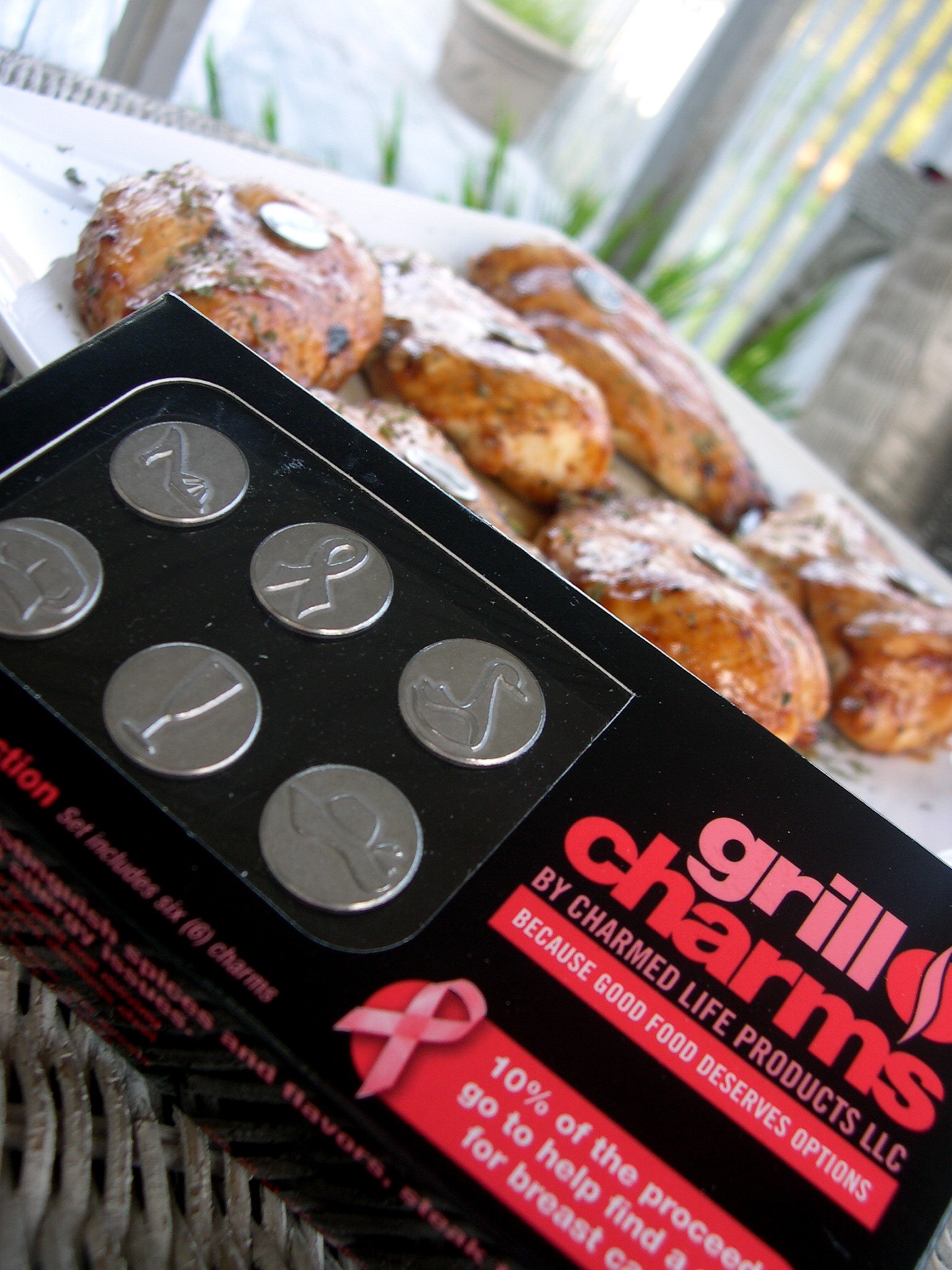
Why thank you! Grill Charms™ offers an entirely new concept in outdoor entertaining. They are dime-sized solid stainless steel charms that are placed in your food BEFORE grilling. The serrated stems hold them in securely while flipping, moving, and grilling food like you normally do. Grill Charms™ are you use in food prior to cooking to distinguish spices and flavors, steak temperatures, or to avoid health or allergy issues. Grill Charms™ identifies your food before, during, and after grilling so when dinner comes off the grill, simply look for your Grill Charm™, and everyone knows which one is theirs. With four collections for different purposes, they are the perfect gift for Father’s Day, birthdays, groomsmen, Valentine’s Day, other holidays, and housewarming or hostess gifts—you name it!

3. You started a Pink Collection of Grill Charms™, which we absolutely love! Tell us about these charms and where the proceeds go.

For a truly unique grilling and dining experience, The Pink Collection has six different charms so food can be personalized prior to grilling to distinguish spices and flavors, to avoid health, or allergy concerns or for any reason you can dream up! There is a hot new party trend with this collection, and that is the “Season Your Own” cook-out. This is where the host provides the meat, the guests pick their Grill Charm™, then choose from a variety of sauces or rubs that the host has set out. Guests flavor their meat any way they wish and nobody, including the grill master, needs to know or care how it’s seasoned.


The Pink Collection

The Pink Collection of Grill Charms™

When the food is served off the grill, folks simply look for their Grill Charm™. With people watching every penny, it’s more important than ever that when they splurge on buying that filet, or carefully choose that chicken breast to spend their hard-earned money on, that it’s cooked and seasoned exactly the way they want it.  And with The Pink Collection, I donate 10% of the proceeds to The Breast Cancer Research Foundation, as well as my local Komen Foundation.

This collection also helps with health or allergy issues. With Grill Charms™, if someone has a specific health or dietary need (such as needing a no-sodium, low-sugar, or possibly a gluten-free spice alternative), Grill Charms™ makes it easy for people to identify their food before, during, and after grilling, without any confusion or effort on the part of the grill master.

About Leslie Haywood and Grill Charms™:

Leslie Haywood is founder and President of Charmed Life Products, LLC, and inventor of Grill Charms™. Leslie was a stay-at-home mom when a very spicy light bulb moment thrust her into the entrepreneurial ring. During the start up phase of her company, she was diagnosed with breast cancer, but still managed to launch her product on store shelves within 18 months and is now sold in over 400 stores internationally. She has been featured numerous times on CNBC, various local and regional news programs, as well as ABC’s prime time reality TV show Shark Tank seasons I and II. Her story and product have publicized in such magazines as Everyday with Rachael Ray, Parenting magazine, Health magazine, Inventors Digest, and was also featured on The Today Show. All the while she is mindful of “the cause,” whether it’s giving back through “The Pink Collection” of her gift and grilling accessory Grill Charms™, or her work as Honorary Chair for The Race for the Cure .

Leslie’s Special Offer:

***Put “natural” in the coupon code of www.grillcharms.com for 10% off!***