Top 3 Holiday Related Activities to Enjoy in Charleston

festival of lightsImage to the left taken from the Charleston County Park & Recreation Commission website.
 

Charleston comes alive during the holidays, and enchanting activities for all ages abound. Here are just a few of the festive holiday celebrations to enjoy right now.

Holiday Festival of Lights
James Island County Park, November 10, 2011–January 1, 2012

With over 2 million lights, the Holiday Festival of Lights is a must-see event. Set up as a 3-mile driving tour or a fun-filled train ride, the Festival of Lights also offers several activities besides twinkling lights, such as marshmallow roasts, gift shops, carousel rides, life-size greeting cards, and a tree lighting.

The driving tour is $12 per car, and the train ride is $3 per person. Children under 2 are admitted free.

Charleston Christmas Sleigh Ride 2011
Charleston Harbor, December 1–31, 2011

Every night in December excluding Christmas, Thriller Charleston hosts sleigh rides by boat to look at the Christmas lights and decorations. You’ll depart from Shem Creek in Mt. Pleasant and see the sights in Charleston, James Island, and Mt. Pleasant. As you drink hot cocoa, you’ll hear charming stories of Charleston’s Christmas customs. You keep your travel mug and rain poncho.

Sleigh rides are $45 for adults and $35 for children ages 5–12. Children under 5 are admitted free, but do not receive the hot chocolate or rain poncho.

What’s your favorite Charleston holiday tradition?
The Importance of Taking Time to Reflect on Your Year

new yearEvery year, we take time not only to reflect on how thankful we are for our families, freedoms, and lives, but we also reflect on what we’ve accomplished during the year. We celebrate our successes and learn from our mistakes, and we decide what we’d like to achieve in the New Year. Here are a few ways to commemorate 2011 and plan 2012.

Make a list of your accomplishments.

What have you done in 2011? What were your successes and your leaps forward? No matter how small your wins may seem, they are still wins and should be celebrated. List them all so you can see what a tremendous year you’ve had. You may want to list them in categories, such as financial, health, family, etc. Rejoice in how long your list is.

Create a second list of your attempted successes that didn’t quite reach the mark. Those are worth celebrating too, even if the outcome wasn’t quite what you had anticipated or wanted. Simply attempting them is a win, and you can always try again.

Pat yourself on the back.

Look over your lists, and ensure you’ve included everything you’ve accomplished and attempted. You probably didn’t realize you made so many strides in 2011. Spend a little while remembering each accomplishment and how it made you feel. Re-create that feeling. Celebrate you and your success!

Use the lists to set your goals for 2012.

With the future in mind, decide what you want to try for next year. For each accomplishment, there is probably a natural next step. For example, if you lost 15 pounds, perhaps you would like to lose 10 more—or maybe you’d like to make sure you keep those pounds off by starting an exercise program.

If you attempted a goal and didn’t reach it this year, do you want to try again? Chances are that you learned something from trying it this year, and your odds of succeeding are even higher now. Give it another shot!

Finally, treat yourself to something special.

You deserve it for all your hard work, and this is the perfect time to treat yourself. Whether you book a spa day, take a trip during the holidays, or buy something you’ve had your eye on, celebrate yourself!

Tell us what you’ve accomplished this year so we can rejoice with you!

Join the Fight to Stop Breast Cancer with These Four Gift Ideas

Grill Charms pink collection

Grill Charms Pink Collection

Breast-cancer research organizations, doctors, and patients are continually amazed at how many people donate to fight this terrible disease. It’s always special when you can donate to a worthy cause when you purchase gifts, and here are four great gift ideas that help stop breast cancer.

Grill Charms:

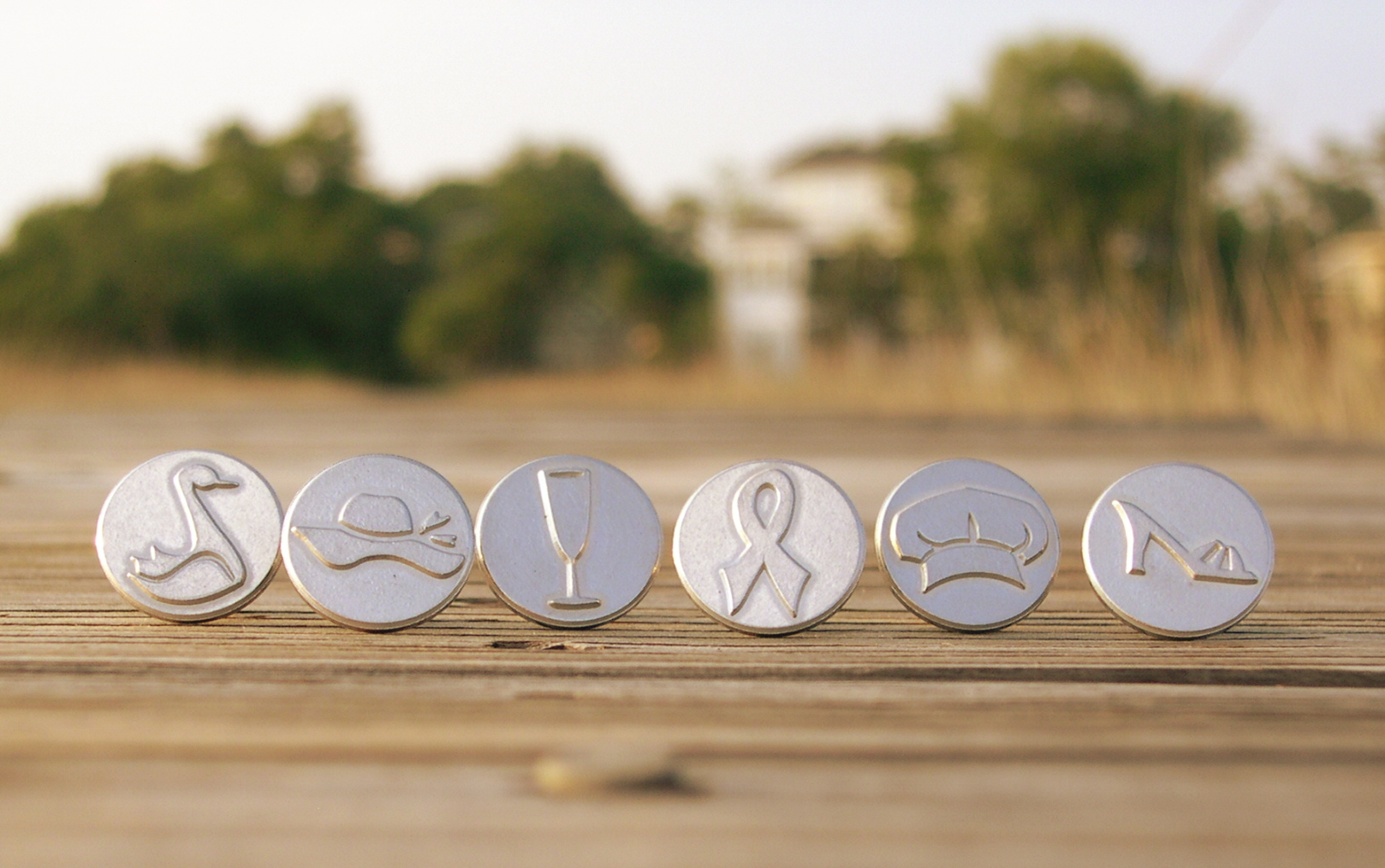
A perfect gift for your favorite grill master, Grill Charms are dime-sized stainless steel discs with serrated stems that are inserted in food before grilling. The charm stays in place during the cooking process to distinguish each person’s food. Grill Charms are perfect for those who like their food cooked a certain way, or for those who may be allergic to certain foods or spices.

The inventor of Grill Charms, Leslie Haywood, was diagnosed with breast cancer not long after she began the company. She created The Pink Collection and donates 10% of each sale to the Susan G. Komen Foundation.

Yes Ma’am Tees:

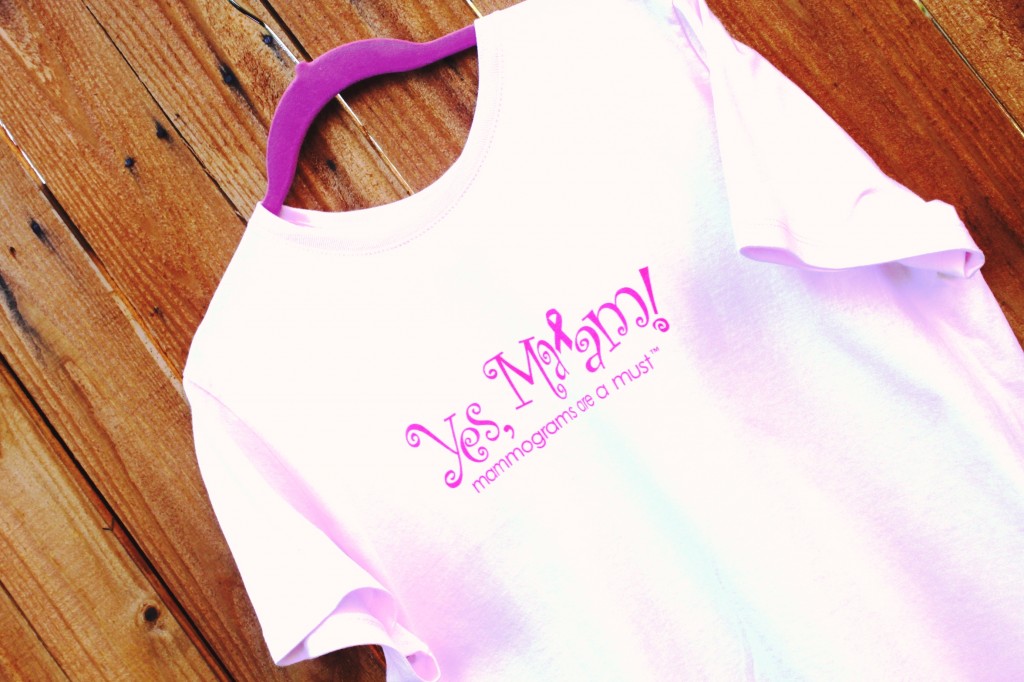
“Yes Ma’am, mammograms are a must!” says the pink Yes Ma’am Tee, created by Lee McCracken of Charlotte, NC. Lee was diagnosed with breast cancer and came to us in 2009 for reconstruction. The tees are $20 and can be ordered from the website, and Lee donates 15% of the sale of each tee to help pay for screenings for uninsured and underinsured women through the Carolinas Breast Cancer Fund.

If you would like to partner with Lee to raise funds for uninsured and underinsured women in your city, contact her at sales@yesmaamtee.com.


Yes Ma'am Tees

CHI Pink Breast Cancer Awareness Flat Iron Gift Set:

When you purchase the CHI Pink Breast Cancer Awareness Flat Iron Gift Set, you’ll support breast cancer research. The gift set includes the CHI Pink Breast Cancer Awareness 1” Ceramic Flat Iron, a pink comb, pink sectioning clips, Pink CHI 44 Iron Guard, and Pink CHI Helmet Head.

With the CHI Pink Breast Cancer Awareness 1” Ceramic Flat Iron, you’ll add shine and cut hair straightening time in half—without frizz. The ergonomically designed flat iron heat up in 10 seconds or less and has curved-edge plates to straighten or curl. Pink CHI 44 Iron Guard keeps your hair soft while it protects your hair from damage from heat styling and helps your style last longer. Pink CHI Helmet Head provides hold that lasts and adds shine.

NFL Paraphernalia:

You may have noticed NFL players wearing pink lately to bring awareness to breast cancer. The NFL shop has launched their own program, A Crucial Check, a collaboration with the American Cancer Society to bring awareness to the importance of annual breast cancer screenings for women 40 and over.

The pink apparel worn by coaches and players, along with special game balls and pink game coins, will be auctioned at NFL Auction, with the proceeds going to team charities and the American Cancer Society. You can also support the fight against breast cancer by purchasing special merchandise at www.nflshop.com.

If you know of anyone else who is making a difference to breast cancer research, please share their information with us!

Are Overweight Women Better Candidates for DIEP Flap Reconstruction?

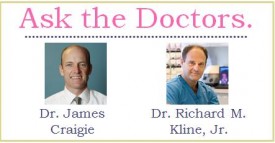
The below question is answered by Richard M. Kline Jr., M.D. of The Center for Natural Breast Reconstruction

I’ve read that women who are overweight are better candidates for DIEP flaps since they have “extra” to use, what is your opinion?

Many women with high BMIs (exceeding 40) have enjoyed successful flap reconstructions; however, they are at significantly higher risk of developing post operative complications.

It is well-demonstrated in the plastic surgery literature, that people with a significantly higher BMI are far more likely to experience complications than those with a lower BMI. There is no magical “line-in-the-sand” cut-off point, though—many factors, such as proportion of fat, which is intra-abdominal (vs. subcutaneous, which is what can be used in a flap), undoubtedly play a role in determining each person’s risk. Besides wound-healing problems, increased BMI also increases the risk for blood clots, which can, of course, be lethal.

Some lay-posters on blogs have stated that you shouldn’t worry about blood clots because injectable blood thinners will prevent them. This is a VERY DANGEROUS misconception—blood thinners only REDUCE the incidence of blood clots, and nothing can completely prevent them in all patients. We feel that it is your surgeon’s duty to you to assess your individual risks, and propose a plan that will get you through the surgery as safely as possible. Other surgeons, and other patients, may feel differently.

Our practice has demonstrated that it IS possible to have an outstanding safety record, while simultaneously maintaining a high reconstruction success rate. My personal flap survival rate over the last 10 years exceeds 99%, and the overwhelming majority of our patients are pleased that they went through the procedure at our facility. Our primary goal, however, is not to try and push limits by seeing what we can “get away with” in higher-risk patients. Instead, we strive to give everyone the best possible Natural Breast Reconstruction with perforator flaps, while at the same time doing everything possible to ensure their safety.

Richard M. Kline Jr., M.D.

The Center for Natural Breast Reconstruction

Step 3 in Quitting Smoking: Taking Effective Actions to Stop

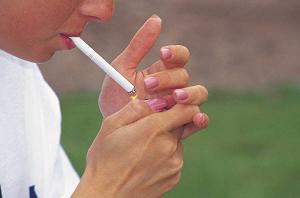
quit smokingThe one thing that many people don’t understand when it comes to quitting smoking is that addressing the physical addiction to nicotine is not enough. They must also learn to manage the ingrained habits that led them to smoke. People smoke after meals, while driving, and while under stress, to name just three examples. Those urges do not go away simply because the cigarettes are gone.

Quitters need to have a plan for when the habitual part of smoking raises its ugly head. We discussed that a little in our previous post about the 4Ds, but here are a few more tips to master the mental piece of quitting.

Look at your habits.

When did you have your first cigarette of the day? Was it right when you got up, after your shower, or after breakfast? Breaking that habitual urge can be as simple as changing your routine. If you smoked first thing, try going outside for a quick walk instead, or hop into the shower right away.

If your habits don’t change, your chances of staying quit are dramatically lower than if you consciously alter the path of your day.

Have substitutes handy.

If you can’t stop doing something that triggers you to smoke, keep something handy that you can put in your hand or in your mouth. Driving is a strong smoking trigger for many, and most cannot avoid it. Try putting a straw in your hand or a cinnamon toothpick in your mouth. If you find yourself lighting up at a certain intersection on your way to work, find a new route until you’re more secure in your quit.

Enlist help.

If you live with smokers, see what they are willing to do to help you maintain your quit. Having them smoke outside is ideal, since you were likely to smoke with them as part of your habitual conditioning and it’s easier to have them out of sight, out of mind. If they will not go outside, perhaps they would confine their smoking to one room of the house and keep the door closed.

If those you live with don’t smoke, perhaps they can help you identify your smoking habits and ways to break those habits.

You may need to alter your routine for only a few weeks while you master the initial difficulty of quitting, or you may need to change a few things more or less permanently. The main thing to remember is to never take one drag. This is no different from being addicted to any other drug. You would not suggest that an alcoholic or heroin addict has “just one” . . . and you can’t either.

What are your tips to quitting smoking?

6 Fun Christmas Food and Drink Ideas

holiday seasonChristmas is a great time to experiment with new food and drink. Following are some fun ideas you may not have thought of—and some would make fun gifts for the person who has everything.

Golden Honey Granola

A new twist on breakfast cereal, try this oatmeal granola recipe with sliced almonds, dried cranberries and apricots, brown sugar, cinnamon, and honey.

Parmesan Grissini

These amazing breadsticks work with everything from hearty tomato soup to a fine steak dinner. Crushed fennel seeds, sea salt, and crushed red pepper make them savory and spicy.

Russian teacakes or butterballs

These small cakes are typically served on holidays and are also called Mexican wedding cakes. They are made from flour, ground nuts, and butter and formed into balls before baking. After coming out of the oven, they are coated in powdered or confectioners’ sugar once while hot, and then they receive a second coating after cooling.

See a typical recipe here.

Marinated Goat Cheese

This would make a wonderful gift for the cheese lover on your list. Simply take a log of goat cheese, add spices and olive oil, and allow to steep in a glass jar. Not only is this a delicious gift, but the colorful spices and olive oil make this a beautiful gift too.

Mulled wine

A staple in Germany, mulled wine is typically red wine mixed with spices, such as cloves, nutmeg, and cinnamon, and allowed to heat (but not boil). Heating the wine with the spices brings out a unique flavor, and the drink is perfect for a chilly evening.

The Food Network has a simple mulled wine recipe. Click here to view it.

Hot buttered rum

Another cold-weather drink, hot buttered rum is a timeless favorite that can be made one mug at a time if you choose. Simply place a slice of soft butter at the bottom of a mug and add some brown sugar and spices such as cinnamon, allspice, or nutmeg. Mix the spices and butter well before adding the hot water and rum. Stir and steep for a moment before enjoying.

What are your favorite Christmas food and drinks?

How One Woman Discovered the Positive Outcomes of Reconstruction Surgery and Cancer

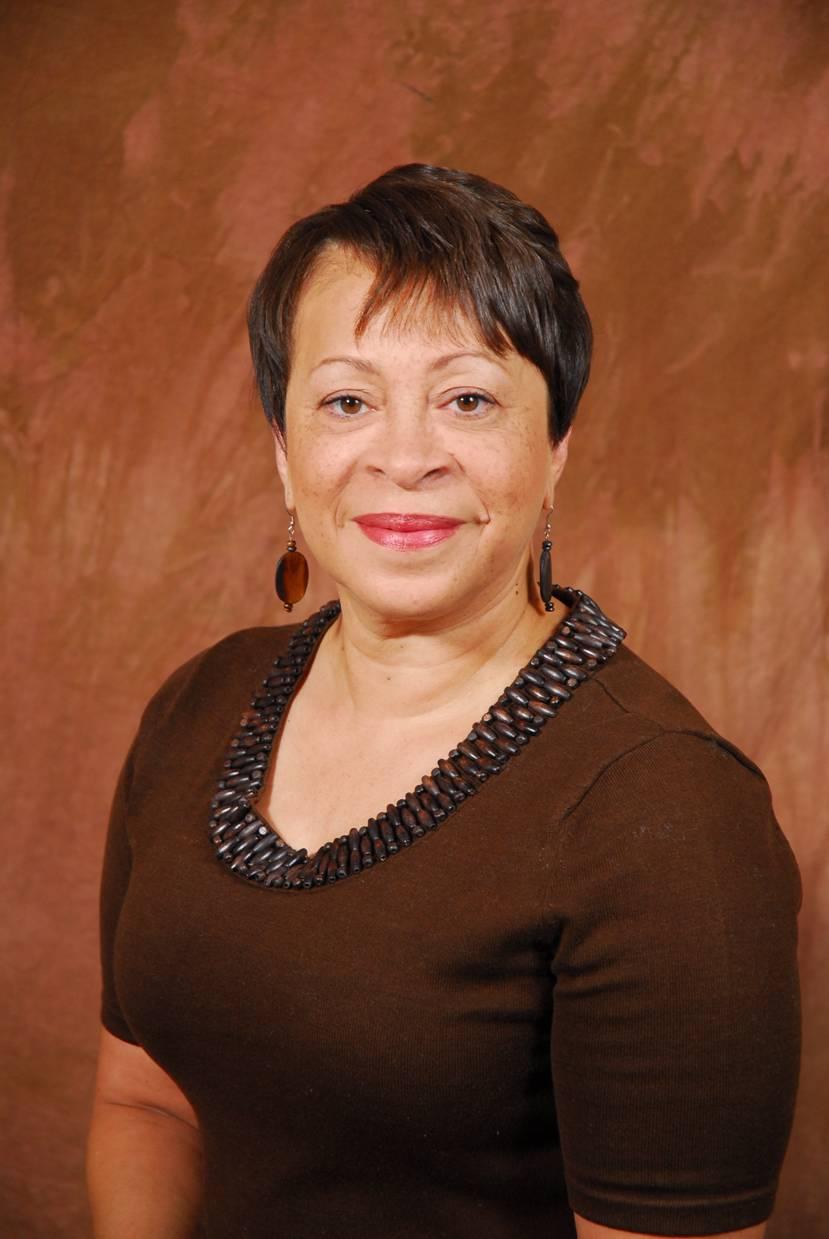
Today’s In Her Words post comes to us from a past patient of The Center for Natural Breast Reconstruction, Jakki Grimball. Jakki is a breast cancer survivor who lived in Columbia, SC and traveled to Charleston to receive her DIEP reconstructive surgery. Today, her and her husband live in Charleston where her husband is the director of The Neighborhood House, an organization providing services for people in need, including food pantry, soup kitchen, emergency assistance, sewing classes, resume writing, and more.

See below for our interview with Jakki:

What type of reconstruction surgery did you have and how do you feel about the results?

I had the DIEP flap procedure done October 2007 by Dr. Craigie. The outcome far outweighs the surgery and recovery time. I am very pleased with the results and having a tummy tuck as an added benefit!

Would you make the same decision again if you could go back?

I would definitely make the same decision. I had a friend who had implants and she now wishes she had done the DIEP flap procedure. She’s had several complications. Of course, I believe I had the best plastic surgeon in South Carolina perform my surgery.

What advice would you give to women who have undergone a mastectomy or double mastectomy and are unsure about natural breast reconstruction?

I would and have advised women to have the DIEP flap surgery. It is far better to have natural breast reconstruction than to have a foreign substance placed in the body. I realize advances have been made in breast implants and there are fewer adverse effects; however, I believe that using my own tissue left little opportunity for infections and other complications. I have never regretted having the surgery or choosing Dr. Craigie as my surgeon.

In what ways has breast cancer both negatively and positively affected your life?

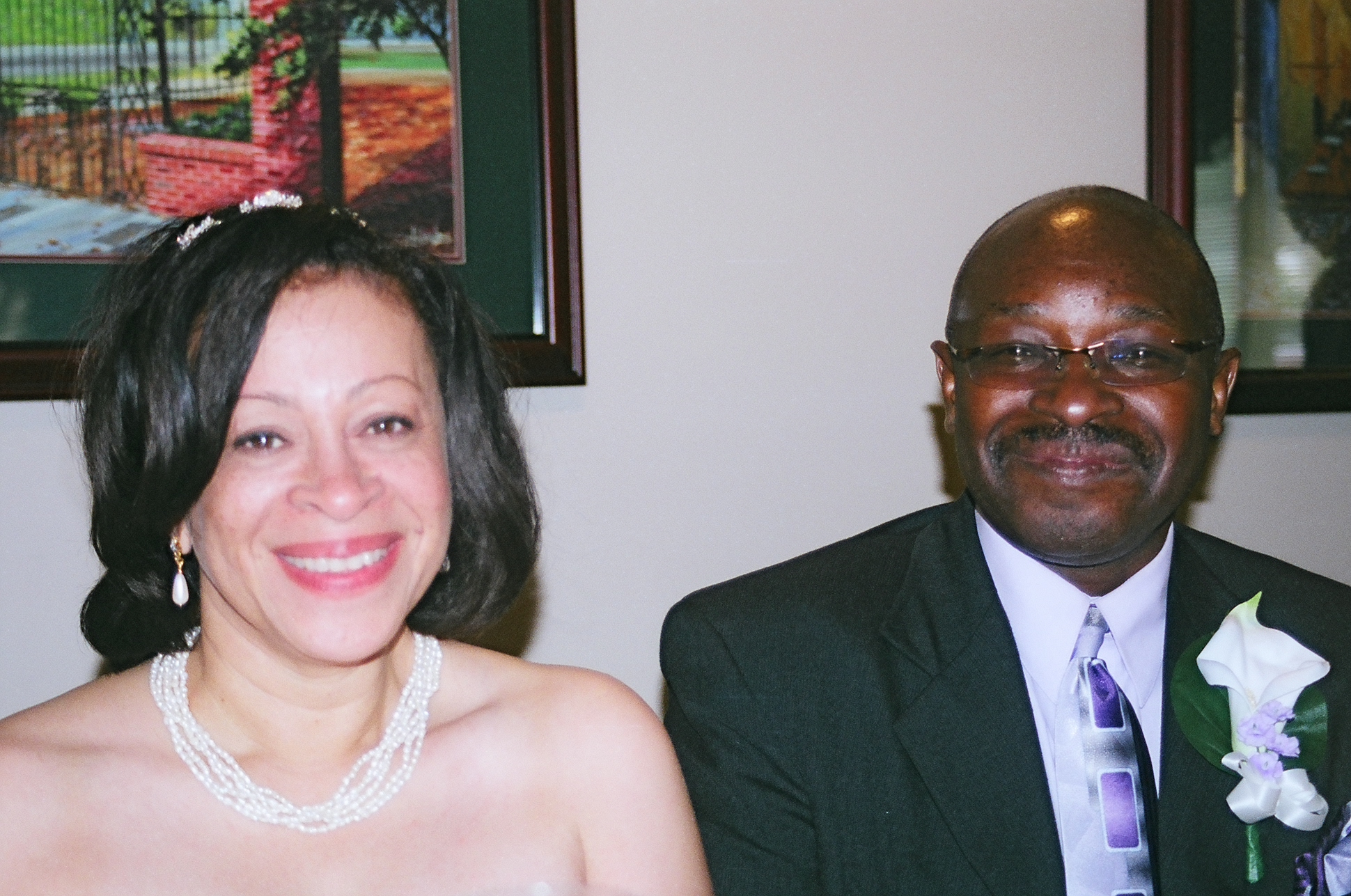
The only negative affect breast cancer had in my life was the mastectomy and the chemotherapy. I firmly believe God has a purpose for everything and having breast cancer made me more aware of how fragile life can be. Breast cancer brought my family and friends closer and I hate to say it, but it weeded out those who were truly not my friends. I found out I had breast cancer three days before my wedding and I gave my fiancé the chance to cancel the wedding. He told me he would marry me at my bedside if necessary. So the diagnosis also brought us closer together. I now cherish every moment and I don’t sweat the small stuff (sometimes not even the big stuff).

You and your husband recently relocated from Columbia, SC to Charleston, SC where your husband is the Executive Director of Neighborhood House. Tell us a little bit about this non-profit organization and how it helps the community.

Click here to view a document from The Neighborhood House, outlining their mission and daily services to the community.

Share this post with your friends on Twitter.

Enjoying the Glorious Outdoors of Charleston: Best Parks in Charleston County

charleston county parksCharleston County parks offer some of the best scenery, activities, and fishing in the area. With water parks, dog parks, play areas, and campgrounds, the opportunities for quality family time are limitless. The following parks are three of our favorites.

James Island County Park:

A short drive from downtown Charleston, the James Island County Park is open year-round, with something for everyone. Kids love the Splash Zone Waterpark, while adults enjoy the Climbing Wall and boat and bicycle rentals. With over 100 sites and 10 cottages, the Campground offers peace and quiet among the beauty of the park, and anglers will find plenty of opportunity for crabbing and saltwater fishing. Dogs and their owners enjoy the freedom and open space of the off-leash dog park.

The park’s location also makes it ideal for events such as concerts and festivals. Highlights include the Reggae Nights Summer Concert Series, the Lowcountry Cajun Festival, and the Holiday Festival of Lights.

Mount Pleasant Palmetto Islands Park:

With its tropical beauty and lush nature trails, Mount Pleasant Palmetto Islands Park is almost like a trip to Hawaii. Ideally suited for groups and families, this 943-acre park was designed around nature and its splendor, and the peaceful tranquility of Nature Island is well worth the price of admission.

In addition to the island, visitors can ascend to the top of the 50-foot observation tower and take in the spectacular view while the kids enjoy themselves in the tower’s play area. With Splash Island Waterpark, nature trails, tidal creek fishing and crabbing, boat rentals, and volleyball courts and horseshoe pits, the park offers hours of fun and excitement.

Mount Pleasant Pier:

Over 1250 feet long, the Mount Pleasant Pier gives visitors an amazing view of Charleston Harbor and the Arthur Ravenel, Jr. Bridge. Kids and adults alike enjoy fishing off the pier, and the Cooper River Challenge fishing tournament takes place several times during the summer and fall. Prizes are awarded for largest game fish catch in several categories. Rods and tackle are available at the Pier, and after the tournament, you can grab a bite at the River Watch Café and Gift Shop.

Throughout the summer, the Pier shows classic movies at sundown, and admission is free. Spring and summer are the time for Shaggin’ on the Pier, the perfect opportunity to dance the night away to live music.

All of Charleston County’s parks offer amazing views of the beauty of the Lowcountry. Which park is your favorite and why?

Nerve Recovery and Breast Reconstructive Surgery

breast reconstructionThe below question is answered by the Charleston breast surgeons at The Center for Natural Breast Reconstruction.

How long does it take for nerves to recover and for full skin sensation to return after reconstructive surgery?

During any surgery, numerous sensory nerves, generally too small to have names, are invariably cut. Depending on the extent of the surgery, this can result in numbness of the skin or other areas. This is not typically regarded as a complication, but rather an essentially inescapable result of making an incision in the body. Most of the little divided nerves literally “wither away,” and other sensory nerves eventually grow in to take their place, restoring sensation once again. This process can take anywhere from a few months to 1 – 2 years. There is no limit on how late sensation can be regained, but the longer, beyond 1 – 2 years numbness, lasts, the less likely it is that sensation will spontaneously return. Occasionally, numbness can persist indefinitely, although this is uncommon.

In addition to numbness, other symptoms such as discomfort, hypersensitivity, or chronic pain can also result as a consequence of nerve damage following any surgery. Thankfully, these complications are much rarer then numbness. While it can be very difficult to ascertain exactly what mechanism is causing discomfort, some possibilities include traction or tethering of nerves by scar tissue, or formation of a “neuroma,” which is a painful little ball of tissue at the end of a regenerating nerve.

Nerves irritated by adjacent scarring may be helped by massage, injection of local anesthetics, or simply the passage of time. Neuromas, which are thankfully extremely rare following breast surgery, usually result in pain when pressure is applied to a very specific location, and can be much harder to treat. Surprisingly, additional surgery is often not effective in treating these rare cases of chronic pain, and referral to a Pain Therapist for injectable nerve blocks may be the most effective option.

If you want to learn more about breast reconstruction, visit us on Facebook.

Can Breast Reconstruction Improve A Woman’s Psychological and Sexual Wellbeing?

DIEP flapIn a recent article, titled Advanced Post-Mastectomy Breast Reconstruction Improves Women’s Psychosocial and Sexual Wellbeing, by CANCER Online Journal, a study found that “After a mastectomy, women who undergo breast reconstruction with tissue from their own abdomen experience significant gains in psychological, social, and sexual wellbeing as soon as three weeks after surgery.” (CANCER Online Journal: http://www.canceronlinejournal.com/newsroom)

The study was performed by Toni Zhong, MD, MHS, of the University Health Network Breast Restoration Program in collaboration with several others at the Memorial Sloan Kettering Cancer Center in New York City. They surveyed 51 women who were preparing for their MS-TRAM or DIEP flap reconstructive surgery during the months between June 2009 and November 2010.

Breast reconstruction is restoring the form of a breast that has been damaged, partially removed, or completely removed. Breast reconstruction is almost always done after treatment for breast cancer, although there are some birth defects that can result in the need for breast reconstruction. Breast reconstruction can be performed with implants (the same ones used for breast augmentation), or with the body’s own excess tissue (usually from the abdomen or buttocks), thus avoiding the need to place foreign objects in the body.

The study found that these women who experienced breast reconstruction “reported significant improvements in psychological, social, and sexual wellbeing just three weeks after surgery,” according to the article.

Although The Center for Natural Breast Reconstruction has not performed a formal study on the feelings that patients experience post breast reconstructive surgery, we have found that many of them feel a sense of improved psyche and self-esteem. Just ask Leslie Haywood who underwent breast reconstruction with the Charleston breast surgeons of The Center for Natural Breast Reconstruction: “I have never been happier with my body and I have never been more in shape in my entire life!”

If you know of someone who would be interested in hearing about this study, visit the CANCER Online Journal newsroom where the article will soon publish to: http://www.canceronlinejournal.com/newsroom