Visiting Charleston? Here’s What You Should Do: Part II

charleston scIf you missed Part I of this post, click here.

See below for the rest of our top 10 things to see and do in Charleston list:

6. Golf: World-renowned for its exceptional golfing scene, Charleston has been attracting avid golfers to its lush greens for years. In fact, Charleston is so well-known for its golf that The PGA of America’s 94th PGA Championship in August 2012 will be held at the famous Ocean Course at Kiawah Island Golf Resort, located just outside Charleston.

7. Magnolia Plantation and Gardens: Explore the stunning gardens and manicured landscapes of Magnolia Plantation as you learn about the area’s history that dates back to the Civil War. You can even enjoy a trip around the plantation on a nature train or boat tour. And after you’ve explored all that the plantation has to offer, stop by their petting zoo!

8. Shopping on King Street: Boutiques galore, King Street is one of the hottest shopping districts in all of Charleston. With a variety of shoe, accessory, jewelry, and clothing boutiques to visit, you’ll always find something new and exciting that you can’t find anywhere else. In addition to one-of-a-kind boutiques, King Street also features some well-known stores including Gucci, Lacoste, Pottery Barn, Sunglass Hut, J.Crew, and more.

9. Downtown Carriage Ride: Take in the sights, sounds, and aromas of downtown Charleston on a charming carriage ride through the historic district. Whether you want your own personal Charleston carriage ride or would prefer to embark on a group tour, the option is up to you. During these tours, your guide will point out some interesting and unique facts about Charleston’s history that you would have never known by simply walking around downtown on your own.

10. Art Walks: Every first Friday of the month, downtown Charleston plays host to a delightful art walk. Depending on where the art walk is held that month, people can visit a variety of galleries (after hours between 5:30 and 8 p.m.), while sipping on free wine, cheeses, and light snacks. The artistic creations found in the art galleries throughout Charleston range everywhere from photography to colored pencil, and various painting mediums to intricate sculptures. And for art walks happening on Broad Street, keep an eye out for Zan Smith, an artist who creates unique frog sculptures that are unique to Charleston!

Have you ever been to Charleston? If so, what’s your favorite part about this wonderful city?

What is Capsular Contracture?

breast reconstruction

The below question is answered by The Center For Natural Breast Reconstruction team:

I’m considering implant-based breast reconstruction. My surgeon mentioned a “risk of capsular contracture.” What exactly is that?

Capsular contracture is an abnormal response of the immune system to foreign materials in the human body. Medically, it occurs mostly in context of the complications from breast implants and artificial joint prosthetics.
The occurrence of capsular contraction follows the formation of capsules of tightly-woven collagen fibers, created by the immune response to the presence of foreign objects surgically installed to the human body, e.g. breast implants, artificial pacemakers, orthopedic prostheses; biological protection by isolation and toleration. Capsular contracture occurs when the collagen-fiber capsule tightens and squeezes the breast implant; as such, it is a medical complication that can be very painful and discomforting, and might distort the aesthetics of the breast implant and the breast.

Although the cause of capsular contracture is unknown, factors common to its incidence include bacterial contamination, rupture of the breast-implant shell, leakage of the silicone-gel filling, and hematoma.
Moreover, because capsular contracture is a consequence of the immune system defending the patient’s bodily integrity and health, it might reoccur, even after the requisite corrective surgery for the initial incidence.

The degree of an incidence of capsular contracture is graded using the four-grade Baker scale:

• Grade I — the breast is normally soft and appears natural in size and shape
• Grade II — the breast is a little firm, but appears normal
• Grade III — the breast is firm and appears abnormal
• Grade IV — the breast is hard, painful to the touch, and appears abnormal

–The Center for Natural Breast Reconstruction team

Loved this post? Why not like us on Facebook?


Don’t Live in Charleston But Still Want a State-of-the-Art Breast Reconstruction?

Chris MurakamiThe question below is answered by Chris Murakami, RN, CNOR, and Clinical Supervisor (seen to the left) of The Center for Natural Breast Reconstruction.

I live in Florida and would like to come to Charleston to have a bilateral S-GAP by Dr. Kline and Dr. Craigie. Do I need to come in for a consultation first and then come back at a later date to have the surgery or can it be done all in one trip? Please tell me how this is typically handled.

Great question! There are many ways to approach this situation and do our best to try to minimize the number of trips you need to make to Charleston. You are more than welcome to come and have a face to face consult with your surgeon and then make a second trip for surgery. For some women, that is the scenario they prefer. However, since many of our patients do have to travel to access the state-of-the-art procedures offered by our expert surgeons, we’re prepared to perform your first consultation by telephone.

During this call, we talk about the procedure you are interested in and ask some screening questions to ensure you have no medical contraindication. Once this has been established, we’ll set up a time for you to talk with the surgeon of your choice and you’ll both decide which donor site might be the best to use for your breast reconstruction. Your next step would be to notify us when you would like to proceed with the surgical procedure.

When we’ve settled on a surgical date, we order as much of your pre-operative testing in your hometown as we can. The results of this testing is sent to our office two weeks prior to your surgery day. These tests include blood work, urinalysis, EKG, and Chest X-ray. Go ahead and schedule a full physical with your family doctor or internal medicine doctor and obtain a statement of medical clearance for your estimated length of surgical time.

While all of this medical work is happening, our administrative staff has been diligently working behind the scenes, checking insurance benefits and completing all of the pre-certification processes your insurance company may require.

We’d like you to arrive in Charleston a day or two prior to your surgery date. If a breast surgeon is needed to perform a mastectomy we ask you to come two days prior. You would meet with him / her on the day you arrive, in case any testing needs to be ordered by their office.

The day prior to your surgery date is usually the busiest for you, but we try to coordinate all of your pre-operative activities to be as convenient as possible. You would have various appointments scheduled for you, including a pre-operative interview at the surgical hospital, an MRA to map the blood vessels we plan to use for surgery, and a pre-operative marking appointment and consultation with our surgeon that day before surgery.

Once the surgery day arrives, you would report to the hospital at 6:00 am. Our staff and physicians will obtain contact information for your caregivers and keep them updated on the progress of your surgery throughout your time in the operating room. Once the operation has completed and you have recovered from anesthesia, you would be transferred to the women’s services floor of the hospital for the remainder of your four-day hospitalization. Each room is private and has a twin bed in case you have someone who plans to stay with you throughout your hospital stay.

When you have been discharged from the hospital, we ask that you stay in the Charleston area for a few more days, just to assure all is well and we are easily accessible to you. We ask you to come to your first post operative appointment two days after your discharge and again on the day prior to your planned return home. You may still have donor site drains that need to be removed when you return home and we are happy to help you find a medical professional to do that for you if you don’t have a physician in your hometown who is willing to help.

Once you are home, we’re available to you 24/7 to discuss any concerns you may have, but generally, at this point, you have a viable reconstruction that should heal uneventfully. You can look forward to another visit to Charleston only when or if you require a second stage of surgery after a three-month healing period. This procedure would typically be an outpatient procedure and you might just schedule yourself some “tourist time” to enjoy our beautiful city.

—Chris Murakami, RN, CNOR, Clinical Supervisor

Know someone who would benefit from reading this post? Share it with them!


What is an MRA and What is it For?

Dr. Richard M. Kline, Jr.

The below question is answered by Richard M. Kline Jr., M.D., of The Center for Natural Breast Reconstruction.

Why am I scheduled to have a MRA prior to my DIEP surgery? What is it and what is it for?

Preoperative imaging of perforating vessels by CTA (computerized tomographic angiogram) or MRA (magnetic resonance angiogram) is probably the most significant development in perforator flap breast reconstruction in the last 5 – 10 years.

Some of the potential advantages of preoperative imaging (with CTA or MRA) include:

1. Shortened operating time, due to knowing in advance where the desired perforating vessels are located.

2. Decreased damage to the rectus muscle, due to being able to select perforating vessels with the shortest intramuscular course. This is particularly important because it can decrease the chance of a major motor nerve to the muscle being divided. A few fortunate patients have an unusual anatomic situation in which a large perforating vessel actually goes between the two muscles, which can allow harvest with no damage to the muscle at all; this is instantly recognizable on preoperative imaging.

3. Decreased fat necrosis, due to being able to select the largest perforator.

4. Advanced recognition of those few cases when the SIEA, not the DIEP, might actually be the preferred blood supply for the flap (the same tissue would still be used)

5. Advanced recognition of those very rare instances where the deep inferior epigastric system has been divided form past surgery, or where all usable perforating vessels have been damaged by previous abdominal liposuction.

CTA has the advantage of being most readily available, but also exposes the patient to radiation. MRA does not expose the patient to radiation, but we have found that only a very strong MRI (3 tesla, or 3T) can give us images with enough detail to be really useful for preoperative planning. MRA still requires the administration of intravenous contrast agents, which can rarely have undesirable side effects. On the horizon is MRA without the need for any injection—it’s not quite here yet, but its coming.

We are very fortunate to work with a very skilled group of radiologists with a 3T MRI who are very interested in and skilled at obtaining images for our breast flap patients. We obtain preoperative imaging on all patients preoperatively, whether they are scheduled for a DIEP or GAP flap. If a patient has a contraindication for an MRI / MRA (ferrous metal implanted in the body is the most common), then we obtain a CTA.

—Dr. Richard M. Kline, Jr.

If you loved this post, then why not Like us on Facebook?


Healthy Brunch Ideas

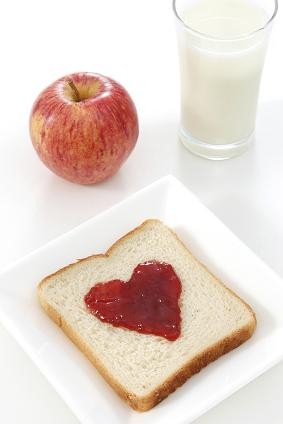
healthy brunch ideasBrunch is the perfect time to eat healthy. From fruit to whole-grain muffins and Canadian bacon to turkey sausage, an endless variety of food works for brunch. We’ve come up with a dozen delicious options to help you stay on your healthy eating plan.

Multi-grain pancakes and waffles contain anything you want them to: oat, buckwheat, whole wheat, cornmeal, flax seed, or spelt. Use whole grains as much as possible, and don’t be afraid to add blueberries to those pancakes!

Whole-grain muffins give you the texture and taste you want in a healthier package. Use applesauce or mashed bananas to replace the fat during cooking, and use all-fruit spreads or nut butters on top.

Turkey bacon and sausage add low-fat protein and delicious flavor to quiches, casseroles, and scrambles.

Smoothies are the perfect way to blend your favorite fruits with protein powder, juice, yogurt, or even ice cream. Try several recipes, as there are hundreds of ways to make a tasty smoothie.

Tofu can replace meat in almost any dish. It can also be marinated and barbecued or used in place of cheese.

Canadian bacon has incredible flavor and one-third the calories of regular bacon. It’s also much lower in fat and sodium.

Vegetables of any kind add nutrition, color, and flavor to egg dishes, salads, and side items. Omelets and quiches are an ideal place for a variety of veggies. Try to eat as many different colors as possible to ensure you’re getting the full spectrum of antioxidants and nutrients.

Fruit is a brunch favorite and is used for everything from fresh-squeezed juice to tarts. Like vegetables, be sure to eat a variety to take advantage of the excellent nutrition fruit offers.

Nut and fruit butters and all-fruit spreads are healthy substitutes for butter and high-sugar jellies and jams. Choose from all-natural peanut butter, almond butter, cashew butter, apple butter, and spreadable fruit. All are available in stores, but read labels carefully: nut butters should have only one ingredient: the nut itself. Ingredients on the fruit butters and spreadable fruit will vary, but there should be only a few ingredients with no added syrup, sugar, or oils.

Quiche is a delicious, healthy main course, perfect for any type of food you want to put in it. Eggs, vegetables, meat, cheese, and tofu are common ingredients, and quiche invites experimentation with flavors, ingredients, and spices. A casserole is also a good option for a quick and easy brunch dish.

Wild or game meat adds unique flavor and healthy protein to any dish. Game is naturally low in fat, and does not receive antibiotics or hormones. Game meat includes venison, elk, bison, moose, alligator, and wild boar.

Real eggs are one of the healthiest foods you can eat and full of protein, vitamins, and minerals. Eggs are versatile and can be cooked a number of different ways: fried, scrambled, sunny side up, hard- and soft boiled, and poached.

Keep in mind that how you cook and serve is just as important as what you cook and serve. Stay away from partially hydrogenated oils, such as margarine. Coconut oil and olive oil are good choices for both cooking and serving. Real butter, low-sugar syrup, and cream cheese in moderation add a delightful taste to the table. And of course, stay away from high-fructose corn syrup.

Like us on Facebook for more healthy eating tips.


Important Self-Exams Every Woman Should Perform

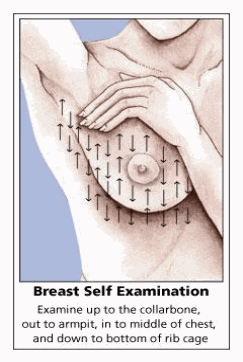
Image to the left taken from Cancer.org.


Self-exams help you to detect changes in your body between visits to your doctor. Many lives have been saved due to diligent self-examination, and following are two self-exams you’ll want to perform regularly.

BSE or breast self-exam

Each woman has her own method of examining her breasts. Some do a systematic BSE monthly or bimonthly, while others keep an eye on their breasts by regularly feeling them in the shower or while lying in bed. Often, women ask their significant others to help them check, or they visit the doctor several times a year for a clinical exam.

While a regular BSE with a consistent technique is best, perfect technique is not as important as frequency and diligence. Sometimes, women stress needlessly about doing it correctly. As long as you feel the entire breast and overlap your motions, you’re doing it right. The goal of a BSE is to know what is normal for you and check for changes.

If you’re not sure whether you’re feeling the entire breast, cancer.org suggests the following BSE routine:

  • Lie down and bend your arm behind your head to spread the breast tissue evenly over your chest, making it easier to examine.
  • Imagine your breast is divided in vertical lines from your underarm to breastbone, and use the finger pads of your other hand to feel for lumps in an up-and-down pattern along those lines. Move in dime-sized circles, slightly overlapping the previous line as you move up and down.
  • Use different levels of pressure at each spot so you feel all the breast tissue, especially if you have large breasts. You can feel the tissue close to the skin with light pressure, tissue in the upper half of the breast with medium pressure, and lower breast tissue with deeper pressure. There will be a ridge at the bottom of each breast, which is normal. If you have questions about pressure, talk with your doctor or nurse.
  • Examine the entire breast area, and then repeat the exam on your other breast.
  • Stand in front of a mirror, press your hands on your hips, and look at your breasts for changes in shape or size. Also look for rashes, redness, or dimpling.
  • Raise each arm slightly, and feel the underarm for lumps.

Some women may find it easier to examine their breasts in the shower, which is fine, as long as you are thorough—or add this routine to your shower exam. Current medical literature suggests that the above procedure is the most effective for finding lumps as soon as possible.

Skin exam

A regular skin exam will help you keep an eye on moles, freckles, and other spots that could become cancerous. It should be done at least once a month, and if you ask your doctor to do a full-body exam first, you’ll have a baseline. While it may sound daunting, after you’ve done a full skin exam a couple of times, it shouldn’t take more than 10–15 minutes.

Warning signs of skin cancer include a change in an existing mole or spot, or any growth or spot that . . .

  • Appears during adulthood.
  • Increases in size or thickness.
  • Changes in texture or in color—especially if it turns pearly, multicolored, brown, or black.
  • Has an irregular shape or outline.
  • Is bigger than a pencil eraser.
  • Continues to hurt, itch, scab, or bleed longer than three weeks.

If you see any of these signs, don’t wait or hope it goes away. See a doctor, preferably a dermatologist.

Loved this post and want to receive even more helpful tips? Sign up for our newsletter using the subscription box on the right sidebar.

Are Implant Problems Affecting Your Life?

implant problemsBelow is an In Her Words post from one of our patients who came to us with implant problems. Read her story below:

I am so thankful to Dr. Craigie and Dr. Kline and Christina for making me feel at ease. Meeting someone for the first time and having surgery the same week was a lot to take in, but thanks to everyone, including The Center for Natural Breast Reconstruction staff, Christine, and Gillian. And a special, big thank you to Gail for helping me with my insurance and all the conversations we had prior to my office visit with Dr. Craigie. Gail, thank you for making me feel like a person not a number, you are wonderful!

I cannot say enough about the results from my surgery! It was absolutely fantastic to say the least! I am amazed how natural I look! I really am excited to have my follow-up. Can it get any better? I do not have the pain in my breasts or the hardness and pulling from the implant anymore. I can lift my arms straight up over my head now! I noticed that I don’t have the flu-like feeling anymore—it’s gone!

Before coming to Dr. Craigie’s office, I have had five painful surgeries with implants and expanders going wrong with infections, plus lengthy hospital stays and home care. This was over a period of four years—four years taken out of not only my life but also my family’s life. Just think of how much time and money was wasted on paying insurance companies when I could have had only one surgery and a follow-up! If I only knew there was an alternative option before having my first implants.

My goal is to get the word out. Women need to know that you do have an alternative, besides using implants. Utilizing the body’s own tissue! Again, I was never given this option.

I cannot thank you enough Dr. Craigie and Dr. Kline for your skilled surgical talents and dedication in this field that made me look and feel like a women again!

Sincerely,
D.N South Amherst, Ohio

Do you know of someone whose life is affected by implant problems? Share this story with them.

Can I Have My Current Implant Removed to Receive a Muscle-Sparing Free Flap Breast Reconstruction?

dr. richard kline

Dr. Richard M. Kline, Jr.

The below question is answered by Richard M. Kline Jr., M.D., of The Center for Natural Breast Reconstruction.

I had reconstruction with implants after my breast cancer diagnosis in 2009. How hard is it to go back and do breast reconstruction with a flap? What would the recovery time be?  Also, does insurance give you a hard time about taking out the implants and revising having a flap?

It’s no trouble at all to remove implants and replace them with a muscle sparing free flap breast reconstruction. We’ve done it successfully hundreds of times. Unfortunately, roughly 30% of women who come to us are seeking conversion from a failed or unsatisfactory implant based reconstruction. Recovery time after flaps is usually 6 – 8 weeks, although some ladies recover much faster. I don’t think insurance usually gives you a hard time—once you’ve started the reconstruction process, they seem to follow through until you are finally content with your reconstructed breast.

—Richard M. Kline Jr., M.D

How Long Should I Wait to Have a DIEP Flap After Radiation?

Dr. James Craigie

The below question is answered by Dr. James Craigie of The Center for Natural Breast Reconstruction.

How long should I wait to have a DIEP flap after radiation?

Radiation therapy is part of the treatment of breast cancer and will affect the results of breast reconstruction. The treatments can miraculously kill some growing cancer cells but they also change the area of the body left behind after surgery.

All of the elements of the body can be affected: blood vessels, scarring, healing function, and appearance.  The effects of radiation occur in two phases. Short term occurs during and immediately after the treatments. Elective surgery at this time is not possible, for obvious reasons. The long term effects develop after the early “burn-like” injury “settles down.” The long term reaction occurs for approximately the first six months.

The experience can be widely different from one person to the next. We have experienced difficulties with the receiving blood vessels after radiation when we did not wait for the body to recover from both long and short term damage. These types of problems could possibly increase the chance for the new breast to fail. Avoiding these problems may be possible by waiting and that is why the long recovery is needed before reconstruction is started.

—Dr. James Craigie

Spread the Word about the 2011 Women’s Empowerment Conference

womens healthWe are delighted to spotlight the upcoming 2011 Women’s Empowerment Conference hosted by the Women’s Empowerment Group on May 21, 2011 at the Technical College of the Lowcountry, Beaufort Campus, Beaufort, SC, happening at 8:00 a.m. – 3:00 p.m.

Dedicated to educating and assisting women to live “Healthier Lives Through Education,” the Women’s Empowerment Group has created their very first Women’s Empowerment Conference for all women of the Lowcountry to attend. In an effort to educate women and young females about common health issues, the conference will work to educate females about heart disease, cancer, diabetes, stroke, and chronic diseases. Attendees may also receive HIV tests, as well as breast exams.

Throughout the day at the conference, there will be a variety of breakout session topics, including . . .

Dream Big, Live True: This is an entrepreneurial workshop hosted by Elizabeth Millen, editor and publisher of Pink Magazine.

Breast Health 101: This workshop will focus on what females can do to take care of their breasts and work to prevent breast cancer. The workshop will be hosted by Lucy Spears, a mission / coordinator survivor.

Sexy Senior: This workshop will focus on sex throughout life and will be hosted by Gwen Bampfield, JD.

Fats: The Good, Bad and the Ugly: Hosted by Sarah Smith, RD, LD, CDE, this workshop will focus on how to prevent chronic diseases.

Your Body is Your Temple: This discussion will focus on how to nourish the body and soul, and will be hosted by Gina Jordan, MD.

Sexual Health: With a focus on women’s sexual health issues, this workshop will be hosted by Ardra Davis-Tolbert, MD.

Teen Conference: This discussion will focus on a broad range of health topics for teenagers ages 13 – 18.

The event will also feature health screenings, door prizes, fitness demonstrations, heart health discussions, snacks and beverages, and giveaways.

**Since seating at the event is limited, please pre-register prior to Saturday, May 14. Registration is completely free. Click here to fill out your pre-registration form.

Spread the word and bring your daughters, mothers, grandmothers, and girlfriends for a day of fun and health education you’ll always remember.

For more information, click here to visit the Women’s Empowerment Group website.