Top 5 Spas in Charleston

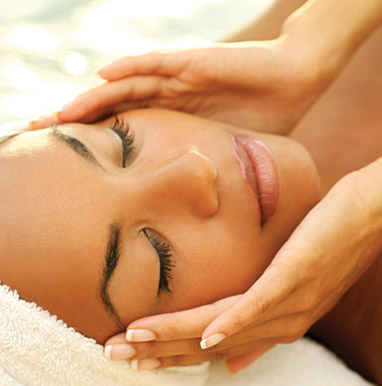
Charleston SpasIf you’re in Charleston for a consultation or breast reconstruction surgery, we recommend the following spas for a bit of pampering or relaxation.

The Spa at Charleston Place

With its beautiful views and airy rooms, The Spa at Charleston Place is one of our favorites. The massage therapy options themselves are incredible: Swedish, deep tissue, warm stone, reflexology, and Moroccan oil. Skin care treatments include a decadent 24-karat gold facial and a diamond facial. Peppermint rosemary body scrubs, spa manis and pedis, and yin and yang classes are only a few of the dozens of possibilities for pampering.

Treatments for men and children are available, and if you stay at the hotel, you have use of the state-of-the-art health club with salt-water pool and Jacuzzi.

Stella Nova

Stella Nova takes facials to the next level with their Rx Infusion facial, which provides results fast with medical-grade ingredients that reduce rosacea and fine lines. This facial includes a penetrating serum and soothing mask. The Micro Mini Peel helps combat aging and firms the skin, while the Purifying Complexion facial reduces blemishes and deep cleans pores. The Cure Carboxi-Express and O2 Awakening infuse pores with oxygen to detoxify the skin.

Full-body treatments include a head-to-toe massage and salt scrub, a lavender-scented body wrap, African Red Tea Body Cocktail, and a sweet, luxurious sugar scrub. If you’re visiting with friends, book the VIP Spa Suite to enjoy the butler service and choice of delicious food and drink while you’re being pampered.

Simply Your Spa

An intimate day spa and yoga studio, Simply Your Spa offers a variety of packages that give you the best of the best in spa services. The Simply Your Sampler includes a Swedish massage, Quick Results Facial, Express Manicure, and Express Pedicure. For the ultimate in spa, The Pleasure Seeker Package offers a Swedish massage, Herbology Body Treatment, Simply Your Signature Facial, and Sea Spa Manicure and Pedicure. The Ultimate Feet Treat Package pampers your feet with a shea butter reflexology foot massage, followed by a Sea Spa Pedicure.

Simply Your Spa also offers lash and brow tinting, spray tan, and yoga and Zumba classes, as well as professional skin care, makeup, and doggie bath products for sale. Men’s and couples’ packages are available, and Simply Your Spa caters to brides, grooms, and groups.

Urban Nirvana

With an invitation to come into your own, Urban Nirvana is a day spa with a difference: their treatments use luxurious products rarely seen anywhere else. In addition to prenatal and hot stone massages, they offer a spectacular hand and foot massage, a scalp and full-body massage with citrus extracts, a paraffin massage, a warm rubdown, and an aromatherapy massage with your choice of intoxicating scents such as oolong and mandarin.

Urban Nirvana’s reclined-seating hydrotherapy tub and seven-head Vichy Shower offer unsurpassed luxury and relaxation. Body treatments such as a seaweed detox, a coffee body mask, and cocoa shea-butter wrap are treats for the body, mind, and soul. A full-service salon provides hair care and waxing by seasoned professionals.

Seeking Indigo

Integrating holistic wellness and lifestyle, Seeking Indigo has a yoga studio, Pilates center, organic café, and detox center that offer biofeedback, yoga, massage, organic facials, and Ayurvedic treatments. In addition to reiki and pulsed electromagnetic field therapy, the spa has unique treatments not seen anywhere else. The Charleston Hyperbaric Chamber delivers oxygen to the body at the cellular level and allows the body to heal itself. Seeking Indigo’s far infrared sauna heats you from the inside out, reducing blood pressure and detoxifying the body.

The spa also offers fashion from local designers ranging from vintage to modern, jewelry of all types, books, music, art, and exotic treasures for sale.

Which spas appeal to you, and why?
 

Change is in the Air!

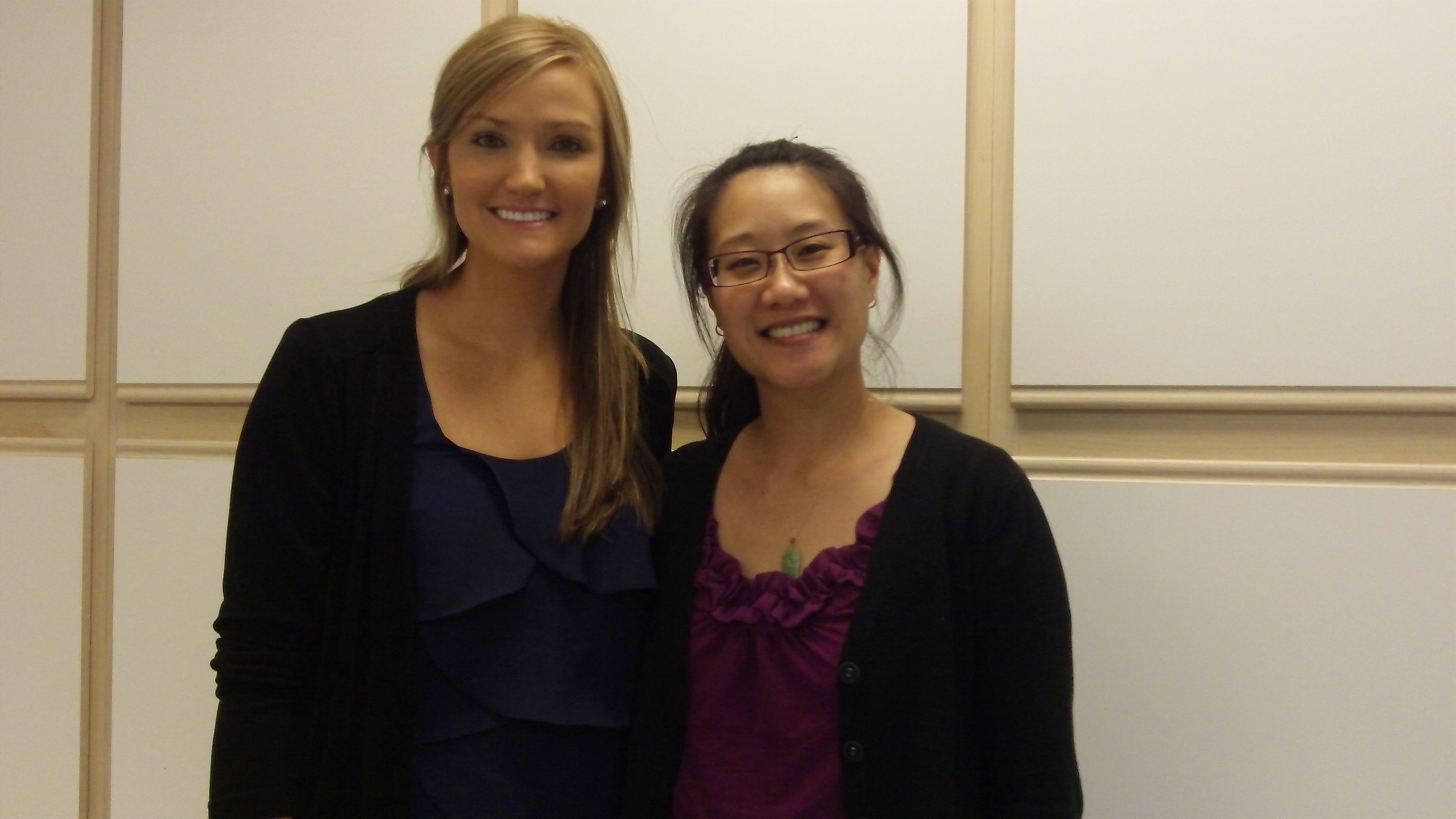
Goodbyes are often bittersweet. While we are sad to see Christina Hobgood Naugle PA-C leave our team, we are proud to welcome a new team member, Kim Kay PA-C! Please take a moment to read the special message from Christina below.

“I am very happy to introduce to you all, Kim Kay PA-C.  Kim will be taking my place at The Center for Natural Breast Reconstruction starting in March.  My husband and I have a good opportunity in South Florida, so I will be returning to my home town.  Kim was a student with Drs Craigie and Kline a couple years ago, so she is a familiar face to The Center for Natural Breast Reconstruction team.  I am very sorry that I am unable to hug each one of you prior to my move, but I could not leave without telling you all “Thank you”.  Thank you for the friendships, and thank you for the life lessons that each of you have provided in the past 3 ½ years.  This experience has been invaluable and the strength I have seen inspiring.  I will keep you all in my thoughts and prayers, and check in with Drs. Craigie and Kline occasionally.

I am leaving confident that Kim will be an excellent addition to The Center for Natural Breast Reconstruction family!
All my best!”

Christina Hobgood Naugle PA-C

Christina,  we wish you the best of luck in South Florida!


What Can You Do to Improve Your Surgical Experience?

We at the Center for Natural Breast Reconstruction are constantly finding breast reconstructive patients asking how they can have the most optimal surgical experience. We have decided to share with you some steps we have to help our patients have the best surgery experience possible!

Starting Immediately

Stop Smoking: Smoking reduces circulation to the skin and impedes healing.  (This includes avoiding rooms with smokers.)  You must be nicotine free for at least 1 month prior to the procedure and throughout the duration of the various stages (a minimum of around 10 months).  Note: nicotine in your system increases risk for wound healing complications, infections, cardiac complications, pulmonary complications, or flap loss/failure.

Get in Shape: While reconstruction process will help improve parts of your body, it is important to be in optimal shape prior to surgery.  A Body Mass Index between 19%-25% is an ideal goal.  We do not recommend “crash diets” or extreme lifestyle changes.  However, statistics have shown patients with a lower Body Mass Index have fewer wound healing complications, infections, pulmonary complications, and cardiac complications.

The Day before Surgery

Cleansing:  Purchase Hibiclens or Dial soap and wash all surgical areas with these products.  (The Hibiclens is provided with the other prescriptions given pre-operatively.) DO NOT use this after your surgery unless otherwise instructed.

Do not shave the day before your surgery. Open wounds can invite infection.

Eating and Drinking:  Do not eat or drink anything after 12:00 midnight the evening prior to surgery.  This includes water.  No breath mints, no chewing gum.

The Morning of Surgery

Eating and Drinking: Do not eat or drink anything!  If you take a daily medication, you may take it with a sip of water in the early morning unless the hospital has given you instructions otherwise.  No breath mints, no chewing gum.

Oral Hygiene:  You may brush your teeth but do not swallow the water.

Cleansing:  Shower and wash the surgical areas again with HIBICLENS or DIAL soap.

Make-up:  Please do not wear any moisturizers, creams, lotions, or make-up.

Clothing:  Wear only comfortable, loose fitting clothing that does not go over your head.  Remove hairpins, wigs, and jewelry.  Please do not bring valuables with you.

Check back next week as our team will share  tips and suggestions for improving healing and cutting down recovery time.
Do you have a question for our team at The Center for Natural Breast Reconstruction? We’d love to hear from you


Beating Psoriasis and Dry Skin this Winter

Dry SkinDuring the winter, we often see breast reconstructive surgery patients who suffer from dry skin and psoriasis. While dry skin is a common winter complaint, it doesn’t have to be your fate. Following are some tips to prevent dry skin and take care of psoriasis.

Eat plenty of good fats.

Your body needs essential oils to keep everything smooth, silky, and healthy. Be sure to eat healthy-fat foods every day, such as avocados, nuts, and salmon. Check with your doctor to see how much you need, and enjoy!

Drink plenty of water.

We tend to forget to drink plain water in the winter because we crave warm drinks such as cocoa and tea. If your body doesn’t get enough water, it won’t stay hydrated, and your skin shows it. Drink at least eight glasses of water a day, and more if you’re thirsty. If this doesn’t help, your home may need more moisture in the air. Try a humidifier.

Sunscreen is still vital.

Even though the sun may be hiding behind clouds during the winter, it doesn’t mean you can skip sunscreen. The sun can still damage your skin through the clouds and cause a psoriasis outbreak. If you love snow sports like skiing or snowshoeing, the glare can burn your skin and hurt your eyes—so don’t forget sunglasses! Be sure to carry sunscreen with you so you can reapply as necessary.

You may need a heavier moisturizer.

What worked well in the summer for moisturizing your face and body may not do the job during the winter months. If you love your moisturizer and don’t want to change, you may need to simply apply it more often during the day. Otherwise, look for a creamier moisturizer with more staying power. You might also consider using something like Bag Balm or coconut oil.

This tip will also help keep psoriasis flare-ups at bay, especially if you apply moisturizer liberally after baths and showers. Speaking of which . . .

Nix extra-hot showers and baths.

You love hot showers in the winter, but they’re actually doing more harm than good for your skin. The heat dissipates the oils in your skin, causing it to dry out and itch. If you do have itchy skin or a psoriasis outbreak, try a lukewarm oatmeal bath with plenty of non-allergenic moisturizer afterward.

Keep stress down.

Psoriasis, like most skin conditions, flares up when you’re under stress, and then the flare-up makes your stress worse. It’s a vicious cycle. Recognize your own early triggers of stress, and do what you can to reduce or prevent it, such as working out, meditating, or talking out your problems. If you’re facing breast reconstructive surgery, you’re already under stress, so you may experience a flare-up. If stress is an issue for you, contact your doctor for help.

What do you do to combat dry skin or psoriasis?


How to Take a Healthier Shower

healthier showerWhile we don’t consider taking a shower an unhealthy activity, there are a few steps you can take to make your shower healthier and even more invigorating.

When you take a shower, the steam and hot water open the pores of your skin, so anything you use on it is absorbed into your skin. Following are a few tips to reduce the toxin load of your shower.

Filter your water.

Municipal water systems add chlorine to the water during the treatment process, and a certain amount of chlorine remains in the water. Many places have hard water, meaning the water contains minerals. Adding a home water filter reduces chlorine and other chemicals at the point water enters your home. If you prefer not to buy a whole house water filter, you can buy a filter for your shower head to reduce the chlorine, chemicals, and minerals you inhale and absorb.

Use organic or natural soap and shampoo.

If you read the ingredients of your soap and shampoo, you’ll find ingredients you can’t pronounce, and some of these are bad for your skin, such as sodium laureth sulfate. Why not try some goat’s milk or natural bath products? A Google search will bring up many websites for organic soaps and shampoos, and once you try them, you won’t return to the chemical-laden cleansers.

A side note: Several companies also sell natural toothpaste or tooth soap. You’ll be amazed at how clean your mouth feels without the chemicals in your regular toothpaste.

Leave the door open.

The chemicals in your water or in your cleansers give off fumes that become concentrated if you leave the bathroom door closed. Opening the door allows the steam and fumes to disperse outside the bathroom, giving you cleaner air to breathe.

Don’t flush the toilet right before you shower.

Flushing spews bacteria into the air, and those bacteria can linger in the bathroom if you shower right after flushing—especially if you leave the door closed. You can flush with the lid down, or wait to flush after your shower.

Change loofahs and washcloths regularly.

Be sure to let bath poufs, washcloths, and loofahs dry completely between showers. Bacteria thrive in moist environments, so do what you can to ensure that the entire washcloth surface is exposed to air. Change your bath accessories regularly—at least every few weeks—to reduce bacterial contamination.

Do you have any tips for a healthier shower?


What is a Breast MRI and How is it Done?

Unlike a mammogram, which uses x-rays to create images of the breast, breast MRI uses magnets and radio waves to produce detailed 3-dimensional images of the breast tissue. Before the test, you may need to have a contrast solution (dye) injected into your arm through an intravenous line. The solution will help any potentially cancerous breast tissue show up more clearly.

Cancers need to increase their blood supply in order to grow. On a breast MRI, the contrast tends to become more concentrated in areas of cancer growth, showing up as white areas on an otherwise dark background. This helps the radiologist determine which areas could possibly be cancerous. More tests may be needed after breast MRI to confirm whether or not any suspicious areas are actually cancer.

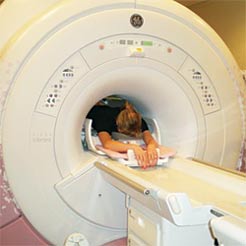
For the breast MRI, you lie on your stomach on a padded platform with cushioned openings for your breasts. Each opening is surrounded by a breast coil, which is a signal receiver that works with the MRI unit to create the images. The platform then slides into the center of the tube-shaped MRI machine. You won’t feel the magnetic field and radio waves around you, but you will hear a loud thumping sound. You will need to be very still during the test, which takes around 30 to 45 minutes.

Because the technology uses strong magnets, it is essential that you remove anything metal — jewelry, snaps, belts, earrings, zippers, etc. — before the test. The technologist also will ask you if you have any metal implanted in your body, such as a pacemaker or artificial joint.

Where to have breast MRI?

It’s important to have breast MRI done at a facility with:

  • MRI equipment designed specifically for imaging the breasts. Not all imaging centers have this; instead, many have MRIs used for scanning the head, chest, or abdomen.
  • The ability to perform MRI-guided breast biopsy. If the breast MRI reveals an abnormality, you’ll want to have an MRI-guided breast biopsy (a procedure to remove any suspicious tissue for examination) right away. Otherwise, you’ll need to have a breast MRI again at another facility that offers an immediate MRI-guided breast biopsy.

See the MRI at The Charleston Breast Center Below


Mastectomy and Breast Reconstruction Questions Answered

nipple sparing mastectomyThe below questions are answered by Dr. Richard M. Kline, Jr., Charleston breast surgeon for The Center of Natural Breast Reconstruction:

What kind of breast expander do you recommend and employ?

We usually use either Mentor contoured tissue expanders, which have more projection at the bottom than the top, or Mentor round expanders with a remote port. If patients are using tissue expanders only as a “bridge” during post-mastectomy radiation until they can receive a flap reconstruction, then we prefer the remote port model, because it won’t interfere with the MRI we like to get prior to flap surgery to look at the vessels. If the patient is planning on having a permanent implant reconstruction, then the contoured expander (which is not compatible with MRI) may produce a better initial shape.

If I choose immediate breast reconstruction, what happens if it is discovered I need radiation treatment during the mastectomy? What happens then?

It depends on what type of reconstruction you have chosen. If you choose implant reconstruction, radiation doesn’t hurt the tissue expander or implant, although it significantly decreases the chance of achieving an acceptable result. If you have had an immediate flap reconstruction, then learn (unexpectedly) that you need radiation, then the flap may be in serious jeopardy. Experienced oncologic breast surgeons are usually pretty good at anticipating whether a patient will need radiation or not. If significant doubt exists, however, and a flap reconstruction is planned, it is best either place temporary tissue expanders at the time of mastectomy, or delay all reconstruction until after radiation.

What are the disadvantages of postponing breast reconstruction after mastectomy? (scarring, skin sparing options, nipple options)

The only significant disadvantage to postponing reconstruction is potential contraction of skin if a skin-sparing or nipple-sparing mastectomy is used. Depending on the amount of skin present and the ultimate desired breast size, however, this may present a problem for some patients, but not others. The advantages of delaying reconstruction include a decreased incidence of complications, and shorter anesthetics.

For breast reconstruction, what are the options for nipples?

If nipple preservation can be successfully employed, then this may give the best outcome in some cases. Not all attempted nipple-sparing mastectomies are successful, however, and many nipples have failed to survive after this procedure. Nipple reconstruction using local skin flaps has proven to be highly reliable, and tattooing of the areolas can produce very realistic results.

Do you have a question for the Charleston breast surgeons at The Center for Natural Breast Reconstruction? We’d love to hear from you.

How One Breast Cancer Survivor Found Hope by Making Informed and Proactive Decisions

breast reconstructionThe team at The Center for Natural Breast Reconstruction is honored to share with you an In Her Words post written by a recent patient of ours, Linda Burkholder. She is an inspiration to all women who are facing breast cancer or who are at risk for hereditary breast cancer.

See below for Linda’s story:

Breast cancer—you can’t say I didn’t see it coming, but being the eternal optimist, I hoped I would dodge the bullet.  Several members of my family have died from breast cancer, including my grandmother, mother, aunt, and sister. After my sister died in 2006, I began to seriously consider prophylactic surgery. I quickly learned that there is little support in the medical community or among friends for this procedure.

After a benign biopsy two years ago I found F.O.R.C.E. (Facing Our Risk of Cancer Empowered) on the Internet.  F.O.R.C.E. is a support group for those with hereditary breast and ovarian cancer. They posted an application for a scholarship to their annual conference. I applied and much to my surprise I was granted an expense paid trip to the conference in Orlando in 2010. I can’t tell you how that changed my life. I learned so much about everything I wanted to know about breast cancer and I met several plastic surgeons who stood out to me, especially Dr. Kline from The Center for Natural Breast Reconstruction. I made a mental note to keep him in mind and took home a beach towel with his phone number splashed across it.

During the next year I struggled with my decision to have prophylactic surgery. Intellectually, I knew what to do, but emotionally I was really struggling. I joined a local F.O.R.C.E. group and kept learning and thinking and meeting cancer survivors, assuming I would have surgery when I felt more comfortable with the idea. Fast forward to June 2011. It was time for my annual mammogram. I told my family doctor I also wanted an MRI, to which she reluctantly agreed. To make a long story short, the mammogram came back normal, but the MRI showed a 1.2 cm questionable spot—a spot, I was told, because of its location, would never have been seen on any mammogram. It was a Stage 1 cancer.

This was almost 2 years to the date from my previous benign lumpectomy. In July, 2011 I had a second lumpectomy performed by one of the most respected surgeons in my area. Without consulting me she automatically scheduled me for radiation. I refused the radiation because I felt that all treatment was my decision and I wanted to consult with an oncologist first. Also, I had learned at the F.O.R.C.E. convention that radiated tissue is harder to reconstruct and I already knew I ultimately wanted mastectomies with natural breast reconstruction, not implants.

When I told the surgeon I didn’t want implants, she hit the ceiling. Clearly, no one had ever before challenged her standard treatment plan. Thanks to F.O.R.C.E., I was empowered. The next convention was two weeks away and I knew this would be where I would make my final decision, and it was. I talked with EVERY plastic surgeon at the conference. I spoke with Kathy Steligo, author of The Breast Reconstruction Guidebook, for 45 minutes at the round table breakfast. I had read her book for the third time on the plane to Orlando two days before. After the conference I came back to my hometown and started chemotherapy. I also scheduled my surgery for November at The Center for Natural Breast Reconstruction.

After consulting with my oncologist, I elected to have bilateral mastectomies with autologous reconstruction. In September my husband and I made a trip to South Carolina to meet with Dr. Kline and Dr. Baron, the general surgeon. I wanted my husband to meet my doctors. I wanted to make sure I had his full support and I wanted to make sure any lingering questions by either of us were answered.

After that meeting I was sure I wanted to go forward with the DIEP procedure. I felt very confident that everything would be alright. On November 30, 2011 I had the procedure. It was an 8-hour surgery, and everything went very well. I was in East Cooper Medical Center for four days. My nurses were great, especially Angela. I thought of her as my special angel since she was able to anticipate what was needed before being asked and was especially kind. She really took good care of me.

After my discharge from the hospital my husband and I stayed in Charleston another 10 days. I got a handicapped room at a local long-stay hotel. There was a handicapped shower and a recliner in the room. I really appreciated that recliner and I slept in it most nights. It helped to keep my feet elevated.  Every day, at least one time, I took a short, slow walk up and down the hall for exercise. I saw Dr. Kline 3 times during the next 10 days and he assured me everything was fine and my breasts looked “beautiful”—although at that time I didn’t think they looked so beautiful. Now, 5 weeks later, I can see how nicely everything is shaping up and I don’t think I will require a lot of revision at the Stage 2 procedure. I am glad I chose the DIEP procedure. The recovery is long, but it is worth it.

Did I ever seriously consider implants? The answer is yes, because implants represented the path of least resistance. I could have had the surgery done locally and I wouldn’t have had the additional expense of the trip from Indiana to South Carolina. Also, I would have had my entire support system around me. In making my decision I talked to many women who had implants and it seemed to me that they either loved them or hated them. Those that loved them seemed to love them only after 2-3 additional procedures due to complications. Everyone complained about the fills being painful and some found the implants to be cold or uncomfortable. Also there was the risk of capsular contracture and the necessity of replacing the implants every 10-15 years. I also talked with many women I met through F.O.R.C.E. who had flap procedures. I saw their results and they were fabulous. Short of a few fading scars, you could not tell that their breasts were not original. All of them seemed quite pleased with their new breasts.

Yes, recovery is a bit prolonged with DIEP. You definitely need someone very devoted to you to help out those first few weeks. I needed help getting up and down, showering, dressing, and emptying my surgical drains. My husband helped me with everything, dispensed my medications and gave me a blood thinning shot daily. I could do very little without his assistance the first 10 days following surgery, and I slept much of the time. Still, I was able to get around slowly and even went out to local restaurants my two weeks in Charleston. I also had pain medication, which made life bearable.

As the weeks have progressed, I feel my strength slowly returning. I am not yet 100% but I am planning to return to my job part-time on January 9th, with hopes of returning fulltime the following week. For anyone considering a flap procedure but fearful of the recovery, I would advise them that it is doable. It’s not as bad as you think. A certain amount of fear is normal if, like me, you have never had a major surgery. But for me, everything went fine, even though I am 59 years of age, older than any one I have met who had DIEP. So, I think if I can do it, anyone can.

My only regret is that I didn’t come to my decision for prophylactic surgery before I got cancer. Time ran out to make that decision but I am thankful my cancer was found early and I am thankful for my husband of 29 years, Larry, was by my side supporting me every step of the way. I would advise anyone facing cancer to not panic, do your homework, and be very proactive in your treatment. Learn everything about breast cancer that you can so you can understand your options. Choose your doctors carefully. Get second opinions and do what YOU think is best for you. You have many options; don’t let anyone take any of them away from you. Make your own decisions.

Having cancer has changed my view of life. It seems much more precious and much more vulnerable than before. I am thankful for a second chance and thankful that I had so many options that my mother and grandmother did not have. My mother had radical mastectomies, which are very disfiguring. I am glad that I still look much like I did before. I had nipple-sparing surgery and when I look at my breasts I still see me in there. I can’t wait to see the results following my final revisions. I am very grateful for Dr. Kline, Chris Murakami, RN and Clinical Coordinator, and all the staff at The Center for Natural Breast Reconstruction for a very positive reconstructive experience.

About Linda Burkholder

My name is Linda Burkholder and I have lived in Kokomo, Indiana the past 22 years. I am the proud mother of two adult children, a daughter 23 years-old and a son age 21. I have been married to my husband, Larry, for 29 years. I work fulltime at Indiana University as an Administrative Secretary to the Dean of the School of Public and Environmental Affairs. I love animals and have two Pembroke Welsh Corgis and four cats. In my spare time I enjoy reading and knitting.

Do you have a question for one of our doctors? Ask us!

How to Develop Effective New Year’s Resolutions That You Will Keep

new years resolutions‘Tis the season to make New Year’s resolutions, but all too often they’re broken within a few days or weeks. We came up with a few ways to help make resolutions that you’re more likely to keep.

Do you really need to make resolutions?

For some people, using the word resolution dooms their plans. Maybe you should create a plan, set a goal, or make a decision.

Write it down.

To be successful in hitting your goal or resolution, you need a written plan of action. Take 30 minutes and write down what you want, why you want it, and how you plan to reach it. When your motivation wanes in the coming weeks, you’ll have that to look back on.

Be realistic.

Is losing 50 pounds in 2012 a goal that you can see yourself reaching? How about quitting smoking for the 10th time, or exercising every day? Be honest with yourself and set a goal that you can hit. Maybe 25 pounds, cutting down to ½ pack a day, or exercising three times a week are more realistic goals right now.

Focus on the short term instead of the long term.

Look at what you can do now rather than what you plan to do 6 months or a year from now. Using the examples above, focus on the month of January instead of the entire year. Decide to lose a pound a week, cut down by two cigarettes a day, or take up a new activity like Zumba or walking the dog after dinner.

Break down your resolutions into bite-sized chunks instead of trying to choke down a big goal.

Expect that things may not go the way you planned.

Most good plans have a monkey wrench thrown in at some point, and your New Year’s resolution is no different. Maybe in March you’ll hit a weight loss plateau, or your plan to quit will go up in smoke—how will you handle it? You may decide to make diet or exercise changes, or you may decide to quit smoking again.

You need to be flexible enough to roll with the punches and not feel defeated when things don’t work out as you had planned.

What has helped you to make successful New Year’s Resolutions?

Does Lymphedema Affect Success of Breast Reconstruction?

breast reconstructionThe below question is answered by the team at The Center for Natural Breast Reconstruction:

Does having lymphedema (arm and trunk) affect success of breast reconstruction?

We primarily have experience using perforator flaps for breast reconstruction, so I’ll answer from that perspective. Arm lymphedema does not directly affect breast reconstruction, although there are reports of arm lymphedema improving after reconstruction using your own tissue (such as DIEP, GAP, or other perforator flaps). Trunk lymphedema (including breast), while not affecting the survival of the flap, can result in prolonged edema of the breast skin overlying the flap, leaving the reconstructed breast with a heavy, “wooden” character. We have seen this edema gradually resolve in some patients, however, over a period of up to two years, and it is possible that the flap is actually helping with this.

For more answers to your breast reconstruction questions, visit our Ask the Doctor section of this blog.