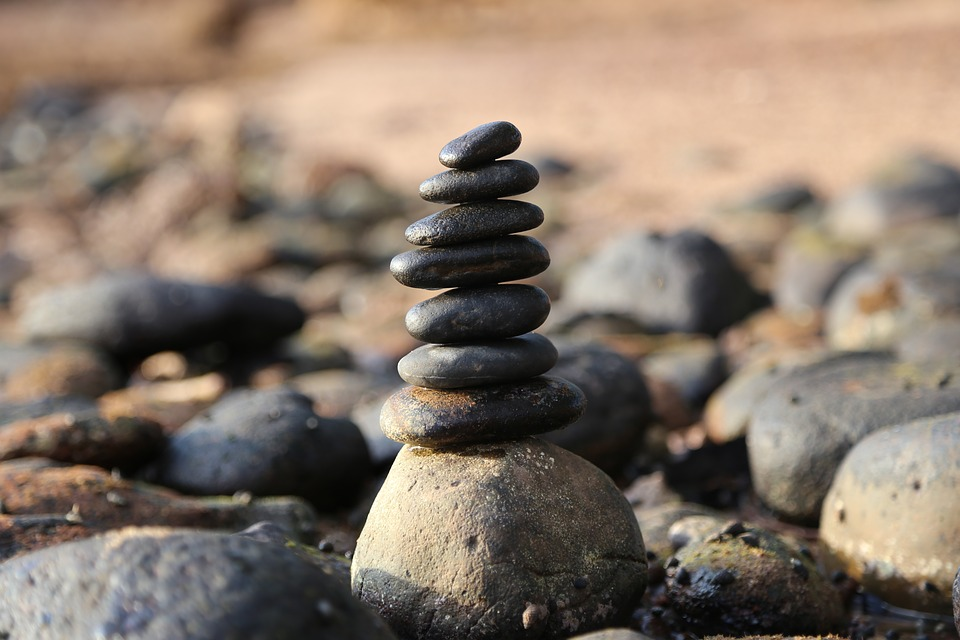
Making time for self-care is very important. It allows you to unwind, destress, and refocus.
And most important, making time for self-care is vital for maintaining both your emotional and physical health. Sometimes it’s easier said than done. Between work, raising kids, maintaining your home, volunteering, or doing whatever it is you do each week, it’s very easy to forget about taking care of yourself.
Self-care isn’t a reward.
It’s something that needs to be worked into your weekly routine to ensure you stay healthy and happy.
So, today, we thought it would be fun to share 5 simple self-care tips that you can add into your routine every week. Enjoy…
Give Yourself a Night Off
We know you have responsibilities. Kids need to be fed. Pets need to be walked. Houses need to be cleaned. The list goes on and on.
But here’s a little secret. It’s okay to take a night off once a week. In fact, it’s important that you give yourself a break so you don’t go crazy!
Simply ask your partner to take over dinner duty one night a week.
If you don’t have help from a partner, order pizza once a week instead. Everybody wins on pizza night!
Do you have a dog that needs to be exercised? Hire a neighborhood kid to walk your pooch once a week or put your pup in doggy daycare for the day.
Are you tired of cleaning? Ask your kids to take over one of your chores, or rearrange your chore schedule.
There are endless ways you can give yourself one night off each week. All it takes is a little planning and creativity.
Have a Girls’ Night
There’s something therapeutic about a glass of wine, some dessert, and a night out with your best girlfriends.
We know people’s schedules are busy, but we also don’t think it’s unrealistic to set aside time for a girls’ night once a month.
All you need to do is pull out your calendar, call up your girlfriends, and pick a date that works best for everyone.
Then, each month, let one person be in charge of making the plans. This takes the stress off of one person having to coordinate everything.
Here’s are a few ideas for a fun girls’ night activity…
- Have a movie night
- Make dinner and dessert
- Take an art class
- Host a board game night
- Go out for a spa day
- Attend a yoga class
- Enjoy a hike at a local park
Make Time for Exercise
Making time to exercise is so important…
Not only does weekly exercise keep your body strong and healthy, but it will also keep you feeling confident and looking good.
We’re not saying you have to go crazy and join a high-intensity boot camp training program.
Unless, you’re into that kind of thing…in that case, go for it, girl!
But, a daily walk, taking a yoga class, or going for a swim at your local indoor pool are all great ways to keep your body moving.
Not sure what exercise routine you’d like best? Here are a few fun low-impact workout options to choose from.
Check out our favorite low-impact workout activities.
Make Your Goals and Dreams a Priority
How often have you had to put your goals or dreams on the back burner because you’ve had a responsibility to put someone else before yourself?
First of all, we applaud your selflessness.
It’s take a special person to be able to put someone else’s wants and needs before your own.
Second, we are here to tell you that now it’s your turn to make your dreams and goals a priority.
This doesn’t mean you have to give up your duties as a spouse, parent, or employee. But, it does mean that you need to give yourself permission to carve out time each week to accomplish the things you want to do.
For instance, if you’ve dreamed of running a marathon, now is the time to plan a few hours each week to go running.
Or perhaps you’ve dreamed of getting a job in a certain profession, but need to go back to school to earn a degree. Today is the day to start saving up for classes and put together a plan for going back to school.
You can make your dreams a reality as long as you start taking steps toward reaching your goals now.
Treat Yourself
Last, but certainly not least, we want you to know that it’s ok to treat yourself every once in a while.
Craving a dessert from your favorite bakery? Stop by after work and reward yourself for a great work day.
Excited that the pumpkin spice latte is now available in coffee shops across the country? You’ve waited all year for it, girl. Go get yourself a drink!
Tired of screaming kids, spending hours doing laundry, and putting in overtime at work? Use a vacation day, and take that 3-day weekend trip with your girlfriends.
I think you get the point.
Every once in a while, do something for YOU. You deserve it!
What is your favorite self-care tip? Share it with us in the comments below!