Archives for 2011

What is Capsular Contracture?

breast reconstruction

The below question is answered by The Center For Natural Breast Reconstruction team:

I’m considering implant-based breast reconstruction. My surgeon mentioned a “risk of capsular contracture.” What exactly is that?

Capsular contracture is an abnormal response of the immune system to foreign materials in the human body. Medically, it occurs mostly in context of the complications from breast implants and artificial joint prosthetics.
The occurrence of capsular contraction follows the formation of capsules of tightly-woven collagen fibers, created by the immune response to the presence of foreign objects surgically installed to the human body, e.g. breast implants, artificial pacemakers, orthopedic prostheses; biological protection by isolation and toleration. Capsular contracture occurs when the collagen-fiber capsule tightens and squeezes the breast implant; as such, it is a medical complication that can be very painful and discomforting, and might distort the aesthetics of the breast implant and the breast.

Although the cause of capsular contracture is unknown, factors common to its incidence include bacterial contamination, rupture of the breast-implant shell, leakage of the silicone-gel filling, and hematoma.
Moreover, because capsular contracture is a consequence of the immune system defending the patient’s bodily integrity and health, it might reoccur, even after the requisite corrective surgery for the initial incidence.

The degree of an incidence of capsular contracture is graded using the four-grade Baker scale:

• Grade I — the breast is normally soft and appears natural in size and shape
• Grade II — the breast is a little firm, but appears normal
• Grade III — the breast is firm and appears abnormal
• Grade IV — the breast is hard, painful to the touch, and appears abnormal

–The Center for Natural Breast Reconstruction team

Loved this post? Why not like us on Facebook?


Visiting Charleston? Here’s What You Should Do: Part I

Charleston vacationWhether you’re a Charleston resident, visiting Charleston for some rest and relaxation, or coming to Charleston to visit The Center for Natural Breast Reconstruction, there are tons of wonderful activities to take part in, no matter your special interests.

Here is our list of top 10 things to do and see while visiting Charleston, SC:

1. The Aquarium: For all ages, the South Carolina Aquarium is an aquatic wonderland! Filled with exotic species and local creatures alike, the Aquarium offers visitors the opportunity to view a nice assortment of some of the world’s most enchanting animals. One of our favorite features of the South Carolina Aquarium is their Sea Turtle Hospital, where they house injured sea turtles and rehabilitate them before releasing them back into their natural habitat. We also love the river otter and albino alligator exhibits.

2. Ghost Tours: For a little spook, embark on an exciting ghost tour around downtown Charleston to get a feel for why Charleston is known as a haunted city. Some of the ghost tours include dungeon, graveyard, and old jail tours.

3. Wine Strolls at Middleton Plantation: Every Wednesday, up until November 16, Middleton Plantation hosts an exciting Wine Stroll where visitors can delight in tasting a broad selection of wines and stroll through the plantation’s pristine gardens. Tickets are $15 per adult and are a bargain, in our minds!

4. Relaxing on the Beach: From Folly Beach to Isle of Palms, there is a nice selection of beaches to find pure bliss on. Each beach has its own ambiance and nearby attractions, which makes Charleston perfect for all travelers. No matter which beach you choose to visit, you can’t go wrong!

5. Downtown Dining: When it comes to downtown dining, there are dozens upon dozens of options to choose from. It’s impossible to pick one as your favorite. But, some of our absolute favorites include: Cru Café, Hominy Grill, Carolina’s, Peninsula Grill, Fleet Landing, Mercato, Rue de Jean, and the list goes on and on! There are lots of options when it comes to pricing, as well. Restaurants range everywhere, from fine dining to casual eateries.

Stay tuned for Part II of this post where we share five more of our favorite things to do while visiting Charleston.

Tricks to Enjoy Yummy Beers and Wine without Packing on the Pounds

light alcoholWhen you’re watching your weight, one of the first things you normally reduce or eliminate is alcohol. While drinking too much can cause weight gain and other issues, moderate consumption of alcohol is good for your heart. You don’t need to deprive yourself to keep your weight down and stay healthy—you just need to do a little planning.

Often, small changes are all you need to make your favorite drinks healthier. For example, if you enjoy beer, you might like the new low-calorie and low-carb light beers. Most of the domestic beer makers have low-calorie options, such as Budweiser Select, Michelob Ultra, Miller Genuine Draft 64, and Aspen Edge. These beers vary in alcohol content.

If you prefer wine, lighter whites such as Chardonnay, Pinot Noir, and Chablis tend to be lower in calories than reds. White Zinfandel is also a good choice. Sweet dessert wines such as Port and Madeira contain high levels of sugar and alcohol and are high in calories.

The calories in mixed drinks and cocktails often come from the mixers you choose. While sweet liqueurs such as crème de menthe are high in calories by themselves, if you add high-calorie juices or cream, you can go from 100 calories to over 500 in no time. If you choose a drink that combines several types of alcohol, the calories will also climb.

The simpler the drink, the better. An average shot of 80-proof alcohol is around 100 calories before you add anything. Asking for diet soda pop, water, or diet tonic will help keep your calorie count down. Gin and tonic, rum and diet coke, and whiskey and water may not be very exciting, but their calorie counts are low. You could opt for shots of liqueur or flavored vodka, or order them on the rocks.

Some drinks have spawned their own low-calorie versions. For example, a skinny margarita leaves out the syrupy mix of the regular margarita. Ordering the regular-sized margarita instead of the fishbowl-sized margarita will help your weight stay where you want it. Some super-sized drinks can have 1,000 calories or more.

To reduce your consumption of alcohol and related calories, consider drinking a glass of water or simple mocktail between drinks, and skip the munchies at the bar. After a few drinks, your inhibitions are low, which also affects your resolve to watch yourself. If you know you’re going out one night, skip snacks or eat light during the day to save up calories for later. Eat before you go out so you aren’t tempted to eat high-calorie bar snacks.

For more information on health and wellness, Like us on Facebook.

Is Seafood on Your Menu at Home? 5 Reasons It Should Be

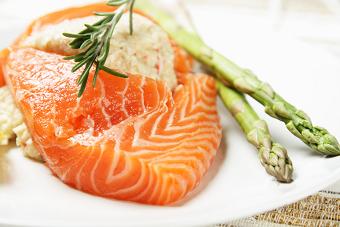
seafoodSeafood is one of the healthiest foods you can eat and is full of good fat, vitamins, and minerals. Some species of seafood, such as shellfish, have unfairly earned a reputation as an unhealthy food. Nothing could be farther from the truth. Shellfish are a good low-fat source of protein, and except for shrimp, are low in cholesterol. People in Nordic countries and in Asia who eat high levels of fish live longer and are healthier than the rest of the world. They have lower rates of certain cancers, such as breast, pancreas, lung, and colon.

For best results, eat fish at least twice a week to receive the highest level of benefits.

Fish is one of the best heart-healthy foods.

The Omega-3 fats found in fatty fish such as salmon, trout, herring, and tuna are polyunsaturated, which protect against heart disease by lowering cholesterol and triglycerides. Fish reduces blood clotting, which lowers the risk of heart attack and stroke. The fats also keep arteries elastic, which reduces blood pressure and coronary disease.

Fish oil reduces inflammation.

Inflammation plays a role in various diseases, such as arthritis, diabetes, fibromyalgia, and hypertension. In fact, most autoimmune diseases and many chronic disorders have been linked to inflammation, which is caused by poor diet, environmental toxicity, and stress. Omega-3 fatty acids reduce inflammation and help treat or prevent these diseases.

Seafood has high levels of essential vitamins and minerals.

Eating a variety of seafood gives you a full range of vitamins and minerals. Oysters are a good source of vitamins A, B, and D, magnesium, and calcium, and crab, shrimp, clams, and mussels are high in zinc and iron. These nutrients ensure good eyesight and healthy muscles and skin.

Fatty acids in fish keep your brain healthy.

Omega-3 fatty acids increase blood flow to the brain and prevent Alzheimer’s disease and dementia. Children who consume seafood tend to perform better in school, and the incidence of depression tends to be lower in those who eat seafood.

Omega-3s keep kids healthy and strong.

Pregnant women who eat a variety of seafood tend to have full-term, healthy babies with lower rates of asthma. Doctors believe that fish oils control allergens in the body. Even if a woman doesn’t eat seafood during pregnancy, the allergy control benefit occurs if the child consumes fish oil daily.

As with any food, the fresher the seafood, the better. There is a chance of mercury contamination in some fish, but the benefits outweigh the risks. To reduce mercury, choose fish that is wild caught, and eat fish lower on the food chain, such as sardines and herring. Predatory fish, such as swordfish and mackerel, will have the highest levels of mercury because they eat the smaller fish, so mercury builds up in the larger fish’s body.

What is your favorite fish?

Garden Your Way to a Happier and Healthier Life

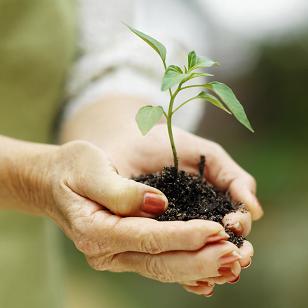
gardeningSummer is the time of year for a variety of fruits and vegetables, and you can’t find healthier, fresher, or more delicious produce than what you grow yourself. Gardening has many benefits besides providing delicious, fresh food—it helps you relax, lose weight, save money, and stay strong as you get older.

Create a slimmer, healthier you.

Gardening is good strength training and cardiovascular exercise, and it reduces blood pressure, relieves stress, and improves flexibility. It helps you stay at a healthy weight, and some gardeners say their garden teaches them patience. The earlier you begin gardening, the more beneficial it becomes as you age. Researchers at Kansas State University found that older adults who garden have better hand strength than those who do not.

Relax and enjoy yourself.

People enjoy gardening because it puts them in tune with nature and relaxes them. It’s a favorite hobby, and they often spend hours tending their garden. Eating the food is a wonderful bonus, but the process of growing the garden is what they love.

Know what you’re eating.

When you grow food yourself, you control which fertilizers, pesticides, herbicides, and fungicides are used (if any). You know exactly what you’re eating because you bought the seeds and were there throughout the growth cycle. When you buy produce, you don’t know how it was grown or which chemicals were used.

Enjoy food at its freshest.

Having a garden means you can walk outside, pick your food, wash it, and eat it—or sit in your yard and enjoy it right off the bush or out of the ground. It’s at its peak of freshness and taste, and you receive the full benefit of its nutrients. When you buy your produce elsewhere, it’s at least a few days old, and as it ages, its nutrient load decreases.

Save money on groceries.

Whether you buy from the supermarket, health food store, or farmer’s market, fruit and vegetables are expensive. When you grow your own, you may spend a significant amount of money in tools to start, but in following years, all you need to buy are seeds, starter plants, and fertilizer. You can grow a full garden for what it costs for one trip to the store.

Gardening is therapeutic, rejuvenating, and allows you to not only save money on groceries, but also eat the healthiest food possible. In addition, you can cultivate a happier social life and have plenty of dinner parties with all the fruits and vegetables you grow!

If you want more tips on how to lead a happier and healthier life, Like us on Facebook!

Essential Vitamins for Your Health

vitaminsYou’ve heard about essential vitamins all your life, from health classes to discussions on news and talk shows. Depending on which stage of life you’re in, your vitamin needs may vary, and a deficiency in any single vitamin can cause health issues.

Vitamins are chemicals that aid specific functions in your body. They play a major role inside your cells, and to be healthy you need optimal levels of each vitamin. Except for Vitamin D, which your body can make from sunshine, you need food or supplements to provide the full range of vitamins. Check with your doctor before supplementing. Following is a list of vitamins and their functions in the body.

Beta-carotene converts to vitamin A and keeps eyes, bones, skin, and tissue healthy and strong. Green leafy vegetables and orange-colored foods such as carrots and cantaloupe are high in beta-carotene.

Beta-carotene is part of the antioxidant group, which helps protect cells from unstable molecules in the body called free radicals. Other antioxidants include lycopene, found in tomatoes, and vitamin C.

Vitamin B6 aids in brain function, memory, and metabolism, while vitamin B12 helps cells divide normally. Vegetarians commonly have low levels of B12, as it is found only in animal sources such as eggs, meat, and cheese. Good sources of B6 include bananas, seeds, and beans.

Folic acid, or vitamin B9, is especially important for women of childbearing age because it reduces the risk of birth defects. Food sources of folic acid include dark green vegetables, melons, beans, and eggs. If you smoke, drink significant amounts of alcohol, or use oral contraceptives, a folic acid supplement will help maintain optimal levels in your blood.

Vitamin C helps produce red blood cells and heal the body. Many fruits and vegetables contain some vitamin C, but citrus fruits, peppers, broccoli, and tomatoes are especially high. If you tend to have high levels of stress, you’ll want to eat plenty of foods with vitamin C, or supplement it, because stress depletes vitamin C levels.

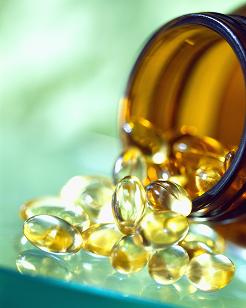
Vitamin D keeps bones strong by regulating calcium and phosphorus levels. Sunlight is the most effective way to help your body make vitamin D. Exposing as much skin as possible to the sun (without sunscreen) for 10–15 minutes several times a week will activate vitamin D production. During the winter, or any time you can’t get sunlight, taking cod liver oil is a good source of vitamin D. Carlson’s makes a pleasant tasting oil that can be found in health food stores or online.

Vitamin E maintains cell membranes and red blood cells. Nuts and seeds, cod-liver oil, and wheat germ are good sources of E.

Vitamin K promotes normal blood clotting and maintains strong bones in older people. Green leafy vegetables and fish oil are good sources.

Eating a variety of whole, fresh food is the best way to get the full spectrum of vitamins, but taking a supplement is a good nutrient insurance plan. Keep in mind that the more colorfully you eat, the more vitamins you’ll get. Eat at least five servings a day or orange, yellow, purple, green, and red fruits and vegetables. The nutrients give foods their colors.

What vitamins do you take and suggest for others?

Is It Normal to Suffer With Abdominal Hernias After Reconstruction Surgery?

The below question is answered by Richard M. Kline Jr., M.D., of The Center for Natural Breast Reconstruction.

Is it routine to suffer with abdominal hernias after reconstruction surgery? Is it possible to correct this so there will be no more hernias or surgeries?

Sorry to hear about your problem.

It’s certainly NOT routine, at least not with experienced surgeons doing muscle sparing reconstruction (such as the DIEP flap). Unfortunately, however, it can occasionally happen under the best of circumstances, and we always warn patients about this risk, although I haven’t had a patient with a hernia in several years. Depending on the particular circumstances, it should almost always be possible to fix it, although in the worst cases it could require the implantation of permanent plastic mesh. A worst-case scenario would be a patient who is significantly overweight, with a large volume of intra-abdominal fat, which would push heavily against the muscular abdominal wall from the inside. However, even this situation should be correctable. If your plastic surgeon isn’t comfortable fixing it, then a general surgeon may be (although general surgeons typically refer the WORST hernias to plastic surgeons).

Good luck, and please feel free to ask more questions if you need more information.

—Dr. Richard M. Kline, Jr.

New Surgery Performed to Help Cure Lymphedema Resulting from Breast Cancer Treatment

breast reconstructionA recent New York Times article discussed an amazing breakthrough in breast cancer treatment: curing lymphedema by transferring lymph nodes from other parts of the body.

Lymphedema is obstruction or swelling of the lymph nodes and is commonly caused by mastectomy with surrounding lymph node removal. As lymphatic drainage of the arm flows through the axillary (armpit) area, removal of lymph nodes there causes arm soreness and swelling because lymphatic fluid cannot move or drain normally.

The procedure, autologous vascularized lymph node transfer, replaces the missing lymph nodes with a small number of nodes from another area of the patient’s body, such as the groin. Surgeons must be careful not to harvest too many nodes from any one part of the body, or they risk causing lymphedema in that area.

The riskiest part of the surgery is removing scar tissue to make room for the new nodes and to improve lymphatic drainage. Critics say removing this tissue may affect the blood vessels and nerves in the arm. However, women with lymphedema often report that dealing with soreness and swelling is worse than coping with the cancer. Proponents of the surgery note that doctors often overlook the physical and emotional effects of lymphedema.

As the controversial surgery is still considered experimental, it is typically reserved for patients who do not respond to other treatments. The procedure’s classification as experimental means it is rarely performed in the United States, and insurance is not likely to cover its high cost. While proponents say it cures some patients and improves the lives of others, opponents counter that its results are inconsistent—it works for some and not for others.

A French physician, Dr. Corrine Becker, is the pioneer of the procedure, and claims a high success rate in Europe and other areas of the world. The surgery gives hope to patients with congenital lymphedema as well as cancer. A double-blinded randomized clinical trial of lymph node transfer will begin in the near future to collect more data on its effectiveness.

Doctors from The Center for Natural Breast Reconstruction observed Dr. Becker during two trips she has made to the United States, and they participated in the meeting and live surgery symposium discussed in the article.

Click here to view the New York Times article.

Step Two in Quitting Smoking: Pick a Time to Stop

quit smokingIf you’ve read the First Step in Quitting Smoking post, (link to first smoking post) you know why you want to quit. Now it’s time to take that step and do it.

Have you decided how you want to quit? You have several options, including pharmaceutical aids such as nicotine replacement therapy or Chantix, hypnotherapy, laser therapy, a telephone quitline, and cold turkey. Any of these methods can work, but only you know what is likely to work for you, based on your previous quit attempts. If you’re not sure which way you want to go, call your state’s quitline, or talk to your doctor.

Once you’ve decided how and why you want to do it, when are you going to do it? If you wait for the perfect time, it may never come. On the other hand, most smokers can remember a time when their minds or bodies were screaming it was time to quit, and they ignored those signals. If a signal comes to you in the middle of the night or while you’re driving home, get rid of those cigarettes immediately, and let that signal be the first moment of your quit.

There’s a reason your mind and body are telling you to quit at that moment—don’t ignore it.

Should you set a quit date?

If you call a quitline, they will ask you to set a quit date so you’ll commit to quitting. Some people question whether that is a good idea. The answer to that is, “it depends.” For some people, having a date is the first goal of their quit plan. They have time to prepare themselves and others for their quit. They can rid the house and car of all smoking paraphernalia, buy any pharmaceutical aids they need, and decide beforehand how to avoid and deal with cravings.

Some ex-smokers swear that picking a quit date wouldn’t have worked for them because it would have added even more stress to the process of quitting. Some people feel a sense of failure if they miss the quit date. Others use the quit date as an excuse to avoid quitting. They’ll set a quit date two weeks away, then as the date approaches, they move it back another two weeks. They tell themselves they need more time to plan, when they need to take action instead.

In the end, you have to decide what will work for you. In the end, it doesn’t matter if you quit on the first or the fifth of the month—you need to quit, and the time is now. If planning your life typically makes you more successful, pick a quit date, but don’t stretch it out more than two weeks. If setting a quit date will make you put off quitting, or if you feel motivated to do it now, seize the moment and get rid of the cigarettes.

Has setting a quit date ever worked for you? Why or why not?

What is a BRCA Test and Do I Need One?

Dear Friends,

Since our physicians and staff members are attending The Joining FORCEs 2011 Conference this weekend, we thought we’d answer a question that pertains to this event.  Hope to see some of you at the conference in Orlando this weekend.

According to the American Association for Clinical Chemistry, “In the general population, the lifetime risk of developing breast cancer is approximately 12% and the lifetime risk of developing ovarian cancer is about 1.4%. The risks increase with age.”

So how can you tell if you are at risk for breast cancer? One way is through a BRCA test.

What is a BRCA test?

There are a variety of BRCA-1 and BRCA-2 mutations present in individuals around the world, and a BRCA-1 and BRCA-2 test is used to detect various mutations in the genes. Some of these mutations are seen in individuals who have a high risk of developing breast and ovarian cancer. If you have a relative who has been diagnosed with breast or ovarian cancer, you would be a good candidate to receive a BRCA test to determine if you carry the same gene mutation. However, a BRCA test is not recommended for the general public. It is only recommended for individuals who have a close relative(s) that has been diagnosed with breast or ovarian cancer, especially before the age of 50.

It’s important to note that there are options for individuals who receive a positive result on their BRCA test and there are ways to help prevent the onset of breast or ovarian cancer. Just because someone receives a positive result on their BRCA test, doesn’t mean they will definitely develop breast or ovarian cancer. The positive result means that they are at higher risk of developing these cancers.

It’s also important to note that if an individual receives a negative result from the BRCA test, this doesn’t completely rule out the development of breast or ovarian cancer in the individual for the future. This is because the BRCA test can only detect if a person has a hereditary breast cancer or ovarian gene mutation.

If you found this post helpful and have more questions about breast cancer and testing for breast cancer, click here to contact us.