Archives for April 2012

Water Soluble Vitamins: What Do They Do and How Do You Get Them?

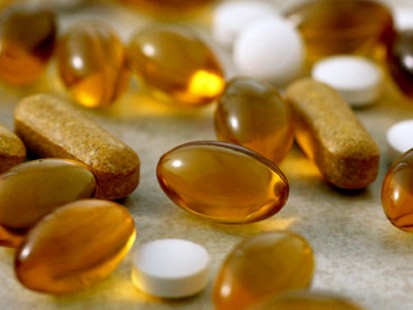
vitaminsVitamins are either fat soluble (stored in fat) or water soluble, which means they dissolve in water and must be replenished daily. The fat-soluble vitamins are A, D, E, and K, and the B complex and C vitamins are water soluble.

Vitamin B Complex

The B vitamins, also known as the B complex, are a group of eight vitamins that perform a variety of functions in the body. They help your body’s cell division and metabolism perform at peak efficiency, aid your immune system’s function, and promote healthy hair and skin.

The main sources of the B vitamins are whole grains, beans and legumes (including peanuts), animal products, yeast, and green or cruciferous vegetables. The vitamins are listed below along with their common names and prime sources:

B1: Also known as thiamine, B1 is found in whole grains, cruciferous vegetables, and animal products.

B2: Called riboflavin, this B vitamin is found in dairy products and green vegetables.

B3: Food sources high in niacin include meat, fish, and vegetables.

B5: Find pantothenic acid in animal products and green vegetables. Women may recognize this as an ingredient in beauty products.

B6: Also called pyridoxine, eat plenty of veggies and meat to get your B6.

B7: Biotin (also an ingredient you might recognize from beauty products) is found in animal products and peanuts.

B9: Folic acid is a vital nutrient for a healthy pregnancy and is found in grains and leafy vegetables.

B12: This vitamin, cyanocobalamin, presents challenges to vegetarians and vegans because it is found only in animal products.

Vitamin C

Known as ascorbic acid, vitamin C aids metabolism, fights infections and acts as an antioxidant. It also promotes healing, such as from breast reconstruction surgery,  so we always suggest you ensure you’re getting enough. It’s found primarily in fruits and vegetables, as well as some meats such as liver. Sources high in vitamin C include peppers, berries, rose hips, and parsley.

The water-soluble vitamins are easily supplemented if the diet is deficient, though natural sources are always the best way to ingest them. These vitamins degrade when cooked, so raw foods are preferred. The important thing is that you’re receiving at least the reference daily intake (RDA) each day, as excess B and C vitamins are excreted in the urine.



Potential Issues to Watch for After DIEP Flap Breast Reconstruction

The below question is answered by Charleston breast surgeon, Dr. Richard M. Kline, Jr. of The Center for Natural Breast Reconstruction:

What potential issues should I be watching for right after having DIEP flap breast reconstruction?

I am going to split the answer for this into two parts.  First, what you should watch for while you are in the hospital (at which time you will, of course, have lots of help watching for things). Second, what should you watch for when you go home?

When you are in the hospital, we primarily look for changes in the vascular status of the flap.  There are monitors attached to the flap which will within seconds pick up any change in the blood flow to the flap.  If on further evaluation by the nurses, it shows that there is a problem, we will take you back to surgery immediately and attempt to correct the problem.  Fortunately, incidents such as these are rare, but if they do occur.  We have learned that the most important factor is to get to the operating room quickly, in which case we can almost always fix whatever might be wrong.

Thankfully, it is unbelievably rare to have a problem with the blood flow to the flap after going home, although it is not impossible.  Your primary concern should be to follow the specific directions which we have given in terms of positioning and brassiere support.  Most patients still have temperature monitoring strips attach to the flap, and this can serve as useful reassurance to let you know that your flap is fine.  Infections are extremely rare after DIEP flap surgery, but they can occur either at the reconstruction site or at the abdominal donor site.  Wound healing problems are not as rare as infections but may occur.  If you are not radiated, the most likely place to have a wound healing problem is your abdomen.  If you are radiated, it is very common to have a little bit of a wound healing problem where the healthy flap tissue meets the radiated breast skin.  Essentially all wound healing problems can be managed very effectively, so it is not something you need to worry about.

Share this post with friends and family on twitter or facebook. Do you have a question for our surgical team? Submit them here!


Best Dining Views in Downtown Charleston

rooftop diningWe at The Center for Natural Breast Reconstruction love our city! Charleston, South Carolina, is full of rich historical and cultural beauty. Whether you’re in town for breast reconstruction surgery or you’ve lived here for years, enjoy the best of what Charleston has to offer by checking out these excellent dining rooms with a view during your next dinner out.

Fleet Landing Restaurant

Constructed by the U.S. Navy in 1942 as a departure point for sailors, Fleet Landing offers diners stunning views of the Charleston Harbor. The restaurant lies within a 6,000-square-foot, hurricane-proof structure that went unused for decades following World War Two. In 2004, visionary Tradd Newton realized his dream of reinventing the striking space, and Fleet Landing was born.

Today, diners enjoy seafood dishes in a rich historical setting. Fleet Landing offers lunch and dinner seven days a week, plus brunch on Saturdays and Sundays. Menu and reservation information are available here.

Vendue Inn

Even if you aren’t staying at the Vendue Inn during your time in Charleston, be sure to visit the Rooftop Bar and Restaurant atop the building. Named Charleston’s best bar five years in a row by the Charleston City Paper, Rooftop offers sweeping views of the city’s harbor and historic downtown.

Cozy during any season, the Rooftop boasts outdoor heaters in the chilly months and luxurious sunshine during the rest of the year. Visit seven days a week, 11:30 a.m. – 12:30 a.m., with live music in the evenings. Menu information is available here.

Pavilion Bar

Described as a “rooftop oasis,” the Pavilion Bar is located on top of the luxurious Market Pavilion Hotel. Pavilion patrons can sip signature cocktails while enjoying views of historic downtown Charleston and the waterfront. The bar also boasts a cascading waterfall to relax patrons.

Private parties and individuals can enjoy the elegant Pavilion every day between 11:30 a.m. and 12:30 a.m., but should be sure to consult the bar’s dress code. Menu and other details are available here .


How to Correctly Apply Sunscreen for Maximum Protection

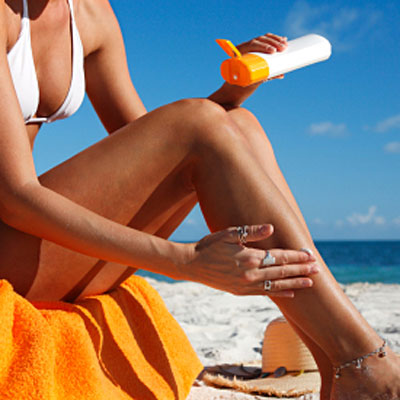
sunscreen applicationWearing sunscreen should be part of every woman’s daily health regimen, regardless of the weather. Sunscreen protects against the sun’s rays that increase signs of aging (UVA rays) and those that cause burns and skin cancer (UVB rays).

Shield Skin by Using Sunscreen the Right Way

Here’s a quick guide to protect your skin and keep you looking your best, no matter how hard the sun is shining.

  • Buy sunscreen for your face & body: Oil-free sunscreen for the face will prevent breakouts while protecting your skin. Sun block for the body generally has oil in it, comes in larger containers, and is less expensive. Spring for both to keep yourself protected and acne-free.
  • Choose “broad spectrum” protection: When browsing for the right lotion, be sure to choose one that protects against both UVA and UVB rays. The label should mention both types of rays or indicate that the lotion offers “broad spectrum” coverage.
  • Select an SPF of 15 or higher: The sun protection factor (SPF) measures how much longer you can stay in the sun without burning, compared to wearing no sunscreen at all. SPF 15 lotion, for example, will let you stay in the sun without burning 15 times longer than you could with bare skin.
  • Apply 20 – 30 minutes before going outside: To give your skin time to absorb the sunscreen (and thus enjoy its protection), be sure to apply about half an hour before leaving the house. To cover your whole body, you should use about an ounce, or enough to fill a shot glass. Be sure to remember the most-ignored areas (the backs of your legs, your feet, and behind your ears).
  • Replace sunscreen every year: Don’t dig up an old bottle of sun block for your first pool trip of the season. The active ingredients become less effective over time, so you’re much better off buying new lotion every season.
  • Wear it every day: Every time you leave the house, you should wear sun block on all exposed skin. For most of the year, that might just mean your face and hands, but it’s still important to protect those areas to prevent cancer and skin damage.

These days, it’s easier than ever to stay safe from the sun’s damage. If you loathe the thought of lathering up, opt for sunscreen that comes as a spray, in a stick, or in non-traditional scents that make the process of applying downright decadent!


Ask The Expert Series Spotlights The Center for Natural Breast Reconstruction

We’re thrilled to share some exciting news with you, today! Our very own Dr. Richard Kline and Dr. James Craigie, Charleston breast surgeons, were recently on ABC News 4 Ask the Experts Series. During this interview the doctors answer questions on air about natural breast reconstruction submitted by viewers .

See below for the interview:


For those of you who aren’t aware of The Center for Natural Breast Reconstruction and what we do, here’s a brief description:

Charleston plastic surgeons Dr. James Craigie and Dr. Richard Kline specialize in breast reconstruction for women who have undergone mastectomy and those who are considering risk reducing prophylactic surgery. Some of the procedures performed by these Charleston breast surgeons include DIEP, SIEA, and GAP free flap breast reconstruction, which utilize your own tissue with no implants and no muscle sacrifice.

Our Charleston breast surgeons also perform nipple sparing mastectomy, reconstruction after lumpectomy, microsurgical breast reconstruction, and breast restoration. Visit our website today for more information.

Do you have a question for the Charleston breast surgeons at The Center for Natural Breast Reconstruction? We’d love to hear from you.


Charleston Plantations

charleston plantationNo visit to Charleston, South Carolina, is complete without a stop at one of the area’s striking historical plantations. These immaculately preserved sites allow visitors to take a step back in time and soak up the atmosphere of the Old South.

Next time you’re in town to visit the Center for Natural Breast Reconstruction, we recommend stopping by one of these three beauties.

Middleton Place

No matter what time of year you visit Middleton Place, you’ll find 65 acres of stunning gardens in bloom. A National Historic Landmark, Middleton Place offers a glimpse into the plantation life that dominated pre-Civil War South Carolina.

Visitors of all tastes will find something to love at Middleton Place, which includes extensive landscaped gardens, a preserved plantation mansion, and rejuvenated stable yards, where actors perform the tasks that African slaves would have done in the 18th century.

Plan your trip to Middleton Place!

Boone Hall Plantation

Famous for the double line of oak trees (planted in 1743!) that line its driveway, Boone Hall Plantation provides educational tours as well as an opportunity to participate first-hand in plantation life. For 320 years, Boone Hall has been a living, producing plantation.

In the 1800s, Boone Hall produced cotton and pecans, but today its crops include strawberries, pumpkins, tomatoes, and other fruits and vegetables. Visitors can pick their own harvests in special fields after learning about the life of those who lived in the Boone Hall house and on the plantation hundreds of years ago.

Plan your visit to Boone Hall!

Magnolia Plantation

Home of the oldest public gardens in the United States, Magnolia Plantation opened its doors to the public in 1870, nearly 200 years after its founding in 1676. In 2010, Magnolia Plantation won a prestigious Heritage Tourism Award for its efforts at interpretively recreating and presenting slave cabins to visitors.

Visitors can enjoy boat tours, a petting zoo, tours of the gardens and house, and a leisurely stop at the plantation’s Peacock Café. The self-guided walking tour of the Swamp Garden is especially popular among tourists, and is open 365 days per year.

Plan your trip to Magnolia Plantation!


Eat Your Way to a Whiter Smile

white smileHealth professionals agree that maintaining healthy teeth and gums is an important part of overall health. Why? Firstly, because dental problems (such as tooth decay and gingivitis) have been linked to heart and kidney troubles, and secondly because having healthy teeth boosts a person’s self-image and self esteem.

Plus, a white smile can make a person look as much as 10 years younger, estimate some dentists. Here’s a primer on what you should eat and avoid to keep your pearly whites looking their best.

Food Choices to Keep Your Teeth Strong

The good news is that foods that are good for your teeth are also good for the rest of your body, so you won’t have to rehash your entire diet to help improve your smile. Keep these dos and don’ts in mind as you shop for your next meal.

  • DO choose crunchy fruits and vegetables. Chewing these foods promotes the production of saliva, which helps flush decay-causing bacteria from your mouth. Apples, carrots, celery, and cauliflower are especially potent grime-busters.
  • DO include dairy products in your daily diet. Dairy foods (including milk, yogurt, and cheese) contain lactic acid, which helps protect your teeth from decay. Hard cheeses are especially powerful in the fight against tooth decay, as they polish the teeth.
  • DO try a natural tooth buffer. Orange peels rubbed against the teeth, followed by a water rinse, can help improve whiteness over a period of months.
  • DO brush and floss after meals. Food left in the teeth provides a constant source of energy for smile-damaging bacteria. Brushing or flossing the food away will keep bacteria from flourishing.
  • DON’T consume foods that could stain your clothes. The same dyes can discolor your teeth over time. To stain inducers include coffee, tea, blueberries, soy sauce, and red wine. If you consume these foods, be sure to rinse and brush your teeth to minimize the damage.
  • DON’T use tobacco products, which stain.
  • DON’T consume refined sugars. Soda, candy, and other foods that contain refined sugar are especially hard on your teeth, as they provide a ready source of energy to decay-inducing bacteria. Even foods with natural sugars (including fruit) feed bacteria, and should be rinsed from teeth shortly after consumption.
  • DON’T consume very hot or very cold foods. The temperature fluctuations cause tooth enamel to expand and contract, which allows stains to penetrate.

Whether you’re adopting healthy habits as part of your breast cancer recovery or simply hoping to improve your overall wellness, taking care of your teeth should be a top priority


Our Recommendations for Post Surgical Clothing After Breast Reconstructive Surgery

post operativeThe below question is answered by the team at the The Center for Natural Breast Reconstruction.

I am having a SGAP breast reconstruction in a few weeks. Do I need to buy post op surgical bras? If so, which kind and can I get a prescription for insurance purposes? Also, I heard people use various bras / camisoles with pockets for drains. Have you heard of those or think they are helpful? Do you think button down shirts are something I need to get? Anything else?

No need to buy any special bra, vest, or camisole in advance. Our hospital, East Cooper Regional Medical Center, provides a soft cotton vest with drain pockets as well as a surgical bra that acts as a post operative surgical dressing. Let them know if you feel like you need an extra for when you leave the hospital and they are great about sharing another with you.

Absolutely, I would make sure I had button down shirts and loose clothing that you can easily get in and out of. You’ll have some limitation of lifting your arms above your head so button down shirts are easiest to get on and off without lifting your arms. Some women choose to wear loose sundresses; others track suit pants or cotton shorts. Whatever you are comfortable in is fine, but keep in mind we won’t want you wearing anything right away that could potentially put any pressure on your suture lines.

Here are more helpful hints:

If you are having a DIEP breast reconstruction, abdominal swelling limits clothing choices. Wear loose-fitting garments to the hospital. Women should avoid fitted, zippered pants and skirts because they probably won’t zip when it’s time to leave. Even clothing with snug elastic waistbands may be uncomfortable. A loose chemise or drop waist dress or jumper is a good choice.

Slacks or skirts with elastic in the back and a smooth band in the front may be slightly more comfortable than those with a totally elastic waistband.

Consider clothing that doesn’t wrinkle easily. Resting and naps are necessary while recuperating.

Cotton underwear breathes and is absorbent and comfortable next to the skin. Cotton’s fiber ends help the fabric stand away from the sensitive incision area rather than hug it, as some textured, synthetic fabrics do. If you don’t already have cotton briefs, buy a pair a size larger than your normal size. A little extra room adds comfort during recuperation. For waistline incisions, bikini cut styles may be better, while full cut panties and shorts might be preferred for incisions in the lower abdomen and buttocks.

Loose-fitting nightgowns and nightshirts are comfortable, especially when made from absorbent, breathable cotton or cotton-blends. If you prefer pajamas, select those with drawstrings. Elastic waists may be less comfortable for some people depending on swelling, tenderness, and location of incision. Sweatpants or crew pants are a comfortable change from bed wear, especially those with drawstrings, which allow some flexibility at the waistline.

Flat soled shoes that slip on your feet rather than tie are great to have, too, as you may be limited in your ability to bend over and tie your shoes.

If you do need to have a special bra after your incision lines have healed, we are happy to provide a prescription. We’ve had lots of our patients rave about Nordstrom’s for post mastectomy bras. Not only do the kind folks there provide a professional fitting for mastectomy patients, but they also handle the insurance paperwork for you too!

Thank you,

The team at The Center for Natural Breast Reconstruction

Are you thinking of having reconstructive surgery and have questions or just want more information? Then click here to ask our team, we’d love to hear from you!


Join The Center for Natural Breast Reconstruction for the Hats Off to Survivors Event!

Hats OffOn April 15, the Susan G. Komen for the Cure Lowcountry Affiliate is hosting Hats Off to Survivors: 2012 Survivor Celebration and Afternoon Tea, and we at the Center for Natural Breast Reconstruction are proud to say we’ll be sponsoring the event!

Both a fundraiser for Susan G. Komen for the Cure and a celebration of breast cancer survivors and co-survivors, the event will be held at the Charleston Mariott. All are welcome, and you can buy tickets online for survivors ($10.00 each), guests ($15.00 each), or for a reserved table of 10 ($200.00).

As part of its celebration, Hats Off to Survivors includes a hat contest, which survivors can enter in one of four categories: most whimsical, most glamorous, most FUNctional, and most representative of Komen.

While everyone is encouraged to wear hats to this event, hats are not required for attendance.

About Susan G. Komen for the Cure

Founded in 1982, Susan G. Komen for the Cure is a grassroots movement that raises money for breast cancer research while raising awareness about the disease, its prevention, and its treatment. Part of the organization’s mission is to improve the quality of medical care available to those diagnosed with breast cancer and to inspire researchers to continue searching for a cure.

We at the Center for Natural Breast Reconstruction are happy to put our support behind Susan G. Komen events as part of our mission of improving the lives of the women we meet and work with every day.

Hats Off to Survivors Event Details

Who: Susan G. Komen for the Cure & the Center for Natural Breast Reconstruction

What: Hats Off to Survivors: 2012 Survivors Celebration and Afternoon Tea

When: Sunday, April 15, 2012, 3:00 p.m. – 5:00 p.m.
Where: Charleston Mariott, 170 Lockwood Blvd. Charleston, SC 29403

Reserve your seat here.

We look forward to seeing you there!


Stop Smoking: How to Avoid Weight Gain Once You Quit

stop smokingNo matter which type of breast surgery you may need, we always recommend that you quit smoking to help speed healing. Many smokers, especially women, fear gaining weight when they quit. While some former smokers do gain a little weight, it is typically no more than a few pounds, and even this gain can largely be avoided with a little planning.

Know that you will be hungrier at first.

According to the Mayo Clinic, smoking reduces your appetite and may increase your metabolism, so when you quit, you’re likely to feel hungrier at first. Keep plenty of healthy snacks around, such as berries, vegetables, cheese, and nuts. The latter two are higher in calories than the others, but they will keep you full longer.

Avoid sugary or high-carbohydrate snacks, such as candy, cookies, chips, and the like. They won’t help you avoid weight gain, and they offer little to no nutritional value.

Watch what you drink.

Soda and fruit juices are loaded with sugar, and even diet soda is not a good idea when you’re trying to lose weight.  Drink water. It will help you detox from the cigarettes, help avoid water retention, and avoid weight gain.

If you don’t like the taste of your tap water, add lemon or lime juice—if you like sparkling water and add lemon and lime juice, it’s almost like drinking a soda without the calories or artificial sweeteners.

Reduce portion sizes at meals.

Eating smaller portions will help you keep your weight under control. Try cutting down your portions by one quarter. If you’re still hungry, have some vegetables or fruit for dessert. Be careful with fruit, as it is high in natural sugars.

Get up and move.

Not only will moving or exercising help you keep your weight down, but it will also help your cravings. Get outside and walk the dog, or take a dance class such as country-western dance or Zumba. You’ll burn calories and help keep your weight where you want it to be.

To keep weight gain down, monitor your weight. You don’t necessarily have to jump on the scale every day; your clothes will tell you how you’re doing. Don’t allow yourself to gain more than two or three pounds before taking action. If you’re watching what you eat and drink and getting more exercise, weight gain after quitting smoking and breast surgery will be a non-issue.