Tired of the Heat? Escape with Cool Getaways.

IMAGE ABOVE TAKEN FROM: GROVEPARKINN.COM

Summertime in the Lowcountry can be beautiful, but it is certainly hot. If you’re tired of the heat, take after Charleston’s oldest residents and escape to the mountains for a slight reprieve.

The Grove Park Inn

Asheville, NC, is famous for the Biltmore House, but it is also home to one of the South’s best Inns and Spas. Take a trip to the luxurious Grove Park Inn, nestled in the mountains of North Carolina, and beat the heat in style. This charming getaway includes a full-service spa, five-star restaurant, and spacious front porches with rocking chairs for everyone. While you’re there, visit America’s largest private-owned home, the Biltmore Estate, and admire the beauty of its gardens and rooms.

Vail Mountain Lodge and Spa

Vail, Colorado, might be famous for its skiing, but this small town is just as beautiful in the summertime. Take a trip to mountainous Colorado, where nights are cool enough that you’ll need a jacket! The Vail Mountain Lodge and Spa is nestled at the foot of Vail Mountain, and offers world-class amenities, including a full-service spa. Let your stress melt away as you drink in the breathtaking beauty of the Colorado mountains.

The Napa Valley Lodge

Escape to Napa Valley for a romantic getaway in California’s beautiful wine country. The Napa Valley Lodge is the ultimate getaway for wine country living, offering wine tastings, vineyard tours, and a relaxing atmosphere. Take a drive up the California coast and cool off on the shores of the Pacific during your stay!

Wherever you go, we hope that you find the perfect place to relax and escape from the heat.

We’d love to hear your favorite cool getaways!



TDAP Flap Breast Reconstruction Surgery: When and Why to Choose This Option

The below question is answered by Charleston breast surgeon Dr. James Craigie of The Center for Natural Breast Reconstruction.

When would we use the TDAP flap for breast reconstruction and what are the advantages of this procedure?

The TDAP flap or thoracodorsal artery perforator flap is a procedure for reconstructing the breast or partial breast reconstruction and is another of the muscle-sparing flaps.  The procedure allows for the fatty tissue from the side and back to be mobilized and then transferred to the breast without disconnecting its blood supply and performing re‑anastomosis of the small blood vessels.  The tissue that is used is in the area above the latissimus dorsi muscle, which is the largest muscle in the body; however, the procedure does not involve transferring the muscle or destroying the muscle.  The advantages of this procedure are that the tissue can be used for breast reconstruction without performing the microsurgery and without damaging or removing the muscle.  The disadvantages of the procedure are that there is a limited amount of tissue available to use for breast reconstruction and because the blood vessel remains attached and is not divided, there is a limit to the shaping and positioning of the new tissue.  It is most frequently used for reconstruction of a part of a breast, mainly the outside, but in some circumstances can be used for reconstructing the entire breast.  However, this is usually a smaller reconstruction and the amount of skin available is typically limited as well.  The TDAP can be used for transferring fat to the breast at the time of mastectomy or can be used later after mastectomy and the body has healed.

Procedures: Transforming Healthy, Living Tissue
Microsurgery has come a long way since its invention by vascular surgeons in the 1960s. The term refers to any surgery involving a surgical microscope. And it has found one of its best applications in breast reconstruction. Through microsurgery, our skilled surgeons are able to harvest healthy tissue from one part of a womans body and reattach it to the breast area. Through the careful process of attaching blood vessels, microsurgery allows patients to have natural looking breasts made from their own, living tissue. Another benefit is the minimized impact and injury to muscles, allowing patients to enjoy a faster, fuller recovery.

Did you find this post helpful? We’d love to hear from you in our comments section.


Happy Fourth of July!


We at The Center for Natural Breast Reconstruction wish our readers a happy and safe Fourth of July holiday!


The Best & Brightest Fireworks in Charleston this Fourth of July

Of course Charleston, historic landmark city that it is, would never settle for anything less than the brightest to rein in the 4th of July, and we at the Center for Natural Breast Reconstruction wouldn’t have it any other way! To set your patriotic heart a-soaring this holiday, we’ve rounded up the places where you’ll want to get a good seat come sundown:

  • Patriots Point will host one of Charleston’s biggest and brightest pyrotechnics displays yet with the USS Yorktown as the center stage. Patrons can sit aboard the Flight Deck for $10, but spectators can also enjoy the fiery spectacle landside as well. With food vendors abound and plenty of entertainment for the kids, it’s a walk-through-friendly environment. The real selling point, though, is the view: the fireworks overhead and reflected off the waterfront will saturate your senses in awe.
  • In the heart of Summerville, catch the “Red, White, and Blue on the Green” in Town Square from 5-8 PM. As a special patriotic treat, the Fort Dorchester Garrison re-enactors will set up a Revolutionary War era camp on Hutchinson Square. A reminder of the reason for the holiday, World War II jeeps owned by Summerville locals will be on display. The fireworks sizzle shortly after dusk.
  • The North Charleston Fireworks and celebration take place at Riverfront Park
    where you can enjoy local live music provided by CoastRunner, The Blue Dogs, and Quianna Parlor. A little dancing is good for your health, and a great way to celebrate our country’s independence!
  • Folly Beach, only 15 minutes from downtown Charleston, is yet another perfect star-spangled spot this Fourth of July. Tour the local restaurants, then settle down with your blanket on the sand to watch the sky dazzle above you.

Happy Fourth of July, Charleston! Where will you go to see the fireworks this year?


Am I A Candidate for Natural Breast Reconstruction?

The below question is answered by Charleston breast surgeon Dr. James Craigie of The Center for Natural Breast Reconstruction.

I was diagnosed with breast cancer in 1999 at age 24 (infaltrating ductal, triple negative). I had a lumpectomy with a lymph node dissection, chemotherapy and radiation. I found out I was positive for the BRCA1 mutation in 2008 and had a myomectomy (c section cut) and subsequent full hysterectomy (via davinci) in 2010, since pathology found the mass to be Endometrial Stromal Sarcoma.

I am now considering a mastectomy to decrease my chances of reoccurrence. Would you recommend a prophylactic mastectomy? If so, what type of reconstruction can I have? I prefer natural reconstruction rather than implants, but do not know if I am eligible since I’ve had two abdominal surgeries and do not have a lot of extra tissue anywhere else.

Hi and Thank you for your question. I’m sorry you have been faced with these difficult decisions. Removing as much breast tissue as possible is the most effective thing you can do to reduce your chances of getting breast cancer. I  refer to this type of mastectomy as “risk reduction” because it does not make the chances 0 but is as close as one can get. Your previous tummy surgeries have probably not affected your ability to have natural breast reconstruction, as we have had many people who have had the same types of surgery before using the extra tummy. Even the people who have had surgeries that compromise the tummy we can almost always come up with an option for natural breast reconstruction. Many of our patients have been told they do not have enough extra to use but when we see them we can usually give them a very nice result without implants. I hope this answers your question.

Sincerely,

James Craigie, MD

Center for Natural Breast Reconstruction


Would you like your breast reconstruction question answered? Just ask us!


The Best Bed-and-Breakfasts Charleston Has to Offer

Planning a trip to Charleston this summer? Instead of staying in a larger hotel, consider trying out a Bed-and-Breakfast!

Charleston is full of beautiful historic homes, and many of them have been transformed into Bed-and-Breakfasts. These homes are perfect for the visitor looking to experience Charleston’s charm and hospitality at its best, making you feel right at home in the Holy City. After a few nights in these houses, you won’t want to leave!

The Society House

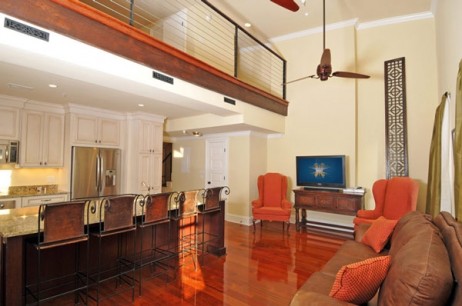
Located at Society and King Streets, this charming inn offers a central location to all of Charleston’s finest amenities. Short-term and long-term rooms are available, complete with a full kitchen, hardwood floors, high ceilings, and large windows. You’ll feel as if you’re visiting someone’s home, and not a hotel room at The Society House.

IMAGE ABOVE TAKEN FROMwww.thesocietyhouse.com

Historic 86 Church Street Bed and Breakfast

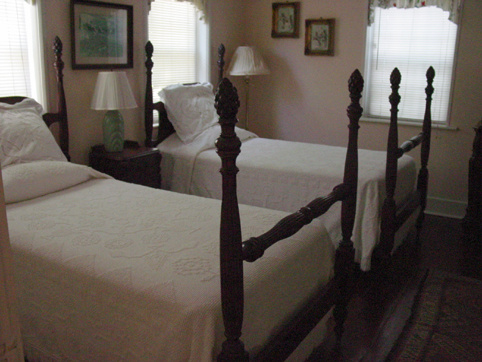
Enjoy the charm of life South of Broad street at this popular B&B. This home was built in 1783, and is run by one of Charleston’s oldest families. You will be within walking distance of the Harbor, Battery Park, and many of Charleston’s oldest and most beautiful homes.

IMAGE ABOVE TAKEN FROMwww.charlestonbandb.net

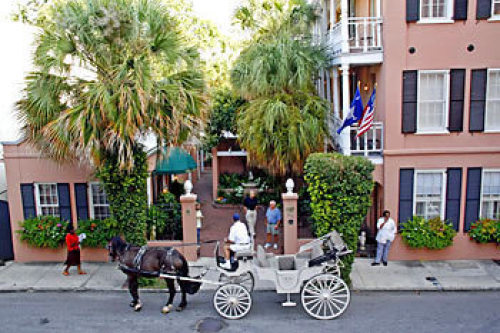
The Elliott House Inn The charming Elliott House Inn is located on Queen Street, in one of Charleston’s most beautiful and historic neighborhoods. You will be within walking distance of some of Charleston’s best restaurants, including Husk, Poogan’s Porch, and 82 Queen, as well as the Dock Street Theatre and most of the city’s art galleries.

IMAGE ABOVE TAKEN FROM: www.elliotthouseinn.com

The Barksdale House

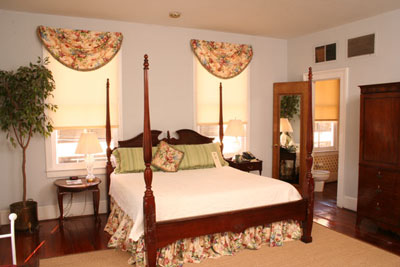
The Barksdale House is an old family home located in the historic section of George Street. You will be just a few blocks away from the South Carolina Aquarium, the College of Charleston Halsey Institute of Contemporary Art, and the shops on King Street.

IMAGE ABOVE TAKEN FROMwww.barksdalehouse.com


Where is your favorite place to stay when visiting Charleston?

The Gluten-Free Craze

Gluten-free foods have become increasingly popular over the past few years, with many people discovering a gluten intolerance, or dedicating themselves to a gluten-free lifestyle.

Gluten is a protein found in wheat, barley, rye, and other grains. It gives dough its elasticity and lends a chewy texture to breads and other grain-based foods. Many foods have gluten additives to help thicken and flavor, often listed as “dextrin” on the nutrition label. This additive can be found in everything from ice cream to ketchup.

People who are gluten-intolerant cannot process this protein and experience severe intestinal complications from ingesting gluten. As gluten is found in many foods and beverages, maintaining a gluten-free diet can be challenging.

However, there are many benefits to a gluten-free lifestyle as well. People who adhere to a gluten-free diet, such as actress Gwenyth Paltrow, claim to feel more energetic and alert after making the switch. Some correlations have also been made between a gluten-free diet and weight loss – most likely because of lower carbohydrate consumption.

If you’re interested in making the switch, keep the following tips and resources in mind.

Keep an eye out for additives such as “dextrin,” and avoid imitation meats, which are often made with gluten. The USDA does not currently require companies to list gluten as an ingredient, so the best method to ensure that you avoid it is to eat whole, fresh foods. Foods also clearly labeled as gluten-free are safe to consume.

Some great gluten-free options include…

  • Corn.
  • Potatoes.
  • Rice.
  • Tapioca.
  • Quinoa.
  • Yams.

Interested in learning more about going gluten-free? Check out these resources:

Mayo Clinic

Gluten Free Girl

Celiac.com

Have you made the switch to gluten-free? Tell us about your experience in the comment section below!


What Changes Can I Expect After an SGAP Procedure?

The below question is answered by Richard M. Kline Jr., M.D. of The Center for Natural Breast Reconstruction.

What changes will I notice, if any, from an SGAP procedure after the first stage?

That is an extremely variable thing, some patients scarcely notice a difference in their buttocks after harvest of an SGAP from one side, while other patients noticed a significant difference.  In almost all situations, the buttock shape will not be optimized however after the first stage, whether it is a unilateral or bilateral SGAP.  The second stage of the SGAP, which can occur as early as three months after the first stage, typically involves a fairly extensive revision of the GAP flap donor site.  Our present feeling is that the GAP flap scar is ideally placed as high as possible, so that it may fit within most bathing suits, but still fit comfortably under shorts.

Learn More About Our Surgical Team

The Center for Natural Breast Reconstruction was created by two surgeons, Dr. James Craigie and Dr. Richard Kline. Through their work at East Cooper Plastic Surgery, they saw patients benefit from breakthroughs in microsurgery and breast reconstruction. Their combined skills helped women achieve the very best results possible.

The result: a center devoted completely to helping women gain the breast shape and fullness they seek, without the loss of muscle or use of artificial implants.

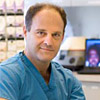
Dr. Richard M. Kline Jr., MD

Home: James Island

Education: M.D., Medical University of South Carolina; B.S., Furman University

Residencies: The Cleveland Clinic, Louisiana State University Medical Center

Specialties: Perforator flap breast reconstruction

Certification: American Board of Plastic Surgery

Personal: Married with two children

Dr. Kline trained in microsurgery with Dr. Robert Allen, who was pioneering the DIEP, SIEA, and GAP flaps at LSU while Dr. Kline was a plastic surgery resident. “We knew that he (Dr. Allen) was on to something very exciting,” remembers Dr. Kline, “but I doubt anyone back then foresaw just how sought-after those procedures would become.”

After completing his training, Dr. Kline spent several years in full-time academic surgical practice, first at LSU in New Orleans, then at the Medical University of South Carolina, during which time he performed the first successful DIEP flap in the southeastern United States. He entered private practice in 2000, and the practice rapidly became a regional referral center for complex microsurgical reconstruction. The practice has since evolved to focus almost exclusively on microsurgical breast reconstruction. “Our passion” says Dr. Kline “is restoring women’s body image after mastectomy using only their own natural tissue. We and our entire staff feel very privileged to be able to use our skills to help so many people in this way.”

A Charleston native, Dr. Kline lives near his childhood home and his parents. His wife, Elizabeth, is a thoracic surgeon, and the two met in the operating room. They have two children, daughter Bellamy and son Mahlon.

Dr. James E. Criagie

Home: James Island

Education: M.D. Medical University of South Carolina: B.S. Erskine College

Residencies: Medical University of South Carolina; Fellowship. Louisiana State University Medical Center

Specialties: Muscle sparing Breast reconstruction with the patient’s own fatty tissue

Certifications: American Board of Plastic Surgery

Personal: Married with two children

Some of Dr. James Craigie’s earliest memories are of afternoons spent at hospitals with his father, a general surgeon. “I liked to go with him on call and see the things that he did,” Dr. Craigie says. Today, Dr. Craigie is an accomplished surgeon himself, conducting 70-100 breast reconstruction surgeries each year, along with all types of body contouring and cosmetic breast surgery that is part of the process of breast reconstruction. “As plastic surgeon’s we use techniques that are often cosmetic in nature but included as part of the reconstructive process. My main goal is to help people,” he says.

His constant aim is to bring state-of-the-art techniques and the best possible results. Before joining our practice, Dr. Craigie opened a general plastic surgery practice in North Carolina and completed advanced training in micro-vascular breast reconstruction in New Orleans. He is one of a limited number of doctors who perform the specialized surgery, considered the “gold standard” in breast reconstruction techniques. “To do this complicated surgery, you have to have extensive training and a strong commitment.” Dr. Craigie says. “We saw a real need for this procedure, that many women could be helped.”

Do you have a question for the Charleston breast surgeons at The Center for Natural Breast Reconstruction? We’d love to hear from you.

A Journey of Power and Purpose

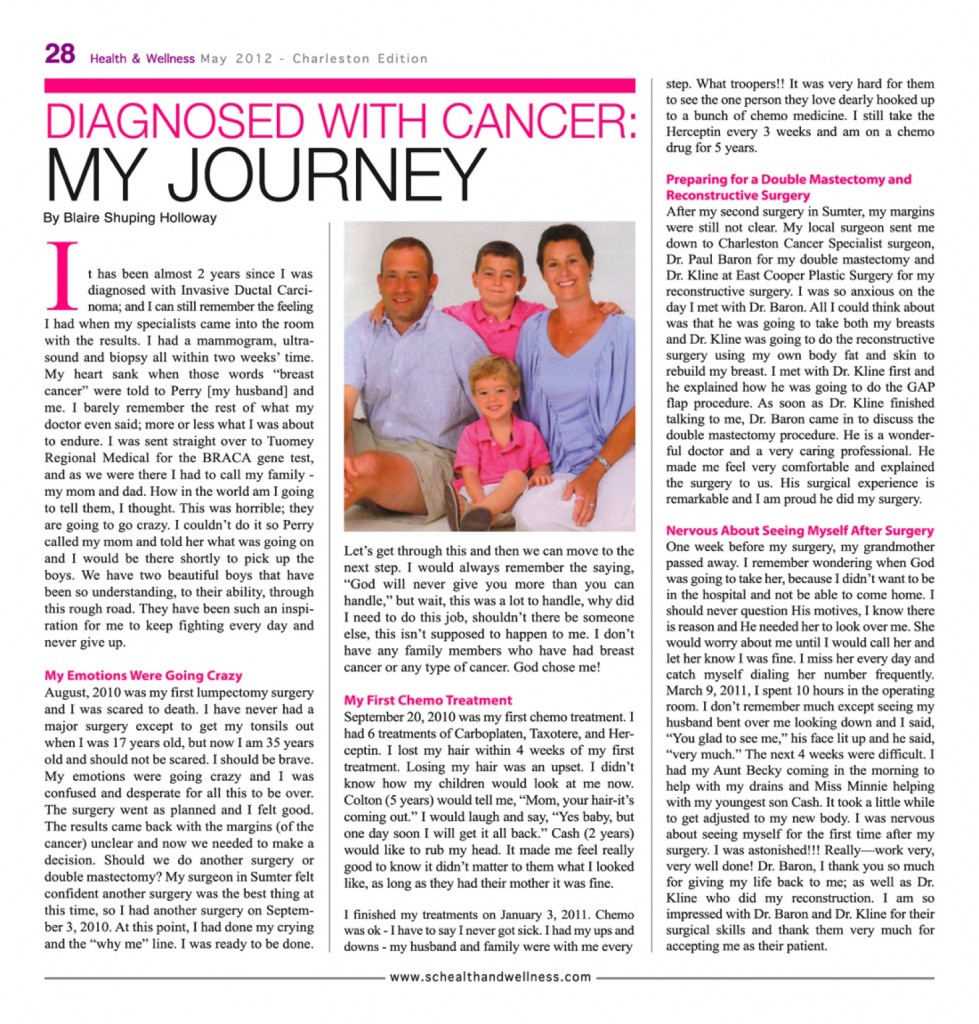
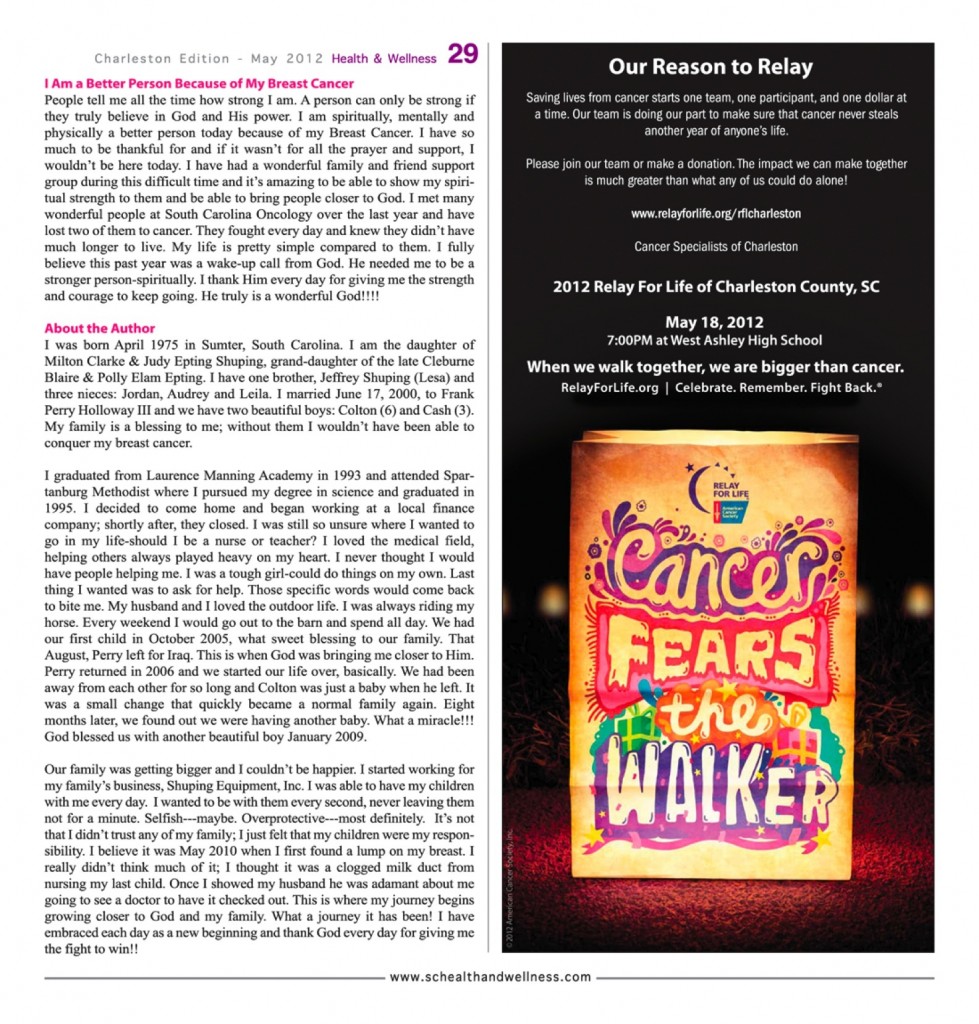
We are so happy to share with you another In Her Words post, this time with Blaire Holloway, a breast cancer survivor and reconstruction success story!

Blaire was a patient of ours at The Center for Natural Breast Reconstruction and shared her inspirational journey in last month’s issue of Lowcountry Health & Wellness Magazine and we would like to share this article with our readers!

See below for Blaire’s Story (*Don’t forget to grab a downloadable copy of Low Country Health & Wellness Magazine at their website)

Click the article below to be taken to the full online version.


Have you downloaded the June issue of Lowcountry Health & Wellness Magazine? If not, click here.

The Affordable Care Act’s Day(s) in Court

The Supreme Court heard arguments about the Obama Administration’s Affordable Care Act earlier this spring, and is expected to hand down a decision regarding the healthcare law any day now. Here’s a look at how various possible decisions could affect the state of healthcare in the United States.

Option 1: The Supreme Court Rules the Affordable Care Act Is Good to Go

The main argument against the Affordable Care Act challenges its so-called individual mandate, which, if enacted, would require all Americans to have health insurance (through the government, employers, or an individually purchased plan). If the individual mandate is given the green light, then…

  • Uninsured Americans will have to purchase health insurance by a certain deadline or face a penalty charged at tax time.
  • Health insurance companies will be required to make insurance coverage available to everyone, including those with preexisting conditions.
  • Low-income Americans (those with household incomes up to 138% of the poverty line) will qualify for government assistance for medical insurance (possibly in the form of Medicaid).

The individual mandate could be good news for women with breast cancer who have been denied coverage or reimbursement for treatment, because it will require insurers to cover them regardless of their current or former health.

But most health professionals, regardless of their political affiliation, agree that the individual mandate is far from an ideal system.

Option 2: The Supreme Court Strikes Down the Individual Mandate

If the Supreme Court rules that the individual mandate is unconstitutional, the Affordable Care Act may be doomed. Without the guarantee that all Americans buy health coverage, there is no incentive for health insurance providers to make coverage available to those with breast cancer and other potentially costly conditions.

Without the individual mandate, the health insurance landscape in the U.S. may remain as it is for the immediately foreseeable future.

More Reasonable Healthcare Down the Road?

Some commentators on the health care hearings have suggested that there might be greener pastures ahead for health insurance in the States. It seems that a dismissal of the individual mandate could, by some analyses, pave the way to a single-payer insurance system, under which all Americans would be covered by the federal government, regardless of job or health status.

While most Americans agree that the current state of health insurance in this country is far from ideal, few understand how important comprehensive coverage is better than those who have had life altering illnesses like breast cancer and major procedures such as breast reconstruction.