4 Unexpected Places to Find Happiness in Your Everyday Life

News and entertainment outlets have bombarded us with reports about the benefits of happiness, which include better mental and physical health, longer life, and more fulfilling relationships. So how can you bring a little more joy into your everyday experience? Try some of these strategies, custom designed for busy people in a fast-paced world.

1. Send a snail-mail card.

We’ve all heard the saying that it’s better to give than to receive. That’s because doing something kind for another person (even if it’s only something very small) brings that person happiness—and we’re hardwired to enjoy that feeling. Depending on your recipient, you might send a care package, a box of chocolates, a bouquet of flowers, a hand-written letter, a card, or a meaningful photograph. A five-minute project on your end could bring a day’s worth of happiness (or more!) to the person checking his or her mailbox.

2. Dance to your favorite song.

Even people with insanely busy schedules should have time for a three- to five-minute dance break. The benefits are worth the time: music triggers strong emotional responses, and the endorphins you’ll get from even a short bout of energetic dancing will help recharge a failing battery. For an even bigger bliss boost, enlist a friend to help you bust your move.

3. Let yourself enjoy your food.

Hectic schedules often dictate that we bolt meals while sitting in front of a screen or driving from one event to the next. Even if you have to multi-task during lunch, take a few seconds to experience and enjoy the flavors in your mouth. Studies show that actively practicing gratitude is a great way to boost happiness. As a bonus, slowing down while you eat is an effective way to prevent overeating and associated weight gain.

4. Breathe deeply in a stressful situation.

There’s nothing like a traffic jam or a backup at the grocery store checkout to raise your stress level and zap your happiness. But experts say that we can actually choose how such roadblocks affect us. Next time you’re in a less-than-ideal situation, use the down time to focus on breathing deeply, pulling air into your stomach and exhaling slowly. This strategy helps us relax physically and reminds us that we control our worlds—a big component toward achieving happiness.


We’ve all found tricks for bringing more smiles into our chaotic lives—what are your favorite tips for hanging on to the grin-worthy moments in your life? Feel free to share below!


At What Point During Your Journey Is It Time To See Our Surgical Team?

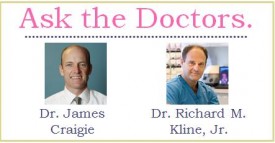
time to see a doctorThe below question is answered by Richard M. Kline Jr., M.D., of The Center for Natural Breast Reconstruction.

At what point in the process should a breast cancer patient see a breast reconstruction surgeon?

Opinions on this vary, but I think the prevailing opinion is the sooner the better.  Ideally, the patient would see the reconstructive surgeon even before plans were finalized for treating her cancer.  This is because many times several options are available to the patient, and she may not fully understand the implications of the various options available to her unless she understands what reconstructive options are available in each setting.

A Little Bit About Our Surgical Team :

Co-directors Dr. Richard M. Kline and Dr. James E. Craigie are certified by The American Board of Plastic Surgery. Both surgeons have trained under Dr. Robert J. Allen, a pioneer in breast reconstruction using the DIEP, SIEA, and GAP flaps. Dr. Craigie completed a microsurgical breast reconstruction fellowship dedicated to muscle sparing techniques (directed by Robert J. Allen, M.D.). Dr. Kline completed his residency at LSU while Dr. Allen was developing these techniques.

Our entire surgical team is dedicated to remaining at the forefront of breast reconstruction surgery to provide excellent care and results for each individual patient. Because of this commitment, the practice consistently earns referrals from our patients, as well as from other surgeons throughout the United States.

Knowing the RIGHT Questions to Ask:

When searching for a surgeon to perform your microsurgical breast reconstruction, it’s important to ask him or her the right questions.

Below are a few questions to ask:

  • Are you a microsurgeon? Where and by whom were you trained in this specialty?
  • How many microsurgeries have you performed? And how often do you perform them?
  • What is your success rate?
  • Can you arrange for me to speak with some of your patients who have had the procedure I am seeking? (Candidates should speak with people of similar ages and lifestyles).
  • How long do you anticipate I will be under anesthesia for the procedure?
  • How many board certified physicians will be assisting with the first stage of the procedure? Will there be physicians in training (residents) involved with my surgery
  • Will I have to sign a consent that if a physician is unable to complete the procedure, I will have to consent to a TRAM/Free TRAM?

Do you have a question about breast implants or natural breast reconstruction? Ask our surgical team by clicking HERE.

One Woman’s Journey to DO Something About Her BRCA Status

Julie Moon
We at The Center for Natural Breast Reconstruction are delighted to share this In her Words post featuring Julie Moon, who is a 34 year old BRCA 1 positive breast cancer previvor. Julie wants other women to be educated, which is why she began the blog  Say it Anyway, where she shares her unique story and journey.

See below for our interview with Julie.

What type of reconstruction surgery did you have and how do you feel about the results?

I had a bilateral nipple sparing mastectomy and immediate SGAP reconstruction.  I am so excited about having natural looking breasts made from my own body that will be with me for the rest of my life and never have to be replaced.   I am so grateful to have found Dr. Craigie and his staff.  I knew as soon as I met them that I was in good hands.

Breast cancer runs in your family at what point did you decide to undergo preventative breast surgery?

I found out in 2007 that I was BRCA 1 positive.  I decided then that I would go ahead and have my third child and breastfeed her as long as she needed. I participated in the Atlanta Susan G Komen 3Day For The Cure in 2011 and I was moved over that weekend to DO something about my BRCA status.  I met with Dr. Craigie in December and had my surgery Feb 1, 2012.

What advice would you give to women who have undergone a mastectomy or double mastectomy and are unsure about natural breast reconstruction?

I would recommend that women look at lots of pictures.  I would recommend that they ask specific questions to other women who have undergone the procedure.  I found so much great information from the women at the FORCE.  I would also encourage them to not be afraid to travel to another city to get the procedure that they really desire.  I have three children and a very busy entrepreneur husband.  It was A LOT of work to organize all the friends, family and babysitters needed to care for my family while I was out of town for my surgery.  It was all so very worth it.

In what ways has breast cancer both negatively and positively affected your life?

I feel very blessed to be one of the women who actually knows what cancer was coming after me and be able to eliminate that risk before it knocked on my door.  My grandmother was a breast cancer survivor.  She was not lucky enough to be able to have had natural breast reconstruction and now as a grown woman I am able to see how that must have affected her life so dramatically.  My aunt died from complications of her chemotherapy that was treating her breast cancer.  My mom was smart enough to have a bilateral and reconstruction before they found cancer but ironically she already had it growing in her breast undetected.  My BRCA status has taught me how to face something ugly in the face and not be afraid of it but battle it with the best army I could find.

Have questions for Julie? Submit them here! Be sure to check out her blog for tons of educational resources.

Water Soluble Vitamins: What Do They Do and How Do You Get Them?

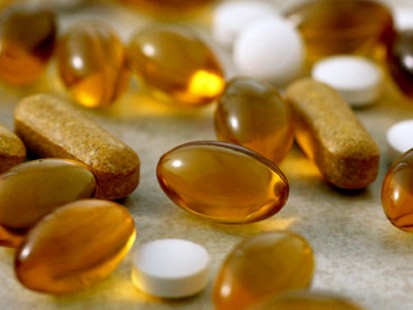
vitaminsVitamins are either fat soluble (stored in fat) or water soluble, which means they dissolve in water and must be replenished daily. The fat-soluble vitamins are A, D, E, and K, and the B complex and C vitamins are water soluble.

Vitamin B Complex

The B vitamins, also known as the B complex, are a group of eight vitamins that perform a variety of functions in the body. They help your body’s cell division and metabolism perform at peak efficiency, aid your immune system’s function, and promote healthy hair and skin.

The main sources of the B vitamins are whole grains, beans and legumes (including peanuts), animal products, yeast, and green or cruciferous vegetables. The vitamins are listed below along with their common names and prime sources:

B1: Also known as thiamine, B1 is found in whole grains, cruciferous vegetables, and animal products.

B2: Called riboflavin, this B vitamin is found in dairy products and green vegetables.

B3: Food sources high in niacin include meat, fish, and vegetables.

B5: Find pantothenic acid in animal products and green vegetables. Women may recognize this as an ingredient in beauty products.

B6: Also called pyridoxine, eat plenty of veggies and meat to get your B6.

B7: Biotin (also an ingredient you might recognize from beauty products) is found in animal products and peanuts.

B9: Folic acid is a vital nutrient for a healthy pregnancy and is found in grains and leafy vegetables.

B12: This vitamin, cyanocobalamin, presents challenges to vegetarians and vegans because it is found only in animal products.

Vitamin C

Known as ascorbic acid, vitamin C aids metabolism, fights infections and acts as an antioxidant. It also promotes healing, such as from breast reconstruction surgery,  so we always suggest you ensure you’re getting enough. It’s found primarily in fruits and vegetables, as well as some meats such as liver. Sources high in vitamin C include peppers, berries, rose hips, and parsley.

The water-soluble vitamins are easily supplemented if the diet is deficient, though natural sources are always the best way to ingest them. These vitamins degrade when cooked, so raw foods are preferred. The important thing is that you’re receiving at least the reference daily intake (RDA) each day, as excess B and C vitamins are excreted in the urine.



Potential Issues to Watch for After DIEP Flap Breast Reconstruction

The below question is answered by Charleston breast surgeon, Dr. Richard M. Kline, Jr. of The Center for Natural Breast Reconstruction:

What potential issues should I be watching for right after having DIEP flap breast reconstruction?

I am going to split the answer for this into two parts.  First, what you should watch for while you are in the hospital (at which time you will, of course, have lots of help watching for things). Second, what should you watch for when you go home?

When you are in the hospital, we primarily look for changes in the vascular status of the flap.  There are monitors attached to the flap which will within seconds pick up any change in the blood flow to the flap.  If on further evaluation by the nurses, it shows that there is a problem, we will take you back to surgery immediately and attempt to correct the problem.  Fortunately, incidents such as these are rare, but if they do occur.  We have learned that the most important factor is to get to the operating room quickly, in which case we can almost always fix whatever might be wrong.

Thankfully, it is unbelievably rare to have a problem with the blood flow to the flap after going home, although it is not impossible.  Your primary concern should be to follow the specific directions which we have given in terms of positioning and brassiere support.  Most patients still have temperature monitoring strips attach to the flap, and this can serve as useful reassurance to let you know that your flap is fine.  Infections are extremely rare after DIEP flap surgery, but they can occur either at the reconstruction site or at the abdominal donor site.  Wound healing problems are not as rare as infections but may occur.  If you are not radiated, the most likely place to have a wound healing problem is your abdomen.  If you are radiated, it is very common to have a little bit of a wound healing problem where the healthy flap tissue meets the radiated breast skin.  Essentially all wound healing problems can be managed very effectively, so it is not something you need to worry about.

Share this post with friends and family on twitter or facebook. Do you have a question for our surgical team? Submit them here!


Best Dining Views in Downtown Charleston

rooftop diningWe at The Center for Natural Breast Reconstruction love our city! Charleston, South Carolina, is full of rich historical and cultural beauty. Whether you’re in town for breast reconstruction surgery or you’ve lived here for years, enjoy the best of what Charleston has to offer by checking out these excellent dining rooms with a view during your next dinner out.

Fleet Landing Restaurant

Constructed by the U.S. Navy in 1942 as a departure point for sailors, Fleet Landing offers diners stunning views of the Charleston Harbor. The restaurant lies within a 6,000-square-foot, hurricane-proof structure that went unused for decades following World War Two. In 2004, visionary Tradd Newton realized his dream of reinventing the striking space, and Fleet Landing was born.

Today, diners enjoy seafood dishes in a rich historical setting. Fleet Landing offers lunch and dinner seven days a week, plus brunch on Saturdays and Sundays. Menu and reservation information are available here.

Vendue Inn

Even if you aren’t staying at the Vendue Inn during your time in Charleston, be sure to visit the Rooftop Bar and Restaurant atop the building. Named Charleston’s best bar five years in a row by the Charleston City Paper, Rooftop offers sweeping views of the city’s harbor and historic downtown.

Cozy during any season, the Rooftop boasts outdoor heaters in the chilly months and luxurious sunshine during the rest of the year. Visit seven days a week, 11:30 a.m. – 12:30 a.m., with live music in the evenings. Menu information is available here.

Pavilion Bar

Described as a “rooftop oasis,” the Pavilion Bar is located on top of the luxurious Market Pavilion Hotel. Pavilion patrons can sip signature cocktails while enjoying views of historic downtown Charleston and the waterfront. The bar also boasts a cascading waterfall to relax patrons.

Private parties and individuals can enjoy the elegant Pavilion every day between 11:30 a.m. and 12:30 a.m., but should be sure to consult the bar’s dress code. Menu and other details are available here .


How to Correctly Apply Sunscreen for Maximum Protection

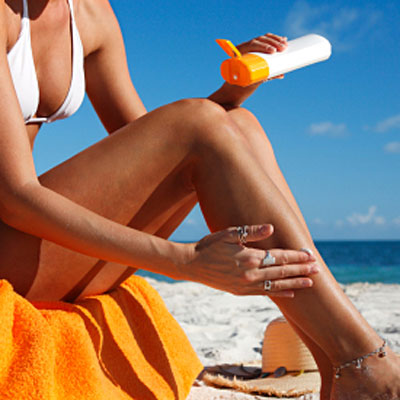
sunscreen applicationWearing sunscreen should be part of every woman’s daily health regimen, regardless of the weather. Sunscreen protects against the sun’s rays that increase signs of aging (UVA rays) and those that cause burns and skin cancer (UVB rays).

Shield Skin by Using Sunscreen the Right Way

Here’s a quick guide to protect your skin and keep you looking your best, no matter how hard the sun is shining.

  • Buy sunscreen for your face & body: Oil-free sunscreen for the face will prevent breakouts while protecting your skin. Sun block for the body generally has oil in it, comes in larger containers, and is less expensive. Spring for both to keep yourself protected and acne-free.
  • Choose “broad spectrum” protection: When browsing for the right lotion, be sure to choose one that protects against both UVA and UVB rays. The label should mention both types of rays or indicate that the lotion offers “broad spectrum” coverage.
  • Select an SPF of 15 or higher: The sun protection factor (SPF) measures how much longer you can stay in the sun without burning, compared to wearing no sunscreen at all. SPF 15 lotion, for example, will let you stay in the sun without burning 15 times longer than you could with bare skin.
  • Apply 20 – 30 minutes before going outside: To give your skin time to absorb the sunscreen (and thus enjoy its protection), be sure to apply about half an hour before leaving the house. To cover your whole body, you should use about an ounce, or enough to fill a shot glass. Be sure to remember the most-ignored areas (the backs of your legs, your feet, and behind your ears).
  • Replace sunscreen every year: Don’t dig up an old bottle of sun block for your first pool trip of the season. The active ingredients become less effective over time, so you’re much better off buying new lotion every season.
  • Wear it every day: Every time you leave the house, you should wear sun block on all exposed skin. For most of the year, that might just mean your face and hands, but it’s still important to protect those areas to prevent cancer and skin damage.

These days, it’s easier than ever to stay safe from the sun’s damage. If you loathe the thought of lathering up, opt for sunscreen that comes as a spray, in a stick, or in non-traditional scents that make the process of applying downright decadent!


Ask The Expert Series Spotlights The Center for Natural Breast Reconstruction

We’re thrilled to share some exciting news with you, today! Our very own Dr. Richard Kline and Dr. James Craigie, Charleston breast surgeons, were recently on ABC News 4 Ask the Experts Series. During this interview the doctors answer questions on air about natural breast reconstruction submitted by viewers .

See below for the interview:


For those of you who aren’t aware of The Center for Natural Breast Reconstruction and what we do, here’s a brief description:

Charleston plastic surgeons Dr. James Craigie and Dr. Richard Kline specialize in breast reconstruction for women who have undergone mastectomy and those who are considering risk reducing prophylactic surgery. Some of the procedures performed by these Charleston breast surgeons include DIEP, SIEA, and GAP free flap breast reconstruction, which utilize your own tissue with no implants and no muscle sacrifice.

Our Charleston breast surgeons also perform nipple sparing mastectomy, reconstruction after lumpectomy, microsurgical breast reconstruction, and breast restoration. Visit our website today for more information.

Do you have a question for the Charleston breast surgeons at The Center for Natural Breast Reconstruction? We’d love to hear from you.


Charleston Plantations

charleston plantationNo visit to Charleston, South Carolina, is complete without a stop at one of the area’s striking historical plantations. These immaculately preserved sites allow visitors to take a step back in time and soak up the atmosphere of the Old South.

Next time you’re in town to visit the Center for Natural Breast Reconstruction, we recommend stopping by one of these three beauties.

Middleton Place

No matter what time of year you visit Middleton Place, you’ll find 65 acres of stunning gardens in bloom. A National Historic Landmark, Middleton Place offers a glimpse into the plantation life that dominated pre-Civil War South Carolina.

Visitors of all tastes will find something to love at Middleton Place, which includes extensive landscaped gardens, a preserved plantation mansion, and rejuvenated stable yards, where actors perform the tasks that African slaves would have done in the 18th century.

Plan your trip to Middleton Place!

Boone Hall Plantation

Famous for the double line of oak trees (planted in 1743!) that line its driveway, Boone Hall Plantation provides educational tours as well as an opportunity to participate first-hand in plantation life. For 320 years, Boone Hall has been a living, producing plantation.

In the 1800s, Boone Hall produced cotton and pecans, but today its crops include strawberries, pumpkins, tomatoes, and other fruits and vegetables. Visitors can pick their own harvests in special fields after learning about the life of those who lived in the Boone Hall house and on the plantation hundreds of years ago.

Plan your visit to Boone Hall!

Magnolia Plantation

Home of the oldest public gardens in the United States, Magnolia Plantation opened its doors to the public in 1870, nearly 200 years after its founding in 1676. In 2010, Magnolia Plantation won a prestigious Heritage Tourism Award for its efforts at interpretively recreating and presenting slave cabins to visitors.

Visitors can enjoy boat tours, a petting zoo, tours of the gardens and house, and a leisurely stop at the plantation’s Peacock Café. The self-guided walking tour of the Swamp Garden is especially popular among tourists, and is open 365 days per year.

Plan your trip to Magnolia Plantation!


Eat Your Way to a Whiter Smile

white smileHealth professionals agree that maintaining healthy teeth and gums is an important part of overall health. Why? Firstly, because dental problems (such as tooth decay and gingivitis) have been linked to heart and kidney troubles, and secondly because having healthy teeth boosts a person’s self-image and self esteem.

Plus, a white smile can make a person look as much as 10 years younger, estimate some dentists. Here’s a primer on what you should eat and avoid to keep your pearly whites looking their best.

Food Choices to Keep Your Teeth Strong

The good news is that foods that are good for your teeth are also good for the rest of your body, so you won’t have to rehash your entire diet to help improve your smile. Keep these dos and don’ts in mind as you shop for your next meal.

  • DO choose crunchy fruits and vegetables. Chewing these foods promotes the production of saliva, which helps flush decay-causing bacteria from your mouth. Apples, carrots, celery, and cauliflower are especially potent grime-busters.
  • DO include dairy products in your daily diet. Dairy foods (including milk, yogurt, and cheese) contain lactic acid, which helps protect your teeth from decay. Hard cheeses are especially powerful in the fight against tooth decay, as they polish the teeth.
  • DO try a natural tooth buffer. Orange peels rubbed against the teeth, followed by a water rinse, can help improve whiteness over a period of months.
  • DO brush and floss after meals. Food left in the teeth provides a constant source of energy for smile-damaging bacteria. Brushing or flossing the food away will keep bacteria from flourishing.
  • DON’T consume foods that could stain your clothes. The same dyes can discolor your teeth over time. To stain inducers include coffee, tea, blueberries, soy sauce, and red wine. If you consume these foods, be sure to rinse and brush your teeth to minimize the damage.
  • DON’T use tobacco products, which stain.
  • DON’T consume refined sugars. Soda, candy, and other foods that contain refined sugar are especially hard on your teeth, as they provide a ready source of energy to decay-inducing bacteria. Even foods with natural sugars (including fruit) feed bacteria, and should be rinsed from teeth shortly after consumption.
  • DON’T consume very hot or very cold foods. The temperature fluctuations cause tooth enamel to expand and contract, which allows stains to penetrate.

Whether you’re adopting healthy habits as part of your breast cancer recovery or simply hoping to improve your overall wellness, taking care of your teeth should be a top priority