Our Recommendations for Post Surgical Clothing After Breast Reconstructive Surgery

post operativeThe below question is answered by the team at the The Center for Natural Breast Reconstruction.

I am having a SGAP breast reconstruction in a few weeks. Do I need to buy post op surgical bras? If so, which kind and can I get a prescription for insurance purposes? Also, I heard people use various bras / camisoles with pockets for drains. Have you heard of those or think they are helpful? Do you think button down shirts are something I need to get? Anything else?

No need to buy any special bra, vest, or camisole in advance. Our hospital, East Cooper Regional Medical Center, provides a soft cotton vest with drain pockets as well as a surgical bra that acts as a post operative surgical dressing. Let them know if you feel like you need an extra for when you leave the hospital and they are great about sharing another with you.

Absolutely, I would make sure I had button down shirts and loose clothing that you can easily get in and out of. You’ll have some limitation of lifting your arms above your head so button down shirts are easiest to get on and off without lifting your arms. Some women choose to wear loose sundresses; others track suit pants or cotton shorts. Whatever you are comfortable in is fine, but keep in mind we won’t want you wearing anything right away that could potentially put any pressure on your suture lines.

Here are more helpful hints:

If you are having a DIEP breast reconstruction, abdominal swelling limits clothing choices. Wear loose-fitting garments to the hospital. Women should avoid fitted, zippered pants and skirts because they probably won’t zip when it’s time to leave. Even clothing with snug elastic waistbands may be uncomfortable. A loose chemise or drop waist dress or jumper is a good choice.

Slacks or skirts with elastic in the back and a smooth band in the front may be slightly more comfortable than those with a totally elastic waistband.

Consider clothing that doesn’t wrinkle easily. Resting and naps are necessary while recuperating.

Cotton underwear breathes and is absorbent and comfortable next to the skin. Cotton’s fiber ends help the fabric stand away from the sensitive incision area rather than hug it, as some textured, synthetic fabrics do. If you don’t already have cotton briefs, buy a pair a size larger than your normal size. A little extra room adds comfort during recuperation. For waistline incisions, bikini cut styles may be better, while full cut panties and shorts might be preferred for incisions in the lower abdomen and buttocks.

Loose-fitting nightgowns and nightshirts are comfortable, especially when made from absorbent, breathable cotton or cotton-blends. If you prefer pajamas, select those with drawstrings. Elastic waists may be less comfortable for some people depending on swelling, tenderness, and location of incision. Sweatpants or crew pants are a comfortable change from bed wear, especially those with drawstrings, which allow some flexibility at the waistline.

Flat soled shoes that slip on your feet rather than tie are great to have, too, as you may be limited in your ability to bend over and tie your shoes.

If you do need to have a special bra after your incision lines have healed, we are happy to provide a prescription. We’ve had lots of our patients rave about Nordstrom’s for post mastectomy bras. Not only do the kind folks there provide a professional fitting for mastectomy patients, but they also handle the insurance paperwork for you too!

Thank you,

The team at The Center for Natural Breast Reconstruction

Are you thinking of having reconstructive surgery and have questions or just want more information? Then click here to ask our team, we’d love to hear from you!


Join The Center for Natural Breast Reconstruction for the Hats Off to Survivors Event!

Hats OffOn April 15, the Susan G. Komen for the Cure Lowcountry Affiliate is hosting Hats Off to Survivors: 2012 Survivor Celebration and Afternoon Tea, and we at the Center for Natural Breast Reconstruction are proud to say we’ll be sponsoring the event!

Both a fundraiser for Susan G. Komen for the Cure and a celebration of breast cancer survivors and co-survivors, the event will be held at the Charleston Mariott. All are welcome, and you can buy tickets online for survivors ($10.00 each), guests ($15.00 each), or for a reserved table of 10 ($200.00).

As part of its celebration, Hats Off to Survivors includes a hat contest, which survivors can enter in one of four categories: most whimsical, most glamorous, most FUNctional, and most representative of Komen.

While everyone is encouraged to wear hats to this event, hats are not required for attendance.

About Susan G. Komen for the Cure

Founded in 1982, Susan G. Komen for the Cure is a grassroots movement that raises money for breast cancer research while raising awareness about the disease, its prevention, and its treatment. Part of the organization’s mission is to improve the quality of medical care available to those diagnosed with breast cancer and to inspire researchers to continue searching for a cure.

We at the Center for Natural Breast Reconstruction are happy to put our support behind Susan G. Komen events as part of our mission of improving the lives of the women we meet and work with every day.

Hats Off to Survivors Event Details

Who: Susan G. Komen for the Cure & the Center for Natural Breast Reconstruction

What: Hats Off to Survivors: 2012 Survivors Celebration and Afternoon Tea

When: Sunday, April 15, 2012, 3:00 p.m. – 5:00 p.m.
Where: Charleston Mariott, 170 Lockwood Blvd. Charleston, SC 29403

Reserve your seat here.

We look forward to seeing you there!


Stop Smoking: How to Avoid Weight Gain Once You Quit

stop smokingNo matter which type of breast surgery you may need, we always recommend that you quit smoking to help speed healing. Many smokers, especially women, fear gaining weight when they quit. While some former smokers do gain a little weight, it is typically no more than a few pounds, and even this gain can largely be avoided with a little planning.

Know that you will be hungrier at first.

According to the Mayo Clinic, smoking reduces your appetite and may increase your metabolism, so when you quit, you’re likely to feel hungrier at first. Keep plenty of healthy snacks around, such as berries, vegetables, cheese, and nuts. The latter two are higher in calories than the others, but they will keep you full longer.

Avoid sugary or high-carbohydrate snacks, such as candy, cookies, chips, and the like. They won’t help you avoid weight gain, and they offer little to no nutritional value.

Watch what you drink.

Soda and fruit juices are loaded with sugar, and even diet soda is not a good idea when you’re trying to lose weight.  Drink water. It will help you detox from the cigarettes, help avoid water retention, and avoid weight gain.

If you don’t like the taste of your tap water, add lemon or lime juice—if you like sparkling water and add lemon and lime juice, it’s almost like drinking a soda without the calories or artificial sweeteners.

Reduce portion sizes at meals.

Eating smaller portions will help you keep your weight under control. Try cutting down your portions by one quarter. If you’re still hungry, have some vegetables or fruit for dessert. Be careful with fruit, as it is high in natural sugars.

Get up and move.

Not only will moving or exercising help you keep your weight down, but it will also help your cravings. Get outside and walk the dog, or take a dance class such as country-western dance or Zumba. You’ll burn calories and help keep your weight where you want it to be.

To keep weight gain down, monitor your weight. You don’t necessarily have to jump on the scale every day; your clothes will tell you how you’re doing. Don’t allow yourself to gain more than two or three pounds before taking action. If you’re watching what you eat and drink and getting more exercise, weight gain after quitting smoking and breast surgery will be a non-issue.


Your Question about Reconstruction Surgery and Lymph Node Transfers Answered

breast questionThe below question is answered by Charleston breast surgeon, Dr. Richard M. Kline, Jr., MD of The Center for Natural Breast Reconstruction:

Can a one-sided microsurgical reconstruction be done in conjunction (same surgery) with lymph node transfer?

Lymph nodes can be “piggy-backed” on a DIEP flap, but our impression is that that precludes the ideal positioning of eitherthe nodes or the flap. Additionally, we have concerns that the nodes may not be as well vascularized (have as good a blood supply) that way (rather than doing them as their own separate flap), although extra small blood vessels can sometimes be hooked up to the nodes themselves.

Our preference is to just do the autogenous (your own tissue, no implant) reconstruction first, as some patients with lymphedema will improve with this alone. If they don’t improve, we’ve found that a vascularized lymph node transfer fits in very well with the second stage of the breast reconstruction. Of course, it is possible to do a DIEP or GAP with a separate vascularized lymph node transfer in one setting, but that makes a long procedure about 2 hours longer, so we haven’t pursued it.

-Dr. Richard M. Kline, Jr., MD
Center for Natural  Breast Reconstruction

Share this post with your followers on Twitter. And if you have a question for our breast surgeons, please feel free to submit them here!

5 Reasons to Drink Tea Daily

tea benefitsSince that incident in Boston all those years ago, Americans have largely shunned tea in favor of coffee. But now that most of us aren’t holding any grudges about King George’s taxation system, it might be time to start reintroducing the drink to your daily routine.

Here are five excellent reasons to swap out your morning java for a cup of tea.

1. Tea has been shown to reduce the risk of cancer and other serious diseases. While researchers are still debating the exact impact tea has on cancer, studies have shown that rates of lung, prostate, and breast cancer decreased most significantly in tea-drinking populations. In addition, tea helps guard against heart disease, reduce the risk of heart attack and stroke, and reduce cholesterol. Credit the beverage’s polyphenals with many of these disease-fighting capabilities.

2. Tea keeps you healthy in the long term. The antioxidants in tea have been shown to help protect skin against damage from the sun and from aging. These powerful compounds have also been shown to reduce acne as much as the harsh topical treatment benzoyl peroxide. One more boon of regular tea drinking? Tea drinkers have been shown to have stronger bones than their “tea-totaling” peers. Some researchers suggest that the phytochemicals found in tea can take the credit for this benefit.

3. Tea makes you look better. A natural source of both tannins and fluoride, tea helps protect teeth from decay (as long as you drink it sans sugar!). Even better? Drinking five or more cups of green tea daily boosts your metabolism slightly, which may aid in weight loss. If you’re happy with the way you look, drink tea for its stress-reduction properties, which will help you feel great, too.

4. Tea has no calories. Hot or cold, tea is a calorie-free way to refresh yourself. To make sure you aren’t consuming unwanted sugars, brew your own iced tea rather than using sweetener-laden powders.

5.Tea keeps you alert (without feeling jittery). Because tea has less caffeine than coffee, it imparts a feeling of mental alertness without causing the jitters. In the long term, tea has been shown to reduce the risk of cognitive impairment, thus contributing to better brain function over time.

Even if you’re a diehard coffee guzzler, a cup of herbal tea in the evening or a mug or two of tea instead of your afternoon fix could help you enjoy the health-boosting, disease-busting benefits of this wonder drink!


Upcoming Webinar: “Is Natural Breast Reconstruction Right for Me?”

NBR WebinarWe at The Center for Natural Breast Reconstruction are excited to announce our upcoming webinar, Is Natural Breast Reconstruction Right for Me?, happening Thursday, April 12, at 7:00 p.m. Eastern / 4:00 p.m. Pacific.

Intended for anyone who has been affected by breast cancer (including those who have been recently diagnosed, those currently in treatment, those currently in remission, and family and friends of those with cancer), the no-cost webinar will provide information about women’s options for natural breast reconstruction

Unlike other types of post-mastectomy breast reconstruction, natural breast reconstruction uses tissues from a woman’s body to create natural looking and feeling breasts. The webinar will be hosted by The Center for Natural Breast Reconstruction’s Dr. James Craigie and Dr. Richard M. Kline, Jr.,MD, both of whom specialize in natural breast reconstruction surgery.

During the hour-long event, the surgeons will educate attendees about…

  • Exactly what natural breast reconstruction entails and who is eligible for this type of surgery.
  • The language and shorthand of natural breast reconstruction, defining and explaining what all the natural reconstruction acronyms (including DIEP, GAP, TUG, and SIEA) mean.
  • What patients can expect in terms of hospital stays, recovery time, and scarring.
  • How The Center for Natural Breast Reconstruction handles insurance and what types of insurance we accept.

We’ll also open the phone lines to a live Q&A session with the surgeons and our insurance specialist so attendees can get answers to all their questions related to natural breast reconstruction.

To join us for the webinar, register here.

Note: if you are busy on April 12, register today, and we’ll send you a link to the replay, which you can watch at your convenience.


Tackling the Challenges of Breast Reconstruction After Lumpectomy and Radiation

tackling reconstructionThe below question was answered by Charleston breast surgeon, Dr. Richard M. Kline, Jr., MD of The Center for Natural Breast Reconstruction:

I had a lumpectomy in 2002 of the left breast followed with 33 rounds of radiation. I have since had a breast lift and reduction on the sound side in an effort to “even” my breasts. It worked for a while but the left continues to shrink. Any suggestions? Some suggest an implant, but I fear the cancer coming back and not being identified due to the implant.

Implants are indeed known to decrease the effectiveness of mammograms by about 1/3 after breast augmentation, and may well have the same effect when used in reconstruction after lumpectomy. Additionally, implants tend to be more poorly tolerated after radiation, although some people do quite well with them.

A flap of your own tissue could be used to augment your breast, but this would be a fairly large undertaking, usually (but not always) reserved for post-mastectomy reconstruction. Injections of your own fat, while proving to be a very useful adjunct to post-mastectomy reconstruction, are not routinely recommended (yet) for augmenting the lumpectomy defect.

One potentially very useful measure, if available to you, might be a full Marx protocol of hyperbaric oxygen treatment. A large part of the damaging effects of radiation is progressive obliteration of the microvascular circulation (smallest blood vessels). Hyperbaric oxygen (HBO) has been shown to very reliably stimulate the growth of new blood vessels in radiated tissue. Clinically, this often results in fairly dramatic softening of the radiated tissue, and a healthier appearance of the skin.

Thank you for your question.

-Dr. Richard M. Kline Jr., MD

Have questions for our team? Send them on over, we’d love to hear from you!

How One Survivor Refuses to Let Cancer or Life Slow Her Down

Our team at The Center for Natural Breast Reconstruction is honored to share with you an In Her Words post written by a dear friend and breast cancer survivor, Sharon Hawkins.

You are the founder of Grace in the Wilderness: A ministry for Today’s Business Woman, tell us a little bit about your organization and what lead you to create this inspirational place for women?

Grace In The Wilderness is a 501(c)(3) non-profit organization and is an out-reach ministry whose mission is to encourage women of all ages:

  • To look upward to God as they discover Him in a new and deeper way,
  • To look inward as they discover who they are in Christ, and
  • To look outward as they discover God’s plan for their lives.

We sponsor 5 conferences a year–Valentine’s Tea for Widows (Feb.), Women’s Conference (2 days, last weekend of Feb.), Conference for Moms of Special Needs Children (June), Teen Conf (Oct.) and a Christmas Brunch for Moms Who Have Lost Children (Dec.).

We also issue a bi-monthly Women’s Newsletter (GITW) and a quarterly newsletter for Teen Girls called “Gracie’s Way”.  We welcome our readers to also share their stories. These are free email newsletters, subscriptions at our website: www.wildernessgrace.org.

In March of 2008, my mother passed away after battles with breast cancer and colon cancer. During her 3-year illness, my plate was so full–I helped care for her through cancer and for my dad with Parkinson’s, ran a very busy business with 10 employees, all the while being a wife and a mother to a teenage son and a special needs younger son.  After Mom’s death, I was so weary and I prayed and asked God to please take something off my plate.  His answer shocked me–He called me to start a ministry for today’s busy women and He didn’t take anything away.  Later, when I was seeking answers about why He wanted me to juggle all these things, God revealed to me simply that if I was going to minister to busy women, I had to be one.  Wow, why didn’t I think of that?

What did you hope to accomplish through founding Grace in the Wilderness, what is your vision for the future?

I hope to help other busy women find the help, love, support, forgiveness and grace that I have found from my relationship with Jesus Christ.  Life is hard with God.  In my opinion, it’s impossible without Him!

Grace In The Wilderness has grown.  I added a Partner, my friend Marie Pritchett, right after starting the ministry and now there are many volunteers who make up “Team Grace”. God has given us a special focus and compassion to also reach those in the very difficult situations of life, those “impossible” situations we refer to as “wildernesses”.  Our vision for the future is to expand to reach out to other special groups, such as single moms, teen moms, abused women, and other groups who are hurting and need encouragement and support.  We hope to add a conference for cancer patients and their families as our next step.

I see you host quite a variety of events, can any women’s organization hold an event with you?

We don’t exactly hold events for other women’s organizations.  But we are always open to working in conjunction with and supporting groups who help women as long as it allows us to stay true to our mission.

What impact has Grace in the Wilderness had on your own life?

I really thought Grace In The Wilderness was about our helping others through their wildernesses. Again, what was I thinking?!?  It seems that, once again, if I’m going to minister to this group of women, those in hard places, God wants me to know what that’s like.

In June 2011, I was diagnosed with breast cancer.  In July 2011, I had double mastectomies.  In August 2011, I had silicone implant surgery.  After several months of my body rejecting those implants, in November 2011, I had DIEP Flap breast reconstruction with Drs. Kline and Craigie in Mt. Pleasant, SC.  (The Drs. and Chris are the best and East Cooper is a wonderful hospital.)

Also in November of 2011 just before my third surgery, I was diagnosed with melanoma and I had to have an out-patient procedure for that.

In the midst of this six months of chaos, my employee, who was my best friend (notice I said “was”), was sent to federal prison for embezzling more than $600,000 from me and my business. What?!?  Yes, unbelievable, I know.

But what’s more unbelievable is that I sit here now 100% cancer free.  I was diagnosed with two cancers within five months and the doctors were able to remove them both completely-no chemo, no radiation.  Through my own wilderness experiences, I’ve found that God’s provisions are endless and through serving others, I’ve learned that you simply can’t outgive God.  That’s God’s amazing grace in the wilderness and that’s what our ministry is all about.

About Sharon

Sharon Hawkins wants others to know that she is totally in love with Jesus. In 2008, she answered God’s calling to begin a
Ministry called Grace in The Wilderness.. Sharon’s the wife of her best friend, Scott, and the mother of two very special boys, Taylor (16), and Bradley (10), that she and Scott adopted from Ukraine as a toddler. As a businesswoman, she owns Benefit Resources where she works with 12 amazing women who together seek to put God first in the business. She loves fun, mission trips, reading, camping and spending time with her family and friends.


Top Foods to Help Fight Cancer

cancer fighting foodsHippocrates said, “Let food be your medicine, and medicine be your food.” As Charleston breast surgeons,  we know that eating the right foods is a powerful weapon in your cancer-fighting and cancer-preventing arsenal. Here are four groups of foods you should include in your diet daily.

Berries

Berries of all types not only nourish your body, but also help cancer treatments work. They contain ellagic acid, a substance that helps your body fight cancer. They also help to inhibit cancer growth. Eat a variety of berries to get the full range of nutrients, including cherries, cranberries, strawberries, blueberries, blackberries, and raspberries.

Yellow, red, and orange fruits and vegetables

This food group, the carotenoids, gives your body powerful compounds such as lutein and lycopene to help your body attack cancer cells. These foods come in a variety of colors, which means they contain a wide range of nutrients.

Green tea

Green tea is full of antioxidants and reduces cancer cell growth and spread. Like berries, it acts as a helper for cancer treatment, specifically radiation.

Flaxseed

Flaxseed is rich in magnesium, copper, thiamine, fiber, alpha-linolenic acid, and tocopherols. It helps your blood carry oxygen throughout the body. Oxygen is a natural enemy of cancer. For more info the benefits of flaxseed, check out this article or check out this video below.

Sprouts and dark leafy greens

These delicious salad fixings boost your immune system and give you antioxidants to fight cancer. Chlorophyll helps your body stay healthy, and these foods are full of enzymes that contribute to detoxification.

Cruciferous vegetables

Years ago, the comedian George Carlin had a joke about broccoli and cauliflower killing cancer. It turns out he was correct: cruciferous vegetables, which also include cabbage, Brussels sprouts, chard, and collard greens, help fight cancer. Their potent anticancer nutrients not only aid the body in killing existing cancer, but they also stop precancerous cells from progressing.

Herbs

Strong-flavored herbs such as turmeric, mint, ginger, rosemary, and oregano flood your body with anti-inflammatory compounds that inhibit cancer growth. They also increase the effectiveness of cancer treatment and block the spread of cancer.

To receive the full effect of these foods, eat them regularly in generous amounts. The more you eat, the more effective your fight against cancer will be. Eat organic foods as much as possible, and drink plenty of filtered water.


If I Have Had Natural Breast Reconstruction Do I Need To Have A Yearly Mammogram?

diep and mammogramThe below question is answered by Charleston breast surgeonDr. James E. Craigie. of The Center for Natural Breast Reconstruction:

After having breast reconstruction using the DIEP method do I need to have yearly mammogram?  If so, can the pressure from the procedure cause any damage to the tissue or blood vessels used in the reconstruction?

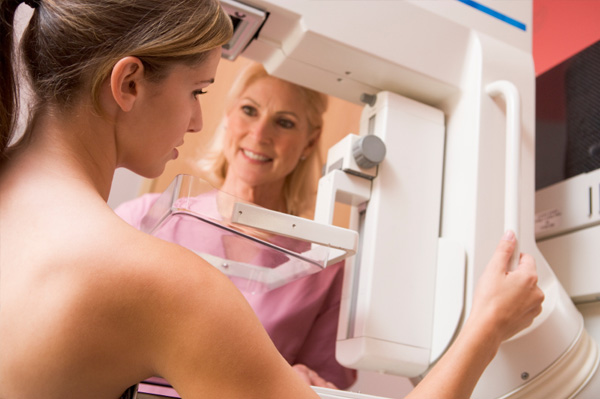
First of all, following mastectomy and reconstruction with your own tissues, a mammogram is routinely not needed on a regular screening basis.  Screening mammograms are only helpful for normal breast tissue; therefore, in our patients we do not recommend that they have regular screening mammograms.  From time to time, people will be seen in follow up for examination and have areas of the breast feel firm or hard and sometimes the oncologist or other physicians will order mammograms to investigate a specific finding.  This would normally be performed after the first and second stages of the reconstruction process were completed and therefore should pose no risk of injury to the blood vessels that were connected to the breast.

-James E. Craigie, M.D.

Do you have a question about breast implants or natural breast reconstruction? Ask the doctor by submitting your questions here.