6 Things You Didn’t Know About a Vegetarian Diet

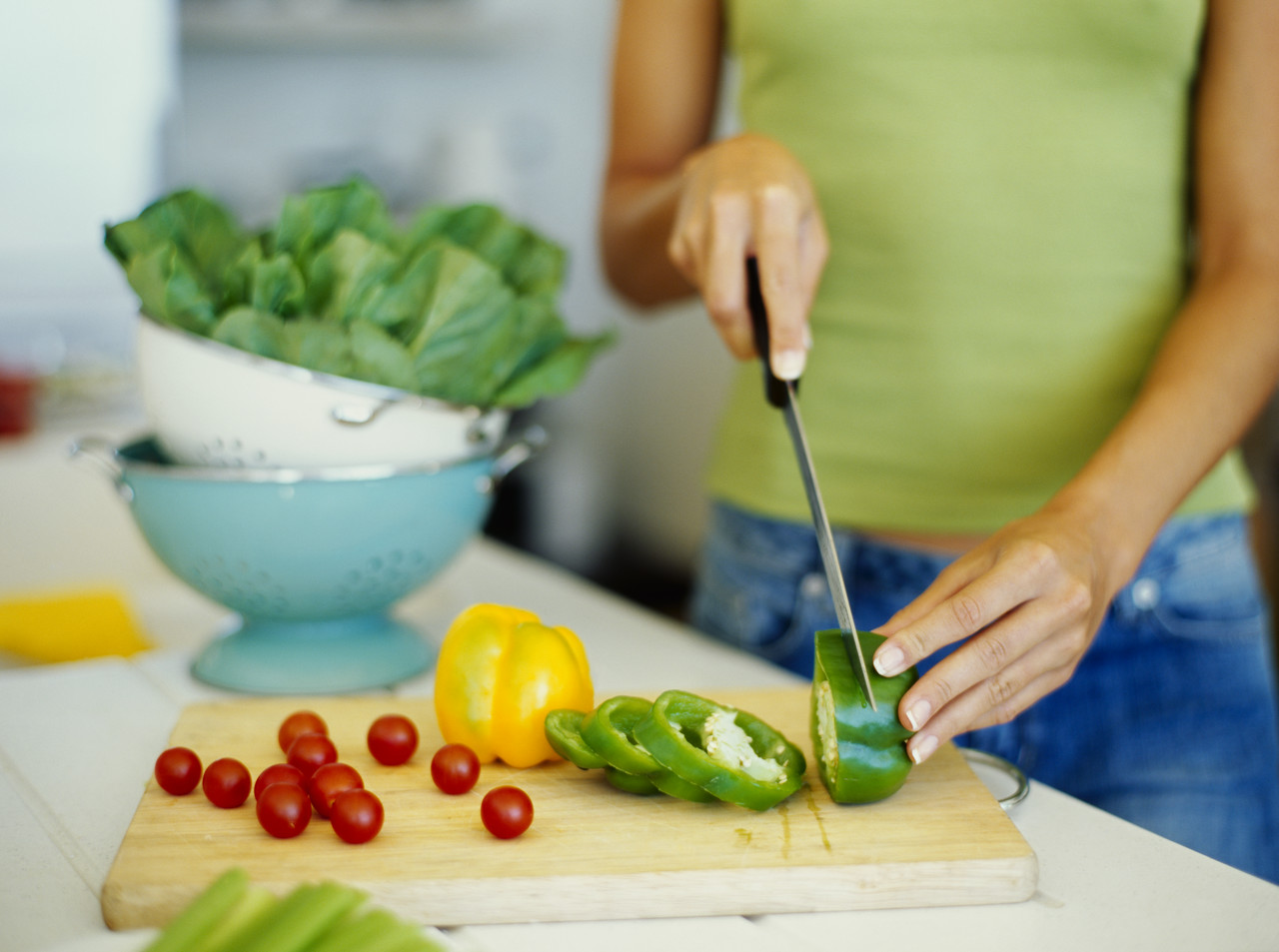
Vegetarian DietWhen it comes to a vegetarian diet, there are a lot of needless misconceptions floating around. For starters, the vegetarian diet is not very restrictive, all things considered. It can actually be a well-balanced, varied, and healthy choice for people of all ages.  And with nutrition-rich options like legumes, nuts, and quinoa, getting enough protein is a breeze!

In the spirit of dispelling rumors, here are six other benefits of a vegetarian diet that you may not know:

1. Longer lives: On average, vegetarians live about seven years longer, and vegans (who eschew all animal products) live almost 15 years longer than meat eaters, according to a study from Loma Linda University. Similarly, the China Health Project found that Chinese people who eat the least amount of fat and animal products have the lowest risks of cancer, heart attack, and other chronic diseases.

2. Happy hearts: Vegetarian diets ward off the likelihood of cardiovascular disease, a fact especially worth noting for women (the fatality rate for women who have heart attacks is 53% as opposed to 47% for men). Since produce contains no saturated fat or cholesterol, cholesterol levels for vegetarians are 14 percent lower than meat eaters.

3. Money in the bank: Contrary to belief, it is not more expensive to choose a vegetarian diet. In fact, replacing meat with vegetables and fruits can cut food bills by an average of $4,000 a year.

4. Cancer risk reduction: The National Cancer Institute says that vegetarian women are nearly four times less likely to develop breast cancer than those who eat meat. The German Cancer Research Center posits that vegetarians’ immune systems are more effective in killing off tumor cells than meat eaters’. Turns out, a plant-based diet helps reduce the likelihood of prostate, colon, and skin cancers, too.

5. Feed the world: According to the Journal Soil and Water, one acre of land could produce 50,000 pounds of tomatoes, 40,000 pounds of potatoes, 30,000 pounds of carrots—or just 250 pounds of beef.

6. Water conservation: It takes 2,500 gallons of water to produce one pound of beef, but just 25 gallons of water to produce a pound of wheat!  So a vegetarian diet is not only healthy for your body, but also the planet.

What are questions you have about a vegetarian diet? Leave your thoughts in the comment section below—we’d love to hear what you think!
 

Post Operative Care Tips From Our Team

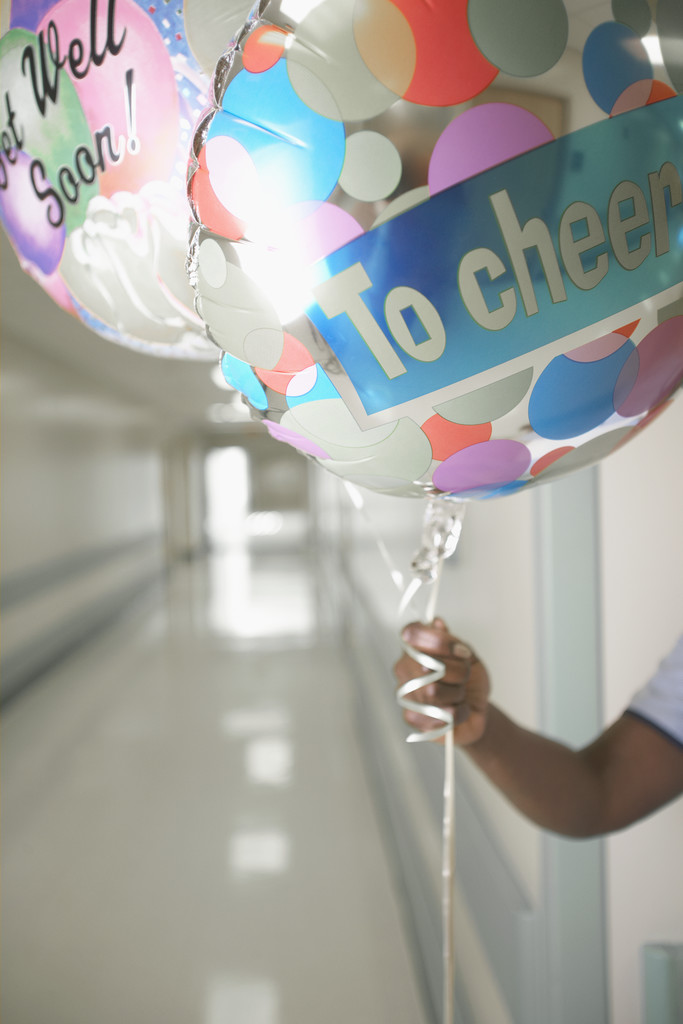
Healing TimeOur team is constantly being approached with questions on the healing process and post operative care after breast reconstruction surgery. We strive to provide our patients with the information to ensure they achieve the most optimal surgical experience. For Today’s Ask The Doctor post, we are sharing with you some steps and tips we have to help our patients improve their post surgery recovery and healing time !

After Surgery

Family members will receive periodic updates during your surgery.

Following the procedure, you will be moved to a special unit in the hospital where you will be connected to monitoring equipment. There, nurses trained in post operative care of breast reconstruction will monitor you at all times.  Family members can see you during visiting hours.

You will also receive an informative sheet that discusses your specific information and post-operative care.  This likely will include information concerning drain care; it is very important to monitor flow from the drains in a 24-hour period. This guides us on when to remove them.  You will also have a kind of thermometer on your chest, which monitors the flap.  Other specifics and information will be provided in your post-operative packets.

As You Heal

Family and Friends:
Support from loved ones is very helpful. But understand that comments they may make during your recovery can cause you concern. Remember this: We will tell you honestly how you are doing and what we expect your result will be.  Please trust in our knowledge and experience when we discuss your progress with you.

Healing:
You will heal! How quickly depends on factors your genetic background, your overall health and your lifestyle (exercise, smoking, drinking, etc.). Many people believe the surgeon “heals” the patient.  No person can make another heal. Dr Craigie and Dr Kline can facilitate, but not accelerate, the healing process.  But you play the starring role, so your cooperation is key.

Swelling:
You may find swelling of your new breast and abdomen (DIEP) or buttock (GAP) to be troublesome and your clothes may not fit.  Be patient, this swelling will gradually subside and you will feel better in a few weeks.  There will be a certain amount of tightness in the area where the flap was taken from.  This will slowly relax in a few months.

Following Instructions:
Another way to improve healing is by following the instructions given by Dr. Craigie and Dr. Kline’s staff.  We believe “the difference is in the details” and strive to achieve the best possible results for you.  It is imperative that you act as a partner in this process — not a passive participant.  The instructions are designed to give you the best opportunity for healing without delay or surprise.

Click here for a complete list of post surgery healing and recovery tips and instructions.

Have questions about post operative breast reconstruction? Or questions in general? Join us on August 28th for our Post Op Pearls Webinar.


A Good Lowcountry Read: A Spotlight on Charleston’s Most Beloved Bookstores

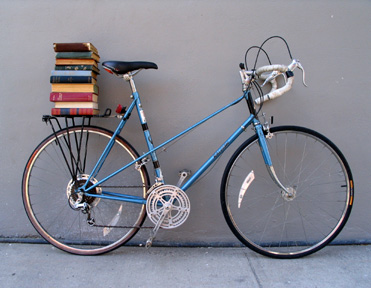
Image Above Taken From: www.bluebicyclebooks.com

At The Center for Natural Breast Reconstruction, we know a good read is a powerful experience. Fortunately, Charleston is full of charming bookstores that are just as inspiring as the books they house. Here are a few of our favorite booksellers where you can pick up the next book on your summer reading list:

  • Blue Bicycle Books: Boasting 1565 feet of stacked books, this local bookstore is anything but plain. Owned and operated by local writer Jonathan Sanchez and his wife Lauren, they offer over 50,000 volumes, including the most complete collection anywhere of used, rare, and new Charleston material. Other popular sections include history, architecture, military history, Civil War, eastern religion, science, philosophy, gardening, poetry, hardback classics, and literary fiction. Come see why they’ve been voted Charleston’s best used-bookstore for the past five years, and don’t forget to pet the store cat!
  • Heirloom Book Company: On lower King Street, you’ll find this gem of a bookstore dedicated to the literature of food. The store offers an extensive selection of rare, out-of-print, and new books, alongside photographs, heirloom plants, and even seeds. Additionally, you’ll find thousands of publications, from the perfect Southern cookbook, to literature about gourmet cuisine, international eats, cooking vegan and gluten-free, the art of wine pairing, and cocktail recipe guides. It’s enough to stoke your hunger and your thirst for knowledge!
  • Books-A-Million: For the book-lover who wants it all, this bookstore doesn’t disappoint. From the latest bestselling titles and new releases to movies and magazines, you could lose a whole day browsing their endless stacks. Try as you might, you won’t want to leave here empty-handed, and you will surely be happier for the visit!

What is your favorite bookstore to visit in Charleston?


Five Steps to Waiving a Grudge

GrudgesTo err is human, but did you know that to forgive is good for your health? Even though we’ve all been hurt by someone before—friends, peers, parents, or significant others—forgiving those who wronged us can lessen anxiety and stress, reduce the symptoms of depression, lower blood pressure, and boost self-esteem. Make the decision to let go of resentment with these simple steps, and you’re well on your way to both physical and emotional well-being:

Remember it’s a process. Forgiveness is an active engagement, and it takes emotional work to forge through. Make the commitment to yourself to stay with the process—and remind yourself that you deserve relief and comfort. Forgiveness, after all, is not about the other person. It’s about getting you to a better emotional place.

  • Reflect on the facts of the situation. In essence, meditate on what has happened, the role you played, and how the outcome has affected your life and state of mind. Try to recall what happened as objectively as possible.
  • Accept these facts. Know that what’s done is done, and you cannot undo the past. The only remainder of the situation left in your control is how you manage your role in the aftermath. Do not stoop to revenge. Do not obsess over what you should have done before. Put it in a box in your mind and seal the lid.
  • Say it out loud. When you are ready to let go of your hurt and bitterness, look in the mirror and tell your reflection that you forgive the person who offended you. It does not matter if you actually say it to the person so much as yourself. Their role in this circumstance is finished, even if they never apologize or you never confront them. You can only rely on yourself to make you feel better about it.
  • Don’t be the victim. Even if you are, you have to remove yourself from that mindset to end the cycle of hurt. Know that people and circumstances shape the person you become not by what’s done to you, but how you react to them. Relish this control you have over your mind. You have the power to transform your thoughts, and to push the painful and bitter ones away. You have the choice to let your life be defined by your compassion and understanding rather than your hurt.

What has helped you move past a grudge before?


Is This Normal? Your Post Op Breast Reconstruction Question Answered

Post Op Breast ReconstructionThe below question comes all the way from Australia, and is answered by Charleston breast surgeon Dr. James Craigie of The Center for Natural Breast Reconstruction!

6 weeks after surgery I had a leak a long my stitches all bright yellow came out when that stopped a week after my scar further round swelled and it started leaking from there. Thats stopping now, is this normal? Will it keep happening, and I think my breast seems to be going smaller?

Hello,

It depends on the type of surgery you had. Drainage from incisions 6 weeks from surgery could be related to  incision healing. If the incision healed without problems and then the drainage occurred it could be a reaction to stitches or from a collection of fluid underneath that is working its way out. Your description might suggest liquefied fat is working its way out. If it is coming from the breast it may stop on its own or could require a procedure to remove all of it. Make you sure you check with your surgeon to make sure there is no infection. I hope this helps answer your question.

James Craigie, MD

Center For Natural Breast Reconstruction

Would you like your breast reconstruction question answered?  Register for our no-cost webinar on August 28th where there will be a live Q and A session!!


One Breast Cancer Survivor’s New Take on Life: Laugh More and Love Harder

Today we are delighted to share this In her Words post featuring Regina McCray. Diagnosed at only 37 years old,  Regina shares her story with everyone she meets and is a ray of light for women diagnosed with breast cancer.

See below for our inspirational interview with Regina.

Tell us a little bit about your story and how you survived through breast cancer?

I was diagnosed with breast cancer on March 10, 2009 at the age of 37 years old. I had no family history, but because I work as a radiation therapist and see young women with cancer every day I started having mammograms at the age of 35.  My tumor was aggressive and was stage 2, grade 3, with one lymph node involved. I had a right breast mastectomy 3 weeks later and started chemo in April of 2009. I survived because of my faith in God, and the love of my parents and 11 siblings (I am the oldest child).  I also have a great support system of friends, co-workers and family.

You had to experience radiation as part of your treatment plan. What advice or information would you give to other women who need to experience radiation as part of their breast cancer treatment?

About 3 weeks after completing my last chemo treatment ( I did 6 round lasting from April to August) I started radiation, 33 treatments. Radiation only affects the area being treated so my skin got irritated like a bad sunburn, but my aloe vera plant worked wonders. Skin will be sensitive about 2 weeks into treatment and may start to get sore as treatment progresses, but the prescription creams given by the radiation oncologists usually work great. About 3 weeks after completion of treatment (usually 28-33  days Mon.-Fri) the skin will start to get back to normal.  For any woman needing radiation, it’s not as bad as most people think. You don’t feel the treatment, and it normally takes less than 10 minutes to receive treatment. Please don’t let the radiation horror stories scare you out of a treatment that is designed to kill microscopic cancer cells that may have been left behind. It is so worth the peace of mind!

You’ve been a great advocate for The Center for Natural Breast Reconstruction and a wonderful support source for your community. Tell us what you’ve been doing to support women who are experiencing breast cancer or know of someone who is?

After surgery, chemo, and radiation, I wanted to get my life, and body back so I joined support groups and started sharing my story with newly diagnosed women to help them get through the initial shock.  I speak to lots of my patients about my experience in order to let them know that they can get through it. I did a talk at my church to bring awareness to breast cancer, and I tell everyone that I come in contact with that if they know anyone that is battling this disease and need someone to talk to, they can call me anytime, day or night.

How has your life changed since being diagnosed with breast cancer?

Breast cancer has changed my life in so many ways, I never thought that something so painful, could make me a better person. I am grateful for the little things. I tell the people I love that I love them more often, and I don’t take for granted that I will have the chance of a tomorrow.  I live each day to the fullest, not caring nearly as much about pleasing others as I do about pleasing God and being happy.  I travel now and see places that I only dreamed about before, because now I know that tomorrow is not promised.  Even if I don’t make it to retirement,  God has given me today and I am enjoying Life! I laugh more and love harder.

What type of breast reconstruction did you have and would you recommend it to other women who might be contemplating natural breast reconstruction?

In May of 2010,  about 14 months after being diagnosed with breast cancer I went into the hospital for bilateral natural breast reconstruction along with a left mastectomy. Dr James Craigie (along with Dr Kline) performed the DIEP flap procedure  taking
fat and blood vessels from my tummy to make my beautiful new breasts. This procedure helped me feel whole again! I am so pleased with the results that I tell my patients, support group sisters, and anyone that is considering reconstruction that this is the way to go. My breasts feel like a part of my body, and I even have some feeling in them, not to mention they look great and I can wear a bathing suit and anything else, and look and feel great with my new girls and my flat tummy! I highly recommend the procedure and for anyone contemplating reconstruction please call Dr. Craigie’s office. He is in my opinion, the best Dr. on the planet. Skillful, patient, and his bedside manner is better than any other physician that you will ever meet. The staff is also awesome, courteous, patient and helpful.  I think the team from The Center for Natural Reconstruction was put here by God to give women like me a second chance, and they will always have a place in my heart!

Share this post with your friends on Twitter.


Upcoming Webinar: Post-Op Pearls: Recovery, Healing, and Healthful Insights from Past Patients and Specialists

We at The Center for Natural Breast Reconstruction are excited to announce our upcoming webinar, Post-Op Pearls: Recovery, Healing, and Healthful Insights from Past Patients and Specialists, happening Tuesday, August 28, at 7:00 p.m. Eastern / 4:00 p.m. Pacific.

We’ve created this event for anyone seeking answers, comfort, and information at any stage of the journey through breast cancer. The no-cost webinar features a panel of our past patients, nurses, and practitioners from The Center for Natural Breast Reconstruction who will share their stories and valuable counsel on what to expect during recovery.

With the belief that every woman deserves to feel natural, healthy, and beautiful after her mastectomy, we offer this panel to help other women make an informed and confident decision when it comes to their treatment and breast reconstruction options.

During the hour-long event, the panel will explore…

  • Each woman’s journey, including her diagnosis, surgery, post-op recuperation, and a reflection on how her life has been affected by her treatments.
  • Advice for newly diagnosed women, from post-op clothing to the recovery process.
  • How to discuss your options and decisions with family and friends.
  • The secret to self-confidence post-diagnosis.
  • Any questions you have during our live Q & A session.

We’ll also open the phone lines for a live Q & A session with the panel so attendees can get answers to all their questions about treatment options, recovery, and natural breast reconstruction.

To join us for the webinar, register here.

Meet Our Panel:

Shirley Trainor-Thomas 

Her story: A senior vice-president at GuideStar Clinical Trials management, Shirley, was diagnosed with breast cancer in January 2010 when she was 49 years old. After exploring all possible treatment options, she chose to have a double mastectomy and reconstruction in the same surgery with The Center for Natural Breast Reconstruction. Though the cancer was found in her left breast, the pathology showed overactive cells in both. Having been treated for Hodgkin’s lymphoma with radiation to her chest as a teenager, susceptibility motivated her preventative decision.
Debbie Roland 

Her story: At 58 years old, Debbie Roland is a mother of three, a grandmother with six grandchildren, and the director of the Calhoun County Museum and Cultural Center since 1983. Before she knew about The Center for Natural Breast Reconstruction, a cancer diagnosis led to the removal of her right breast only—even though she wanted both removed, she was discouraged against it. A miserable recovery slowly ensued. After years of feeling off-balance, she met Dr. Kline at The Center for Natural Breast Reconstruction, and after her surgery in January 2012, life has never been happier.

Chris Murakami, RN, CNOR
 

and

Kimberly Kay, PA-C

Chris’ story: In addition to being a mother of three, Chris also has almost twenty years of nursing experience, mostly in the hospital setting. Her patients at The Center for Natural Breast Reconstruction are the most rewarding part of her job.
Kimberly’s story: A native of the Charleston area, Kimberly is a mother who graduated from the Medical University of South Carolina PA program. Having worked in family practice, OB/GYN, and urgent care, she is well suited to the special patients she meets at The Center for Natural Breast Reconstruction. She’s found a true calling here where she can pursue her primary interest: women’s health.


Note: if you are busy on August 28, register today, and we’ll send you a link to the replay, which you can watch at your convenience.


Can Natural Breast Reconstruction Correct Pain, Cosmetic and Functional Issues Caused by Implants?

The below question is answered by Richard M. Kline Jr., M.D. of The Center for Natural Breast Reconstruction.

I am 44 yrs old. I had a lumpectomy/chemo/radiation for my left breast in 2003 and I  had a mastectomy on my right breast 2009. I went ahead and did a prophylactic left mastectomy as part of my reconstruction process. I had a Latissimus dorsi muscle flap on my left breast and started the process in September of 2009. Apparently, some nerve that was to be severed was not and I now have constant spasm/pain that I of course, still need to camouflage in my clothing choices. The implant is not under the flap, its just below my collar bone. Now, is it possible to reverse this type of surgery as the symptoms are painful/disabling? Can this type of surgery be revised? Is there any other option for me for function/pain/cosmetic-symmetry?

Thanks

Hello,

Sorry to hear about your problems. I obviously can’t say for sure what you need based on this limited history, but here are a few thoughts.

If you are referring to the thoracodorsal nerve that “runs” the latissimus, that can certainly be divided with additional surgery. However, I can’t say for sure that that is the source of your pain. If your implant is very high, and especially if it is hard, you may have capsular contracture, which can be very uncomfortable, especially in a radiated area. It is also possible that the spasms are in your pectoralis major muscle, which is (or should be) in front of the implant.

If you have adequate donor tissue in your abdomen or buttocks, it may well be possible to “discard” your entire L reconstructed breast, and replace it with a breast made entirely of your own tissue. We have done this many times in similar scenarios, and most patients seem to be significantly happier afterwards. However, I must stress that operating for symptoms of discomfort is not guaranteed to work, and involves other risks.

If you’d like to send photos of potential donor areas, or have our nurse or PA call you for more info, we’ll be happy try and give you more specific advice.

Richard Kline

Center for Natural Breast Reconstruction

Best of luck to you, and please feel free to ask any more questions you may have.

Simple Summer Makeup Tips

With summer’s heat in full swing, it’s a good time to shakeup your daily routine—your makeup routine, that is! Embrace the heat and look divine with these tips that make your face as vibrant as the day is bright.

Get naked: Well, not literally. But who wants gobs of foundation melting off the tip of your nose in this record-breaking heat? Instead, try setting your face first with a little bit of lotion (SPF is your friend!), and only use a touch of concealer under your eyes (pro-tip: make sure to use a concealer that is slightly lighter than your skin color if you are prone to bags under the eyes). Finish your base with a loose powder, like MAC’s Select Sheer Loose Powder. A loose powder absorbs sweat and shine, but gives your skin the airy look of bare skin.

  • Glow: Summer is the perfect excuse to try out the bronzer that’s intimidated you all winter. Instead of using blush, sweep a little bit of bronzer just under your cheekbones (this will make them look extraordinarily pronounced!). Next, use a bronzer that’s slightly lighter to highlight the actual cheekbone and make them pop, all while giving your skin a radiant glow.
  • Go au natural: As for the eyes, less is more in the summer. Choose a light, matte shadow to brush all over the eyes, from lash line to brow-base. Next, dab a warm chocolate shade in the crease and blend. (Color tip: we especially love Nars Cosmetics Eye Shadow Duo in Key Largo).
  • Lash out: Spare no expense when it comes to coating those lashes. One of summer’s sexiest looks is a dramatic lash. Give Maybelline’s Illegal Length mascara a try. This mascara noticeably lengthens lashes thanks to its fiber extensions, and it builds well. Don’t forget the bottom lashes!
  • Kiss: Forget about lipstick—grab your favorite shade in Burt’s Bees Tinted Lip Balm and apply generously. It keeps your lips healthy, moist, and lends just enough color to complete your gorgeous summer look.

What are your best-kept summer makeup secrets?


What are the Symptoms of Capsular Contracture from an Implant?

The below question is answered by Charleston breast surgeon Dr. James Craigie of The Center for Natural Breast Reconstruction.

What are the symptoms of capsular contracture from an implant?

Capsular contracture is commonly described using the four-grade Baker Scale.

  • Grade I — the breast is normally soft and appears natural in size and shape
  • Grade II — the breast is a little firm, but appears normal.
  • Grade III — the breast is firm and appears abnormal
  • Grade IV — the breast is hard, painful to the touch, and appears abnormal

The symptoms can be varying from mild to severe.  Mild capsular contracture may only be detectable by your surgeon.  If the process worsens and becomes severe it may lead to changes in the breast that a person easily could tell themselves.  In other words, the shape may change, the breast may become different in shape, and clothes may begin to fit differently.  The breast may become hard and the skin and tissue over the implant can change in appearance and color.  The most severe problem related to capsular contracture would be pain and discomfort that may eventually limit the range of motion and movement of the shoulder and upper body.  Some patients relate symptoms that they describe as an “iron bra” across the chest when the scar is so thick and tight.  The chest feels like it is wrapped in something as wrapped in an “iron bra” all the way around.  Sometimes the process can worsen and actually press in, move the muscles away from the breast area, and change the shape of the ribs.  This would be the most severe form of capsular contracture and at that point we would recommend removing the implant and replacing the reconstruction with a muscle-sparing procedure.

Did you find this post helpful? We’d love to hear from you in our comments section.