Archives for 2011

Can Breast Reconstruction Improve A Woman’s Psychological and Sexual Wellbeing?

DIEP flapIn a recent article, titled Advanced Post-Mastectomy Breast Reconstruction Improves Women’s Psychosocial and Sexual Wellbeing, by CANCER Online Journal, a study found that “After a mastectomy, women who undergo breast reconstruction with tissue from their own abdomen experience significant gains in psychological, social, and sexual wellbeing as soon as three weeks after surgery.” (CANCER Online Journal: http://www.canceronlinejournal.com/newsroom)

The study was performed by Toni Zhong, MD, MHS, of the University Health Network Breast Restoration Program in collaboration with several others at the Memorial Sloan Kettering Cancer Center in New York City. They surveyed 51 women who were preparing for their MS-TRAM or DIEP flap reconstructive surgery during the months between June 2009 and November 2010.

Breast reconstruction is restoring the form of a breast that has been damaged, partially removed, or completely removed. Breast reconstruction is almost always done after treatment for breast cancer, although there are some birth defects that can result in the need for breast reconstruction. Breast reconstruction can be performed with implants (the same ones used for breast augmentation), or with the body’s own excess tissue (usually from the abdomen or buttocks), thus avoiding the need to place foreign objects in the body.

The study found that these women who experienced breast reconstruction “reported significant improvements in psychological, social, and sexual wellbeing just three weeks after surgery,” according to the article.

Although The Center for Natural Breast Reconstruction has not performed a formal study on the feelings that patients experience post breast reconstructive surgery, we have found that many of them feel a sense of improved psyche and self-esteem. Just ask Leslie Haywood who underwent breast reconstruction with the Charleston breast surgeons of The Center for Natural Breast Reconstruction: “I have never been happier with my body and I have never been more in shape in my entire life!”

If you know of someone who would be interested in hearing about this study, visit the CANCER Online Journal newsroom where the article will soon publish to: http://www.canceronlinejournal.com/newsroom

7 Ways to Celebrate Pink Sunday Wherever You Are

pink sundayPink Sunday is a breast-cancer awareness program sponsored by the Susan G. Komen for the Cure ® Lowcountry affiliate and takes place Sunday, October 23, 2011. Nonprofit organizations and churches will be celebrating with their own Pink Sunday events, but we thought this was such a great idea that we’d like to let everyone know about it.

A highlight of Pink Sunday is the Commitment Challenge, which simply means that by signing the Commitment form you promise your friends and family that you’ll get a mammogram this year. The form has a space for your email address, and if you choose to include it, Komen Lowcountry will send you updates.

Ideas for celebrating Pink Sunday no matter where you are include . . .

  • Wearing pink and asking others to as well.
  • Ordering or making pink pins to give to friends and family.
  • Asking others to take the Commitment Challenge with you.
  • Collecting donations for Komen Lowcountry, or asking people to make donations online at www.komenlowcountry.org.
  • Creating a Wall of Hope with names of those who have lost the breast cancer battle and names of survivors.
  • Celebrating survivors you know with a candle lighting ceremony, pink ribbons, or flowers.
  • Asking a survivor to share her story with your family or group of friends while honoring her with a special lunch or dinner.

For more ideas and the Commitment form, visit:  http://www.komenlowcountry.org/get-involved/pink-sunday/.

Do you have any ideas to celebrate Pink Sunday?

Are you Practicing Safe Breast Health?

reconstructive surgeryIn November 2010, the U.S. Preventative Services Task Force changed their mammogram guidelines from annually after age 40 to biannually starting at age 50. They also recommended stopping breast self-exams. Their reasoning was that less-frequent mammograms are just as effective in detecting cancer, and self-exams lead to increased and unnecessary doctors’ visits and procedures.

As you can imagine, this created quite a stir among doctors, especially those who have had patients between the ages of 40 and 50 with breast cancer detected by mammogram or self-exams. The data on mammogram effectiveness is conflicting, and women are left wondering about the ramifications of waiting until 50 for their first mammogram. Some physicians and women also wonder whether cost savings plays a role in the recommendations, though the USPSTF says it did not.

Mammograms are the standard of care in detecting breast cancer, and are the best tool we have for early detection. Its technology continues to improve, and currently, digital mammograms are in use in some areas. Most doctors continue to recommend self-exams and annual screenings for patients over 40, with high-risk patients starting mammograms earlier. The American Cancer Society also reviewed its guidelines last year, and it stands by the age of 40 to begin annual mammograms but neither recommended nor discouraged monthly self-exams.

Women under 50 tend to have denser breasts, making tumors difficult to see with mammograms, so for them self-exams are crucial. Most doctors will tell you that they’ve had many, many women find their own lumps during self-exams, and women know better than anyone else does what is normal for their breasts. Doing monthly self-exams is the best way to get to know your breasts so that if a lump does occur, you can detect it as soon as possible and treat it.

We encourage you to talk to your doctor about your individual risk factors and decide which mammogram schedule makes sense for you.

For more information on the USPSTF guidelines, as well as the ACOG revised guidelines for Pap smears, visit http://www.womenshealthmag.com/health/breast-health.

What Are My Options for Uneven Breasts?

charleston breast surgeonsThe below question is answered by the Charleston breast surgeons at The Center for Natural Breast Reconstruction.

I had TRAM flap reconstruction in 2002 with revision and a follow up surgery in six months later. Since then some shrinkage has occurred in the reconstructive side and I have a hollow area on the upper portion. Do I have options for more normal looking breast without the hollow area?

You potentially have many options to improve your reconstruction. No one solution is perfect for all situations, but some options include repositioning the flap to a higher location, augmenting the hollow area with your own fat grafts (taken usually from abdomen, thigh, or buttocks), or using any excess skin / fat from under your armpit as an additional flap to lift and augment the TRAM (we call this a 5th intercostal artery perforator flap). Some more aggressive options would include placing a small breast implant under the TRAM flap, or adding a whole new microvascular flap from another area, although this is rarely in practice necessary.

Hope this helps. Please feel free to email or call with any additional questions.

–The Center for Natural Breast Reconstruction Team

Top 5 Yoga Studios in Charleston

charleston yogaYoga is one of the most effective ways to develop a mind-body connection and improve health and flexibility. Following are five of the top yoga studios in the Charleston area.

Charleston Power Yoga: www.charlestonpoweryoga.com

A Baptiste Power Vinyasa Yoga affiliate studio, Charleston Power Yoga promises to provide a “challenging, dynamic combination of strength, sweat, and flexibility sure to push you to your edge, yet accessible to all body types.”

In addition to an amazing yoga experience, Charleston Power Yoga offers a unique boutique with One of a Kind Yoga Bags from The Rose Knot and handmade jewelry from yogi Stella Maris. Yoga gear includes Manduka mats and Yogitoes.

Bikram Yoga Charleston: www.bikramcharleston.com

With two locations in downtown Charleston and Mt. Pleasant, Bikram Yoga offers hot yoga for all levels and abilities. Bikram yoga consists of 26 postures and 2 breathing exercises and works every muscle in your body.

Many clients say they feel more positive and have strengthened their bodies and calmed their minds. Others say yoga has helped them lost weight and change their spirit and soul. Between the two studios, over 50 classes a week are available.

Daniel Island Yoga: www.danielislandyoga.com

Diane Zalka’s YogaFit® and Sadhana Yoga Chi holistic style flow in her sessions, which according to the website “strive to create holistic balance, personal growth, and harmony by focusing on flexibility, strength, balance, breath, body awareness, alignment, relaxation, healing the body, calming the mind, and lifting the spirit.”

Zalka, a retired teacher and Yoga Alliance Registered Yoga Teacher, believes yoga is for everyone and offers a range of classes at Pierce Park Pavilion, Daniel Island Park Club, and The Field House. Sessions include YogaFit for Kids, Sunrise Yoga, and Restorative Therapeutic Yoga.

Holy Cow Yoga and Artistic Center: www.holycowyoga.com

Holy Cow Yoga has been a fixture in the Charleston area for 12 years and offers a variety of yoga classes including Vinyasa flow, gentle-restorative, yin, children’s, and prenatal. These classes range from challenging to relaxing, and the environment is supportive and dynamic.

Workshops offered include Hip Helper with Steven Willard, Meditation Immersion with Trace Sahaja Bonner, Yoga and the Pelvic Floor with Leslie Howard, and Food for Life with Ayla Sarnoff. Holy Cow Yoga’s Om Store features organic yoga clothes, Kulae eco mats, and eye pillows.

Serenity Now Yoga: www.serenitynowyoga.net

Located near Mt. Pleasant, Sullivan’s Island, Isle of Palms, and downtown Charleston, Serenity Now Yoga focuses on not only yoga, but also offers free meditation instruction and special workshops and events. Their philosophy is that yoga should be accessible to anyone, no matter the fitness level or the age, and their mission is to serve all students who wish to develop a yoga practice.

The instructors at Serenity Now recognize the spiritual component of yoga and are careful to respect that everyone has a different spiritual path. While every session includes the traditional aspects of yoga such as yama, niyama, and pranayama, every instructor leaves room for students to include them in their practice as they wish.

Come visit us on Facebook to join the conversation!


The Center for Natural Breast Reconstruction Site

Good afternoon everyone and thank you for visiting The Center for Natural Breast Reconstruction’s blog. Currently, our main website is down due to technical issues. However, we do expect the site to be up within the next day or so. If you have any questions or would like to contact The Center for Natural Breast Reconstruction, please feel free to call out office at 1.866.374.2627 or email Gail at glanter@ecplasticsurgery.com.

Also, please note that some of the links in our blog posts may not be working today as the main website is down and many of our links direct blog readers to our website.

Thank you for your patience and we do apologize for the inconvenience!

–The Center for Natural Breast Reconstruction Team

Time for the 2011 Komen Lowcountry Race for the Cure®

Logo to the left taken from the Komen.org website.

The largest sequence of 5K run / walks in the world, the Susan G. Komen Race for the Cure® Series benefits education, research, and treatment programs for breast cancer. Three-fourths of the money raised by the Lowcountry Affiliate is invested into local projects, while the remainder supports the national research programs.

The 2011 Komen Lowcountry Race for the Cure® takes place Saturday, October 15, 2011 at the Family Circle Tennis Center in Daniels Island, SC. You have the option to run or walk, by yourself or as part of a team, or you can Sleep in for the Cure. Registration fees are $25 for individuals, $20 for team members, and $35 for sleepers.

The registration fee includes the official Komen Race for the Cure® t-shirt and bib. If you’re a breast cancer survivor, let the organizers know, and you’ll receive a pink survivors t-shirt, hat, and bib. Please consider participating in Zeta Tau Alpha’s Race Day Survivor Recognition Program at 8 a.m. on Race day.

Team registration is due by Friday, September 23, and team bib and shirt pickup takes place Thursday, October 6 and Friday, October 7. Online registration ends Wednesday, October 12, and in-person registration ends Race morning. Individuals may pick up shirts and bibs Friday, October 14 or Race day.

Each Race participant receives his or her own fundraising website, which can be shared by encouraging others to visit the site and donate. If each Racer raised $100 over the registration fee, the Komen Lowcountry Affiliate would raise over a million dollars.

Race day schedule is as follows:

7 a.m. Survivor Tent, Sponsor Village, and Expo open.

8 a.m. Survivor Celebration begins.

8:30 a.m. Fun Run / Walk begins.

9:15 a.m. Timed 5K Run begins.

9:20 a.m. Untimed 5K Run / Walk begins.

10 a.m. Awards Ceremony begins.

Awards are given for the following finishers in the timed race:

  • Top 3 overall male and top 3 overall female
  • Top 3 in each division
  • Top 3 overall breast cancer survivor finishers
  • Top survivor age 40–59
  • Top survivor age 60+

Volunteers are always needed, and their help is appreciated. For more information on the Race, to register, or to find out how you can help, click here.

“Get Your Squeeze On!” How One Woman Is Spreading Awareness about Mammograms

When we heard that our former patient, Lee McCracken was launching her own line of tees to help raise money and spread the word for breast cancer awareness, we were thrilled!

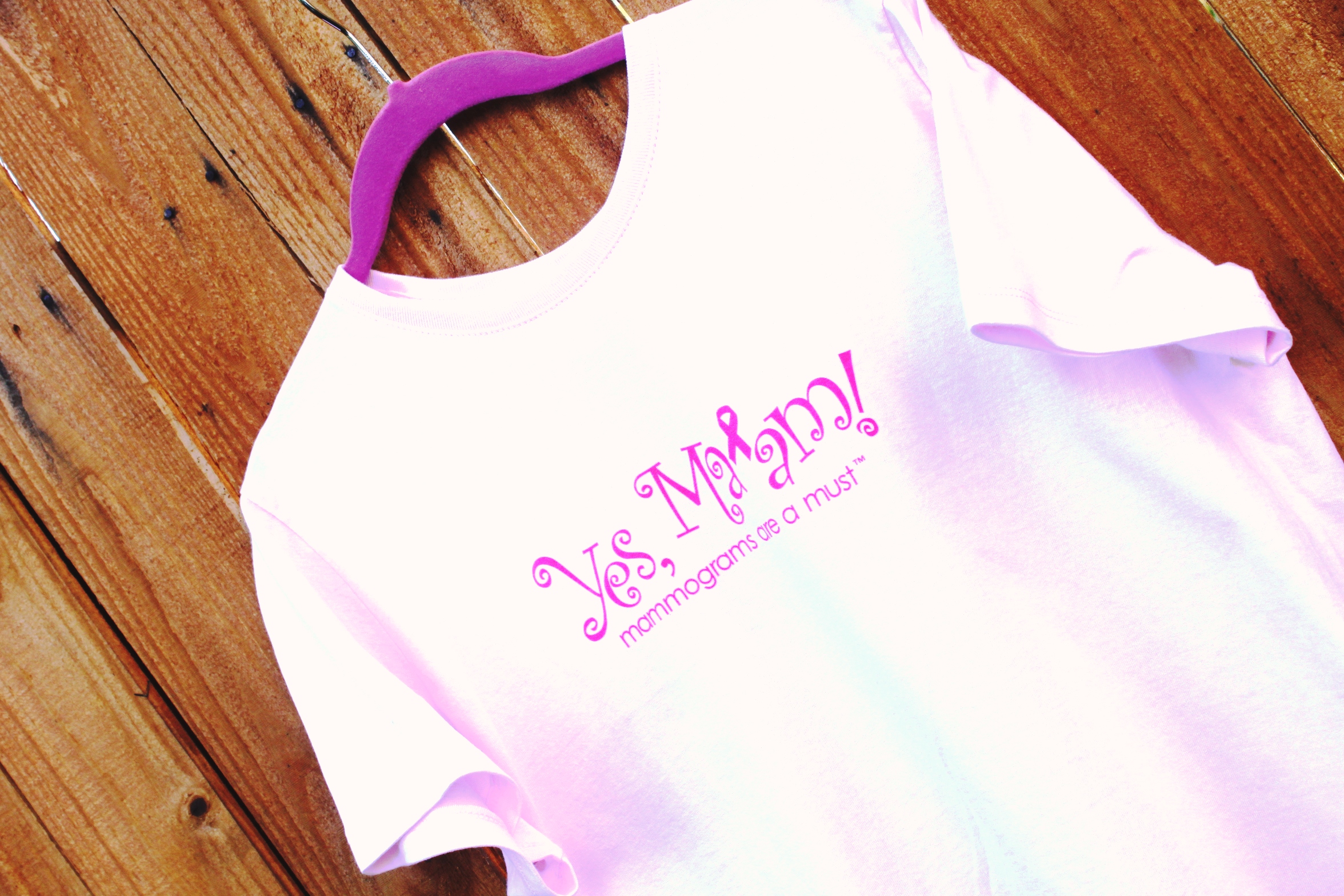
We interviewed Lee on her new endeavor with her fabulous “Yes, Ma’am! mammograms are a must” tees and also discovered a little bit about her journey through breast cancer and life after cancer.

Read this inspirational interview below (NOTE: all images in this post were provided by and are owned by Lee McCracken):

1. You started the “Yes, Ma’am! mammograms are a must” tees. Tell us a little about this unique tee and what inspired you to create it? Where do funds go for those who purchase the tee?

I admit it—I NEVER liked getting a mammogram. But then I discovered I disliked breast cancer even more! I’m a two-year survivor and a former patient of The Center for Natural Breast Reconstruction. This year, my girlfriends and I decided to be a little more organized for the Komen Race for the Cure in our home city of Charlotte, NC. We needed a name and a T-shirt.

So, I began brainstorming.

I tried to think of a fun phrase that was upbeat and also inspirational. “Yes, Ma’am! mammograms are a must” popped into my head one day in May. Of course, the apostrophe in ma’am is the pink ribbon! My girlfriends encouraged me to merchandise the tee on a local, regional—and, dare I say, national—level.

The face of the under-insured and uninsured woman has changed. Given this economic climate, many women, naturally, are putting their children first before seeing to their own healthcare needs. I want to help fund mammograms for women who don’t have health insurance. Locally, 15% (or $3 of every $20 tee sold) is going to the Carolinas Breast Cancer Fund to help women who are qualified by the Mecklenburg County Health Department.

Individuals, groups, and retail outlets who sell the tee in other cities may designate a charity in their community to receive the funds. Anyone interested should connect with me via e-mail: sales@yesmaamtee.com.

yes maam tees

2. What do you hope to accomplish through selling the “Yes, Ma’am!” tee? In other words, what is your vision for the future of the tee and its effect on women?

Wouldn’t it be fun if women all over started wearing their “Yes, Ma’am! mammograms are a must” tees to the coffee house, grocery store, and gym? It makes a sassy statement in Southern style, and people take notice. I’ve seen women look at my tee and then kind of shake their head, almost to say, “Oh yeah, I need to schedule that.”

The Facebook page is generating interest from all over the country. The tee has fans from California to Oklahoma and Florida to Vermont.

A cancer nurse once told me that when breast cancer is caught in Stages 0-1, treatment can be so much easier and survival rates soar. Let’s strive for 100% early detection!

3. What inspired you to start your own freelance writing / editing business, Joyfullee Written, at the age of 49 and what do you provide others with through this business?

I’ve been writing and editing for more than 25 years, sometimes as a freelancer and other times on staff with a local lifestyle or parenting magazine. The formal launch this summer of Joyfullee Written was my birthday gift to myself. I will turn 50 in October and, not only have I survived breast cancer, but I have also survived several other heartbreaking losses. I’m also working on a book—an inspirational memoir about self-discovery and spiritual preservation through motherhood and menopause. Joyfullee Written comes from the fact that all my inspiration and strength spills from the fountain of God’s grace.

Joyfullee Written provides professional writing / editing services to magazines and businesses. I enjoy meeting people and helping them reach their audience through a well-crafted, targeted message. And, with a passion for lifelong learning, this is helping me to keep discovering new things every day.

4. What is the one thing you want all women to know about breast cancer?

The earlier it’s detected the more treatment options women have! I HATE when I hear someone say “I’m a year overdue for my mammogram.” My Stage 1 breast cancer was caught by a mammogram, and I was fortunate not to have to endure chemo or radiation. I know everyone is busy and mammos sometimes are uncomfortable, but it’s crazy to take such a risk.

All my family members and friends know: Get Your Squeeze On!

lee mccrackenAbout Lee McCracken:

Lee McCracken lives with her husband, Stuart, of 28 years in Denver, N.C., a suburb of Charlotte. She has a 19-year-old daughter, Megan, and a 10-year-old Bichon Frise, Benny. She enjoys gardening, photography, reading and traveling. Lee’s girlfriends keep her sane!

Love the Yes, Ma,am! mammograms are a must tees? Buy one today and help spread awareness for mammograms!

Can Green Tea Really Help Fight Cancer and Help Your Heart?

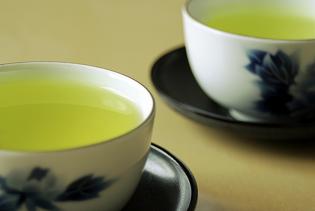
green teaFor years, green tea was believed to help keep your heart healthy and fight cancer, among other health benefits, and we’re learning more about it every year.

Catechins are the antioxidants in green tea, and they act as scavengers in your system, gobbling up free radicals that can contribute to disease. These antioxidants are abundant in green tea because it doesn’t go through the processing that other teas do. One particular catechin, epigallocatechin-3-gallate, or EGCG, was found to shrink tumors in mice in one Canadian study. Other lab studies have shown it stops cancer growth, but human trials have not proven it yet.

According to Marji McCullough of the American Cancer Society, the challenge of green tea human studies is finding populations that drink enough green tea for an adequate length of time. A few human studies have shown green tea to be effective, but most were conducted in Asia and the East, where green tea is widely used. Also, the typical Asian diet is higher in fish and soy than the standard American diet, which may influence results.

One study in Japan showed that women with Stage I and Stage II breast cancer had a lower recurrence if they drank more green tea before and after surgery. A second study in China showed that increased green tea consumption led to lower risk of several cancers including colorectal, stomach, prostate, and pancreatic. An analysis of 22 studies found that green tea could reduce risk of lung cancer.

In the case of heart disease, Japanese researchers found that four cups of green tea a day might have contributed to a reduced severity of heart disease among men in one study. A Dutch study of over 3,000 women and men found that those who drank more tea had less severe blood vessel clogging, perhaps because green tea’s antioxidants improve the flexibility of blood vessels. In addition, green tea has been found to help obesity and reduce LDL cholesterol levels, which also improve heart health.

Although the studies aren’t yet there to prove green tea’s benefits, researchers believe that the antioxidant load from green tea is beneficial. For more on green tea, click here.

What are your thoughts on the benefits of green tea?

Handling Breast Implant Infections: What You Need to Know

Dr. James CraigieThe below question is answered by Charleston breast surgeon Dr. James Craigie of The Center for Natural Breast Reconstruction.

What is the usual process for handling infections with breast reconstruction when tissue expanders are used?

Infections can occur following any type of surgery. The risk of getting an infection after breast reconstruction is low because the immune system can help defend the body from bacteria if they have invaded and are trying to multiply. Antibiotics can also be used, specifically to fight different types of bacteria, following certain surgical procedures. These antibiotics are sometimes given preventively.

When an infection does occur it is because the defense mechanisms have been compromised and the invading bacteria grow. Specifically with implants the bacteria may enter through a wound healing problem. They attach to the implant shell and hide from the bloodstream that normally delivers the body’s immune response, as well as antibiotics.

The management of this type of infection is difficult and almost always requires removing the implant. When the infection resolves and the area is healthy, then it is possible to restart the process. Usually it is 3 to 6 months before it is safe to try another implant. It is occasionally possible to save the implant when the infection has been caught early and treated with antibiotics and surgery to wash the implant pocket and to put a new one in. This approach usually involves antibiotics for a long time and uncertainty about recurrence of the infection weeks or months later when the powerful antibiotics have been discontinued.

It is important to realize that the antibiotics may resolve the outward signs of infection at first, but it only takes the surviving bacteria hiding on the implant to restart the infection when the antibiotics have been discontinued. With each new infection the bacteria may become more difficult to control because of resistance to the antibiotics. At this point, it is usually my advice to consider a new option for breast reconstruction that does not involve an implant. Usually the skin and fat can be transferred from the tummy, buttock or thighs. This can be done without sacrificing any of the important muscles. In my practice, 30 % of my patients have had problems with implants and we can successfully replace implant problems with healthy tissue and obtain a permanent natural result.

—Dr. James Craigie