Search Results for: eating

Healthy Snack Ideas for Your Day

healthy snacksHaving healthy snacks through the day help keep your blood sugar stable and avoid eating too much at meals. You’ll feel less hungry and more energetic if you fuel your body at regular intervals. Discuss snacking with your doctor or nutritionist, but we suggest going no longer than three or four hours without eating or snacking.

If you keep good-tasting, healthy snacks accessible at all times, you’ll be more likely to resist unhealthy snacking. Keep healthy snacks at your desk or in the fridge at work—hopefully far away from the candy machine!

Healthy snacks that taste good include . . .

Dark chocolate.

While you don’t want to eat a lot of dark chocolate every day, an ounce is good for your heart and for your taste buds. The higher the cocoa content, the better. Ideally, you want at least 70% cocoa, which is a strong dark chocolate.

Fruit.

Chock-full of antioxidants and vitamins, fruit is a good choice for a snack. However, fruit is high in natural sugar, so you may want to eat lower-sugar choices such as berries or apples, or eat fruit with a little bit of protein and fat. An apple with organic nut butter or string cheese is a tasty, nutritious snack.

Raw vegetables.

Any raw vegetable is a good snack choice. Many veggies are high in fiber and keep you satisfied until the next meal. Veggies are a nutritional bargain—high concentrations of nutrients for few calories. Great choices include broccoli, cucumber, and radishes, or celery with nut butter.

Gorp.

Gorp is trail mix that you prepare yourself using your favorite nuts and dried fruit. A typical recipe includes almonds, nuts, dried coconut, dried cranberries, and dark chocolate chips. It’s very simple to make—just mix the ingredients in a bowl and pack in individual serving bags if you wish.

Popcorn.

Simple to make in the microwave and enough to share, popcorn fills you up for very few calories. Beware: many commercial varieties of microwave popcorn contain partially hydrogenated oil, which you do not want to eat. You may need to go to a health food store to find a brand that does not have it.

Cheese.

While you don’t want to eat a lot of cheese on a regular basis, it is a delicious and nutritious snack. You only need an ounce. Try string cheese for a convenient and easy-to-carry snack, or for a real treat, try some goat’s milk or sheep’s milk cheese. You’ll find a little bit goes a long way.

Nuts.

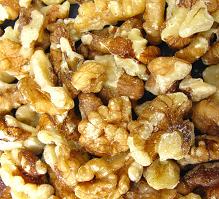
Long vilified for their fat content, nuts are a good source of healthy fats, protein, and minerals. A handful of nuts or a tablespoon of organic nut butter with cheese or apples makes a satisfying treat. If you buy nut butter, ensure that the nut itself is the only ingredient.

Love these healthy snack ideas? Share this post with your friends on Facebook.

Healthy Thanksgiving Dinner Tips

thanksgiving dinnerMany of our patients express concerns about eating a healthy Thanksgiving dinner. They don’t want to overindulge, but they do want to enjoy dinner with their friends and family. You can have your cake and eat it too if you’re careful.

Have plenty of fresh, raw veggies available.

These will play a major role on your Thanksgiving plate, so make sure you have plenty of raw vegetables and salads on the table. Good choices include broccoli, peas, beans, cauliflower, cucumbers, cabbage, and romaine lettuce. If you cook sweet potatoes or squash, use butter, not margarine, and keep fat to a minimum.

Eat an appetizer.

Don’t go to the Thanksgiving table ravenously hungry, as you’ll overeat. If you’re going to someone else’s home, have a small snack before you go, or serve appetizers if dinner is at your house. A small amount of fat will help tide you over until dinner, so try sliced avocado, nuts, or smoked salmon with a little cheese on a cracker.

Bake the turkey and eat the white meat.

Instead of deep-frying, bake the turkey and avoid eating the skin or visible fat. Eat mostly the white meat, which is lower in calories and fat than the dark meat.

Use less of the pan drippings to make gravy.

If you use half of the pan drippings in your gravy, you’ll have all of the flavor and half of the fat.

Mentally divide your plate in quarters.

Put fresh vegetables on half your plate, turkey on one quarter, and potatoes and stuffing on the remaining quarter. You’ll be able to taste everything, but with half your plate full of veggies, you’ll eat fewer calories. Eat slowly, and stop when you’re comfortably full—long before you feel stuffed.

Drink water.

Avoid the high-calorie drinks and have a simple glass of water. Dress it up with a splash of juice or a slice of lemon or lime.

Don’t go back for seconds unless it’s for veggies.

When you’ve eaten what’s on your plate, wait for a while before you go back for seconds. It takes time for your stomach to communicate with your brain that you’re full. If you’re still hungry, have more vegetables, preferably raw.

Share dessert, or have just a nibble.

If Aunt Shirley’s cheesecake is too hard to resist, have a small piece, or take a couple of bites from Uncle Dave’s piece. If you like to try several desserts, take small spoonfuls and savor them.

What are your favorite tips for eating healthy at Thanksgiving?

5 Tips for Reducing the Appearance of Cellulite

reduce celluliteCellulite is body fat that dimples the skin, and it typically shows up on females of any age. Having cellulite does not necessarily mean you are overweight; in fact, many normal-weight and underweight women have it. Cellulite can worsen as women age simply because we all tend to gain fat as we get older.

Unfortunately, nothing completely eliminates cellulite, but you can take steps to improve its appearance. Following are tips to reduce the appearance of cellulite and smooth out your lower body.

Exercise.

If you exercise, you’ll boost your metabolism, reduce fat, and add muscle, which will help the area appear taut. Work the muscles from all angles to ensure you’re reducing the cellulite evenly.

Stay hydrated.

Your body can burn and remove fat more easily if you drink plenty of cleansing, fresh water. Aim for eight glasses, spread throughout the day, and filter your water or add lemon juice to improve the taste. Cut down or eliminate carbonated beverages and replace them with water.

Eat a healthy diet and watch sugar.

Contrary to popular belief, you need a certain amount of fat in your diet, and good fats such as nuts, avocados, and salmon do not make you gain weight unless you eat too much of them. However, eating too much sugar and simple carbohydrates can make you fat, and many fat-free foods contain sugar in place of fat. Eat as naturally as possible, with a variety of protein, raw vegetables, and fresh fruits.

Stay away from monosodium glutamate (MSG), high-fructose corn syrup, and trans fats, which you’ll know by the word hydrogenated in the ingredient list. Exercise, water, and a healthy diet will not reduce cellulite overnight, but over time, you’ll see an improvement.

Try body wraps.

When you have a body wrap, your skin is massaged and covered with cloth soaked in any of a variety of natural extracts. The combination of the massage, the wrapping material, and the soaking solution soften and smooth problem areas. A wrap will not get rid of cellulite, but it will reduce the appearance and improve the smoothness of your skin. Body wraps are most effective when done at regular intervals.

Use liposuction and laser treatments to help reduce the appearance of cellulite.

As much as I wish it were true, you can’t get rid of cellulite with liposuction or laser treatments. These techniques may tend to improve the look of an affected area but often never completely eliminate cellulite.

Liposuction is a surgical procedure that removes fat cells from the body using a tiny hose similar to a vacuum cleaner. Laser treatments, often with massage or suction, break up the fat and improve circulation.

Have you successfully improved the appearance of cellulite, and how did you do it?

Nerve Recovery and Breast Reconstructive Surgery

breast reconstructionThe below question is answered by the Charleston breast surgeons at The Center for Natural Breast Reconstruction.

How long does it take for nerves to recover and for full skin sensation to return after reconstructive surgery?

During any surgery, numerous sensory nerves, generally too small to have names, are invariably cut. Depending on the extent of the surgery, this can result in numbness of the skin or other areas. This is not typically regarded as a complication, but rather an essentially inescapable result of making an incision in the body. Most of the little divided nerves literally “wither away,” and other sensory nerves eventually grow in to take their place, restoring sensation once again. This process can take anywhere from a few months to 1 – 2 years. There is no limit on how late sensation can be regained, but the longer, beyond 1 – 2 years numbness, lasts, the less likely it is that sensation will spontaneously return. Occasionally, numbness can persist indefinitely, although this is uncommon.

In addition to numbness, other symptoms such as discomfort, hypersensitivity, or chronic pain can also result as a consequence of nerve damage following any surgery. Thankfully, these complications are much rarer then numbness. While it can be very difficult to ascertain exactly what mechanism is causing discomfort, some possibilities include traction or tethering of nerves by scar tissue, or formation of a “neuroma,” which is a painful little ball of tissue at the end of a regenerating nerve.

Nerves irritated by adjacent scarring may be helped by massage, injection of local anesthetics, or simply the passage of time. Neuromas, which are thankfully extremely rare following breast surgery, usually result in pain when pressure is applied to a very specific location, and can be much harder to treat. Surprisingly, additional surgery is often not effective in treating these rare cases of chronic pain, and referral to a Pain Therapist for injectable nerve blocks may be the most effective option.

If you want to learn more about breast reconstruction, visit us on Facebook.

How to Enjoy Halloween without Gaining Candy Weight

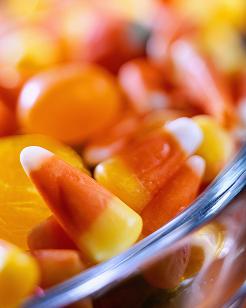
halloween candyHalloween tests everyone’s resolve to stay on track with his or her healthy eating programs. Even if you’ve been good all year, you may be tempted to snack on a few too many candy bars. Following are a few tips to enjoy some candy without regretting it later.

Eat dinner right before you take the kids trick-or-treating.

You and the kids will all be less tempted to sneak a few treats from goodie bags if you’re still full from dinner. If you’re the one giving the treats, remembering that you just ate may help you stay out of the treat bowl.

Offer higher quality treats to those who come to your door.

Instead of the typical chocolaty, sugar-heavy treats, think outside the box. Offer dark chocolate, fruit roll-ups, and snack-sized boxes of raisins and dried fruit. You may be less tempted to snack, and even if you do, you won’t be doing much damage.

Eat a healthy treat and drink a glass of water before eating candy.

If you’ve decided you want one of those Snickers bars, eat a handful of baby carrots or an apple and drink a glass of water before opening the candy wrapper. You’ll be less likely to eat too much candy because the healthy snack and water will help fill you up.

To make this step even more effective, distract yourself by doing something else for 20–30 minutes before eating the candy. Your stomach will have time to signal your brain that you’re not hungry, and that distraction might last longer than 30 minutes. If it does, and you decide you still want the Snickers, start over with the healthy snack and water.

Keep candy out of sight.

If the kids want to enjoy their candy longer than one night, ration the amount that they can keep and have them put it out of your sight. You can remove the excess from the house the next morning.

Give it away.

If candy is out of the house completely, you can’t eat it. Take it to work, drop it off at a food bank or church, or give it to a neighbor. If possible, gather it up and get rid of it the next morning. The sooner it’s gone, the sooner you won’t have to deal with the temptation.

The holidays coming up are hard enough to manage weight wise without adding an extra few days of eating candy at Halloween. What tips for avoiding Halloween weight gain can you add?

Let Bread Be Your Friend, Not Your Foe

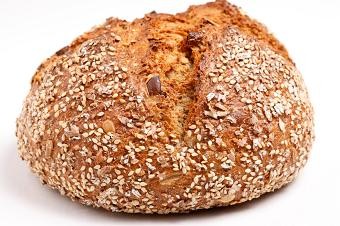
breadIn their desire to eat healthy, many people have lumped all breads and grains together and given them something of a negative reputation, which they do not deserve. This post will touch on the differences between the breads and grains you should be eating and those you should minimize.

Remember, you can eat anything you like in moderation.

We won’t tell you not to eat something, but we will suggest reducing your intake. We set ourselves up for failure when we say that we won’t eat something, because then we tend to crave it. Have a little, not a lot. Have one slice of bread instead of three, or one cup of grains instead of two. Sensible is the way to go.

Go for brown instead of white, and eat as much whole grain bread as possible.

In general, brown grains and rice are nutritionally superior. White bread and white rice have been processed, meaning they have lost some of their nutrients and fiber. The closer you can stay to the grain as it appears in nature, the better.

Whole-grain bread is better than wheat, which is better than white. To know if you have whole-grain bread, the first ingredient will contain the word whole. Sometimes wheat bread isn’t truly whole wheat—it’s mostly white bread with enough wheat added to change its color. Look at what kind of flour is used in the bread. Wild rice is healthier than brown rice, which is healthier than white.

A note about seeded breads: sometimes these are nothing more than white bread with seeds, so read the label to see which type of flour is used. And don’t let the words unbleached or enriched fool you, as they often mean processed. The key word is whole.

Check fiber content.

Bread should have at least 3 grams of fiber per slice. Less fiber means you’re not eating whole-grain bread.

Read labels.

Often, it’s not the grain that’s the issue, but the sweeteners, additives, and preservatives that have been added to the finished product. Many companies add high fructose corn syrup or hydrogenated oils and vegetable shortening (trans fats) to baked goods, so read your labels. Some bakers now avoid using those harmful chemicals in all their products.

It’s not enough for the label to say 0 trans fats, as a food can have a small amount of trans fats and claim to be trans fat free. You need to read labels.

Eat bread with proteins and fats.

As bread is a carbohydrate, it can raise your blood sugar. Eating bread with proteins and fats, especially if you choose white bread, can somewhat blunt the rise in blood sugar. Many margarines contain trans fats, so be careful what you spread on the bread.

Have you been participating in breast cancer awareness activities this month? If so, what did you do?

How to Spice Up A Boring Salad—the Healthy Way

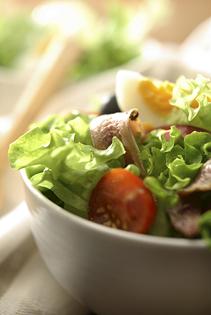
saladYou’re eating healthier by having a salad once or twice a day, but it’s getting a tad boring. What can you do to spice it up and give it a little taste pizzazz? When it comes to delicious healthy additions, you’re limited only by your imagination.

Peppers

Here you have a variety of choices, including bell peppers (green, red, yellow, orange), banana peppers, hot peppers including habanero and jalapeño, and dried peppers used as a spice. Peppers are full of fiber and antioxidants, vitamins, and carotenoids to nourish your body. Red peppers are loaded with vitamins A, C, and K, as well as lycopene. The capsaicin in hot peppers may help improve immunity and kill stomach bacteria that cause ulcers.

Nuts and seeds

Any salad tastes better with a little crunch. Nuts and seeds are rich in healthy unsaturated fats, fiber, vitamin E, and minerals including magnesium, iron, and zinc. Eat a variety of nuts and seeds to get as many nutrients as possible. Good choices for salads include sunflower and pumpkin seeds, walnuts, almonds, pecans, and pistachios.

Eggs

A hardboiled egg is only about 70 calories, and is a tasty and healthy addition to any salad. Eggs are chock-full of nutrients, including essential fatty acids that help keep your brain, eyes, and muscles healthy. The protein in eggs is high quality, and if you’re pregnant, the choline in eggs helps your child’s brain develop properly.

Fennel or Anise

This aromatic and flavorful veggie contains fiber, folate, and vitamin C, and delivers a slight licorice flavor.

Beans

Another food full of nutrients, beans will fill you up and add fiber and protein to your salad. Try black or kidney beans for a rich taste that’s never boring.

Fruit

Why not add orange slices, kiwi, strawberries, or blueberries to your salad? Fruit is high in vitamin C, fiber, and antioxidants, which give fruits and veggies their color. Eat a variety of colors, and you’ll feel incredible.

Dressing

If you’re bored with oil and vinegar, try something new. Use a different type of oil, or sample rice or balsamic vinegar. Add a few squeezes of lemon or lime juice, or try yogurt mixed with olive oil and vinegar. Add a new ingredient with a kick, such as red pepper or mustard, or buy a pepper mill and crack fresh pepper over your salad. Don’t be afraid to use spices liberally, such as Mrs. Dash or sea salt.

What do you do to spice up your salads?

7 Ways to Celebrate Pink Sunday Wherever You Are

pink sundayPink Sunday is a breast-cancer awareness program sponsored by the Susan G. Komen for the Cure ® Lowcountry affiliate and takes place Sunday, October 23, 2011. Nonprofit organizations and churches will be celebrating with their own Pink Sunday events, but we thought this was such a great idea that we’d like to let everyone know about it.

A highlight of Pink Sunday is the Commitment Challenge, which simply means that by signing the Commitment form you promise your friends and family that you’ll get a mammogram this year. The form has a space for your email address, and if you choose to include it, Komen Lowcountry will send you updates.

Ideas for celebrating Pink Sunday no matter where you are include . . .

  • Wearing pink and asking others to as well.
  • Ordering or making pink pins to give to friends and family.
  • Asking others to take the Commitment Challenge with you.
  • Collecting donations for Komen Lowcountry, or asking people to make donations online at www.komenlowcountry.org.
  • Creating a Wall of Hope with names of those who have lost the breast cancer battle and names of survivors.
  • Celebrating survivors you know with a candle lighting ceremony, pink ribbons, or flowers.
  • Asking a survivor to share her story with your family or group of friends while honoring her with a special lunch or dinner.

For more ideas and the Commitment form, visit:  http://www.komenlowcountry.org/get-involved/pink-sunday/.

Do you have any ideas to celebrate Pink Sunday?

5 Tips for Improving Skin’s Appearance and Health

skincare tipsHealthy, beautiful skin is within reach of anyone, no matter the age. A few simple tips will help your skin heal itself and glow.

Reduce sun exposure.

While a certain amount of sun exposure is a vital source of vitamin D, spending too much time in the sun can prematurely age your skin. Don’t be afraid to spend 10–15 minutes in the sun without sunblock a couple of times a week. The more skin you can expose, the less time you need to spend in the sun. Be sure to use sunscreen, cover-ups, and hats if you’re out longer.

Increase antioxidants.

While antioxidants are added to some skin products, you also want to get them from your diet. Eating plenty of vegetables and fruits of all colors gives you a full range of antioxidants, which strengthen collagen and restore elasticity to skin. Other sources of dietary antioxidants include green tea, wine, coffee, dark chocolate, and grapeseed oil.

Eat more essential fatty acids.

If you’re getting the good fats you need every day, your skin will glow and your hair will shine. The best way to get these fatty acids is to eat real food, such as avocados, fish, and nuts. Some women keep their skin supple and moist by applying coconut oil or olive oil directly to the skin. Beware: a little bit goes a long way!

Read labels and reduce the number of products you use.

Beauty products are full of chemicals, petroleum, and preservatives. Many women are switching to gentler, more natural beauty products, such as goats’ milk soap. Read your labels, and consider switching to products with fewer ingredients.

Many of us are using the same products we used when we were young adults, and we may not need them anymore. For example, toner formulated for younger skin can be drying, while cleansers may be harsh. Don’t kill your skin—cleanse it gently and rethink the products you use, including all of your makeup. Do you really need them? Could you use a moisturizing cleanser and skip a separate moisturizer?

Try mineral makeup.

In addition to using the same skin care products we used 20+ years ago, we also tend to use the same type of makeup we did as youngsters. Mineral makeup covers as well as any other foundation—even if you have acne or rosacea—and it’s better for your skin because it’s not made from petroleum and doesn’t clog your pores. Mineral makeup has fewer chemicals, is easy to use, and makes your skin glow. It’s you, just better.

When buying mineral makeup, beware of the ingredient bismuth oxychloride, as it can cause irritation or itching.

What do you do to keep your skin healthy and beautiful?

The Good Fat versus the Bad

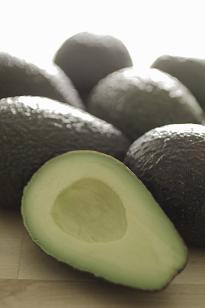
avocadoFor several years, we’ve been told to reduce or cut fat from our diets. While it seems like good advice, this message is too simplistic. A better message is to make sure we get enough good fat in our diet and cut out the bad fat. Not all fats are equal, and once you know the difference, you’ll be well on your way to better health.

What is fat and why do we need it?

Essential fatty acids (EFAs) are just that: an essential part of our diet like protein, carbohydrate, vitamins, and minerals. EFAs cannot be produced by the body and must come from food. The truth is that you need a certain amount of fat to be healthy. In addition to providing energy and insulation, fat has several functions in the body:

  • Your body needs dietary fat to transport and use the fat-soluble vitamins A, D, E, and K. These vitamins keep your eyes, skin, blood, kidneys, and bones healthy.
  • Dietary fat, particularly omega-3 fatty acids, reduces symptoms of inflammatory conditions such as arthritis.
  • Fat helps the body synthesize hormones, and it promotes healthy cell function.
  • Children need fat to develop normally, both physically and mentally.
  • Fat slows digestion and helps your body absorb nutrients.
  • Your brain needs fat to function, and nerves are covered with a substance made from fat.
  • Omega-3 fatty acids reduce depression, dementia, and memory problems.

Unfortunately, many people have been led to believe that any food with fat should be avoided, which has spawned an incredible number of “fat-free” foods. Fat gives food flavor, so to replace this flavor, manufacturers add sugar—not a good tradeoff.

Which are the good fats?

Good fats come in many foods, such as avocados, nuts and seeds, and fish. Moderation is the key. Don’t be afraid to cook in olive or coconut oil, which are more stable at high temperatures than vegetable oils. Go ahead and put real butter on your toast, and eat nut butters, olives, and fatty fish such as salmon. Put some real cream in your coffee.

The bad fat you want to avoid

Trans fats are found in stick margarine, vegetable shortening, and most packaged or processed foods. Trans fats are created in a laboratory by forcing hydrogen through vegetable oil to make it solid at room temperature. These fake fats increase inflammation in your body and can raise cholesterol.

Food manufacturers can claim a product has no trans fats if it has less than 0.5 grams per serving, so reading labels is vital to avoiding trans fats. If you see the words “partially hydrogenated” or “hydrogenated,” don’t eat it.

Loved this post and want more tips on healthy eating? Visit us on Facebook!