Search Results for: eating

The Truth behind High-Fructose Corn Syrup

high fructose corn syrupHigh-fructose corn syrup (HFCS) is corn syrup that is processed to convert some of its glucose into fructose to make it sweeter. HFCS is the sweetener of choice for most food companies, and is found in everything from bread to baby food. It has replaced sugar (sucrose) in processed food and baked goods because it costs less than sugar.

HFCS has become controversial recently because of its widespread use in products that one wouldn’t expect to contain sugar. As studies have found an alarming number of ill effects that appear to be caused or worsened by HFCS, such as higher triglycerides, greater insulin resistance, increased abdominal fat, and elevated blood pressure, the food industry and corn growers maintain that HFCS is safe, even preferable to cane or beet sugar. HFCS has also been linked to weight gain in a Princeton animal study.

As noted, the effects of HFCS are controversial and still being studied, but one fact remains: the amount of sweeteners in our food today is very high—we’re simply eating too much sugar in general. Most HFCS consumption is in the form of soft drinks. According to the USDA Economic Research Service, in 2003 the average American consumed 63 pounds of HFCS, 75% in soft drinks. As the use of HFCS has exploded over the past decade, that number is likely to be much higher today, and does not include all the other sugars that we consume, most of which have no nutrient value.

Some food manufacturers are removing HFCS from their products, which is an encouraging step, but we’d like to suggest that you become vigilant about your sugar intake. A good place to start is to reduce soft drink intake; read labels; avoid sugar, especially HFCS, whenever possible; and eat whole, fresh foods whenever you can. The less your food has been processed, the healthier it is.

When you’re reading labels, anything with the word syrup or sweetener (or ending in –ose) is a sugar. Some other sugars and sugar derivatives to watch for are maltodextrin or dextrin, sorghum, brown rice syrup, agave nectar, treacle, xylose, fruit juice concentrate, and dehydrated cane juice.

Have you reduced your intake of HFCS?

Having a Positive Outlook on Life Before, During, & After Breast Cancer: Interview with Leslie Haywood

Leslie Haywood

Leslie Haywood

We are SO excited to share with you Part II of our interview with Leslie Haywood, creator of Grill Charms™. For those of you who have not yet read Part I of this interview, Leslie shared her story as a breast cancer survivor and explained how she started a successful company while undergoing treatments.

We absolutely love how Leslie can be so inspirational and funny at the same time!

If you missed Part I of this interview, click here.

See below for Part II of our exclusive and highly inspirational (not to mention, hilarious!) interview with Leslie Haywood:

1. Your first Grill Charms™ sale was somewhat unexpected! Tell us where you were and how you sold your first Grill Charms™.

Oh yes! My most memorable sale to date! I was in the office for my final “procedure,” if you will. I was in The Center for Natural Breast Reconstruction office for my nice pinkish brown tattoo. As you can imagine, I have known all the folks at Dr. Craigie’s office  for over a year by then (and  pretty intimately I must say), so in an effort to help me think about anything other than what she was doing, the nurse asked about how my brand new business was going. Her distraction technique worked! I instantly forgot the discomfort and gave her the complete rundown of Grill Charms™, ending with: “I have a set to show you in my purse over there!”

By the time the nurse was done waving her buzzing magic wand all over my reconstructed girl parts, she said “I need 5!”  I immediately jumped off the table (still half dressed), showed her the set out of my purse, and right then and there, with my cell phone calculator (yep, still topless) I totaled up everything plus tax and she wrote the check on the spot. After our business transaction was done, she helped me with the bandage / pad etc. and I put my clothes back on. I can’t imagine any other sale being quite as “interesting” as this one. Obviously I’m not opposed to be doing business topless, but thankfully I have not had to resort to that since!


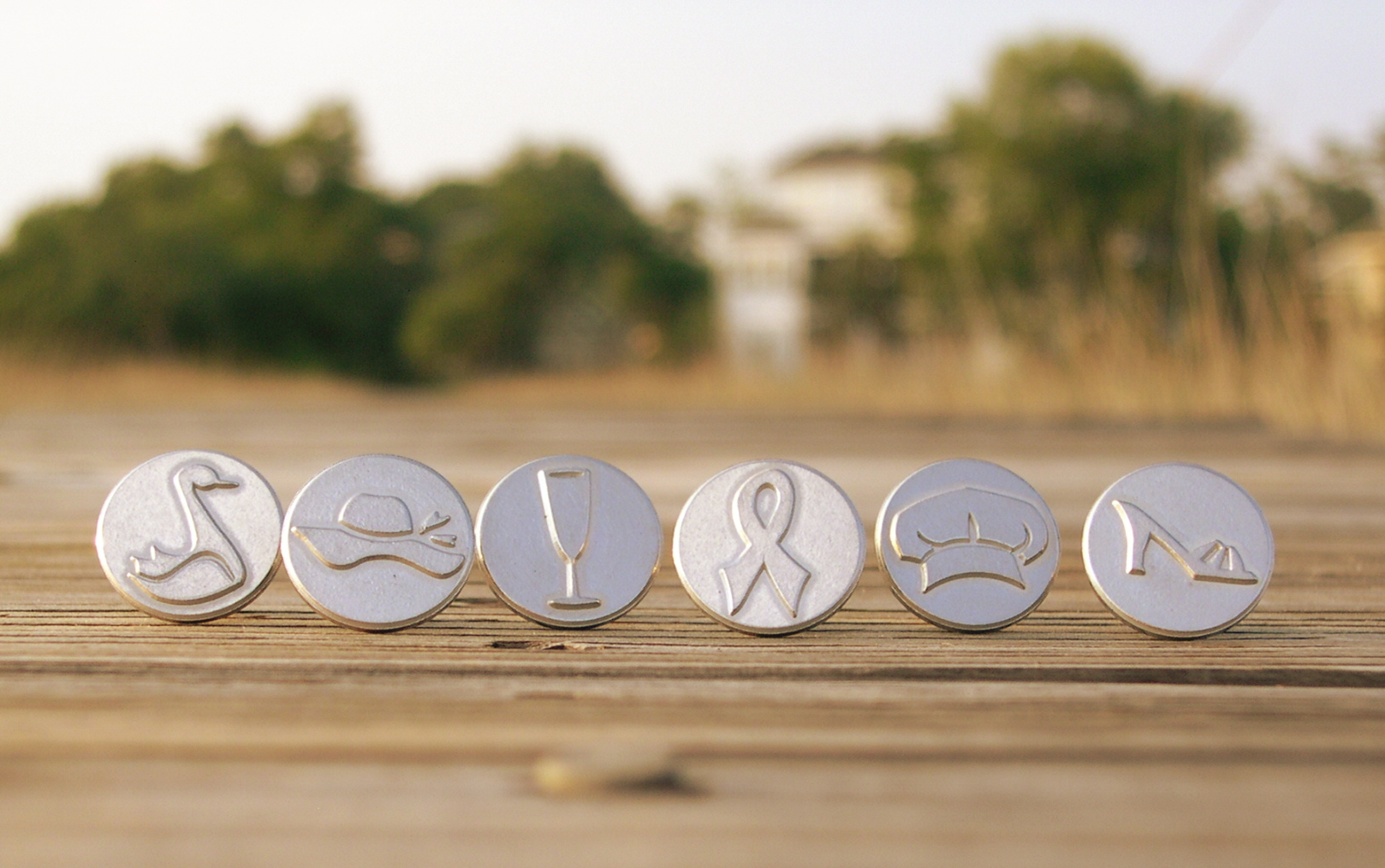
Grill Charms pink collection

Grill Charms Pink Collection

5. How did you decide which type of breast reconstruction surgery you wanted?

Because of my family history, I feel like I was at an “advantage” (if you can call it that!). I have had YEARS to consider and decide how I would handle a breast cancer diagnosis. Back when my mother had her treatment and reconstruction, there were very few options and she pretty much did what she was told (mastectomy and implant).

I saw what 20 years had done to her reconstruction and had always wanted better for myself. I didn’t like the idea of an implant being in me for all eternity and also knew that I wanted “symmetry” for the rest of my life, so both boobs would HAVE TO GO! The fact that my “baby pooch” would be used to make my new breasts and the fact that I’d have the stomach I used to have in my 20’s, was a BONUS!

Oh, another little story about the surgery (**For those of you who know me, you know I’m the queen of TMI, so you’ll have to excuse my “frankness” when it comes to what some might view as sensitive topics. I apologize if my candor and tone offends anyone.).  Okay… so when the decision was made and we knew that “natural breast reconstruction” was the way to go, and that “belly fat” was where my new breasts were going to come from, I talked to my husband about “size.”  He said “porn star, please” and I said “NO WAY,” but I did want something to show off.  I really wanted to make sure that Dr. Craigie had enough “material” to work with, so I went on an 8-week eating FRENZY!

My family would watch me getting 2nds and 3rds of my favorite food, STEAK! They’d say “Leslie . . . slow down there girl!” and my reply was always the same, “Shut up! I’M MAKING BOOBIES!” For those 8 weeks, food and I had a magical relationship! Ahhh…. I miss those days!

Now what I DID NOT take into account with natural breast reconstruction was how my breasts would look after the surgery. With my tummy flat and my new natural breasts a fabulous B+ maybe C, I wanted do right by my “second chance” and  eat right and exercise to keep it. I have never been more fit in all my life! BUT, because the new breasts are “all natural,” when I started to lose all that “boobie making weight” and toned everything up, my new breasts acted exactly like my old ones. There was a little shrinkage factor! So now I’m more like an A+ to a B-, but I have never been happier with my body and I have never been more in shape in my entire life! Just look how awesome they are! THANKS Dr. Baron for saving my life and thanks Dr.Craigie for making me look and feel better than ever!

6. What would you tell women who have had a mastectomy or are planning on undergoing one about natural breast reconstruction?

You owe it to yourself to at least learn about natural breast reconstruction and fully understand this option. Knowledge is power and you will never regret finding out about what you don’t know. There has not been a single SECOND that I wish that I had done things any differently. Natural breast reconstruction was the absolute best option for me, NO QUESTION!

About Leslie Haywood and Grill Charms™:

Leslie Haywood is founder and President of Charmed Life Products, LLC, and inventor of Grill Charms™. Leslie was a stay-at-home mom when a very spicy light bulb moment thrust her into the entrepreneurial ring. During the start up phase of her company, she was diagnosed with breast cancer, but still managed to launch her product on store shelves within 18 months and is now sold in over 400 stores internationally. She has been featured numerous times on CNBC, various local and regional news programs, as well as ABC’s prime time reality TV show Shark Tank seasons I and II. Her story and product have publicized in such magazines as Everyday with Rachael Ray, Parenting magazine, Health magazine, Inventors Digest, and was also featured on The Today Show. All the while she is mindful of “the cause,” whether it’s giving back through “The Pink Collection” of her gift and grilling accessory Grill Charms™, or her work as Honorary Chair for The Race for the Cure .

Leslie’s Special Offer:

***Put “natural” in the coupon code of www.grillcharms.com for 10% off!***

If you loved this post as much as we did, share it with your friends on Facebook.

Is Seafood on Your Menu at Home? 5 Reasons It Should Be

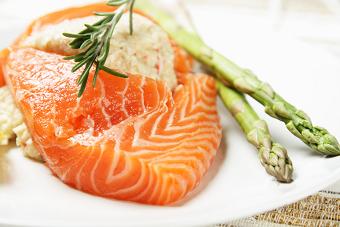
seafoodSeafood is one of the healthiest foods you can eat and is full of good fat, vitamins, and minerals. Some species of seafood, such as shellfish, have unfairly earned a reputation as an unhealthy food. Nothing could be farther from the truth. Shellfish are a good low-fat source of protein, and except for shrimp, are low in cholesterol. People in Nordic countries and in Asia who eat high levels of fish live longer and are healthier than the rest of the world. They have lower rates of certain cancers, such as breast, pancreas, lung, and colon.

For best results, eat fish at least twice a week to receive the highest level of benefits.

Fish is one of the best heart-healthy foods.

The Omega-3 fats found in fatty fish such as salmon, trout, herring, and tuna are polyunsaturated, which protect against heart disease by lowering cholesterol and triglycerides. Fish reduces blood clotting, which lowers the risk of heart attack and stroke. The fats also keep arteries elastic, which reduces blood pressure and coronary disease.

Fish oil reduces inflammation.

Inflammation plays a role in various diseases, such as arthritis, diabetes, fibromyalgia, and hypertension. In fact, most autoimmune diseases and many chronic disorders have been linked to inflammation, which is caused by poor diet, environmental toxicity, and stress. Omega-3 fatty acids reduce inflammation and help treat or prevent these diseases.

Seafood has high levels of essential vitamins and minerals.

Eating a variety of seafood gives you a full range of vitamins and minerals. Oysters are a good source of vitamins A, B, and D, magnesium, and calcium, and crab, shrimp, clams, and mussels are high in zinc and iron. These nutrients ensure good eyesight and healthy muscles and skin.

Fatty acids in fish keep your brain healthy.

Omega-3 fatty acids increase blood flow to the brain and prevent Alzheimer’s disease and dementia. Children who consume seafood tend to perform better in school, and the incidence of depression tends to be lower in those who eat seafood.

Omega-3s keep kids healthy and strong.

Pregnant women who eat a variety of seafood tend to have full-term, healthy babies with lower rates of asthma. Doctors believe that fish oils control allergens in the body. Even if a woman doesn’t eat seafood during pregnancy, the allergy control benefit occurs if the child consumes fish oil daily.

As with any food, the fresher the seafood, the better. There is a chance of mercury contamination in some fish, but the benefits outweigh the risks. To reduce mercury, choose fish that is wild caught, and eat fish lower on the food chain, such as sardines and herring. Predatory fish, such as swordfish and mackerel, will have the highest levels of mercury because they eat the smaller fish, so mercury builds up in the larger fish’s body.

What is your favorite fish?

Garden Your Way to a Happier and Healthier Life

gardeningSummer is the time of year for a variety of fruits and vegetables, and you can’t find healthier, fresher, or more delicious produce than what you grow yourself. Gardening has many benefits besides providing delicious, fresh food—it helps you relax, lose weight, save money, and stay strong as you get older.

Create a slimmer, healthier you.

Gardening is good strength training and cardiovascular exercise, and it reduces blood pressure, relieves stress, and improves flexibility. It helps you stay at a healthy weight, and some gardeners say their garden teaches them patience. The earlier you begin gardening, the more beneficial it becomes as you age. Researchers at Kansas State University found that older adults who garden have better hand strength than those who do not.

Relax and enjoy yourself.

People enjoy gardening because it puts them in tune with nature and relaxes them. It’s a favorite hobby, and they often spend hours tending their garden. Eating the food is a wonderful bonus, but the process of growing the garden is what they love.

Know what you’re eating.

When you grow food yourself, you control which fertilizers, pesticides, herbicides, and fungicides are used (if any). You know exactly what you’re eating because you bought the seeds and were there throughout the growth cycle. When you buy produce, you don’t know how it was grown or which chemicals were used.

Enjoy food at its freshest.

Having a garden means you can walk outside, pick your food, wash it, and eat it—or sit in your yard and enjoy it right off the bush or out of the ground. It’s at its peak of freshness and taste, and you receive the full benefit of its nutrients. When you buy your produce elsewhere, it’s at least a few days old, and as it ages, its nutrient load decreases.

Save money on groceries.

Whether you buy from the supermarket, health food store, or farmer’s market, fruit and vegetables are expensive. When you grow your own, you may spend a significant amount of money in tools to start, but in following years, all you need to buy are seeds, starter plants, and fertilizer. You can grow a full garden for what it costs for one trip to the store.

Gardening is therapeutic, rejuvenating, and allows you to not only save money on groceries, but also eat the healthiest food possible. In addition, you can cultivate a happier social life and have plenty of dinner parties with all the fruits and vegetables you grow!

If you want more tips on how to lead a happier and healthier life, Like us on Facebook!

Essential Vitamins for Your Health

vitaminsYou’ve heard about essential vitamins all your life, from health classes to discussions on news and talk shows. Depending on which stage of life you’re in, your vitamin needs may vary, and a deficiency in any single vitamin can cause health issues.

Vitamins are chemicals that aid specific functions in your body. They play a major role inside your cells, and to be healthy you need optimal levels of each vitamin. Except for Vitamin D, which your body can make from sunshine, you need food or supplements to provide the full range of vitamins. Check with your doctor before supplementing. Following is a list of vitamins and their functions in the body.

Beta-carotene converts to vitamin A and keeps eyes, bones, skin, and tissue healthy and strong. Green leafy vegetables and orange-colored foods such as carrots and cantaloupe are high in beta-carotene.

Beta-carotene is part of the antioxidant group, which helps protect cells from unstable molecules in the body called free radicals. Other antioxidants include lycopene, found in tomatoes, and vitamin C.

Vitamin B6 aids in brain function, memory, and metabolism, while vitamin B12 helps cells divide normally. Vegetarians commonly have low levels of B12, as it is found only in animal sources such as eggs, meat, and cheese. Good sources of B6 include bananas, seeds, and beans.

Folic acid, or vitamin B9, is especially important for women of childbearing age because it reduces the risk of birth defects. Food sources of folic acid include dark green vegetables, melons, beans, and eggs. If you smoke, drink significant amounts of alcohol, or use oral contraceptives, a folic acid supplement will help maintain optimal levels in your blood.

Vitamin C helps produce red blood cells and heal the body. Many fruits and vegetables contain some vitamin C, but citrus fruits, peppers, broccoli, and tomatoes are especially high. If you tend to have high levels of stress, you’ll want to eat plenty of foods with vitamin C, or supplement it, because stress depletes vitamin C levels.

Vitamin D keeps bones strong by regulating calcium and phosphorus levels. Sunlight is the most effective way to help your body make vitamin D. Exposing as much skin as possible to the sun (without sunscreen) for 10–15 minutes several times a week will activate vitamin D production. During the winter, or any time you can’t get sunlight, taking cod liver oil is a good source of vitamin D. Carlson’s makes a pleasant tasting oil that can be found in health food stores or online.

Vitamin E maintains cell membranes and red blood cells. Nuts and seeds, cod-liver oil, and wheat germ are good sources of E.

Vitamin K promotes normal blood clotting and maintains strong bones in older people. Green leafy vegetables and fish oil are good sources.

Eating a variety of whole, fresh food is the best way to get the full spectrum of vitamins, but taking a supplement is a good nutrient insurance plan. Keep in mind that the more colorfully you eat, the more vitamins you’ll get. Eat at least five servings a day or orange, yellow, purple, green, and red fruits and vegetables. The nutrients give foods their colors.

What vitamins do you take and suggest for others?

5 Ways to Avoid Diabetes

diabetesType 2 Diabetes is one of the most prevalent serious diseases in the United States. Diabetes is responsible for a range of complications, such as blindness, amputation, kidney failure, stroke, and heart disease. The American Diabetes Association estimated that diabetes contributed to over 230,000 deaths in 2007.

Type 2 Diabetes is a chronic metabolic disease caused by insulin resistance. When we digest food, glucose (sugar) enters the bloodstream to be carried to the cells of the body. The pancreas secretes an appropriate level of insulin to help the glucose enter the cells, much like a key fits a lock. High levels of glucose require the pancreas to secrete high levels of insulin.

If there are prolonged levels of high glucose, sometimes the cells become resistant to insulin and the glucose cannot leave the bloodstream, which in turn prompts the pancreas to secrete even more insulin. These elevated blood glucose levels are the cause of Type 2 diabetes.

While being overweight or having a family history of diabetes may raise your risk of developing diabetes, it is preventable with knowledge and just a few lifestyle changes.

Check your glucose and your family history.

Insulin resistance can progress to full-blown diabetes with no warning, so if you’re over age 45, it’s a good idea to go to the doctor at least once a year and have your glucose levels checked. If you have a family history of diabetes, glucose checks should start no later than age 40.

Watch your diet.

Healthy eating is one of the best ways to ward off insulin resistance and diabetes. Eat more fresh fruits and vegetables, and minimize your intake of junk and snack foods. Avoid high-fructose corn syrup and partially hydrogenated oils, and minimize sugary drinks and soda. Choose whole grains such as oats, barley, and wild rice, and buy leaner meat, such as turkey, bison, and fish.

Become a label reader and study the ingredients in the foods you eat. The more real food you can eat, the better. Buy less processed food, and if the label shows ingredients you can’t pronounce, reconsider buying that food.

Do some kind of physical activity every day.

Exercise helps keep your blood glucose low, reduces your risk for diabetes, and keeps your heart and lungs healthy. You don’t have to run 20 miles a day to reap the benefits of daily physical activity, but you do need to move. The key is to do something you enjoy every day, whether it’s playing tennis, walking the dog, or dancing.

Maintain a healthy weight.

Being overweight increases your Type 2 diabetes risk, as well as the risks of heart disease and stroke. Even a small weight loss of 10 or 15 pounds can reduce your risk. Follow the dietary and exercise recommendations above, and set realistic goals for weight loss. Every small step takes you closer to your goal, so keep going even if you get frustrated. Find a support system to help you stay on track.

Stop smoking.

Smoking raises your blood glucose levels and contributes to insulin resistance. This is why people who smoke often aren’t hungry. To stop smoking, call your state’s tobacco quit line. In addition to valuable coaching help to quit, many states offer free or low-cost aids such as nicotine patches and gum. Keep in mind that once you stop smoking, not only does your risk for diabetes go down, but your risks of heart disease, stroke, and cancer are also reduced.

Did you find this information valuable and want to receive more health and wellness updates? Subscribe to our blog.

When and Why to Choose Organic Foods

organic foodOrganic foods, generally speaking, are grown with fewer chemicals or hormone treatments than supermarket foods. Typical chemicals and additives include growth hormone, antibiotics, pesticides, and herbicides.

Obviously, we would all like to eat wholesome, naturally-grown foods for every meal, but they can be hard to find. Livestock animals eat unnatural diets to make them heavier and ship them to market sooner, and they’re injected with hormones and antibiotics. Fruits, vegetables, and grains are genetically modified to grow faster and larger, and they’re sprayed to keep pests and fungus away.

Organic foods can be significantly more expensive than supermarket foods, and you may wish to vary your eating with the seasons, as organic produce in season is less expensive. If you have a farmer’s market in your area, you’ll find very fresh, organic produce for a reasonable price. Local sources for meat and dairy products are often organic as well, but may not be available in some areas.

You might be asking yourself whether you have to buy everything organic. Certain foods are treated with more chemicals than others, and these are the foods that you should consider buying organic. For these foods, washing, peeling, and cooking do not significantly reduce chemical residues, so these foods are called the dirty dozen or the crucial dozen:

  • Peppers
  • Celery
  • Grapes
  • Fruits with pits, such as apricots, peaches, and nectarines
  • Farm-raised meats such as beef, chicken and pork
  • Potatoes
  • Dairy products
  • Coffee
  • Berries
  • Apples and pears
  • Tomatoes and carrots
  • Spinach and salad greens such as lettuce and kale

No matter the source, be sure to wash all produce with a fruit and vegetable wash, which can be found at most supermarkets and health food stores.

For foods with low pesticide residue levels, buying organic isn’t as vital. These dozen foods lose the residue with thorough washing, peeling, or cooking:

  • Onions
  • Bananas
  • Kiwi
  • Corn
  • Mango
  • Melon
  • Grapefruit
  • Pineapple
  • Asparagus
  • Broccoli
  • Cabbage
  • Avocados

While organic is ideal, it’s not always necessary to spend the extra money. Which foods do you buy organic, or not?

Healthy Brunch Ideas

healthy brunch ideasBrunch is the perfect time to eat healthy. From fruit to whole-grain muffins and Canadian bacon to turkey sausage, an endless variety of food works for brunch. We’ve come up with a dozen delicious options to help you stay on your healthy eating plan.

Multi-grain pancakes and waffles contain anything you want them to: oat, buckwheat, whole wheat, cornmeal, flax seed, or spelt. Use whole grains as much as possible, and don’t be afraid to add blueberries to those pancakes!

Whole-grain muffins give you the texture and taste you want in a healthier package. Use applesauce or mashed bananas to replace the fat during cooking, and use all-fruit spreads or nut butters on top.

Turkey bacon and sausage add low-fat protein and delicious flavor to quiches, casseroles, and scrambles.

Smoothies are the perfect way to blend your favorite fruits with protein powder, juice, yogurt, or even ice cream. Try several recipes, as there are hundreds of ways to make a tasty smoothie.

Tofu can replace meat in almost any dish. It can also be marinated and barbecued or used in place of cheese.

Canadian bacon has incredible flavor and one-third the calories of regular bacon. It’s also much lower in fat and sodium.

Vegetables of any kind add nutrition, color, and flavor to egg dishes, salads, and side items. Omelets and quiches are an ideal place for a variety of veggies. Try to eat as many different colors as possible to ensure you’re getting the full spectrum of antioxidants and nutrients.

Fruit is a brunch favorite and is used for everything from fresh-squeezed juice to tarts. Like vegetables, be sure to eat a variety to take advantage of the excellent nutrition fruit offers.

Nut and fruit butters and all-fruit spreads are healthy substitutes for butter and high-sugar jellies and jams. Choose from all-natural peanut butter, almond butter, cashew butter, apple butter, and spreadable fruit. All are available in stores, but read labels carefully: nut butters should have only one ingredient: the nut itself. Ingredients on the fruit butters and spreadable fruit will vary, but there should be only a few ingredients with no added syrup, sugar, or oils.

Quiche is a delicious, healthy main course, perfect for any type of food you want to put in it. Eggs, vegetables, meat, cheese, and tofu are common ingredients, and quiche invites experimentation with flavors, ingredients, and spices. A casserole is also a good option for a quick and easy brunch dish.

Wild or game meat adds unique flavor and healthy protein to any dish. Game is naturally low in fat, and does not receive antibiotics or hormones. Game meat includes venison, elk, bison, moose, alligator, and wild boar.

Real eggs are one of the healthiest foods you can eat and full of protein, vitamins, and minerals. Eggs are versatile and can be cooked a number of different ways: fried, scrambled, sunny side up, hard- and soft boiled, and poached.

Keep in mind that how you cook and serve is just as important as what you cook and serve. Stay away from partially hydrogenated oils, such as margarine. Coconut oil and olive oil are good choices for both cooking and serving. Real butter, low-sugar syrup, and cream cheese in moderation add a delightful taste to the table. And of course, stay away from high-fructose corn syrup.

Like us on Facebook for more healthy eating tips.


7 Ways to Beat Stress

stress reliefStress adversely affects every aspect of your life, from your health to your relationships. Many people don’t realize how stressful their lives are, and they don’t know how to deal with or reduce their stress. Let’s explore seven ways to improve your life by beating stress.

Determine your stressors.

We all have different areas of our lives that cause stress. While you may not be able to change stressful situations, by identifying your stressors, you can develop a plan to deal with them as effectively as possible. For example, if work causes stress, you can go to the gym after work to release tension with a workout, or leave the building for lunch to get away from your desk for a few minutes.

You might be able to change your response to stressors by altering the situation to make it easier to bear. For example, if visiting the doctor during the day is stressful because you need to go to work afterward, perhaps you can meet the doctor in the evening or on a weekend day. If you become agitated during rush hour traffic, try a new route or travel at a different time.

Avoid people, places, and things that upset you.

We all have people who make us uncomfortable or tasks we dislike doing. When those aggravations become stressful, it’s time to take matters into your own hands. Rethink whether it’s necessary to have dinner with the neighbor who criticizes your cooking. Perhaps it makes sense to find an accountant to do your taxes or a detailer to wash your car. Delegating tasks and avoiding stressful people not only reduce your stress, but they also give you a marvelous feeling of freedom.

Know your limits.

Be realistic about your time and what you can do, and say no when you need to. When you’re at your limit, additional items on your to-do list become stressors. Stand your ground and be assertive when you need or want to say no.

Give yourself a treat.

Integrative therapies such as massage, reflexology, and aromatherapy help to reduce stress, lower blood pressure, and relax you. They’re also fun and rejuvenating. Find a certified practitioner or visit a spa, keep an open mind, and give it a try.

Turn off the noise.

Unplug and spend at least 30 minutes alone and quiet every day. We’re all bombarded by technology and advertising, and it’s overwhelming. When you get away from the constant noise, you’ll feel your stress melt away. Spend that time doing what you enjoy, whether it’s a walk or a hot bubble bath. Unwind and enjoy.

Tune out negativity.

Do you really need to watch the 10 pm newscast each night or read the paper every day?  The news is mostly negative, which raises your stress levels. Your mind doesn’t need any more input on weather disasters or the latest political upheavals around the world. Don’t take on the world’s problems as your own. Rather than watch the news, find a comedy or cartoon to watch. Better yet, turn off the TV and read a book.

Experiment to find your best release.

Some women relieve stress by laughing or crying, and others find exercise or art to be their release valve. You may need to try a few different outlets to relieve stress, such as watching classic TV comedies, renting a movie that makes you cry, painting, or going to the gym. You may find one perfect stress reliever, or you may decide a combination of activities helps.

As you work through your stress, stay positive. Negativity is an unhealthy stressor and can creep into areas of your life that aren’t stressful. An upbeat attitude will do wonders to combat stress and help you feel healthy and at your best.

What do you do to combat stress?

The Importance of Sleep and How to Get More of It

sleep apneaWe know we need it, but we don’t get enough. Sleep can be elusive, and most of us have problems sleeping occasionally. According to the National Sleep Foundation (NSF), at least 40 million Americans suffer from sleep disorders, and 60 percent of adults report having insomnia at least a few times a week.

While the occasional sleepless night is nothing to worry about, the Harvard Women’s Health Watch reported that chronic insomnia decreases the immune system and leads to health problems such as weight gain and hypertension. These health issues, as well as medication and painful disorders such as arthritis, often result in continued insomnia, creating a vicious cycle.

Other health issues linked to sleep loss include:

  • Impaired memory and learning problems.
  • Less effective decision-making.
  • Daytime drowsiness, thought to affect some 40% of adults per the NSF.
  • Irritability, anxiety, and impatience.
  • Mood swings.
  • Higher stress levels.
  • Diabetes.

The need for sleep varies, with an average of eight hours being the ideal for most adults. Shift workers, truck drivers, medical professionals, and teens and young adults tend to live on less sleep than they truly need, causing problems for themselves and others.

While quantity of sleep is important, quality of sleep is vital to your health. You’re better off sleeping soundly for 7 hours than sleeping restlessly for 9 hours. You can take some simple steps to improve both the quality and quantity of your sleep:

  • Avoid strenuous exercise, alcohol, and caffeine at least four hours before bed.
  • Keep a regular sleeping and waking schedule, even on weekends.
  • Reconsider keeping a television or computer in your bedroom. The light from the screen can disrupt sleep.
  • Make sure your mattress is comfortable, turn it regularly, and replace it after 5–7 years.
  • Keep your room as dark as possible and slightly cool.
  • If your sleep partner tends to toss and turn, consider a larger bed or one of the newer beds that has dual controls for firmness. These modern beds tend to minimize disruption of your sleep if your partner is restless.

While short-term insomnia is usually not an issue, continued sleeplessness may indicate a problem such as sleep apnea or narcolepsy. Most sleep disorders go undiagnosed, and could be discovered and treated with a simple test at your local hospital or sleep center. If you have insomnia more than once a week, talk to your doctor about a referral for sleep testing.

For more tips on health and wellness, subscribe to our blog.