Search Results for: history of breast cancer

Your Most Frequently Submitted Ask the Doctor Questions Answered

ask the doctorWe at The Center for Natural Breast Reconstruction look forward to answering your questions each Friday.  We have decided to bring back our most frequently asked questions and once again share the answers with you. The questions below were answered by the team at The Center for Natural Breast Reconstruction.

I’d like to have a mastectomy to reduce my risk of breast cancer.  Will my insurance company pay for it?

Most insurance companies do have criteria under which they will consider a prophylactic mastectomy medically necessary—as a reminder, if they pay for your mastectomy they must also cover a reconstructive procedure of your choice. There are always exceptions to this rule, as outlined in WHCRA 1998, but this law does protect the majority of women insured in the United States.

I’ll highlight some of the actual criteria obtained from medical policy documents from some of the nation’s largest insurers. This is a pretty comprehensive list but it’s always a good idea to consult your plan’s medical policy documents to determine their specific coverage criteria prior to undergoing any medical / surgical procedure.

“BIG INSURANCE CO #1” covers prophylactic mastectomy as medically necessary for the treatment of individuals at high risk of developing breast cancer when any ONE of the following criteria is met:

Individuals with a personal history of cancer as noted below:

Individuals with a personal history of breast cancer when any ONE of the following criteria is met:

  • Diagnosed at age 45 or younger, regardless of family history.
  • Diagnosed at age 50 or younger and EITHER of the following:
    • At least one close blood relative with breast cancer at age 50 or younger.
    • At least one close blood relative with epithelial ovarian, fallopian tube, or primary peritoneal cancer.
  • Diagnosed with two breast primaries (includes bilateral disease or cases where there are two or more clearly separate ipsilateral primary tumors) when the first breast cancer diagnosis occurred prior to age 50.
  • Diagnosed at any age and there are at least two close blood relatives* with breast cancer or epithelial ovarian, fallopian tube, or primary peritoneal cancer diagnosed at any age.
  • Personal history of epithelial ovarian, fallopian tube, or primary peritoneal cancer.
  • Close male blood relative with breast cancer.
  • An individual of ethnicity associated with higher mutation frequency (e.g., founder populations of Ashkenazi Jewish, Icelandic, Swedish, Hungarian, or Dutch).
  • Development of invasive lobular or ductal carcinoma in the contralateral breast after electing surveillance for lobular carcinoma in situ of the ipsilateral breast.
  • Lobular carcinoma in situ confirmed on biopsy.
  • Lobular carcinoma in situ in the contralateral breast.
  • Diffuse indeterminate microcalcifications or dense tissue in the contralateral breast that is difficult to evaluate mammographically and clinically.
  • A large and / or ptotic, dense, disproportionately-sized contralateral breast that is difficult to reasonably match the ipsilateral cancerous breast treated with mastectomy and reconstruction.
  • Personal history of epithelial ovarian, fallopian tube, or primary peritoneal cancer.
  • Personal history of male breast cancer.

Individuals with no personal history of breast or epithelial ovarian cancer when any ONE of the following is met:

  • Known breast risk cancer antigen (BRCA1 or BRCA2), p53, or PTEN mutation confirmed by genetic testing.
  • Close blood relative with a known BRCA1, BRCA2, p53, or PTEN mutation.
  • First- or second-degree blood relative meeting any of the above criteria for individuals with a personal history of cancer.
  • Third-degree blood relative with two or more close blood relatives with breast and / or ovarian cancer (with at least one close blood relative with breast cancer prior to age 50).
  • History of treatment with thoracic radiation.
  • Atypical ductal or lobular hyperplasia, especially if combined with a family history of breast cancer.
  • Dense, fibronodular breasts that are mammographically or clinically difficult to evaluate, several prior breast biopsies for clinical and / or mammographic abnormalities, and strong concern about breast cancer risk.

Who is a close blood  relative? A close blood relative / close family member includes first- , second-, and third-degree relatives.

A first-degree relative is defined as a blood relative with whom an individual shares approximately 50% of his / her genes, including the individual’s parents, full siblings, and children.

A second-degree relative is defined as a blood relative with whom an individual shares approximately 25% of his / her genes, including the individual’s grandparents, grandchildren, aunts, uncles, nephews, nieces, and half-siblings.

A third-degree relative is defined as a blood relative with whom an individual shares approximately 12.5% of his / her genes, including the individual’s great-grandparents and first-cousins.

GET IT IN WRITING: Some of the above criteria may sound like Greek to most of us.  Ultimately the key to finding out if your insurance will consider prophylactic mastectomy in your individual case lies in the hands of yourphysician and you. A comprehensive set of medical records clearly outlining your particular risk along with a request made to your insurance company for written pre-authorization or pre-determination of benefits is the best thing to do to assure if your insurance company will consider your procedure medically necessary.

What are some criteria that may disqualify a patient for breast reconstruction?

Any serious medical conditions which would prevent a patient from tolerating 4-8 hours of general anesthesia would prevent her from having flap reconstruction. Some medical conditions, such as diabetes, increase various risks (in particular, risks of wound healing problems), but do not disqualify the patient from having reconstruction. We do not perform reconstruction on patients who are currently cigarette smokers (or use nicotine in any form) because nicotine’s effects on wound healing after flap surgery is frequently catastrophic. However, most patients will clear all nicotine form their system after a month’s abstinence. Some very slender patients do not have enough donor tissue anywhere on their bodies for flap reconstruction, but this is quite uncommon.

How long after chemotherapy or radiation should I wait before reconstruction?

Breast reconstruction cannot be performed until 6 months after a patients’ final radiation treatment. However, chemotherapy varies. Some women have mastectomy & reconstruction immediately and do not start chemotherapy until after that is completed. Some women have to do chemotherapy first and then have mastectomy & reconstruction. Others have their mastectomy, have chemotherapy and wait to have reconstruction. Planning and timing is based on the type of cancer, pathology, oncology recommendation and the patient preference.

We enjoy answering and educating women on their options for breast reconstruction. If you have a question you would like answered, we’d love to hear from you!



Don’t be Haunted, Be Proactive!

While we associate breast cancer with pink and ribbons, it is far from pretty. It’s more like a Haunted House. Some of my friends and family members have been unexpectedly shoved all the way into the darkest Haunted House you can imagine. And even with support, the hallways and rooms are very lonely, grim and scary. It’s a nightmare that’s incredibly emotional and physically taxing on the body and mind. With having the knowledge that I was BRCA2+ carrying a risk of 60-80% chance of ovarian, breast, melanoma and pancreatic cancer I only had to stand in the foyer of that Haunted House and was given the chance to not go any further. My situation was not if but when. Once I was diagnosed with Melanoma, I then made the decision to be have  prophylactic surgeries: a full hysterectomy, bilateral mastectomy and DIEP Flap breast reconstruction (with multiple revisions). In all, I’ve had 8 surgeries in the past 24 months with the last one being 4 weeks ago. It has not been an easy journey. I have experienced setbacks, but I have absolutely no regrets. I have an amazing medical team who has taken me apart and put me back together again! I also could not have done this without my incredible support team who has helped me through the good, bad and ugly. I ultimately knew it was all worth it when I heard my breast surgeon say “you now only have a 2-5% risk of breast and ovarian cancer.” I had the chance at prophylactic surgeries, but many are not given that choice. I tell everyone these personal details not to get sympathy or accolades, but to urge you to get tested for BRCA and other heredity cancers if there is a history of cancer in your family. For reliable testing, visit a genetic counselor or order an at-home test at Color.com. It’s a simple saliva test that could prevent you from having to unwillingly navigate the gruesome halls of a Haunted House far far away from the world of pink ribbons. My dad was my carrier and he gave me this amazing knowledge before he passed away and now I am making it my mission to encourage others to get tested and to take charge. Fight cancer before it fights you! Be vigilant! There are many resources and options out there to help you find the best path for you.

-J. Gibbons


Will My Insurance Company Pay for a Mastectomy to Reduce My Risk of Breast Cancer?

Q&A: Ask the Doctor

Ask the Doctor: QA’s
Q: I have a history of benign proliferative breast disease with associated atypical ductal
hyperplasia. I have had two needle biopsies and three surgical biopsies in my left breast. I took
Tamoxifen for five years and currently am taking Evista. Last year I completed the Myriad My
Risk Test resulting in a 37.9% remaining lifetime breast cancer risk. My monitoring plan since
2006 has been alternating diagnostic mammogram and breast MRI.
My most recent MRI located an enhancing nodule in my right breast. My oncologist has referred
me to a local surgeon to begin the process for prophylactic double mastectomy. I am interested
in natural breast reconstruction. I would like to schedule an appointment to discuss my options
with your plastic surgeons. I also will need to set up an appointment with the surgeon you use
for the actual mastectomy. I am not sure which appointment should be first.
A: Hi Stacy,
Thank you for contacting us. I am sorry you are having to make very difficult decisions in order
to prevent getting breast cancer. I commend you for being very vigilant with screening. As you
are aware screening alone won’t prevent breast cancer unless you act on the results of the tests
that indicate your risk is high.
Many women would consider preventive mastectomy in your situation. For many women
knowing that they can have immediate natural breast reconstruction for a permanent natural
result makes the decision a little easier to make. If you feel like you have any amount of extra
fatty tissue anywhere on your body then chances are you can use your own natural tissue. I’ll be
glad to answer any other specific questions just let me know.
James Craigie MD

Q&A: Ask the Doctor

Q: I have a history of benign proliferative breast disease with associated atypical ductal hyperplasia. I have had two needle biopsies and three surgical biopsies in my left breast. I took Tamoxifen for five years and currently am taking Evista. Last year I completed the Myriad My Risk Test resulting in a 37.9% remaining lifetime breast cancer risk. My monitoring plan since 2006 has been alternating diagnostic mammogram and breast MRI. My most recent MRI located an enhancing nodule in my right breast. My oncologist has referred me to a local surgeon to begin the process for prophylactic double mastectomy. I am interested in natural breast reconstruction. I would like to schedule an appointment to discuss my options with your plastic surgeons. I also will need to set up an appointment with the surgeon you use for the actual mastectomy. I am not sure which appointment should be first.

A: Hi Stacy, thank you for contacting us. I am sorry you are having to make very difficult decisions in order to prevent getting breast cancer. I commend you for being very vigilant with screening. As you are aware screening alone won’t prevent breast cancer unless you act on the results of the tests that indicate your risk is high. Many women would consider preventive mastectomy in your situation. For many women knowing that

they can have immediate natural breast reconstruction for a permanent natural result makes the decision a little easier to make. If you feel like you have any amount of extra fatty tissue anywhere on your body then chances are you can use your own natural tissue. I’ll be glad to answer any other specific questions just let me know.

Dr. Craigie

Q&A #1: May 2019


Q:

I had bilateral mastectomy on May 11, 2018, as a result of inflammatory breast cancer. I did have a tumor, but I also had a complete response to chemo and clear margins at surgery, followed by six weeks of radiation. A 5mm metastasis to one lymph node and a total of two lymph nodes were removed. I do have scar tissue and some swelling on the affected side, but I control it with OT and exercise. I am 61 years old, and otherwise healthy. Am I a candidate for reconstruction and, if so, how long should I wait? I currently see my oncologist yearly and my surgeon every six months for a vascular ultrasound.

Thank you!

A:
You are absolutely a candidate for reconstruction with your own tissue, and we would be happy to help you any way we can. I feel it is rarely, if ever, necessary to wait more than six months after radiation for reconstruction, and you are well past that. Also, your history of radiation, fortunately, has no impact on our ability to reconstruct you successfully using your own tissue.
I would be happy to chat with you further by phone, or see you in consultation in our Charleston office. Please let us know what we can do to help.

Best,
Richard M. Kline, Jr., MD

Ask the Doctor: Q&A

Q:
I had a bilateral mastectomy three years ago because of stage one ER positive breast cancer in the left breast and DCIS in the right. I chose to have a double mastectomy to avoid radiation. I hate my reconstruction! It feels unnatural and bulbous, and the breasts are too far apart. They are uncomfortable when I sleep because they are too big (they are gel inserts). I can’t feel anything on the front of either of my breasts. Can you help me?

Susan

A:

Hi Susan,


You are not alone. Many women have gel implant reconstructions that feel very unnatural. Fortunately, there is an excellent chance we can help you. 
We have reconstructed hundreds of women using only their own tissue (DIEP flaps or sGAP flaps), which leaves the most natural-feeling breast reconstruction currently possible. Fortunately, a prior history of unsatisfactory implant-based reconstructions doesn’t affect our ability to reconstruct your breasts using your own tissue.

In the unlikely event that you do not have adequate donor tissue for a fully natural reconstruction, there are other options available (such as placing the implants in front of the muscle), but we recommend using your own tissue if possible for the most natural, long-lasting result. 
I would be very happy to speak with you by phone, or see you for a consultation, if you would like. Please let us know how we may help.


Richard M. Kline, Jr., MD

The Pros and Cons of Primary Reconstruction Following Mastectomy

When a woman is diagnosed with breast cancer, she faces many decisions about her health and her treatment. If treatment includes a mastectomy – the surgical removal of one or both breasts to either treat breast cancer or reduce her risk of getting it – one of those decisions will be whether to follow it up with reconstructive surgery.

Reconstructive surgery is rebuilding the shape and the look of the breast. This can be done at the same time as the mastectomy, or at a later time. Whether or not to have reconstruction immediately following mastectomy (also known as primary reconstruction), is a big decision that depends on a variety of factors:

  1. Body Image

Many breast cancer patients choose reconstruction for both cosmetic and personal reasons. Reconstruction can make the chest look more balanced and enable women to feel more comfortable and confident in their clothing. Some women feel more confident looking at breasts they can call their own rather than the lack of a breast due to a mastectomy without reconstruction. Some women also feel that having breasts that look and feel like their own enhances their sexual relationship with their partner. After going through diagnosis, treatment, and mastectomy, breast reconstruction can help improve a woman’s confidence and help her feel like her normal self again.

With primary reconstruction, an additional procedure to correct any defects or improve symmetry is often necessary. Remember to communicate with your surgeon, and if your breasts don’t look and feel exactly the way you envisioned, your surgeon will be happy to work with you to help you achieve the results you desire and deserve.

  1. Avoiding Additional Surgery

Natural breast reconstruction uses tissue harvested from other parts of the body, such as the stomach, thighs or buttocks, and uses it to reconstruct the breasts (also known as autologous or flap reconstruction). Having primary reconstruction, breast reconstruction done at the same time as the mastectomy, eliminates the patient’s need for an additional major surgery and allows a woman to come out of surgery with a breast present.

However, after undergoing a mastectomy, many women opt out of reconstruction – either delayed or immediate – because they do not desire to undergo another operation or simply do not want implants. Women should know that choosing to not undergo reconstruction is always an option as well.

Reconstructive surgery that is done using the patient’s own tissue – such as the DIEP (deep inferior epigastric perforator) flap and the GAP (gluteal artery perforator) flap – typically involves a longer recovery than with implant reconstruction, and scars on both the breasts and donor site are to be expected. Be sure to consider your schedule for the two months or so following your reconstruction, as recovery following DIEP/GAP procedures is typically 6-8 weeks. If your schedule requires that you are able to resume normal activities quickly, take this into consideration before proceeding with mastectomy with primary reconstruction using the DIEP/GAP flap. 

  1. Eligibility

In addition, not all mastectomy patients are eligible for reconstructive surgery due to age, prognosis, medical history, etc.

To make the best decision for you about mastectomy and reconstruction, be sure to create a personalized plan with your doctor to ensure that the outcome you desire aligns with the best choices for your overall health. It’s also a good idea to speak with other patients who have undergone the same surgery to better understand the experience from another’s perspective.

Remember – your doctor may recommend that you do both procedures immediately (primary reconstruction), wait until later for reconstruction (secondary reconstruction), or do part of it at the time of the mastectomy and part of it after you complete chemotherapy/radiation. Do your research, weigh all your options, and then make the right decision for you.

To learn more about natural breast reconstruction and find out if it might be the right choice for you, contact The Center for Natural Breast Reconstruction at NaturalBreastReconstruction.com or toll-free at 866-374-2627.

Q&A: Ask the Doctor

Q: How is natural breast reconstruction done and what is the cost? Also, how long is the recovery period? 

A: Thanks for your question, my name is Audrey and I am one of the Physician’s Assistants with the Center for Natural Breast Reconstruction. I will try to give you some basic information and please email or call if you have more.

There are three common options for natural reconstruction—DIEP, PAP and GAP:

  • DIEP stands for Deep Inferior Epigastric Perforator, and the tissue comes from your abdomen, like a tummy tuck. We never take muscle—only the fat and skin—and then we close up the abdomen similar to the closure for a tummy tuck. The tissue is detached from your body and then placed in the breast pockets. The blood supply to this flap is traced out and dissected, and then the tissue is transplanted into the breast skin envelope. To keep the flap viable, microsurgery is performed to restore its blood supply by attaching its blood vessels to recipient blood vessels in the chest. This flap requires specialized operating room equipment and postoperative personnel. Some skin on the flap is kept as a skin paddle to allow us to monitor the flap’s color, temperature and vessel signals. That skin paddle may be removed at a subsequent stage of surgery in certain patient situations. DIEP is the most commonly performed free flap reconstruction and has the highest success rate.
  • PAP stands for Profunda Artery Perforator. The procedure is the same as above, but it uses tissue from the thighs instead of the abdomen. Often, it is taken from the back and/or inner thighs, and we typically take a small amount from each thigh to make either one or two breasts. The recovery takes a little more time since you would have two donor sites instead of one—but it is very achievable. The risks are the same as with DIEP as is the procedure of connecting the blood vessels through microsurgery.
  • GAP stands for Gluteal Artery Perforator, and the donor site is the buttocks. Depending on whether you need one breast or two, we take only fat and skin from each side of the buttocks to make into breast mounds using the same process as the DIEP. This also has the same risk, can have more than one donor site, and requires repositioning during surgery since we are working on each side of your body.

For each of these procedures, the surgery time is anywhere from 5 to 10 hours with an average of about 7 to 8—it depends primarily on whether you need mastectomies; whether you have had previous reconstruction procedures; and on your personal anatomy in terms of how difficult it is to find and connect your blood vessels. We keep patients in the hospital for three-four nights. Out-of-town patients are asked to stay in the Charleston area for a full week following surgery so we can check in on them, and hopefully remove breast drains, which prevent blood and lymphatic fluid from building up under the skin, before you head home. We provide a list of hotels that offer medical rates to help you control lodging costs. Patients have one drain per breast and then one drain at each donor site. Breast drains are removed within 6-7 days post-op and the donor site drains are in for 2-4 weeks, depending on the site. We require a special MRI called an MRA (magnetic resonance angiography) of the donor area before surgery to look for where your blood vessels are located. We request this be done at Imaging Specialists of Charleston as they have the right equipment and outstanding radiologists who use a specialized protocol to read the MRA and know exactly what to report to our surgeons.

If only a cancer-side mastectomy was completed, the other breast may also require augmentation, lifting, reduction or some combination thereof to establish symmetry.

Breast reconstruction is a staged process with a minimum of two surgeries, with each subsequent surgery getting smaller, and requiring less recovery time. The first stage requires three-four nights in the hospital, and subsequent surgeries typically require a one-night hospital stay. Second stages can be a minimum of three months after the previous surgery (often six months after if you have had radiation), or can be spread out further as needed to fit in with your schedule. The recovery is about six-eight weeks, and requires you to keep your arms close to your sides, no heavy lifting and no high-impact activities. You will, however, be up and walking around and able to do most basic activities with some restrictions. Driving is not allowed for at least the first few weeks. Some patients can go back to work after six to eight weeks—maybe sooner—depending on the job they have.

As follow-up appointments go, within a week to 10 days after the first surgery, you are typically cleared to head home and need not see us again until right before your next surgery stage. If you have a local breast surgeon or plastic surgeon close to home, we recommend following up with them, and we do frequent telephone/email/patient portal outreach to check in. We are always happy to see you in the office if you wish to make the trip.
Our office also does expander/implant reconstruction, but it is harder for patients out-of-state because of the number and frequency of follow-up appointments needed in the first few weeks to months after surgery. If you are interested in hearing more about this option, please let me know.

I hope this information helps to answer your questions and give you a better idea of your natural breast reconstruction options. We are happy to continue answering questions via email or phone calls, and we would love to set up a consult for you to come meet us in the office at a time convenient for you. We often like to gather more health information before you make the trip to make sure that one of these options could work for you. That information includes:

  • Breast cancer details (which breast, when were you diagnosed, what type of cancer is it, do you need radiation?)
  • Mastectomy/reconstruction details (have you had lumpectomy, mastectomy, was it skin/nipple-sparing, did you have any reconstruction done already?)
  • Abdominal surgeries (have you had any major surgeries with large scars across your belly, do you have enough tissue to use?)
  • Medical history (any history of clotting disorders, DVT/PE blood clots, problems with anesthesia, diabetes, obesity, etc?)

Once you have a breast cancer diagnosis, insurance is supposed to cover the cost of breast reconstruction. We have no control over your personal deductibles or out-of-pocket maximums—everything is billed as reconstruction through your insurance. Using your own tissue for reconstruction is not a simple or low-cost procedure; however insurance typically makes it affordable. We are in-network with most major insurers and can usually negotiate a one-time contract with those we are not.

If you want to provide your insurance information, we’re happy to investigate your benefits for you and assure your insurance will cover any procedure you choose. Our office manager, Gail, could give you detailed information about the costs and once we have more information from you.

Please call us or email any questions you have with information/details from above. We look forward to speaking with you soon. Thanks and have a great day!

Audrey Rowen, PA-C
East Cooper Plastic Surgery
The Center for Natural Breast Reconstruction,
Phone: (843) 849-8418
Fax: (843) 849-8419

1300 Hospital Drive, Suite 120
Mount Pleasant, SC 29464

Ask the Doctor – Could Odd Pains In My Body Be The Consequence Of an Old Abdominal Flap Surgery Following A Halstead Radical Mastectomy?

Poppy in a feild

This week, James E. Craigie, MD, of The Center for Natural Breast Reconstruction answers your question.

Question:  In 1987, I had abdominal flap surgery following a Halstead radical mastectomy. I keep wondering what is NOW going on in my body! When I feel odd pains I wonder if it could be repercussions of that surgery so long ago.

Answer:  Thank you for your question. If you had your surgery in 1987 and you had reconstruction using your abdominal tissue then I will assume that you had a Tram procedure. That surgery relies on partially removing the muscle from the abdominal wall. Not having the muscle in place can cause problems later in life. People can have pain or bulging of the tummy and even hernias. Of course not all patients have those problems. If your problems are in the tummy area then that is a possibility. If your problems are in the area of your breast or mastectomy then you should consider seeing a breast surgeon that specializes in doing mastectomies to make sure all is well with regard to your breast area. You could also see the doctor who follows you regarding your breast cancer history. Scaring from a “Halstead” mastectomy especially after radiation could cause aches and pains later in life. Regardless of what it might be you should definitely be seen by your doctor so they could do a complete evaluation of your symptoms. After an evaluation they could make more specific recommendations. I hope his information helps. Let me know if you have further questions.

Have a question about breast reconstruction or post-surgical you’d like answered from our surgical team? Just ask!


5 Ways to Celebrate International Women’s Day This Year

Women are amazing.

From working full-time jobs and raising families to caring for those in need and having to deal with awful things like breast cancer, women are powerhouses.

We don’t let life get us down, and even in the midst of a struggle, we keep our heads held high.

For that reason, it’s no surprise that International Women’s Day, which falls on March 8, was established in order to celebrate women from all walks of life.

It doesn’t matter if you’ve won a Nobel Peace Prize, or if you’re simply the peacekeeper in your home.

You (and all of your lady friends) deserve to be recognized and honored.

During the week of March 8, we invite you to celebrate International Women’s Day with us.

Not sure how to celebrate? Check out some of the fun suggestions below!

Bake an International Women’s Day Cake and Host a Party

No celebration is complete without a cake!

This year, bake your favorite cake, decorate it, and then host a party for all your favorite gal pals. There’s nothing better than being surrounded by cake and good company.

If you’re worried about making enough dessert for everyone, ask your friends or family members to all contribute a small cake or dessert of their choosing. Doing this ensures you’ll have enough food and that everyone at your party will be able to enjoy their preferred dessert.

You could also ask people to contribute things like drinks, plates, or plastic silverware.

Volunteer at a Women’s Shelter

Serving women is one of the best ways to celebrate women. After all, many women are nurturers by nature and are great at loving on others and building them up.

The best way to serve…volunteer at a women’s shelter.

From homeless women’s shelters to domestic violence and abuse centers, there’s no shortage of places that could use a helping hand.

The best part…you don’t have to have a special talent or gift in order to volunteer.

Whether you’re serving a meal, helping with laundry, providing entertainment, or just spending time with someone who could use a friend to talk to, your presence will be greatly appreciated.

Gather up your girlfriends and make a day of it while giving back to the women who need your help.

Tip: Be sure to call around to your local shelters and women’s centers to see what they need help with. Some places might need volunteers, while others might need physical donations like blankets, soap, or food.

Enjoy a Chick Flick Movie Night Starring Your Favorite Female Leads

A long time ago, women’s movie roles were often limited to wives and love interests.

However, in the past few decades, women have really started to make headway in the film industry, taking the lead and starring as strong, independent, and intelligent characters.

For this reason, we think it would be fun to have your girlfriends and female family members over for a chick flick movie night that features female actresses.

Here are a few movie suggestions that feature female leads…

  • Thelma & Louise
  • The Wizard of Oz
  • Legally Blonde
  • The Help
  • The Heat
  • Miss Congeniality

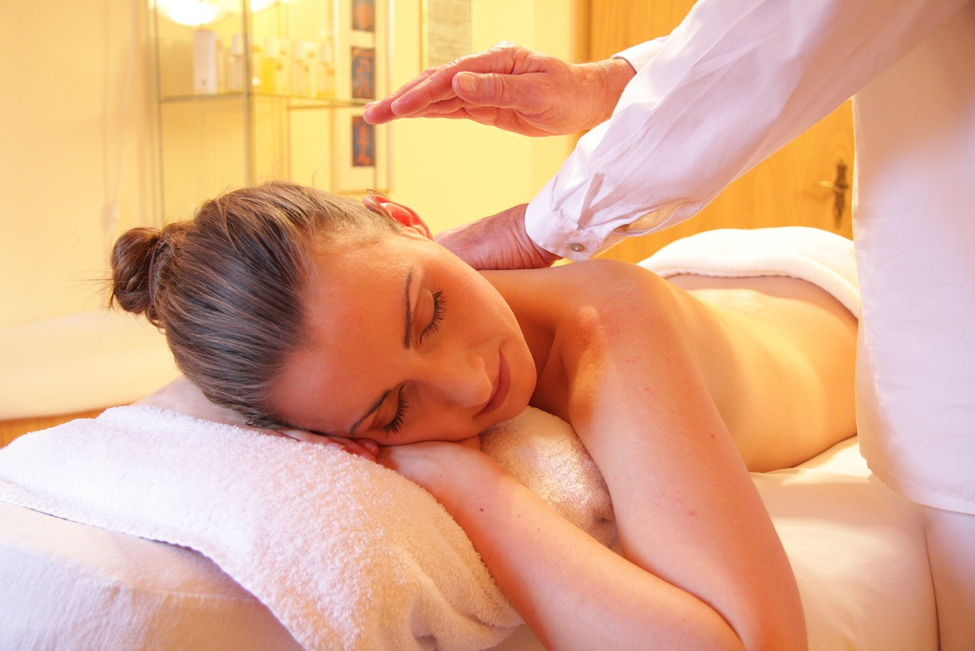
Enjoy a Spa Day with Your Girlfriends

Every lady deserves a day of pampering. And what better way to be pampered than with a mani/pedi, massage, or new haircut?

In honor of International Women’s Day, get your best girlfriends together and make a day of it at the spa.

Splurge on the gel nails or foot massage–you deserve it!

Tip: Make your spa day even more extravagant by enjoying brunch before your appointment or lunch and drinks after your spa day.

Give Your Kids a History Lesson on Amazing Women

Harriet Tubman courageously led hundreds of enslaved people to freedom along the route of the Underground Railroad.

Marie Curie was the first woman to win a Nobel Prize for research on radioactivity.

Amelia Earhart was a fearless female pilot.

These are just three examples of amazing women role models that we should be teaching our children about.

In honor of International Women’s Day, we encourage you to talk with your kids about the brave, intelligent, and powerful women who have helped shape our country.

It’s so important that kids (especially young girls) understand that women can do anything that men can do.

How do you celebrate the women in your life? Let us know in the comments below!