Search Results for: history of breast cancer

Java, Java: The 5 Unexpected Health Benefits of Coffee

For years, we’ve heard physicians warn about the negative health effects of drinking coffee—making every morning cup of joe feel a little like an act of defiance.

You may have heard that coffee will raise your blood pressure, lead to heart disease, give you an ulcer, or make you diabetic. But as more research about coffee surfaces, the more it seems coffee might not be bad for you at all.

In fact, drinking coffee may indeed have some health benefits. So pour yourself a little java and enjoy—this latest research gives you the go-ahead:

Increase Your Life Span. Drink up—researchers from the National Institutes of Health conducted a study that found people who drank three or more cups of coffee a day had a 10 percent chance of living longer than their coffee-abstaining peers. From 1995 to 2008, researchers monitored 400,000 people from ages 50 to 71 years old. At the beginning of the trial, all participants were relatively healthy, with none reporting a history of heart disease, stroke, or cancer. Of that number, 50,000 passed away during the course of the trial—and those who drank coffee had a 10 percent longer life span. Researchers deduced coffee must have protected against various forms of death with the exception of cancer.

Reduce the Risk of Alzheimer’s Disease. Rejoice! The University of South Florida found that of the coffee drinkers followed over the course of four years, not one developed Alzheimer’s disease. The participants in the study were all over 65 years old and were already suffering from slight memory impairment. For those studied who did develop dementia, their blood caffeine levels were 51 percent lower than those whose cognitive impairment remained level.

Decrease the Likelihood of Skin Cancer. Harvard professor Jiali Han conducted a study with her colleagues that found that coffee decreases the risk of developing the most common form of skin cancer, basal cell carcinoma. In fact, the more cups of coffee that you drink, the greater the benefit seemed to be. Han plans to further study whether or not the link is correlative or causative.

Safeguard Against Heart Failure.Elizabeth Mostofskyfrom Beth Israel Deaconness Medical Center and her colleagues found that coffee is good for your heart—until the second American-sized mug. Before that point, however, coffee drinkers had an 11 percent decreased risk of suffering from heart failure.

Lower the Risk of Stroke. Investigators at Cleveland Clinic’s Wellness Institute and Harvard University found that drinking coffee—even decaffeinated coffee—can decrease the risk of strokes, because coffee is filled with beneficial antioxidants. When compared against soda, which elevated the risk of strokes, coffee was associated with a 10 percent decrease in stroke risk.


Celebrate the health benefits of coffee by telling us about the best cup of coffee you’ve had!

Can I Have Reconstruction Surgery Even If My Radiation Treatments Damaged My Chest Area?

Are there natural methods of breast reconstruction surgery?
The following question is answered by Dr. Richard Kline of  The Center for Natural Breast Reconstruction.

In 2001, I had to have my implant removed because I had to a recurrence of breast cancer. After chemo, my 36 treatments of radiation did considerable damage to my chest area. I did have a latissimus flap and it was a total failure! I look like a road map to California. I had both of my implants removed in 2007 because of infection that went into my right implant.

Sometimes I think I might be okay without breasts, but not really. I wear prosthetics, but they are uncomfortable. Is there any way to get a successful reconstructive surgery with one of the natural ways of reconstruction?


Natural Breast Reconstruction almost certainly represents your best chance for a successful reconstruction, even with your past unfortunate experiences. If you have adequate donor tissue in your abdomen, buttocks, or thighs, there is an excellent chance that it can be used for your reconstruction. Your past surgeries and history of radiation may affect the final appearance of your breasts due to effects on your skin, but they usually have no impact on our ability to successfully transfer your donor tissue using microvascular techniques. Contact us and we can talk more about your specific situation.


Richard M. Kline, MD
Center for Natural Breast Reconstruction


Have a question about breast reconstruction you’d like answered from our surgical team? Just ask us!

Should I Have a Preventive Mastectomy?

Should I Have a Preventive Mastectomy?The following question is answered by Dr.James Craigie of The Center for Natural Breast Reconstruction.
 

I have no history of breast or ovarian cancer in my family, but my  mother and my sister do have a history of benign masses.  I’ve been told that I will need to frequently monitor any masses  I have or develop… likely for life. 

Every month, I can feel my breast tissue changing and becoming more fibrous (lumpy-bumpy), which makes me very uncomfortable.  I’ve watched a few friends with no cancer risk battle breast cancer recently, and I’m just not willing to allow myself to get to that point if possible. For peace of mind, and reduced cancer risk, I’d be much more comfortable undergoing a major surgery.  

Is this a logical solution given this circumstance, or am I overreacting?


Hello,

I have had numerous patients in similar situations decide to have preventive mastectomies and immediate reconstruction. It is a very personal decision to make and I do not feel you are overreacting to at least consider the option. Risk reduction mastectomy is the most effective way one can actively reduce the risk of breast cancer.

James Craigie,MD
Center for Natural Breast Reconstruction


Have a question about breast reconstruction you’d like answered from our surgical team? Just ask us!

Mammograms: What You Need to Know

tackling reconstructionIn the spirit of Breast Cancer Awareness month, The Center for Natural Breast Reconstruction urges women to schedule their yearly mammogram. Early detection saves lives! Today we bring you an exclusive interview with Sandra Smith, Lead Technologist at the Charleston Breast Center on mammogram preparation.

Read below for our interview with Sandra.

1. What is the best time of the month to schedule my mammogram and why?

Avoid days of the month when your breasts are most sensitive. This is for your comfort. The mammogram imaging will not be affected, unlike MRI IMAGING when it is important to schedule according to menstrual cycle.

2. Should I do anything to prepare in the days prior to the exam or for the exam itself?

There is no preparation for mammography. We ask that you do not wear deodorant, which can cause artifacts.

3. Does it hurt?

No, mammograms should not hurt. Compression must be used to spread out breast tissue so abnormalities can been seen. You may feel pressure from the compression and slight discomfort, however if you feel pain let the technologist know right away.   

4. At what age should a woman schedule her first mammogram?

That depends on risk factors such as family history. The recommended age for the first mammogram is 40 years old.

5. Explain the role of the technician and the desired credentials.  

The role of the technologist is to provide the radiologist with the best quality images in a professional and caring manner. Most technologists really care about women’s health and choose to go into this profession for that reason. Additional courses and certification is required to be a mammogram technologist. Continued education is required to maintain certification.

charleston-breast-centerAbout the Charleston Breast Center

Founded in 2006, the Charleston Breast Center provides expedited and compassionate care to women who are being screened for breast cancer. For more information visit their website at: www.charlestonbreastcenter.com

The Latest Technology in Preventative Mastectomy Procedures

Today we are putting a twist on our usual Ask the Doctor series and sharing a video interview with our very own Dr. James Craigie. If a picture is worth a thousand words a video must be worth at least a million, right? With the discovery of the correlation between breast cancer and family history, more and more women and opting for preventative mastectomy procures. Watch as Dr. James Craigie highlights the latest advanced reconstruction techniques offered at The Center for Natural Breast Reconstruction to restore a woman’s natural look.

As part of our weekly ask the doctor series we encourage you to submit your questions to our team or leave a comment below and we will get back to you! For more information on The Center for Natural Breast Reconstruction visit our website. We’d love to hear from you!

5 Ways to Avoid Diabetes

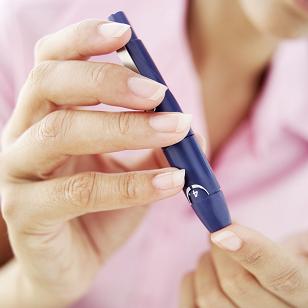
diabetesType 2 Diabetes is one of the most prevalent serious diseases in the United States. Diabetes is responsible for a range of complications, such as blindness, amputation, kidney failure, stroke, and heart disease. The American Diabetes Association estimated that diabetes contributed to over 230,000 deaths in 2007.

Type 2 Diabetes is a chronic metabolic disease caused by insulin resistance. When we digest food, glucose (sugar) enters the bloodstream to be carried to the cells of the body. The pancreas secretes an appropriate level of insulin to help the glucose enter the cells, much like a key fits a lock. High levels of glucose require the pancreas to secrete high levels of insulin.

If there are prolonged levels of high glucose, sometimes the cells become resistant to insulin and the glucose cannot leave the bloodstream, which in turn prompts the pancreas to secrete even more insulin. These elevated blood glucose levels are the cause of Type 2 diabetes.

While being overweight or having a family history of diabetes may raise your risk of developing diabetes, it is preventable with knowledge and just a few lifestyle changes.

Check your glucose and your family history.

Insulin resistance can progress to full-blown diabetes with no warning, so if you’re over age 45, it’s a good idea to go to the doctor at least once a year and have your glucose levels checked. If you have a family history of diabetes, glucose checks should start no later than age 40.

Watch your diet.

Healthy eating is one of the best ways to ward off insulin resistance and diabetes. Eat more fresh fruits and vegetables, and minimize your intake of junk and snack foods. Avoid high-fructose corn syrup and partially hydrogenated oils, and minimize sugary drinks and soda. Choose whole grains such as oats, barley, and wild rice, and buy leaner meat, such as turkey, bison, and fish.

Become a label reader and study the ingredients in the foods you eat. The more real food you can eat, the better. Buy less processed food, and if the label shows ingredients you can’t pronounce, reconsider buying that food.

Do some kind of physical activity every day.

Exercise helps keep your blood glucose low, reduces your risk for diabetes, and keeps your heart and lungs healthy. You don’t have to run 20 miles a day to reap the benefits of daily physical activity, but you do need to move. The key is to do something you enjoy every day, whether it’s playing tennis, walking the dog, or dancing.

Maintain a healthy weight.

Being overweight increases your Type 2 diabetes risk, as well as the risks of heart disease and stroke. Even a small weight loss of 10 or 15 pounds can reduce your risk. Follow the dietary and exercise recommendations above, and set realistic goals for weight loss. Every small step takes you closer to your goal, so keep going even if you get frustrated. Find a support system to help you stay on track.

Stop smoking.

Smoking raises your blood glucose levels and contributes to insulin resistance. This is why people who smoke often aren’t hungry. To stop smoking, call your state’s tobacco quit line. In addition to valuable coaching help to quit, many states offer free or low-cost aids such as nicotine patches and gum. Keep in mind that once you stop smoking, not only does your risk for diabetes go down, but your risks of heart disease, stroke, and cancer are also reduced.

Did you find this information valuable and want to receive more health and wellness updates? Subscribe to our blog.

What is Fat Necrosis and Should I Be Concerned About It?

The below question is answered by Dr. James Craigie of The Center for Natural Breast Reconstruction.

Dr. James Craigie

After my stage one DIEP surgery, I have some lumpy areas that I am told are fat necrosis.  Do they go away or what can you do about them? I am due to have stage two of my surgery soon.

Fat necrosis is a generalized term that results following injury or surgery when fat no longer has an adequate blood supply to survive. When fat does not survive and is in the breast the body develops scar or firmness as part of the healing process. A small amount of fat necrosis may go away on its own and larger amounts may persist indefinitely making the breast feel hard.

Following a DIEP or other muscle sparing breast reconstruction some of the fat transferred to the breast may not receive enough blood supply to survive the healing process. When this happens you may feel small lumps in the new breast about 1 – 2 months after the first surgery, sometimes sooner depending on where the lump is. These are usually small areas that can be removed at the second stage without affecting the end result. This is the most common situation we encounter.

On a larger scale, if something has occurred during the course of surgery and the tissue was transferred with an inadequate blood supply, the entire breast or a major portion of it could develop into fat necrosis. This is the most severe situation and would be considered a major complication or even failure of the procedure. Fortunately, in our experience, this situation is rare and the surgeon will know this has happened and should discuss options for correction.

If someone has a new breast lump and has a history of breast cancer, they are likely to undergo biopsies or have some concern over the area. Lumps that are fat necrosis may make breast exams more difficult or confusing and increase the chance that a new cancer or recurrence goes undetected. So anytime there is obvious fat necrosis after the first stage of surgery, we would make attempts to remove it. Initially, when a patient states they feel a firm area, I always remind them that what they feel on the outside will feel larger than the actual amount of fat necrosis tissue because the body is creating a reaction to the tissue trying to dissolve it.

It should be stressed that even patients who have undergone breast reconstruction should continue to do breast self-examinations. Any surgery on the breast will cause swelling and scarring. In many women who undergo reconstruction with breast implants, the body creates a capsule in response to these implants and all of these scars, capsules, or post surgical changes can feel like lumps and bumps following surgery. Therefore, it is important to know that fat necrosis may become apparent soon after surgery and should stay the same and not enlarge as time goes by. Alert your doctor regarding any breast lump that seems to enlarge. It is also important to know that breast exams will not be useful until after stage one and two are completed and the breast has had several months to recover from the surgery.

Once the reconstructive process is complete, things should not be changing. Patients should become familiar with any area that feels firm. If there are scars remaining after surgery, the patient should keep track of where they are and monitor them for changes. Changes in size or significant changes of any type should always be brought to the attention of your physician even in a reconstructed breast.

—James Craigie, M.D.

Follow us on Facebook to see more questions answered by our doctors.

What Are My Options If I Develop Lymphedema?

I’ve had breast cancer and developed lymphedema after my mastectomy.  I recently heard about Lymph Node Transfer surgery.  Does it work?  I’m scheduled for a DIEP breast reconstruction, can it be done at the same time?

Question answered by Dr. James Craigie:

Lymphedema is a very difficult problem that results when a patient has had breast cancer and has to undergo surgical removal of the lymph nodes under the arm as part of their surgical treatment for breast cancer. There are other causes of lymphedema but our specific interest has been in patients who have had breast cancer.

Lymphedema can be a very debilitating process; it remains a terrible problem worldwide, for all types of reasons. There is still much to be learned about why some people develop lymphedema and others do not. It appears that lymphedema is directly related to several factors in our breast cancer patients. It is directly related to having the lymph nodes removed from under the arm and seems to develop from the scarring that occurs under the arm following mastectomy and / or axillary dissection.

Undergoing radiation of the arm or axilla increases this risk. However, there are many people who undergo removal of the lymph nodes and radiation that do not develop lymphedema. There are also people who have mastectomy, have lymph nodes removed followed by radiation, and don’t develop lymphedema until many years after their surgery. That is the main reason that patients are warned to pay particular attention to their arm if they have had removal of any lymph nodes.

It is also possible that someone could get lymphedema even after simply having a sentinel node removed. A sentinel node procedure (lymphadenectomy) is a way to examine the lymph node without having to remove more than one or two. The whole idea of examining only the sentinel node is to lower the risk for lymphedema, but even with the sentinel node procedure, there is still a chance of developing lymphedema. Our practice became interested in options to help breast cancer patients with lymphedema as we see many who are suffering from the symptoms of this process while undergoing breast reconstruction.

Our practice specializes in microsurgical free flap breast reconstruction utilizing skin, underlying tissue, and microscopic blood vessels that transport life-giving blood to the reconstructed breast. This procedure is commonly referred to as the DIEP if using the abdomen or a GAP if using the buttock tissue. The muscles of the abdominal wall are left intact as it is the removal of the muscles of the abdominal wall that can lead to problems in the donor area, like hernias and bulging, as well as a more involved extended recovery. The lower tummy wall is the most common area that we transfer and it’s also an area where lymph nodes are present. Therefore, over the first decade this surgery was being done, we would encounter lymph nodes in the area of the blood vessels, as well as fatty tissue.

It became obvious that we could transfer lymph nodes on the blood vessels as we refine our technique for microsurgery. Due to the lack of effective treatment for lymphedema, for years surgeons doing perforator flaps have taken on this challenge and are trying to come up with ideas and techniques to treat it. We began doing an extensive amount of research, spanning the globe, looking for information on procedures that may help these patients. In 2005, we formed a group known as the Group for the Advancement of Breast Reconstruction, known as GABRs, and we included members throughout the world who had had a unique experience with our type of breast reconstruction.

We encountered one individual who had 15-years of experience with what is now known as “vascularized lymph node transfer” for the treatment of lymphedema. Initially, Dr. Robert Allen had attempted lymph node transfer during breast reconstruction and the biggest concern was how to transfer lymph nodes from one area of the body to treat lymphedema but not to create lymphedema in the donor area. In 2006, the GABRs met in Beijing, China and invited Corrine Becker, a surgeon from France who had a long history of experience with vascularized lymph node transfer.

She presented her work and through communication and travel to Paris to work with her, members of the GABRs group began to gain experience and learn more of her technique. The biggest hurdle that we were able to overcome was learning how to select the lymph nodes that could be removed as the donor lymph nodes and use those for breast reconstruction without causing lymphedema of the leg. We spent an extensive amount of time discussing her techniques and reviewing her results, as well as her publications.

We then made arrangements for her to travel to South Carolina and actually performed surgery on our own patients with her as an assistant surgeon. Since that time we have been very encouraged by the results with vascularized lymph node transfer as an effective treatment for reduction of the symptoms of lymphedema. We feel very excited but yet are very cautious about all results. It is important that patients realize that this procedure is still evolving and that there are risks involved, but to date we have had very good results and no serious complications.

Improvement of symptoms with vascularized lymph node transfer can occur immediately; however, they also may take up to 2 years to be appreciated. In most of our patients, the indicators of success are different. For the majority, the goal was to improve the edema, lessen the need to wear compression garments on a regular basis, and to eliminate the risk for frequent infections, which are the typical problems that those affected by lymphedema experience.

In order to lower the risk for complications and to closely study our results in conjunction with other colleagues who perform this procedure, we prefer to perform vascularized lymph node transfer as an isolated procedure. It can be done at the time of breast reconstruction; however, there is a chance that some people with mild lymphedema who undergo breast reconstruction may have improvement without lymph node transfer. Therefore, in order to closely study our results, we perform the breast reconstruction first followed by vascularized lymph node transfer as the second step. When the results are complete, we can determine whether it was the reconstruction or the transferred lymph nodes that gave the end result. It is important again to reemphasize that the main risk for of the surgery is that the transfer may not work. It is possible that if the transfer did not work resulting in more scar, the lymphedema could worsen.

Thankfully, to date, we have not experienced this complication. Other complications are damage to the blood vessels under the arm or the nerves under the arm. Therefore, our preference is to have an oncologic surgeon, who performs axillary dissection, release the scar under arm.  At the same surgical setting, after the scar is released, we perform the transfer by removing very specialized lymph nodes from the outer and lower abdominal wall or outer upper leg. We preserve the lymph nodes of the inside leg. These are the ones that drain the lower extremity and therefore, we feel that the risk for lymphedema of the donor area is reduced.

At this point, we have received some very exciting results along with some mixed results and continue to follow our patients very closely. We have had no patients with any serious complications and no patients at this point with lymphedema of the donor site. We are hopeful that the future holds vascularized lymph node transfer as an effective option for people with lymphedema following breast cancer surgery.

We plan to continue to devote and focus our energies on a surgical solution while simultaneously not exposing people to excess risk of additional problems. Once again, we do have to admit that the surgery, although giving some promising results, is  still evolving at this point and we choose to proceed with caution in the best interest of our patients.

—James Craigie, M.D.

Did you find this post helpful? Sign up for our blog RSS feed to receive instant updates.